
REVIEW · VIENNA OLD TOWN DISCOVERY WALKS
World War II History Vienna Old Town Private Walking Tour
World War II is closer than you think in Vienna. This private WWII walking tour uses real street corners, monuments, and architectural leftovers to explain how Austria slid from the fallout of World War I into Nazi terror and the 1945 bombing. I like the clear timeline you are guided through, from Franz Ferdinand’s assassination to annexation and liberation, and I also like that your licensed guide brings the story to life with specific places tied to events.
One thing to plan for: this route centers on Nazism and the Holocaust, so expect an emotionally heavy theme as you pass memorials and remembrance stones. If you want a light sightseeing walk, this is not it.
In This Review
- Key Things to Know Before You Go
- WWII in Vienna Old Town, Why the Streets Matter
- Beginning at Morzinplatz, the Nazi Terror Trail Opens
- Inner Stad Walk: Propaganda, Occupation Life, and Holocaust Remembrance
- St. Stephen’s Cathedral Area, a Classic View With a WWII Lens
- Hofburg and Heldenplatz: Imperial Power to War Victims Memorials
- The Ending by the Vienna State Opera, War’s Scars in Plain Sight
- Languages, Expert Guides, and Why Private Still Feels Personal
- Price and Value: What $214 Per Person Buys You
- Practical Tips So You Get the Most From the Walk
- Should You Book This WWII Vienna Walking Tour?
- FAQ
- How long is the World War II History Vienna Old Town Private Walking Tour?
- Where do we meet the guide?
- Is this tour private?
- How large can the group be?
- What languages are available?
- What does the tour include?
- Can I get a refund or change my plans?
Key Things to Know Before You Go
- Morzinplatz as your starting point, right by the Denkmal der Opfer des Faschismus, tied to Nazi terror and the former Gestapo headquarters area
- A guided timeline that connects WWI causes and consequences to the road to WWII and what came after
- Inner Stad walking route, designed for questions, with stops linked to propaganda and daily life under German occupation
- Holocaust Memorials and remembrance stones worked into the walk, not tacked on as an afterthought
- Hofburg and Heldenplatz exterior views, including the Memorial Crypt area dedicated to WWI and WWII victims
- An ending near the Vienna State Opera, at the Monument Against War and Fascism, associated with the 1945 bombing damage
Other Vienna old-town routes on file
- Vienna: Guided Walking Tour of City Center Highlights
★ 4.7 · 4,989 reviews - Vienna Historic Center Small Group Walking Tour
★ 5.0 · 1,746 reviews - Skip-the-Line Schonbrunn Palace Guided Tour and Vienna Historical City Tour
★ 3.5 · 940 reviews - Exclusive Vienna Old Town Highlights Walking Tour (max. 6 persons)
★ 5.0 · 252 reviews
WWII in Vienna Old Town, Why the Streets Matter
Vienna looks polished, imperial, and calm. That is exactly why this tour works so well. When you move through Inner Stad, you are not just learning dates in a classroom, you are reading the city, seeing how power changed signs, buildings, and daily routines over time.
A good WWII story has two parts. First, the big political moves. Second, what normal people experienced and how propaganda shaped everyday life. This tour is built for both, with expert commentary on World War II, World War I, and the Holocaust, while you walk past places that still carry the memory.
The private format also matters. In reviews, guides like Peter and Alexander were praised for answering questions in detail. And one review specifically noted that a guide stayed patient during family pauses, which is a real practical detail if you travel with kids or simply need frequent stops.
Beginning at Morzinplatz, the Nazi Terror Trail Opens
You start in front of the Denkmal der Opfer des Faschismus at Morzinpl. 4, near the former Hotel Metropol area. The meeting point is not random. It points you toward one of the most chilling parts of the Nazi system: the Gestapo presence in Vienna, described here as being used in 1939.
This is the moment where I think you set your mental mode for the rest of the walk. Before you even hit the heavier memorial sections, your guide frames what the city was becoming and why certain neighborhoods and institutions mattered. You begin with a place that forces the story to feel grounded, then the walking route explains the “how” and the “why.”
If you like history explained with specific anchors, you will probably appreciate the way the tour starts with a location that connects to real power. One review also praised the way the guide pointed out historical traces that still exist in Vienna, not just facts on a page. That style fits this first stop perfectly.
Inner Stad Walk: Propaganda, Occupation Life, and Holocaust Remembrance
From there, your private guide leads you through Inner Stad, focusing on what life looked like under German occupation. The tour description highlights daily routines and political propaganda in German-occupied Austria, and that is a smart choice. It shifts WWII from a distant conflict to something experienced on streets, in institutions, and through messaging people could not ignore.
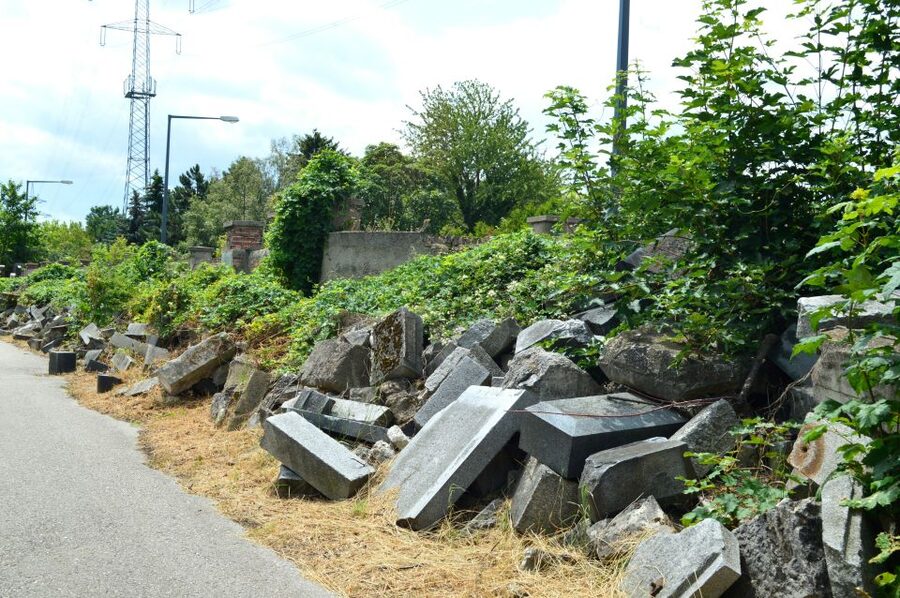
As you walk, you pass the Holocaust Memorial and several Remembrance Stones. This is not just a route checkbox. These stops help you understand that remembrance is part of the cityscape, and that Vienna chose to mark certain locations rather than erase them. It also gives your guide a chance to explain why these memorials exist, and how to interpret them respectfully.
The emotional tone can be intense, especially with topics tied to the tragic fate of Vienna’s Jewish citizens and the broader Holocaust context. If you need short breaks, I recommend planning for them. One review mentioned a guide balancing the tour and lecture parts and managing the pace during heavy heat, including moving from shade spot to shade spot. That is the kind of practical guiding you will want if the day is warm or you have mobility needs that require frequent pauses.
This segment also promises a look at major figures tied to Austrian Nazi history, including Adolf Hitler and Ernst Kaltenbrunner. Your guide’s job here is to connect names to systems, not to treat them like trivia. When you hear these names in context, the story becomes clearer and far less abstract.
St. Stephen’s Cathedral Area, a Classic View With a WWII Lens
Your highlights mention St. Stephen’s Cathedral, and this matters because it keeps the contrast alive. You get to see one of Vienna’s most famous landmarks while your guide keeps returning to the question: what did the city look like during crisis, and what changed under occupation?
You might not spend long inside the cathedral itself on a walking tour like this. Still, even an exterior view can work when you have a guide who explains how the city’s “official face” did not prevent violence or persecution from happening nearby.
I like how this kind of contrast helps you remember the lesson. Vienna did not become Nazi overnight in a single event. It changed in steps, through politics, propaganda, and the gradual normalization of extraordinary harm. Seeing an iconic symbol while you get that context helps it stick.
Related wartime and Jewish-heritage routes

Hofburg and Heldenplatz: Imperial Power to War Victims Memorials
One of the most important stops is the Hofburg area, viewed from outside. The Hofburg is a reminder of how long imperial power shaped Vienna’s identity. In this tour, the focus is how that imperial setting ties into memory work for the wars that followed, including the Memorial Crypt dedicated to WWI and WWII victims in Heldenplatz.
The Heldenplatz setting is especially meaningful for the WWII theme. Your guide connects the story to WWI victims as well, so you do not treat WWII as a sudden rupture. Instead, you see it as a chain reaction, where WWI outcomes and political instability fed the conditions that came next.
Also, the tour description includes the monument to Emperor Franz Joseph I in Burggarten. That stop is useful because it prompts a question you can carry through the rest of the walk: how does a city remember different leaders, and how does it handle the messy difference between empire, ideology, and mass violence?
The Ending by the Vienna State Opera, War’s Scars in Plain Sight
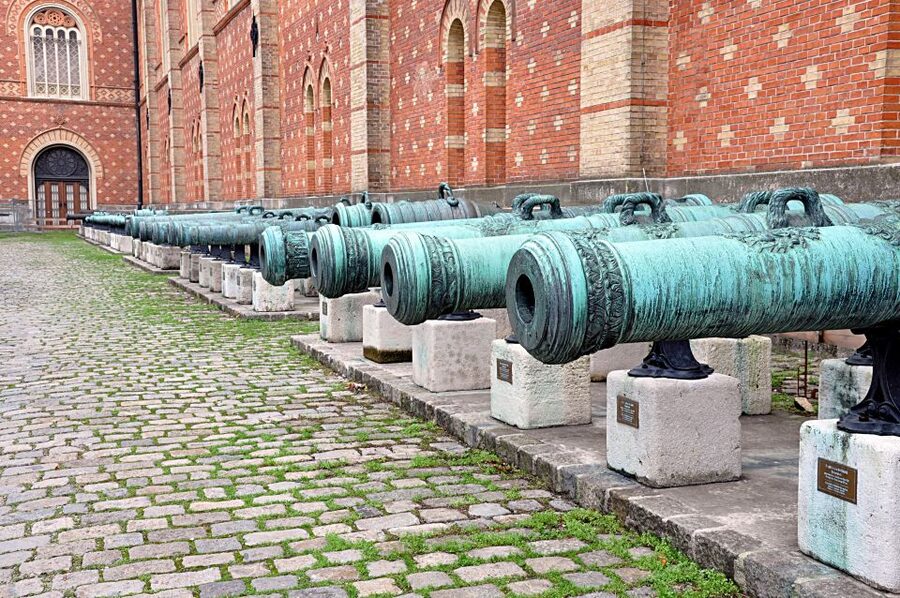
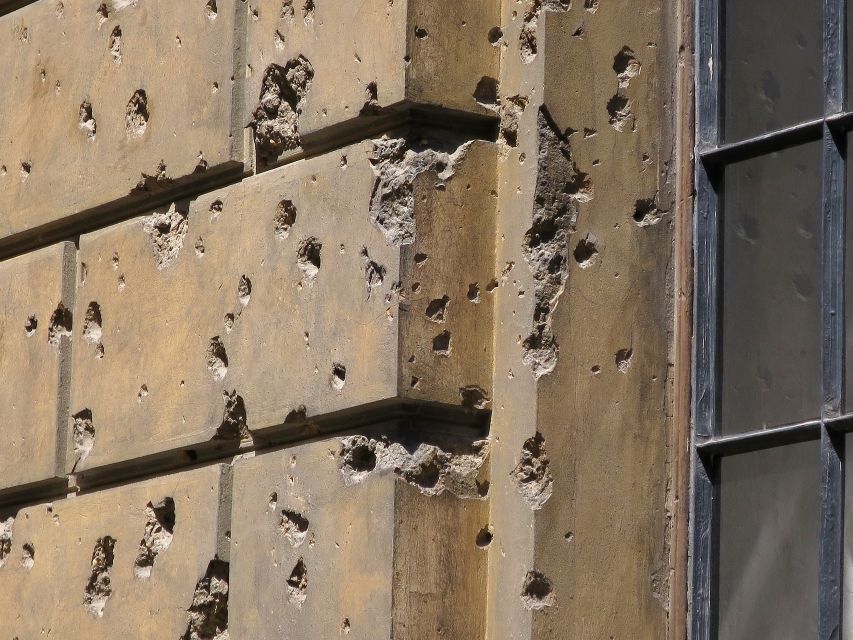
Your tour ends at the Monument Against War and Fascism near the Vienna State Opera. The description notes the opera was heavily damaged by the 1945 bombing, and that is an important detail. The city did not just survive WWII. It rebuilt under the weight of what happened, and the scars show up in monuments and public space choices.
This ending spot gives you room to shift from facts to meaning. Up to this point, your guide has likely been stepping through causes, consequences, occupation realities, and Holocaust remembrance markers. Here, the monument’s purpose is explicit: a statement against war and fascism.
If you like your history tours to land with a clear final thought, this ending delivers. It is a good place to ask your last questions too, because you are no longer mid-route, so you can slow down and take in the setting.
Languages, Expert Guides, and Why Private Still Feels Personal
The tour is private, and it offers a wide list of languages: English, German, Italian, French, Spanish, Russian, Polish, Chinese, Japanese, Croatian, Portuguese, Arabic. That matters because WWII terms, political vocabulary, and memorial explanations do not always translate cleanly. A fluent guide helps you avoid misunderstandings when discussing painful subjects.
In the reviews, guides were repeatedly praised for professionalism and handling questions. One reviewer named Sanda and said everything was perfect, and another mentioned Frau Heuberger balancing the tour and lecture parts during intense heat. Paola highlighted patience from Peter, including help during a stop for a small child.
Those details tell me something practical. Even though the topic is heavy, the guiding style seems flexible enough to keep people comfortable and able to listen. For a 2-hour walk, that balance can make or break the experience.
Price and Value: What $214 Per Person Buys You

At $214 per person for a 2-hour private walking tour, this is not a budget add-on. You pay for something specific: a 5-star licensed guide with expert commentary and a route designed around WWII and Holocaust sites.
Here is how I think about value for this kind of tour:
- You are paying to make sense of complex causes and consequences, including both WWI and WWII.
- You are paying to connect names like Adolf Hitler and Ernst Kaltenbrunner to specific Vienna-linked places.
- You are paying for guidance in interpreting memorials, not just walking past them.
You could read guidebooks and piece the story together on your own, but you will lose the benefit of immediate context and the ability to ask questions when something feels confusing. The reviews also support that this tour is strong on explanation, not just sightseeing, with one comment praising hints at historical traces that are still visible in architecture.
If you are only in Vienna for a short time, a tight 2-hour private focus can also be a time-saver. You are hitting multiple key WWII-linked locations in one go, instead of hunting for meaning city-by-city.
Practical Tips So You Get the Most From the Walk
This tour is walking-focused, so wear comfortable shoes and dress for the weather. That sounds obvious, but it becomes real when the theme is intense and you will want to keep moving without constant discomfort.
Plan for the pacing too. The route includes multiple memorial and remembrance stops, and those often benefit from a few moments of quiet or reflection before you move on. Guides can also adjust tempo based on group needs. The review about managing pauses and shade in hot weather is a good clue that the guides take comfort seriously.
If you choose a language other than English, I suggest picking your language carefully if you want nuanced discussion. The guide is fluent in your chosen language, so you can ask sharper questions and understand the explanations without friction.
Should You Book This WWII Vienna Walking Tour?
Book it if you want WWII in Vienna explained through real places, not just a general lecture. You will likely enjoy it most if you care about connections, like how WWI outcomes feed into the political climate that enables WWII, and how occupation life and propaganda shaped daily routines.
Skip it if you need a purely scenic walk or you want a light tone. This route centers on Nazi terror, the Holocaust, and war damage, with memorials integrated into the route, so you should expect heaviness.
If you are traveling with family, bring expectations for a patient guide and pacing that can include brief stops. Based on the review mentioning patience when a guide managed a pause for a 2-year-old, this kind of flexibility seems part of the guiding style.
FAQ
How long is the World War II History Vienna Old Town Private Walking Tour?
The tour lasts 2 hours.
Where do we meet the guide?
Meet your guide in front of Denkmal der Opfer des Faschismus (Memorial to the Victims of Nazi Terror), Morzinpl. 4, 1010 Wien, Austria.
Is this tour private?
Yes. It is a private group tour.
How large can the group be?
The group is limited so that everyone can ask questions and hear the guide well, with a maximum of 1 to 25 people per guide.
What languages are available?
The tour is available in English, German, Italian, French, Spanish, Russian, Polish, Chinese, Japanese, Croatian, Portuguese, Arabic.
What does the tour include?
It includes a private walking tour of WWII sites in Vienna, a 5-star licensed guide fluent in your chosen language, expert commentary on WWII, World War I, and the Holocaust, and sightseeing of WWII-related places and monuments.
Can I get a refund or change my plans?
Yes. You can cancel up to 24 hours in advance for a full refund, and you can reserve now and pay later.
Tour Reviews: Rest of the Austria File
- Vienna: Vivaldi’s Four Seasons Concert in Karlskirche
★ 4.7 · 14,951 reviews - Vienna: Schönbrunn Palace & Gardens Skip-the-Line Tour
★ 4.7 · 7,739 reviews - Vienna: Light of Creation Votive Church Immersive Light Show
★ 4.8 · 6,779 reviews - Vienna Spanish Riding School Guided Tour
★ 4.7 · 6,765 reviews
Wartime and Jewish-Heritage Routes
- Vienna: World War II Historical Walking Tour
★ 4.8 · 1,772 reviews - Historical Hitler Walking Tour of Vienna
★ 5.0 · 887 reviews - Vienna: Day Trip to Mauthausen Concentration Camp Memorial
★ 4.6 · 303 reviews - Jewish Vienna: City Synagogue Guided Tour
★ 4.6 · 208 reviews
Old-Town Routes Around Vienna
- Vienna: Guided Walking Tour of City Center Highlights
★ 4.7 · 4,989 reviews - Vienna: Guided Walking Tour of City Highlights & Hidden Gems
★ 4.9 · 2,180 reviews - Vienna Historic Center Small Group Walking Tour
★ 5.0 · 1,746 reviews - Skip-the-Line Schonbrunn Palace Guided Tour and Vienna Historical City Tour
★ 3.5 · 940 reviews
Newest Vienna write-ups on file
- Vienna: Private Walking Tour to The Hofburg & Graben Street★ 5.0 · 3 reviews
- Vienna: Private tour Mauthausen and Linz★ 4.1 · 3 reviews
- Vienna Private Full Day Tour – Tickets to Schönbrunn & Lunch★ 5.0 · 3 reviews
- Vienna: Johann Strauss 200th birthday anniversary exhibition★ 4.7 · 3 reviews
- Vienna: Full-Day Vienna Woods Wine Tasting Tour★ 5.0 · 3 reviews
- Vienna: Festive Season and New Year’s Eve Waltz Workshop★ 5.0 · 3 reviews
Vienna Old Town Discovery Walks, compared.
 ★ 4.7Vienna: Guided Walking Tour of City Center HighlightsFrom $254,989 reviews
 ★ 4.9Vienna: Guided Walking Tour of City Highlights & Hidden GemsFrom $272,180 reviews
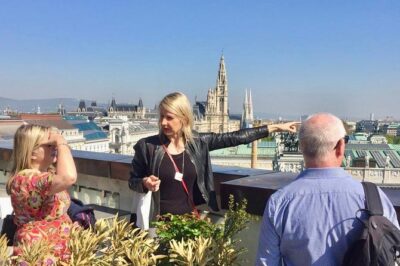 ★ 5.0Vienna Historic Center Small Group Walking TourFrom $721,746 reviews
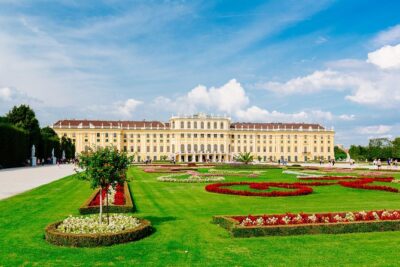 ★ 3.5Skip-the-Line Schonbrunn Palace Guided Tour and Vienna Historical City TourFrom $82940 reviews
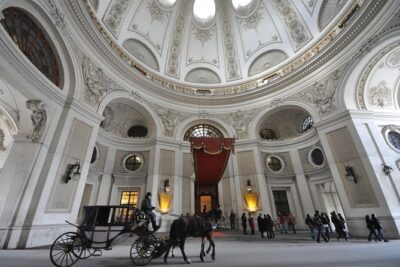 ★ 5.0Exclusive Vienna Old Town Highlights Walking Tour (max. 6 persons)From $151252 reviews
 ★ 4.7Vienna: Hidden Gems near St. Stephen’s & Old UniversityFrom $353153 reviews
 ★ 5.0Guided Walking Tour of Vienna City Center HighlightsFrom $30150 reviews
 ★ 4.5Food Tasting Tour in Hidden Gems of Vienna for Small GroupsFrom $14391 reviews