
REVIEW · WWII & JEWISH HISTORY TOURS
Vienna: Jewish Museum Vienna and Museum Judenplatz Tickets
Vienna hides its Jewish story in plain sight. With one ticket, you can visit Jewish Museum Vienna and Museum Judenplatz, and connect museum objects to real places across centuries. It is history you can see, walk around, and revisit at your own pace, not a lecture you have to sit through.
I especially love how the main exhibition, Our City! Jewish Vienna, Then to Now, is organized in a way that makes you follow the timeline clearly, from postwar years back to the Middle Ages and the Holocaust. I also really enjoyed the 3D reconstruction and the medieval synagogue vestiges at Museum Judenplatz, because the building story feels tangible. One possible drawback: the exhibits can feel like a lot of reading, so if you prefer quick punchy highlights, you might find it a bit slow.
In This Review
- Key things you will notice right away
- Two Sites, One Ticket: Dorotheergasse and Judenplatz
- Entering the Main House: Our City! Jewish Vienna, Then to Now
- Ground Floor Meaning: 1945 to Today and the Work of Rebuilding
- Second Floor Meaning: Middle Ages to the Holocaust Through Objects and Context
- Museum Judenplatz: Medieval Synagogue Foundations and a Real Sense of Place
- Temporary Exhibitions, Events, and the Multimedia Guide
- How to Plan Your Time for a 3-Day Ticket Window
- Price and Value: About $17 for Two Museum Locations
- What Kind of Visitor This Fits Best
- Should You Book This Ticket?
- FAQ
- What locations are included with the ticket?
- Where is the meeting point?
- How long is the ticket valid?
- How much does it cost?
- Is an audio guide included?
- What topics will I see inside the exhibits?
- Is there access for wheelchair users?
- Can I cancel for a refund?
- Can I reserve without paying right away?
- Are temporary exhibitions included?
Key things you will notice right away
- Two locations, one story thread: Dorotheergasse and Judenplatz link the same community across time and space
- Our City! Jewish Vienna, Then to Now: a permanent exhibition split between 1945 to today and earlier centuries to the Holocaust
- Museum Judenplatz is about place: the medieval synagogue foundations make the past feel grounded
- Audio support: an included multimedia/audio guide works in English and German
- Temporary exhibitions and events: both sites offer rotating content beyond the permanent displays
- A frank but not sensational tone: suffering is described honestly, without becoming morbid
Related wartime and Jewish-heritage routes
- Vienna: World War II Historical Walking Tour
★ 4.8 · 1,772 reviews - Historical Hitler Walking Tour of Vienna
★ 5.0 · 887 reviews - Vienna: Day Trip to Mauthausen Concentration Camp Memorial
★ 4.6 · 303 reviews - Jewish Vienna: City Synagogue Guided Tour
★ 4.6 · 208 reviews
Two Sites, One Ticket: Dorotheergasse and Judenplatz
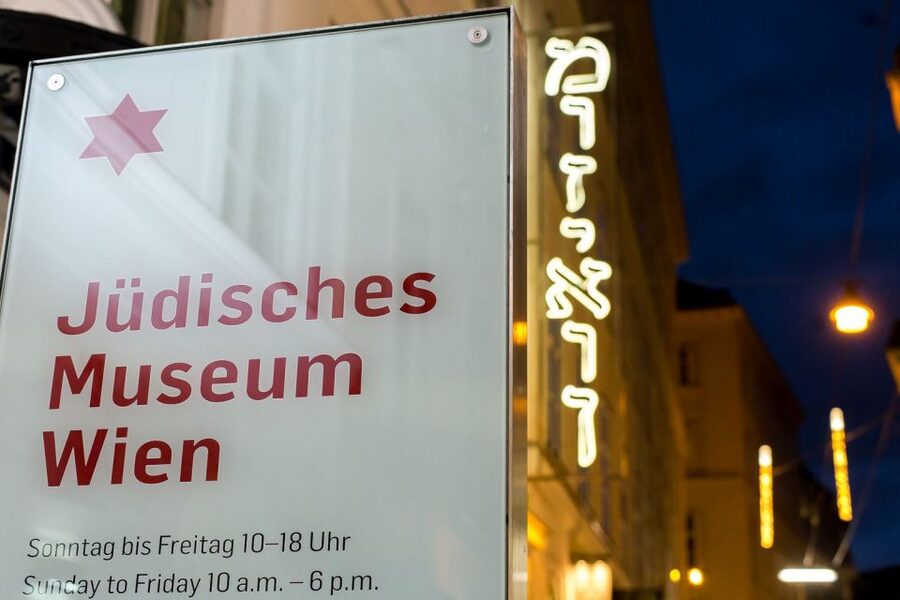
This visit works best when you treat it like a small self-guided circuit with two different moods. The first stop is the Jewish Museum Vienna main house at Dorotheergasse 11, right by St. Stephen’s Cathedral area. The second stop is Museum Judenplatz at Judenplatz 8, which focuses on the medieval synagogue foundations and the site itself.
The ticket covers both locations, and it is valid in two ways: it covers 4 days from the date of issue, and you get 3 days from the first activation. That timing matters because it lets you spread the visit over your schedule. If you are staying in central Vienna for a few days, this is a great way to fit something meaningful between cathedral photos and café breaks.
You can also plan your day around how you like to move through museums. One person notes that both museums can be handled in the space of a morning, which makes sense if you focus on the main exhibitions. But if you want to slow down for object details, take breaks, and sit with the multimedia parts, you can easily stretch it across a longer chunk of time during your ticket window.
Entering the Main House: Our City! Jewish Vienna, Then to Now
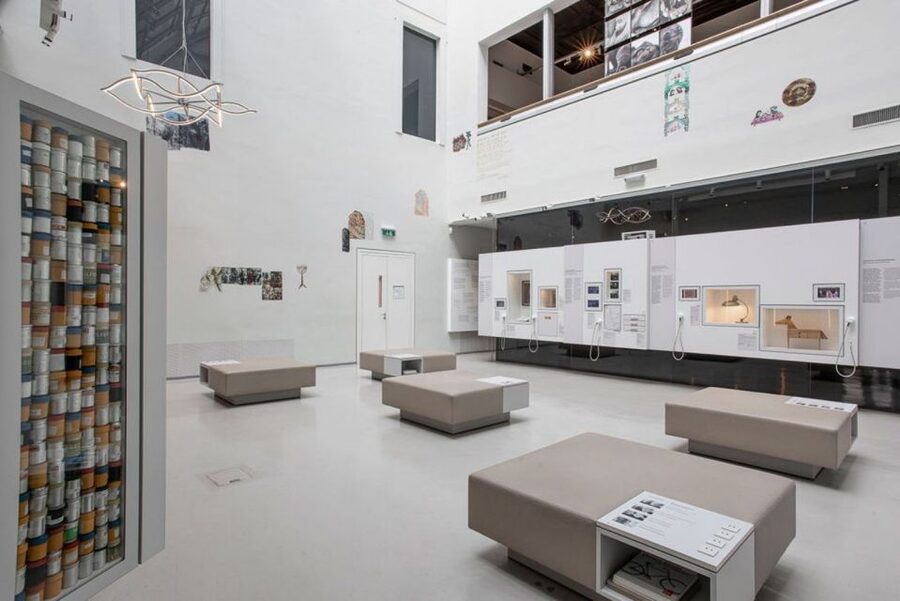
The main house is in an older palace near St. Stephen’s Cathedral, which helps the museum feel like it belongs to Vienna rather than floating above it. Inside, you get strong structure, and that is a big part of why this museum works. You are not left wandering. Instead, the permanent exhibition gives you a clear path to follow.
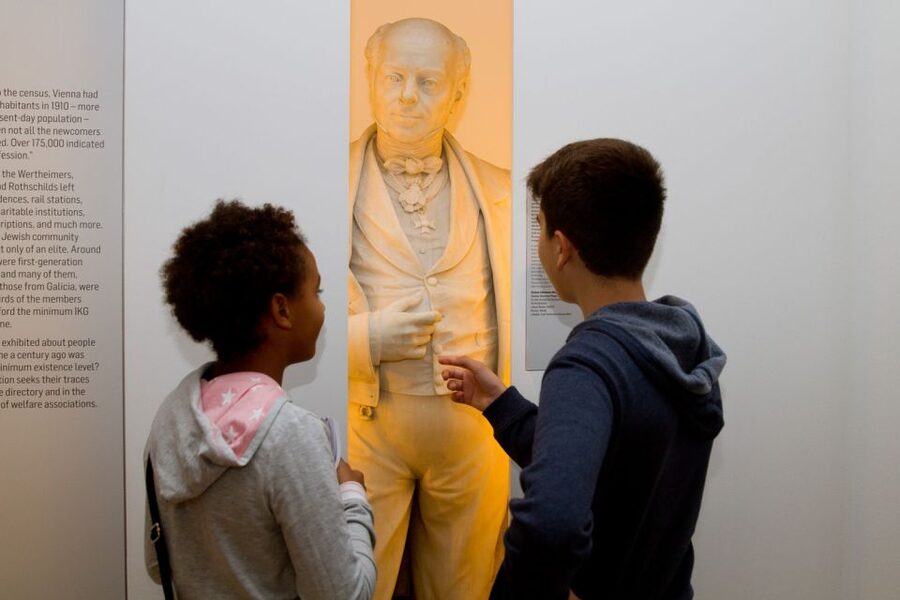
At the heart of it is Our City! Jewish Vienna, Then to Now, and the exhibition is split by floors. On the ground floor, the story starts with Jewish Vienna from 1945 to the present. This section is not just a list of events. It shows how a community that had been almost completely destroyed rebuilt itself over time, even while Austrian postwar policies created major resistance.
I like that the museum does not force you to think only about tragedy. It also shows daily life and continuity, including how a modest but diverse community continued to exist, organize, and maintain traditions. You still get the hard context, but the museum refuses to reduce Jewish life to a single chapter.
Then you can take the thread upstairs. The shift from postwar years to earlier centuries makes the timeline easier to hold in your head. It is one of those museum designs that helps you make connections without needing outside background reading.
Ground Floor Meaning: 1945 to Today and the Work of Rebuilding
The ground-floor approach is practical. It starts with the post-World War II reality and then works forward. That choice changes how you read everything else in the museum. When you already understand the post-1945 starting point, the earlier layers feel less like separate history lessons and more like roots.
You will see how the Jewish community developed into something smaller than before, but still vibrant in terms of culture and life. That framing matters because it avoids the common museum trap of only presenting Jewish history as either prewar normalcy or wartime catastrophe. Here, rebuilding is treated as a real story with obstacles and persistence.
A key part is the museum’s honesty about discrimination and resistance from Austrian postwar policies. This is not vague. The exhibits point you to the reality that Jewish life was shaped not only by what happened during the war, but also by the politics that followed.
If you plan to bring your family, or you want an experience that works across ages, this floor also tends to feel accessible. It gives a clearer narrative arc for teens and adults who may not know the history before arriving.
Second Floor Meaning: Middle Ages to the Holocaust Through Objects and Context
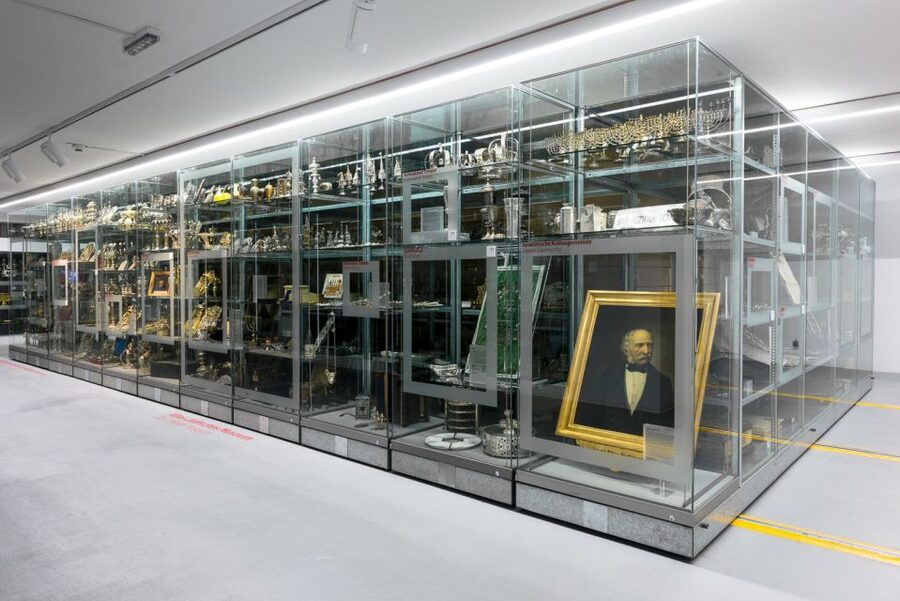
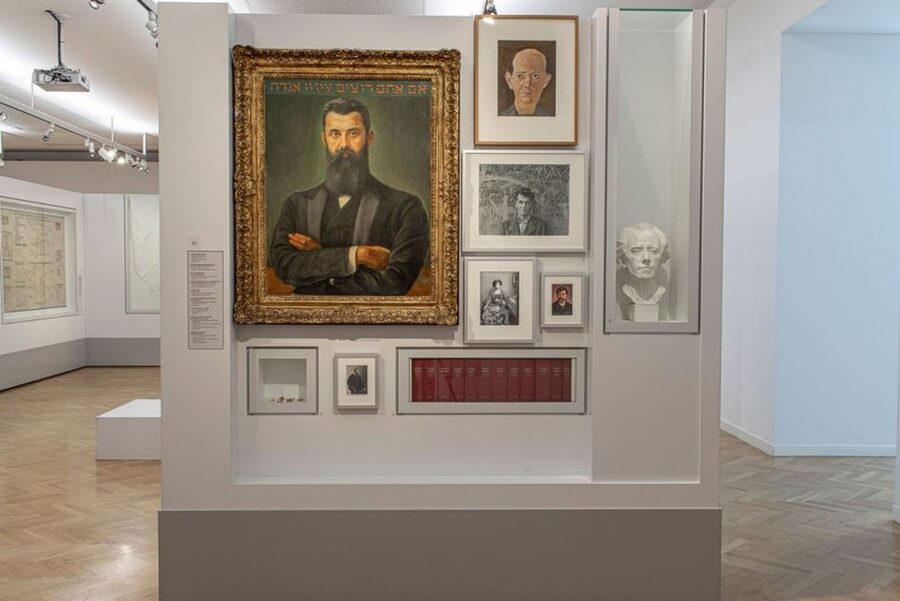
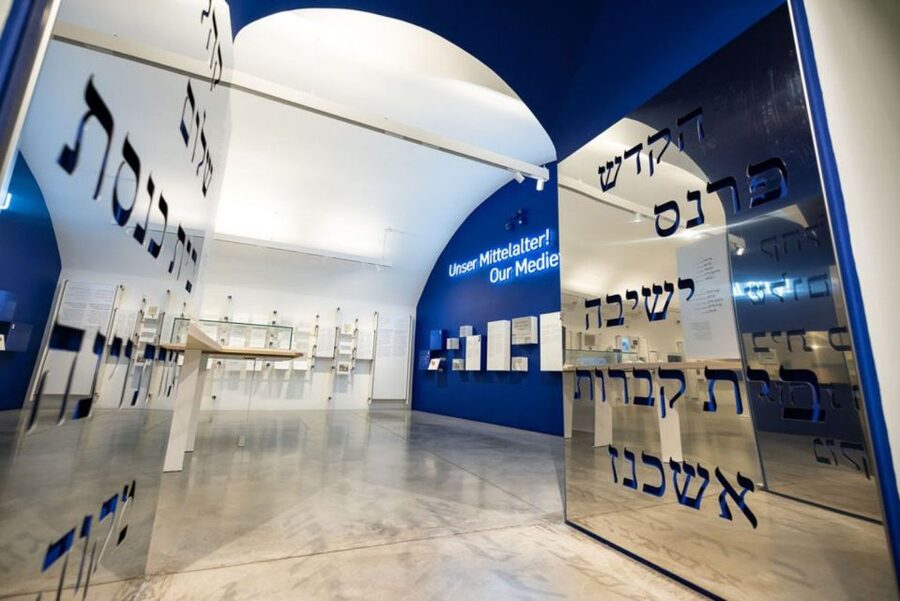
On the second floor, the museum walks you back from the Middle Ages through the centuries and toward the Holocaust. This is where the museum leans hardest on context. The objects are placed into historical situations so you can understand where they came from, not just what they look like.
One helpful detail is how the collections connect objects to their origins, including the synagogues they came from or the collectors who preserved them. That approach makes the museum feel more like a living archive than a static display shelf.
You also get a multimedia guide with additional perspectives. The guide can help you manage the museum’s density. If you find yourself reading slowly, pause the guide and come back. If you skim, the guide still gives you enough anchor points to keep the story from slipping away.
The tone is frank about suffering. Still, it does not feel morbid or sensational. Instead, it focuses on what people did to build and maintain life amid constant challenge and discrimination. For me, that balance is what keeps the museum from becoming either guilt-only or horror-only. It becomes about endurance.
Other Vienna write-ups filed under Austria

Museum Judenplatz: Medieval Synagogue Foundations and a Real Sense of Place
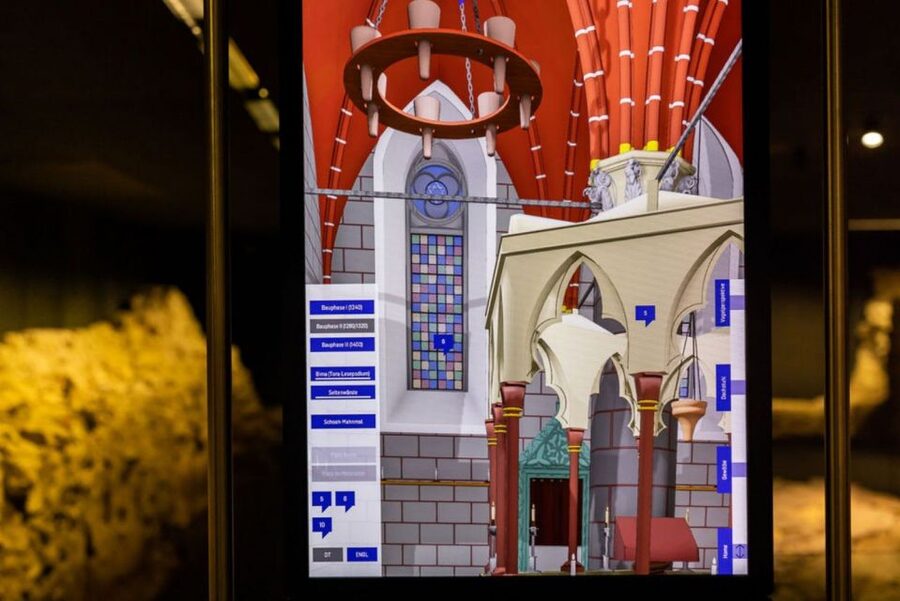
Museum Judenplatz is the second piece of the puzzle, and it changes the way you feel about the story. This site is about place. The museum presents the foundations of the medieval synagogue, so you are not just looking at history. You are looking at history anchored in the ground.
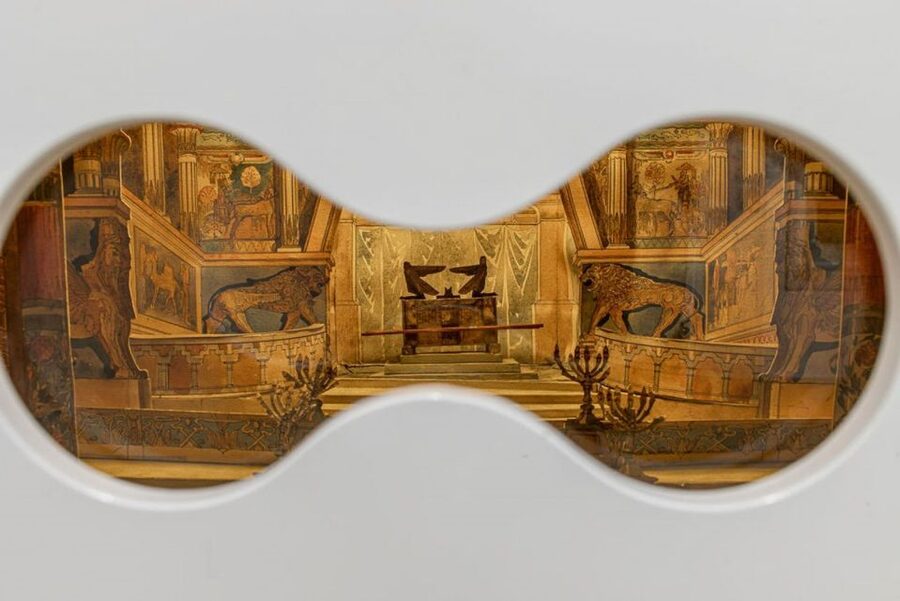
What makes it especially memorable is the combination of the vestiges with a 3D reconstruction. Seeing the foundations plus how the synagogue might have looked helps your brain connect museum content to a physical setting. It gives you a mental image that is hard to get from text alone.
This is a great stop if you want to walk away with something visual. You can also take it slower here if you are the type who likes to stand and look at one area for a while. The site naturally encourages that kind of attention.
This location also works well as a second stop after the main museum, because you already have context for what the exhibits mean. By the time you reach Judenplatz, you can read the story back into the medieval setting more clearly.
Temporary Exhibitions, Events, and the Multimedia Guide
One reason I recommend giving yourself some flexibility is that both locations host temporary exhibitions and events in addition to the permanent displays. That means your visit might include rotating topics tied to specific parts of Jewish history, religion, and traditions in Austria.
You do not have to chase every extra display to get value. But if you see a temporary exhibition that matches your interests, it is worth adding time. Temporary shows are where you can get new angles, fresh object selections, and themes that the permanent exhibition might only touch lightly.
The museum also includes a multimedia/audio guide with English and German. If you want to understand the exhibits without reading every label word-for-word, that guide is a practical tool. It is also helpful for keeping the visit from turning into pure scanning. You can listen while you look, then circle back for the details that catch your eye.
From the guidance style described by visitors, the best experience tends to happen when you actually use the guide and then let a docent-style explanation connect the dots. Guides named Miki and Wolfgang have been described as adding clarity and pacing, while Victoria is cited for explaining shul context in a way that feels approachable. Even if your own guide differs, that matches the museum’s overall intent: make the story clear, not vague.
How to Plan Your Time for a 3-Day Ticket Window
The activity info lists a 3-day window from first activation, and your ticket also aligns with a 4-day validity from the date of issue. That gives you enough slack to manage Vienna’s rhythms.
Here is a practical way to plan:
- If you want a focused visit: plan both locations in about a morning, then leave time for lunch nearby.
- If you want deeper context: spread it across two days, pairing one location per day and using breaks as needed.
- If you have a busy itinerary: use one day for the main house, then come back later for Judenplatz.
A recurring theme in the feedback is that the museums can feel manageable and not overly packed. The layouts also provide places to sit, which is underrated but important. You will likely spend time reading labels, watching multimedia components, and taking in object displays. Sitting turns a rushed visit into a thoughtful one.
Timing-wise, you might want to avoid chaining this visit right after a long outdoor walking day. The experience is meaningful, but it is not all about quick stops. Build in time to absorb it.
Price and Value: About $17 for Two Museum Locations
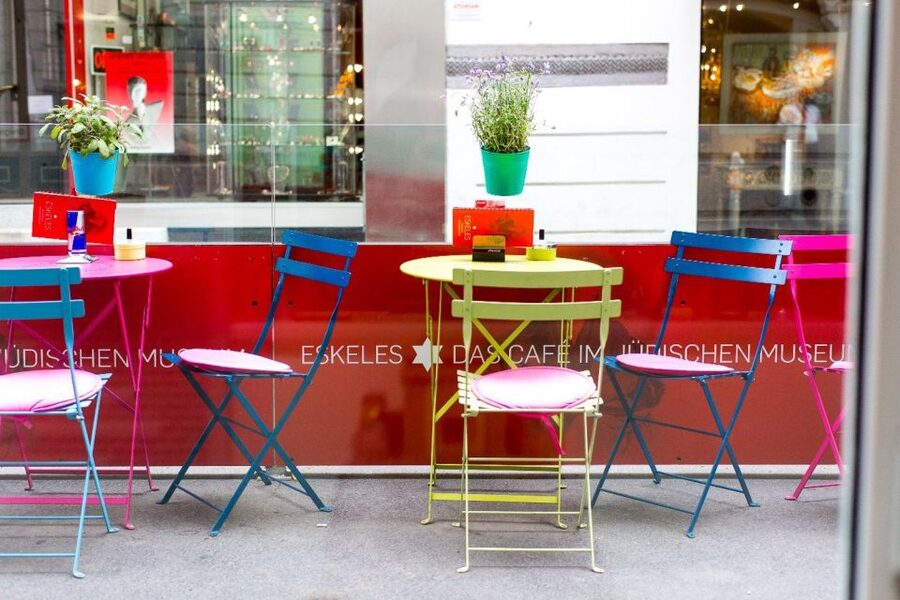
At around $17 per person, you are getting access to both the Jewish Museum Vienna main house and Museum Judenplatz, valid over a multi-day window. For central Vienna museums, that price-to-access ratio is strong, especially because the two locations give different kinds of learning.
A lot of ticketed sights in Europe charge you for location A, then charge again for location B. Here, the value is built in. You are paying once, and you get the timeline plus the physical site experience.
If you compare what you are actually receiving, it makes sense. The main house gives you an organized permanent exhibition and temporary programming. Judenplatz gives you the medieval synagogue foundations and a 3D reconstruction, which is the kind of “only-here” content that justifies museum time.
Also, audio support in English and German is included. That means you do not need to bring extra devices or plan a separate purchase just to understand what you are seeing.
What Kind of Visitor This Fits Best
This is a great fit if you want an alternative view of Vienna that does not treat Jewish history as a side note. The museum connects Jewish Vienna to the wider city story, including religion, traditions, and the reality of discrimination and resilience over centuries.
It also works well for adults who like structure. The exhibition layout from 1945 to today on the ground floor, then Middle Ages through the Holocaust on the second floor, helps you follow the thread. And if you like learning through objects, the museum’s historical context around where items came from is a big plus.
For families, this can still be a good choice. One review highlights that the museums are appropriate for children, teens, and adults. Still, you should know the topic is heavy. The museum is frank, honest, and respectful, but you are dealing with real suffering and real history.
If you are the type who finds museums slow when there is a lot of text, go in with a strategy. Use the audio guide, pick a few themes, and plan short breaks. That turns the visit from a reading slog into a guided experience.
Should You Book This Ticket?
I think you should book if you want a museum visit that is both structured and emotionally honest, and you want to see Jewish Vienna in two forms: storytelling inside a palace and historical foundations at Judenplatz.
You might skip or adjust if your ideal museum day is mostly quick visuals and minimal reading. In that case, plan extra time for the audio guide and be ready to slow down. Also, if you rely on a museum shop for English books, you might want to plan ahead. One visitor noted that English book options in the on-site shop can be limited, so it helped them find titles elsewhere.
FAQ
What locations are included with the ticket?
The ticket includes admission to both the Jewish Museum Vienna at Dorotheergasse 11 and Museum Judenplatz at Judenplatz 8.
Where is the meeting point?
You will meet at Jewish Museum Vienna, Dorotheergasse 11, 1010 Vienna, or at Museum Judenplatz, Judenplatz 8, 1010 Vienna.
How long is the ticket valid?
It is valid for 3 days from the first activation, and it also notes validity for 4 days from the date of issue.
How much does it cost?
The price is listed as $17 per person.
Is an audio guide included?
Yes. An audio guide is included, with English and German options.
What topics will I see inside the exhibits?
You can expect exhibitions on Jewish history, religion, and traditions in Austria, including a permanent exhibition that covers Jewish Vienna from 1945 to the present and from the Middle Ages to the Holocaust.
Is there access for wheelchair users?
Yes, the experience is wheelchair accessible.
Can I cancel for a refund?
Free cancellation is available up to 24 hours in advance for a full refund.
Can I reserve without paying right away?
Yes. You can reserve now and pay later.
Are temporary exhibitions included?
The museums offer temporary exhibitions and events at both locations, and your admission lets you access what is on during your visit.
Tickets: Rest of the Austria File
- Vienna: Classic Ensemble Vienna in St. Peter’s Church Ticket
★ 4.7 · 4,819 reviews - Vienna Kunsthistorisches Museum Day Admission Ticket
★ 4.6 · 3,690 reviews - Vienna: Tickets for Mozarthaus Vienna with Audio Guide
★ 4.2 · 2,344 reviews - Vienna: Skip-the-Line Entrance Ticket to the Danube Tower
★ 4.5 · 2,303 reviews
Tour Reviews: Rest of the Austria File
- Vienna: Vivaldi’s Four Seasons Concert in Karlskirche
★ 4.7 · 14,951 reviews - Vienna: Schönbrunn Palace & Gardens Skip-the-Line Tour
★ 4.7 · 7,739 reviews - Vienna: Light of Creation Votive Church Immersive Light Show
★ 4.8 · 6,779 reviews - Vienna Spanish Riding School Guided Tour
★ 4.7 · 6,765 reviews
Wartime and Jewish-Heritage Routes
- Vienna: World War II Historical Walking Tour
★ 4.8 · 1,772 reviews - Historical Hitler Walking Tour of Vienna
★ 5.0 · 887 reviews - Vienna: Day Trip to Mauthausen Concentration Camp Memorial
★ 4.6 · 303 reviews - Jewish Vienna: City Synagogue Guided Tour
★ 4.6 · 208 reviews
Newest Vienna write-ups on file
- Vienna: Private Walking Tour to The Hofburg & Graben Street★ 5.0 · 3 reviews
- Vienna: Private tour Mauthausen and Linz★ 4.1 · 3 reviews
- Vienna Private Full Day Tour – Tickets to Schönbrunn & Lunch★ 5.0 · 3 reviews
- Vienna: Johann Strauss 200th birthday anniversary exhibition★ 4.7 · 3 reviews
- Vienna: Full-Day Vienna Woods Wine Tasting Tour★ 5.0 · 3 reviews
- Vienna: Festive Season and New Year’s Eve Waltz Workshop★ 5.0 · 3 reviews
WWII & Jewish History Tours, compared.
 ★ 4.8Vienna: World War II Historical Walking TourFrom $311,772 reviews
 ★ 5.0Historical Hitler Walking Tour of ViennaFrom $32887 reviews
 ★ 4.6Vienna: Day Trip to Mauthausen Concentration Camp MemorialFrom $174303 reviews
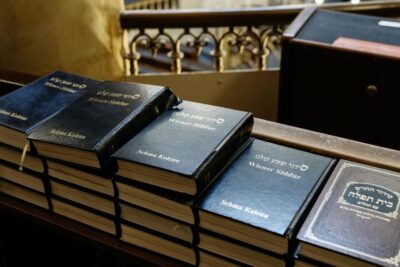 ★ 4.6Jewish Vienna: City Synagogue Guided TourFrom $23208 reviews
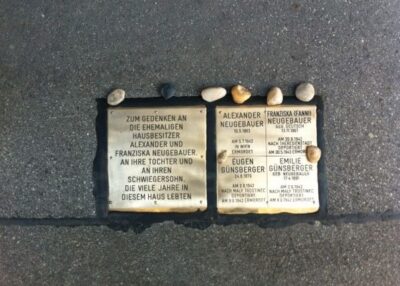 ★ 4.9Vienna: Jewish Life in Leopoldstadt 2-Hour Walking TourFrom $25109 reviews
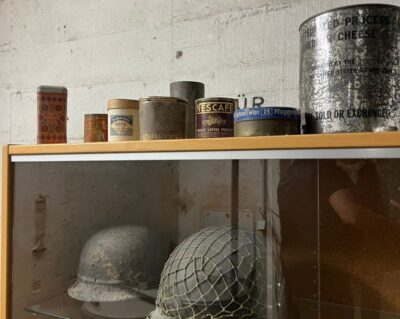 ★ 4.4Vienna: Underground WWII Bunker Ticket and Guided TourFrom $3579 reviews
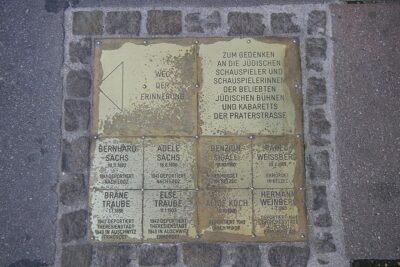 ★ 5.0Jewish Vienna Walking TourFrom $17936 reviews
 ★ 5.0Private Vienna Highlights History Walk — WWII and Post War ViennaFrom $34230 reviews
This tour also sits in