
REVIEW · WWII & JEWISH HISTORY TOURS
Vienna: World War II Historical Walking Tour
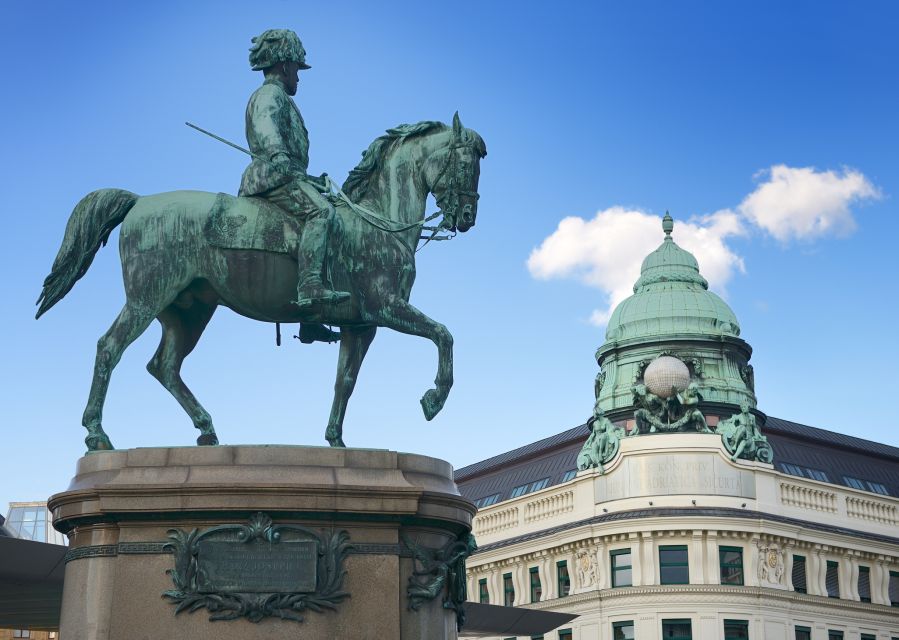
Vienna can look pretty on postcards, but this walk reads like a warning label. You start near the Albertina Museum and Vienna State Opera, then follow a guide’s storyline that connects politics, fear, and ideology to specific streets and sites.
Two things I like a lot: you get a human guide who can answer questions, and the route hits the kind of places you cannot learn from photos alone, including the synagogue that survived and a major Holocaust memorial. The only drawback to consider is the subject matter is heavy, so if you want a lighter, sightseeing-only day, this may feel like too much.
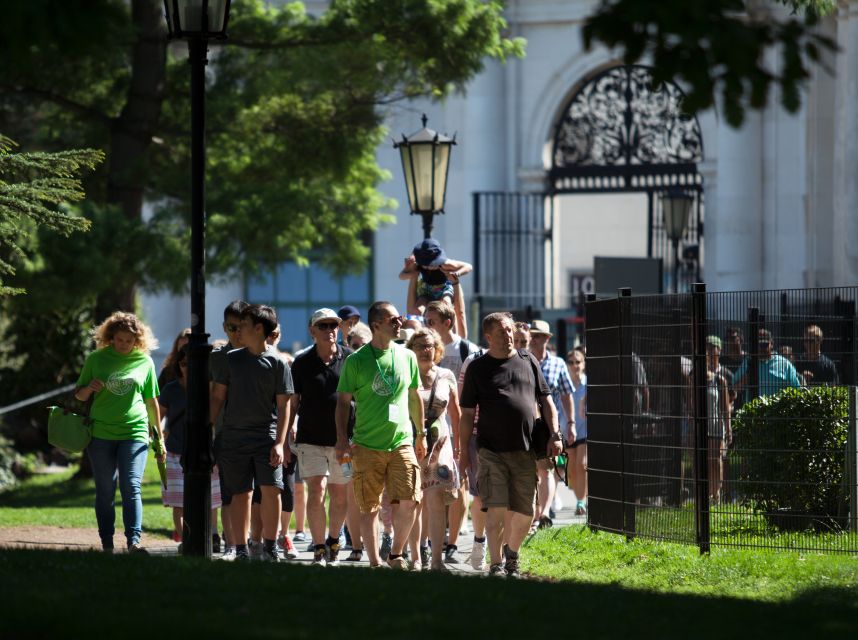
You’ll also notice the tour is built for hearing the story clearly while walking. Many groups use headsets, and the pacing includes pauses, but it is still a solid 2.5-hour walk through city streets.
In This Review
- Key things to know before you go
- Why This Vienna WWII Walk Starts at the Albertina and Opera
- Hitler in Vienna: From Art Student to Political Gravity
- WWII Damage You Can Still See, After 100,000 Bombs
- Jews in Vienna, Fear, and the One Synagogue That Survived
- Holocaust Memorial Stops That Hit, Then Explain
- The Divided City Angle: How the Allies Shared Vienna’s Order
- What the 2.5 Hours Feels Like, Walking Distance, Breaks, and Headsets
- Price and Value for a 150-Minute Live Guide Tour
- Who This Tour Is Best For, and Who Might Want Something Else
- Should You Book This Vienna World War II Tour?
- FAQ
- How long is the Vienna World War II historical walking tour?
- How much does the tour cost?
- Where do I meet the guide?
- What language is the tour in?
- What are the main highlights?
- Is this a walking tour?
- About how much walking should I expect?
- Are attraction entrances included?
- Does the tour include a live guide?
- What is the cancellation policy?
Key things to know before you go
- Starts at Albertina Museum and Opera area, easy to find at Karlsplatz/Oper
- Live English guide who tells the story in context, with real-time Q&A
- WWII bomb impacts and visible wartime scars are part of the narrative
- Stop at the only synagogue in Vienna that survived the Nazi regime
- Holocaust memorial visit focused on remembrance and explanation, not just photos
- Ends after showing postwar division, with a nearby metro stop rather than returning to the start
Related wartime and Jewish-heritage routes
- Vienna: World War II Historical Walking Tour
★ 4.8 · 1,772 reviews - Historical Hitler Walking Tour of Vienna
★ 5.0 · 887 reviews - Vienna: Day Trip to Mauthausen Concentration Camp Memorial
★ 4.6 · 303 reviews - Jewish Vienna: City Synagogue Guided Tour
★ 4.6 · 208 reviews
Why This Vienna WWII Walk Starts at the Albertina and Opera
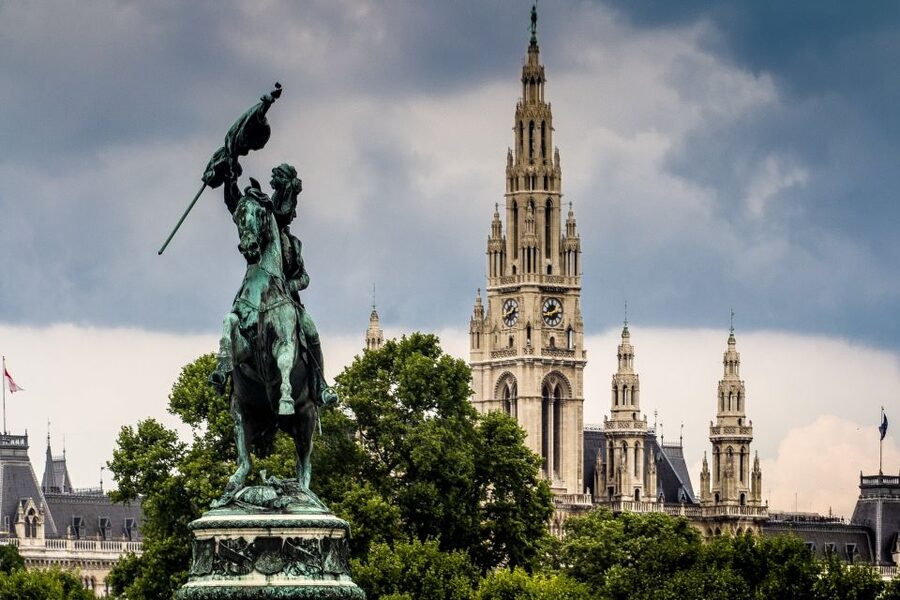
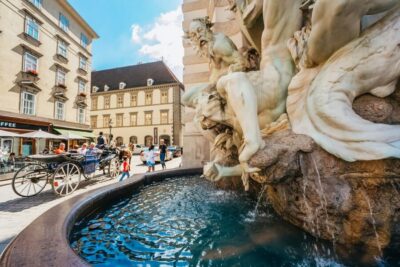
The meeting point is practical and central: look for the green umbrella in front of Albrechtsbrunnen, downstairs at the Albertina Museum, next to the Vienna State Opera (Karlsplatz/Oper). That’s a smart choice because it puts you in the middle of Vienna’s “normal” face first, then you watch that normal become unsettling as the tour moves into WWII and Holocaust territory.
There is also a local rhythm to the start. This is Vienna, so even on a dark theme, the streets around you feel lived-in. You’re not stuck inside a museum lecture. You’re standing where public life happens, and then the guide shows how ideology and social stress can spread through ordinary places.
A good part of the value here is timing. At 150 minutes, you get enough time to make connections, not just check off a few stops. And because it’s a walking tour with a live guide, you can ask the questions that come up as you process what you’re seeing.
Hitler in Vienna: From Art Student to Political Gravity
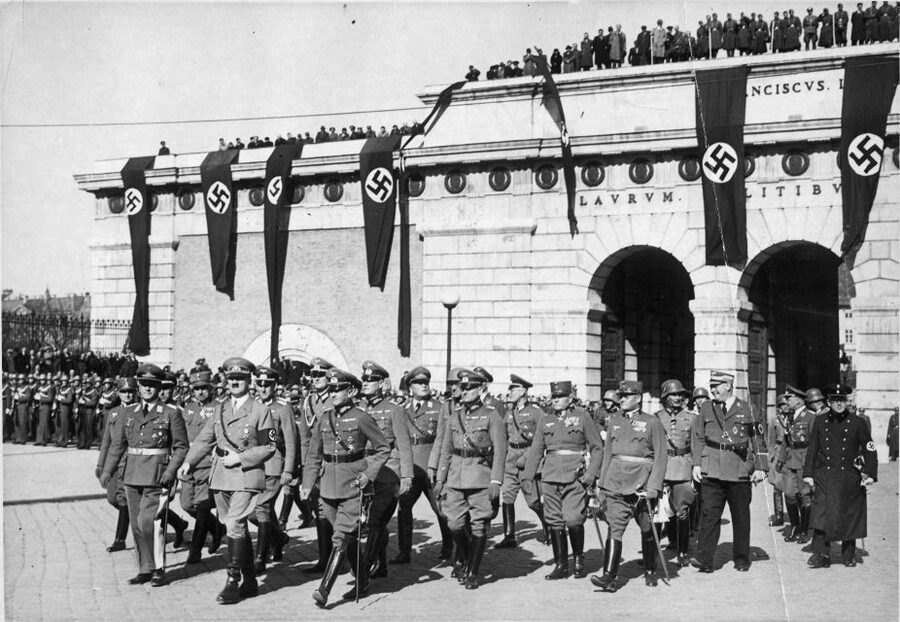
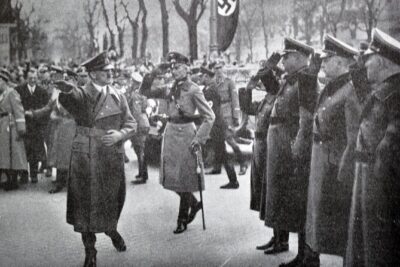
This tour’s backbone is the idea that history is not random. Your guide walks you through the social and political climate of Vienna and explains how it shaped a young Adolf Hitler’s thinking, especially in his early years.
What makes this section work in real life is the city setting. Vienna was a place where culture, class tension, political anxiety, and scapegoating all existed side by side. You do not just hear that the Nazis rose. You hear why conditions in a major European city could make dangerous ideas feel persuasive to someone searching for identity and belonging.
You’ll also get the long arc that explains the headline you already know, without turning it into a trivia quiz. The guide frames the route so you connect the dots between early ideology, later violence, and the way a community can fracture when fear grows loud.
If you’ve read some history before, this still helps because the city becomes the “text.” You can point to the surroundings and understand why a guide’s interpretation makes sense.
WWII Damage You Can Still See, After 100,000 Bombs
One of the most memorable parts of the tour is how the guide talks about the bombing campaign and the physical marks it left behind. The tour specifically addresses the impact of over 100,000 bombs on the city.
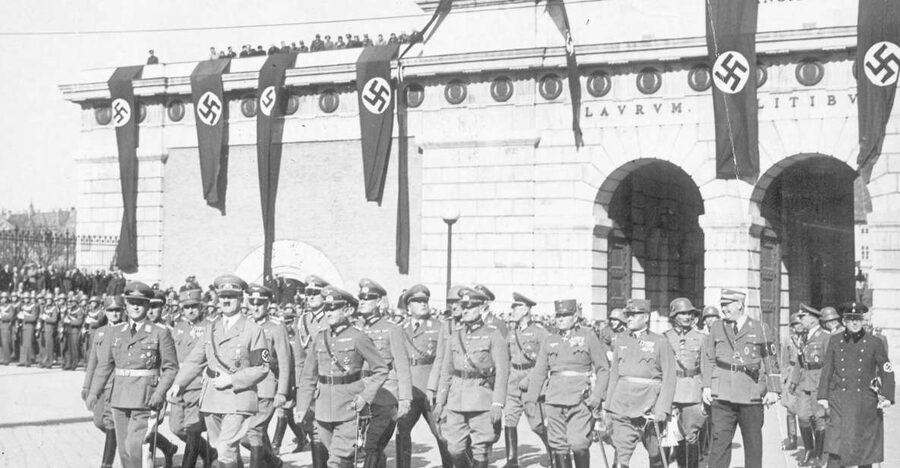
In practice, this is where the walk stops being academic. When you look at buildings, street plans, and the scars of destruction and repair, the story becomes less about dates and more about consequences. Bombing isn’t only a statistic. It changes daily life, family routines, public morale, and the way people decide whom to blame next.
This section also sets up the next theme. When a society is under pressure, it becomes easier for extremists to sell “order” and “solutions.” Your guide threads that connection without turning it into melodrama. It’s more like watching cause and effect unfold in slow motion.
There is also a sense of respect in how the tour handles this. You’re not treated to shock value. The focus is on what the damage meant, and how Vienna’s identity shifted under repeated fear.
Jews in Vienna, Fear, and the One Synagogue That Survived
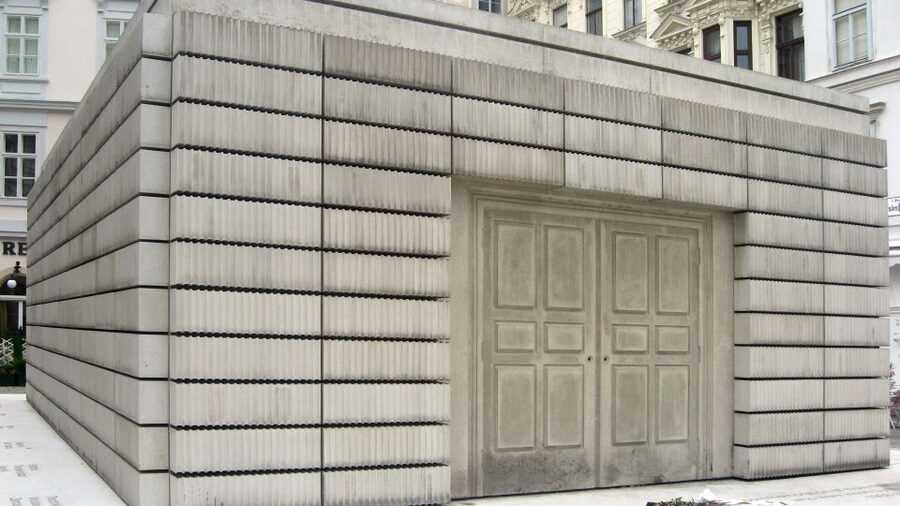
The tour then turns to the Jewish community in Vienna, including how ethnic rivalry and fear seized the city. This is not just a background section. It’s one of the tour’s main reasons to exist.
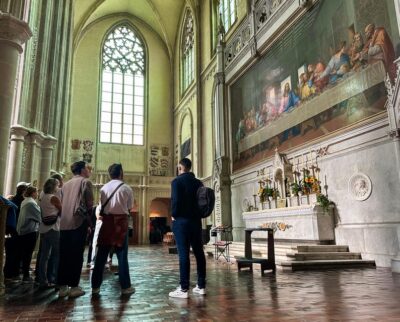
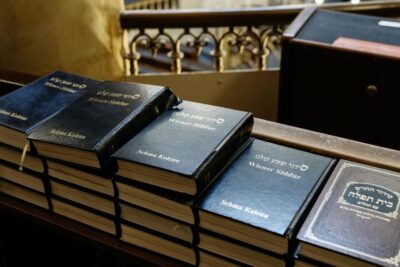
You visit the only synagogue that survived the Nazi regime. That stop matters because it’s survival in a place where so many other Jewish sites were destroyed or erased. The guide uses that location to explain what happened to the community, not only what happened on paper.
This is also where the tour feels balanced in a difficult way. The narrative acknowledges that Vienna’s story involved choices and complicity as well as occupation and violence. You’re shown how ordinary social tensions can become lethal when ideology is backed by state power.
If you care about authenticity, this stop is exactly the kind of place that makes you slow down. You’re standing where the city’s memory did not fully collapse.
Other Vienna write-ups filed under Austria
Holocaust Memorial Stops That Hit, Then Explain
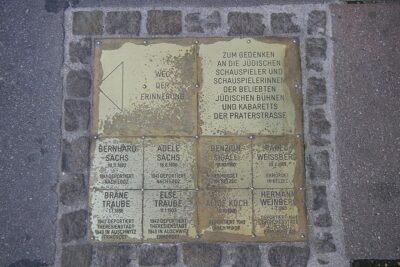
After the synagogue visit, you’ll see Vienna’s somber Holocaust memorial. The tone here is intentionally reflective. The guide’s job is not only to point out the memorial, but to help you understand what you’re looking at and why it matters.
A memorial can become a background detail if you rush. This tour avoids that by giving context first, then giving you time to absorb what’s in front of you. You should expect the guide to connect the memorial to the earlier parts of the story, especially the destruction of Jewish life in Vienna and the way fear and propaganda shaped the era.
I also like that the tour treats remembrance as something you do with your mind, not just your camera. If you want a stop that leads to understanding, this is it.
The Divided City Angle: How the Allies Shared Vienna’s Order
World War II doesn’t end when the fighting ends. Your guide brings you to the reality of a postwar Vienna that was divided after the war.
The tour highlights a striking fact: Vienna was the only city in the world where the Allied powers managed a zone together. That detail is a big deal because it shows the city as a negotiation space, not just a battlefield after-effect.
This part of the walk helps you understand why borders and governance matter so much for people’s daily lives. Division changes everything from movement to identity to who controls which streets. Vienna became a place where the shape of the future was still being decided on the ground.
Even if you already know the broad outline of postwar Europe, the guide’s explanation makes the division feel tangible, like you can sense it in the city layout.
What the 2.5 Hours Feels Like, Walking Distance, Breaks, and Headsets
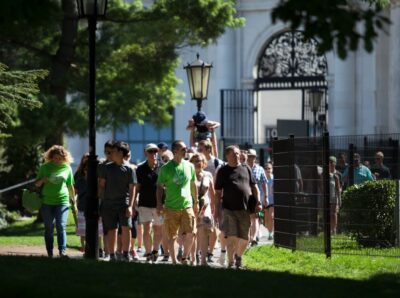
Yes, it’s a walking tour. No, it’s not a marathon. At least one participant noted the total distance is about 4 km in 2.5 hours, and the pacing includes breaks and places to sit.
Weather is also handled in a practical way. Guides build in warm pauses, and in rainy conditions, some groups even get indoor shelter opportunities. That matters in Vienna, where a cold wind can turn an otherwise easy walk into an early exit.
You’ll likely use audio headsets. Multiple guides are praised for clear communication, and people mention hearing the guide with an ear piece, which helps when your group spreads out on city sidewalks. The practical upside is huge: you don’t need to walk shoulder-to-shoulder to catch every word.
One more useful note for expectations: the tour does not necessarily end back at the starting point. It ends with a nearby metro stop, so you can keep moving without backtracking.
Price and Value for a 150-Minute Live Guide Tour
The price is $31 per person for 150 minutes. That’s the kind of pricing that usually signals value if you’re getting a real guide and multiple meaningful stops.
Here’s the value logic I see: you’re paying for a live English historian-style narrative tied to major WWII themes and key physical sites. You also visit high-impact locations like the surviving synagogue and the Holocaust memorial. The “cost per hour” is not the whole story. The real value is that a good guide turns locations into understanding.
What you should keep in mind: entrances to attractions are not included. That means if any stop has an entry ticket requirement, you’ll pay separately. The good news is that the core experience is a walking route with interpretation, so you should still get a lot without turning it into a ticket-heavy day.
Also, this is not a tour where you stand in one place for ages. The narrative moves along with you, and the route is designed to keep the story flowing.
Who This Tour Is Best For, and Who Might Want Something Else
This is a strong fit if you want WWII history through a Vienna lens. The tour is built around the early years of Adolf Hitler in Vienna, the bombing impact, the fate of the Jewish community, and the postwar division of the city. If those themes matter to you, you’ll feel like the route was designed for purpose.
You’ll also like it if you enjoy asking questions. Many participants highlight guides who encourage questions and can explain context clearly. Hearing the story explained in plain language, in a city setting, tends to work well even if you’re not a history scholar.
If you want carefree sightseeing, this is not that. The subject is emotionally heavy, and the memorial and Holocaust-related material are central. Consider it if your day can handle reflective, difficult content.
Should You Book This Vienna World War II Tour?
I think this is a very good book for the right traveler. If you’re curious about how a major European city like Vienna moved from political tension to dictatorship, mass violence, and then postwar division, this walking tour gives you a structured path through it.
Book it if you want:
- Major WWII and Holocaust memory sites tied to one coherent storyline
- A live English guide who can answer questions and keep the pacing moving
- A tour that helps you see Vienna as a place where history still shows up in streets and buildings
Skip it if you want a light, entertainment-first day. This one asks you to pay attention, and it asks you to feel the weight of what happened.
If you do book, come with comfortable shoes and a mind ready for reflection. Vienna will still look beautiful after the tour, but you’ll see the city differently, which is exactly the point.
FAQ
How long is the Vienna World War II historical walking tour?
The tour lasts 150 minutes (about 2.5 hours).
How much does the tour cost?
It costs $31 per person.
Where do I meet the guide?
Meet in front of Albrechtsbrunnen, the fountain downstairs at the Albertina Museum next to the Opera House. Look for the green umbrella. (Subway stop: Karlsplatz/Oper.)
What language is the tour in?
The tour is conducted in English.
What are the main highlights?
The tour includes stops at the synagogue that survived the Nazi regime, Vienna’s Holocaust memorial, and areas that reflect WWII scars and the postwar divided city.
Is this a walking tour?
Yes, it is a guided walking tour.
About how much walking should I expect?
One review mentions about 4 km over the 2.5 hours, plus breaks.
Are attraction entrances included?
No, entrances to attractions are not included.
Does the tour include a live guide?
Yes, it includes a live guide.
What is the cancellation policy?
You can cancel up to 24 hours in advance for a full refund.
Tours: Rest of the Austria File
- Vienna: Schönbrunn Palace & Gardens Skip-the-Line Tour
★ 4.7 · 7,739 reviews - Vienna Spanish Riding School Guided Tour
★ 4.7 · 6,765 reviews - Vienna: Skip-the-Line Sisi Museum, Hofburg and Gardens Tour
★ 4.8 · 5,918 reviews - Vienna: Skip-the-Line Schönbrunn Palace & Gardens Tour
★ 4.8 · 5,411 reviews
Tour Reviews: Rest of the Austria File
- Vienna: Vivaldi’s Four Seasons Concert in Karlskirche
★ 4.7 · 14,951 reviews - Vienna: Schönbrunn Palace & Gardens Skip-the-Line Tour
★ 4.7 · 7,739 reviews - Vienna: Light of Creation Votive Church Immersive Light Show
★ 4.8 · 6,779 reviews - Vienna Spanish Riding School Guided Tour
★ 4.7 · 6,765 reviews
Wartime and Jewish-Heritage Routes
- Historical Hitler Walking Tour of Vienna
★ 5.0 · 887 reviews - Vienna: Day Trip to Mauthausen Concentration Camp Memorial
★ 4.6 · 303 reviews - Jewish Vienna: City Synagogue Guided Tour
★ 4.6 · 208 reviews - Vienna: Jewish Museum Vienna and Museum Judenplatz Tickets
★ 4.5 · 170 reviews
Newest Vienna write-ups on file
- Vienna: Private Walking Tour to The Hofburg & Graben Street★ 5.0 · 3 reviews
- Vienna: Private tour Mauthausen and Linz★ 4.1 · 3 reviews
- Vienna Private Full Day Tour – Tickets to Schönbrunn & Lunch★ 5.0 · 3 reviews
- Vienna: Johann Strauss 200th birthday anniversary exhibition★ 4.7 · 3 reviews
- Vienna: Full-Day Vienna Woods Wine Tasting Tour★ 5.0 · 3 reviews
- Vienna: Festive Season and New Year’s Eve Waltz Workshop★ 5.0 · 3 reviews
WWII & Jewish History Tours, compared.
 ★ 5.0Historical Hitler Walking Tour of ViennaFrom $32887 reviews
 ★ 4.6Vienna: Day Trip to Mauthausen Concentration Camp MemorialFrom $174303 reviews
 ★ 4.6Jewish Vienna: City Synagogue Guided TourFrom $23208 reviews
 ★ 4.5Vienna: Jewish Museum Vienna and Museum Judenplatz TicketsFrom $17170 reviews
 ★ 4.9Vienna: Jewish Life in Leopoldstadt 2-Hour Walking TourFrom $25109 reviews
 ★ 4.4Vienna: Underground WWII Bunker Ticket and Guided TourFrom $3579 reviews
 ★ 5.0Jewish Vienna Walking TourFrom $17936 reviews
 ★ 5.0Private Vienna Highlights History Walk — WWII and Post War ViennaFrom $34230 reviews
This tour also sits in