
REVIEW · WALKING TOURS
Salzburg Introduction Walking Tour
Old Salzburg makes more sense on foot. This is a historian-led walking tour that turns the UNESCO-listed center into a story you can actually follow, and I especially like how it threads Mozart and music heritage through the streets and squares. You’re not just looking at postcard buildings, you’re learning what shaped daily life here.
I do want to flag one consideration up front: the price is not budget-friendly, and you’ll also need to plan on buying the Mozart residence admission ticket separately if you want to go inside. If you’re expecting a cheap highlights walk, this may feel like the wrong match.
The payoff is that the whole experience is short and focused, 150 minutes, with an English-speaking live guide. You’ll cover major landmarks tied to Salzburg’s architecture, local customs, salt commerce, and even medical innovation, all while walking a smart loop through the old town.
In This Review
- Key things that make this tour worth your time
- Salzburg old town, explained one square at a time
- Meet your guide, then let them do the heavy lifting
- The 150-minute itinerary, stop by stop
- Mirabellgarten: a visual breather with big-picture links
- Mozart Geburtshaus: the music thread becomes personal
- Alter Markt: a square that helps you feel local rhythm
- Residenzplatz, Salzburg: where authority shows itself
- Domplatz: big architectural mood, with guided clarity
- St Peter’s Abbey: a quieter stop that still carries meaning
- How the tour ties Salzburg’s bigger themes together
- Price and value: what you’re paying for, and what’s extra
- Who this Salzburg walking tour is best for
- Practical tips for your 2.5-hour walk
- Should you book this Salzburg Introduction Walking Tour?
- FAQ
- How long is the Salzburg Introduction Walking Tour?
- Where does the tour meet?
- Is the tour guided in English?
- What is included in the tour price?
- Is admission to Mozart’s residence included?
- Are private or small groups available?
- Who leads the tour?
- Can I cancel for a full refund?
Key things that make this tour worth your time
- A true historian-led approach, guided by academics and published authors (professors, doctoral students, historians, journalists, art critics)
- Mozart and music woven into the city, not stuck in one single stop
- Gothic and Baroque architecture in context, so the buildings feel meaningful, not random
- A walk through Salzburg’s main squares and institutions, from Residenzplatz to Domplatz
- A tight 150-minute format that helps you get oriented fast without rushing every detail
Other Salzburg write-ups filed under Austria
- Salzburg 2.5-Hour Walking Tour: Mozart, Old Town & More
★ 4.2 · 987 reviews - Salzburg: Old Town, Mozart, & Mirabell Gardens Walking Tour
★ 4.8 · 461 reviews - Salzburg Oldtown: Sightseeing Walking Tour with Licensed Local Guide
★ 5.0 · 392 reviews - Salzburg Old Town Walking Tour, Mozart, Mirabell Gardens
★ 4.5 · 201 reviews
Salzburg old town, explained one square at a time
Salzburg has a way of looking effortless from a distance, then getting complicated the closer you get. This tour helps you get the “why” behind the “wow,” because you’re guided through the city center with a narrative you can hold in your head as you walk. And because the historic core has been on the UNESCO World Heritage List since 1997, you’re in the kind of place where the street layout, buildings, and traditions all matter.
The best thing about doing it this way is how quickly you learn to read the city. After a short walk like this, you stop seeing separate sights and start noticing patterns: where power showed itself, where culture lived, and how everyday life worked around major institutions.
Meet your guide, then let them do the heavy lifting
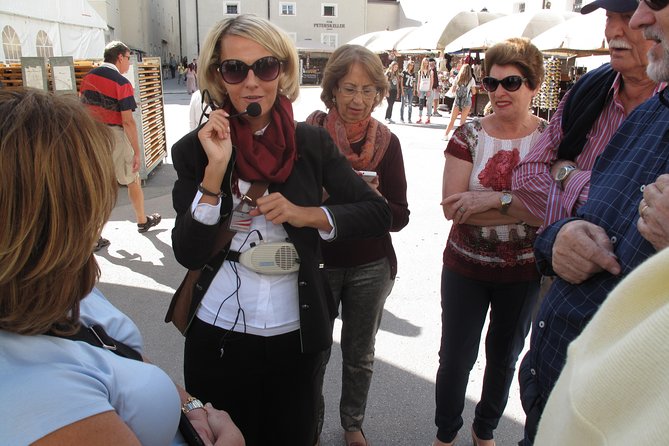
This isn’t a scripted “point and photograph” tour. Your guide comes from a serious mix of backgrounds, including professors, doctoral students, historians, journalists, art critics, and published authors. That matters because you’ll get explanations with reasoning behind them, not just dates and names.
You’ll also have a live English guide, and the format supports private or small groups. Smaller groups are useful in old towns like Salzburg because you’re less stuck behind a crowd, and questions actually fit into the flow of the walk. If you like asking follow-ups, this structure gives you room to do it.
One detail I like: the tour is described as a guided walk through key historical center locations, so you’re not scrambling to figure out what’s worth your time. Instead, you get a curator in human form who helps you connect the dots as you go.
The 150-minute itinerary, stop by stop
You’ll start at Linzergasse 39, outside Coffeehouse Salzburg. From there, the route moves through major parts of the old city, with guided stops designed to keep the pace lively and the explanations on target.
Mirabellgarten: a visual breather with big-picture links
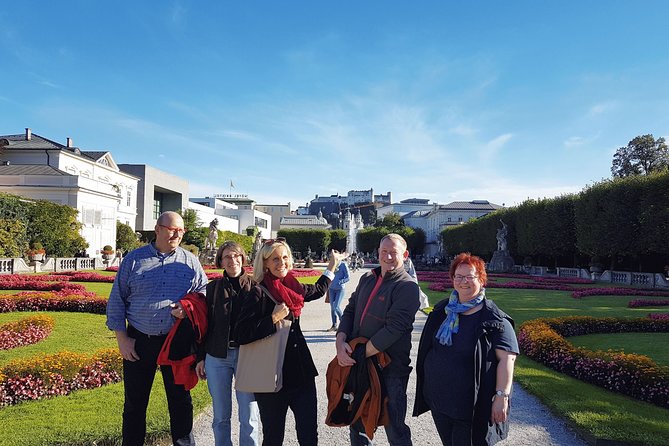
Your first guided stop is Mirabellgarten. Think of this as where the tour sets the tone. Even before you reach the Mozart-focused sites, your guide gives context so the next buildings and squares don’t feel like isolated highlights.
What you’ll get from this stop is orientation. Mirabellgarten helps you understand how Salzburg balances elegance and tradition, and how the city’s cultural identity shows up in spaces that locals and visitors both use. If the day before you were only snapping photos, this part helps you slow down just enough to start noticing details.

Mozart Geburtshaus: the music thread becomes personal
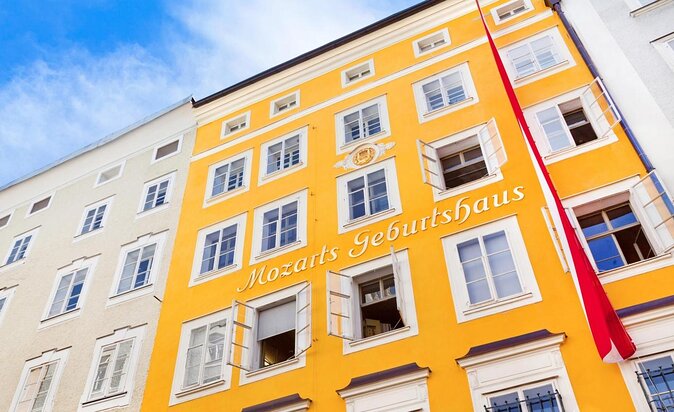
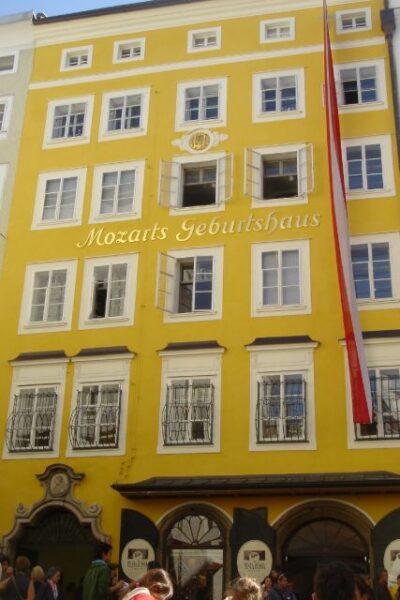
Next comes Mozart Geburtshaus. This is where Salzburg’s most famous name stops being an abstract idea and becomes a real location you can stand in front of. The tour frames Mozart’s significance as more than celebrity, linking the city’s musical heritage to the places you’re walking past.
Here’s what I like about the way this stop is handled: it doesn’t treat Mozart as a one-stop checkbox. Your guide uses the building as a springboard to talk about Salzburg’s broader music culture, so you understand why the city keeps returning to composition and performance as part of its identity.
Drawback to consider: the Mozart residence admission ticket is not included. So you can enjoy the guided view and explanation, but if you want to go inside, plan for an extra ticket purchase.
Alter Markt: a square that helps you feel local rhythm
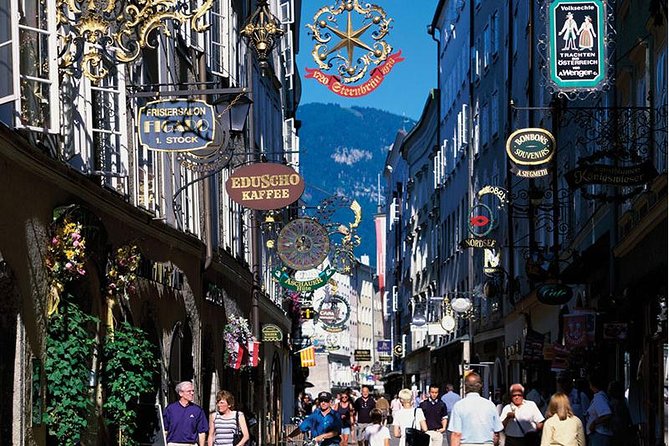
Then you’ll move to Alter Markt. This is one of the stops that makes the tour feel like a walk through real city life instead of a museum route. Squares like this are where Salzburg’s layers show up as you watch how people move, pause, shop, and gather.
Your guide uses these public spaces to explain local customs and historical meaning. Even if you don’t speak German, the way your guide connects the social habits of earlier centuries to what you see today helps the city feel inhabited, not frozen in time.
Residenzplatz, Salzburg: where authority shows itself
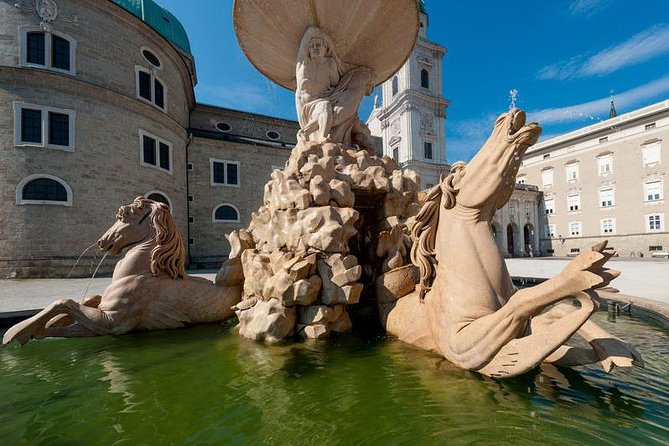
After Alter Markt, the route takes you to Residenzplatz. This stop leans into the city’s political and cultural weight through its architecture and placement in the center.
This is also where the Gothic and Baroque elements start feeling like a story rather than a style label. As you stand in a major square, you can understand why buildings and facades were designed to impress, and how those choices fit the city’s identity. If you’re the type who likes to connect art and power, you’ll appreciate this part.
Domplatz: big architectural mood, with guided clarity
Next is Domplatz. This is one of the “look up and notice” stops. The guide’s role here is key because it’s easy to get overwhelmed by the sheer visual impact of Salzburg’s center.
What you’ll take away is a clearer sense of how architectural styles changed over time and what they communicated. Since the tour highlights Salzburg’s Gothic and Baroque architecture, Domplatz is the sort of stop where those themes become easier to spot yourself once your guide points them out.
St Peter’s Abbey: a quieter stop that still carries meaning
Finally, you’ll reach St Peter’s Abbey. Abbey stops are a nice change of pace in a walking tour, because you shift from big public squares to a place associated with spiritual and institutional history.
Your guide uses this location to round out the story of Salzburg’s heritage. If you’ve been thinking the tour is only about Mozart and scenery, this is where the broader Salzburg themes land more strongly. It also helps you see how Salzburg’s cultural identity includes religion, learning, and long-term tradition alongside music and entertainment.
How the tour ties Salzburg’s bigger themes together
Salzburg is famous for Mozart, yes, but the city’s story is bigger than one musical figure. This walking tour focuses on that whole picture, and it’s where the historian-led format earns its keep.
You’ll hear connections to:
- Medieval salt commerce, which shaped wealth and trade routes
- Medical innovations, which adds a surprising layer beyond art and performance
- Musical heritage, anchored by Mozart but expanded to the city’s wider musical identity
- The way Salzburg connects to the world via The Sound of Music, which helps you understand why the city is so recognizable to outsiders
- How the city’s Gothic and Baroque architecture reflects changing tastes and eras
Why that matters for you: if you only visit one museum or one famous birthplace, Salzburg can start to feel like a collection of pretty things. With this route, you get a framework. Then, when you wander afterward on your own, you know what to notice and what to ignore.
Price and value: what you’re paying for, and what’s extra
At $176 per person for 150 minutes, this is firmly in the “experiences with experts” category. The value comes from two things: you’re getting a 2.5-hour guided walk through the historic center, and the guide is drawn from an academic and publishing-heavy pool.
Where the cost can feel less satisfying is if you only want the simplest sights and don’t care about historical context. One caution from the same kind of feedback pattern: not every session will feel equally specialized to everyone, even if the tour is designed for expert-led storytelling.
Also, the Mozart residence admission ticket is not included. So if you plan to do inside viewing at Mozart Geburtshaus, budget for that additional expense. If you’re fine staying outside and learning from the guide, you may find the tour cost feels more reasonable.
My practical advice: treat this as a “get oriented and understand the city” purchase, then use your remaining time in Salzburg to go deeper where you personally care most.
Who this Salzburg walking tour is best for
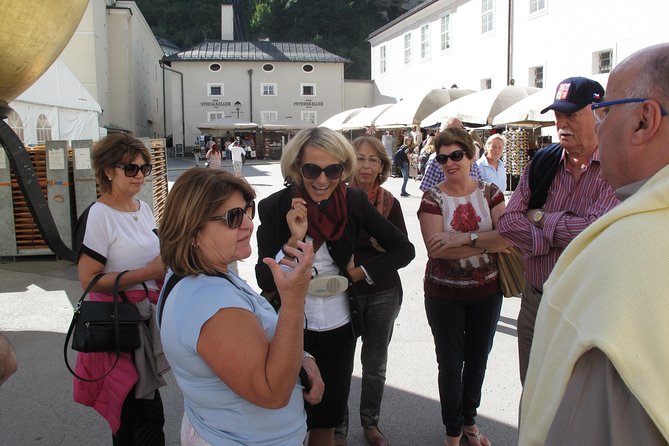
This tour is a strong fit if you want:
- A fast introduction to old town Salzburg without planning a route yourself
- Architecture and music explained in plain language
- A guide who can handle questions and connect topics, not just lead you from one photo spot to another
It’s also a good option if you’re traveling with mixed ages. In the feedback I saw, the format works for both younger and older visitors because the pace and stop selection keep things moving, while the explanations give depth.
If you hate walking, this might not be your choice. It’s 150 minutes on foot through central areas, so comfortable shoes are not optional. But if you’re good for a half-day stroll, you’ll get a lot of value from this tight, organized route.
Practical tips for your 2.5-hour walk
- Wear comfortable walking shoes, because you’re covering multiple stops in a short time.
- Bring a light layer, because Salzburg weather can shift, and you’ll be outside for the full experience.
- Arrive a few minutes early at outside Coffeehouse Salzburg, Linzergasse 39, so you’re not stressed when the group forms.
- If you want to see inside the Mozart residence, decide ahead of time so the one separate ticket doesn’t catch you off guard later.
A small strategy that helps: after each guided stop, take 10 seconds to look at the building again without listening. It sounds silly, but it locks in what your guide pointed out.
Should you book this Salzburg Introduction Walking Tour?
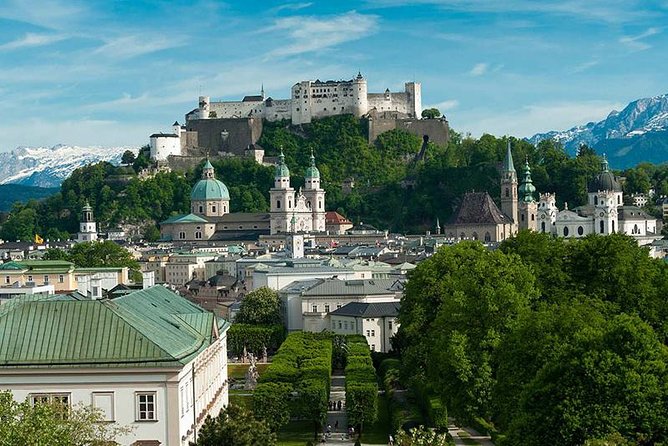
If you want a serious but friendly introduction to Salzburg, I think you should book it. The combination of historian-led storytelling, major old town stops, and a clear focus on Mozart, architecture, and local traditions is exactly what helps many first-time visitors understand the city quickly.
I would not book it if you’re only chasing the fastest photo stops, or if you already know Salzburg history well and you’re looking for something more specialized. And remember, you may still want the Mozart residence admission ticket separately if going inside is part of your plan.
If you’re trying to choose between wandering aimlessly and buying one solid orientation experience, this is the safer bet. You’ll leave with a clearer map in your head, and Salzburg will feel less like scenery and more like a place with explanations behind it.
FAQ
How long is the Salzburg Introduction Walking Tour?
It lasts 150 minutes, which is about 2.5 hours.
Where does the tour meet?
The meeting point is outside Coffeehouse Salzburg at Linzergasse 39.
Is the tour guided in English?
Yes, the live tour guide speaks English.
What is included in the tour price?
You get a 2.5-hour walk through Salzburg’s historical center with an expert historian guide.
Is admission to Mozart’s residence included?
No. The Mozart residence admission ticket is not included.
Are private or small groups available?
Yes, private or small groups are available.
Who leads the tour?
Guides are professors, doctoral students, historians, journalists, art critics, and published authors.
Can I cancel for a full refund?
Yes. You can cancel up to 24 hours in advance for a full refund.
Walking Tours: Rest of the Austria File
- Salzburg 2.5-Hour Walking Tour: Mozart, Old Town & More
★ 4.2 · 987 reviews - Salzburg: Old Town, Mozart, & Mirabell Gardens Walking Tour
★ 4.8 · 461 reviews - Salzburg Oldtown: Sightseeing Walking Tour with Licensed Local Guide
★ 5.0 · 392 reviews - Salzburg Old Town Walking Tour, Mozart, Mirabell Gardens
★ 4.5 · 201 reviews
Tours: Rest of the Austria File
- The Original Sound of Music Tour in Salzburg
★ 4.5 · 6,129 reviews - Salzburg: Original Sound of Music Tour
★ 4.8 · 5,059 reviews - From Salzburg: Half-Day Tour to Hallstatt
★ 4.6 · 3,596 reviews - Salzburg: Amphibious Splash Tour on Land & on Water
★ 4.7 · 1,097 reviews
Tour Reviews: Rest of the Austria File
- The Original Sound of Music Tour in Salzburg
★ 4.5 · 6,129 reviews - Salzburg: Original Sound of Music Tour
★ 4.8 · 5,059 reviews - From Salzburg: Half-Day Tour to Hallstatt
★ 4.6 · 3,596 reviews - Salzburg: Mozart Concert at Mirabell Palace
★ 4.8 · 3,498 reviews
Newest Salzburg write-ups on file
- Zell am See Alpine Village Private Day Trip from Salzburg★ 5.0 · 3 reviews
- Private Austrian Food Tasting Tour in Salzburg’s Old Town★ 4.5 · 3 reviews
- Salzburg to Vienna, Private Transfer, 2h of Sightseeing, Local Driver, English★ 5.0 · 3 reviews
- Private Customized Salzburg City and Country Tour★ 5.0 · 3 reviews
- Private Transfer from Salzburg to Vienna: Door-to-door, English-speaking driver★ 4.5 · 3 reviews
- Private Tour: Discover Salzburg and the Stunning Lake District★ 5.0 · 3 reviews
Walking Tours, compared.
 ★ 4.7Vienna: Guided Walking Tour of City Center HighlightsFrom $254,989 reviews
 ★ 4.8Vienna: Vienna Central Cemetery Guided Walking TourFrom $3353,307 reviews
 ★ 4.9Vienna: Guided Walking Tour of City Highlights & Hidden GemsFrom $272,180 reviews
 ★ 4.7Vienna: Viennese Underworld Guided Walking TourFrom $371,865 reviews
 ★ 4.8Vienna: World War II Historical Walking TourFrom $311,772 reviews
 ★ 5.0Vienna Historic Center Small Group Walking TourFrom $721,746 reviews
 ★ 4.6Vienna: Private Walking Tour with a Local GuideFrom $551,420 reviews
 ★ 4.9Vienna: 1.5-Hour Underground Walking TourFrom $321,146 reviews
This tour also sits in