
REVIEW · HISTORICAL TOURS
Exciting history tour and discovery of Vienna’s secrets
Vienna can feel like it has a back door. This tour runs you through the big-name sights and the quieter stories behind them, with a friendly private guide and entrance fees handled. I especially like how the route ties together music, monarchy, and architecture instead of treating each stop like a separate postcard. One thing to consider: it’s a lot of walking and sight-hopping, so you’ll want comfortable shoes and a good weather window.
The format is also refreshingly human. You’re not stuck with headsets and a crowd shuffle, you can ask questions and keep the pace personal, which is exactly what makes the city feel less like a museum and more like a living place. In past tours, guides such as Walter and David were praised for being warm and genuinely into what makes Austria tick.
A possible drawback is simple: you’re hitting many stops, and each one is relatively short. If you prefer slow, long stays inside churches, palaces, and gardens, you might want to plan extra independent time, especially at Hofburg, Belvedere, or Schönbrunn.
In This Review
- Key highlights to look for on this Vienna secrets tour
- A Vienna walking tour that mixes composers, palaces, and church towers
- Meeting at Graben 32, and what “private” changes in your day
- Stephansdom: medieval frescoes, Gothic sides, and the tower story
- Mozarthaus Vienna: a composer route that makes the names feel real
- Spanish Riding School: baroque stables, Lipizzaners, and old town baroque streets
- Hofburg Palace: Richard stories, Sisi’s wedding church, and the National Library
- Ringstrasse: big institutions, formal facades, and Vienna’s political rhythm
- Schottenstift and the Scottish convent courtyard
- Volksgarten rose garden: monuments, Empress Elisabeth, and a calm break
- The Greek Orthodox Cathedral: oriental architecture in Vienna
- Belvedere gardens and Prince Eugene views, plus a Klimt moment
- Schönbrunn Gardens and the Gloriette viewpoint
- Price and entrance-fee value for your time
- Who should book this tour, and who should plan alternatives
- Should you book this Vienna secrets tour?
- FAQ
- How long is the Vienna tour?
- Is pickup offered?
- What language is the tour in?
- Are entrance tickets included?
- Is this tour private?
- Where does the tour start?
- Is coffee or tea included?
- Is the tour suitable for everyone?
Key highlights to look for on this Vienna secrets tour
- Private guide for your group, so you can ask questions without waiting your turn
- Entrance tickets are included for most major stops, saving time and money
- Classical music route through the lives of Mozart, Beethoven, Brahms, and Schubert
- Spanish Riding School visit with the Lipizzaners in the stables
- Imperial Vienna in one sweep, from Hofburg rooms to Ringstrasse architecture
Other Vienna write-ups filed under Austria
- Vienna: Time Travel and Magic Vienna History Tour
★ 4.6 · 3,879 reviews - Vienna: World War II Historical Walking Tour
★ 4.8 · 1,772 reviews - Vienna Historic Center Small Group Walking Tour
★ 5.0 · 1,746 reviews - Time Travel-Magic Vienna History Tour Ticket
★ 4.5 · 1,099 reviews
A Vienna walking tour that mixes composers, palaces, and church towers
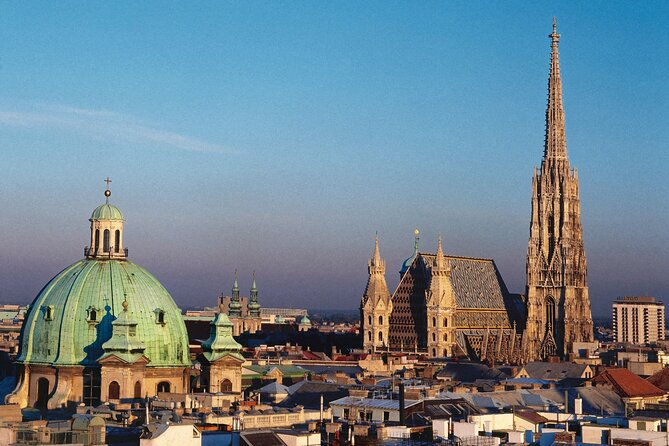
This is the kind of tour that helps you connect dots in Vienna. You start with iconic sights like Stephansdom and the Hofburg, then the route turns into a practical timeline of how Vienna became the city of emperors and composers. Instead of just pointing at buildings, your guide explains what was happening around them and why the details matter.
What makes it feel worthwhile is the mix. You get Gothic and baroque church storytelling, imperial power at Hofburg, grand government-era buildings along Ringstrasse, and classical music landmarks in the Mozart orbit. It’s also paced to keep you moving, so even on a first visit you should feel like you’re learning the city rather than simply checking boxes.
Meeting at Graben 32, and what “private” changes in your day
You meet at Graben 32, 1010 Wien, and the tour ends back at the same point. Pickup is offered, but private transportation isn’t included, so plan on walking as the main engine of the day.
Because it’s a private tour/activity, only your group participates. That matters more than you might think. Short stops work better when you can ask a quick question, get a clear answer, and keep going, instead of losing time to group management. It also makes the tour feel more conversational, which multiple guide experiences have been praised for.
The total duration is listed as 2 to 8 hours, and it includes travel time. That range likely means the exact timing flexes with your pace and which stops you emphasize. If you like structure, you’ll appreciate the clear sequence; if you like freedom, you can ask your guide what to prioritize.
Stephansdom: medieval frescoes, Gothic sides, and the tower story
Stephansdom is where Vienna flexes its medieval muscle. Your visit includes time to see the ancient back of the cathedral, plus the Gothic south side and explanations around the tallest tower in the Middle Ages. That exterior focus is a good trick, because many people only ever photograph the front.
Inside, you’ll also get pointed attention: medieval and baroque frescoes, and a walkthrough of the cathedral interior with explanations that keep it from feeling like a checklist. It’s a quick stop, so you won’t have time to wander endlessly, but the guidance helps you notice the important visual cues faster.
Practical note: it’s a church, so expect modest behavior and the usual attention to dress and noise level. With a guide, you’ll get more out of the visit in less time, but you should still treat it as a place of worship.
Mozarthaus Vienna: a composer route that makes the names feel real
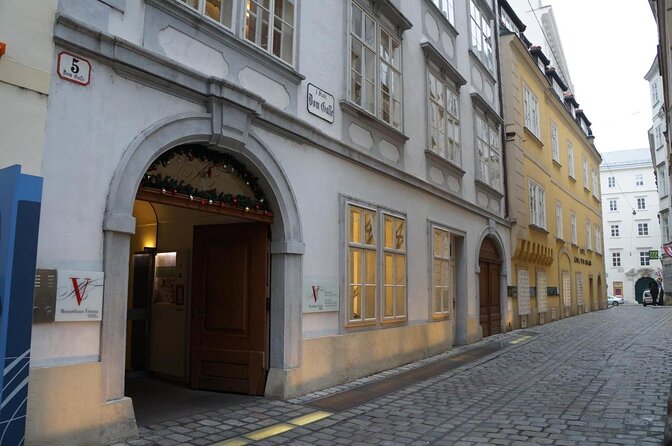
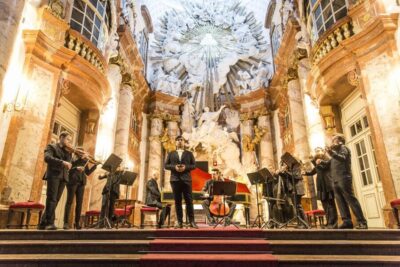
The Mozart House area can be easy to treat like a single highlight. This tour turns it into a whole classical music map. You’ll be guided through the capital of classical music and the major composers tied to Vienna, including Mozart and Beethoven, and also references to Brahms and Schubert.
You also connect the dots to performance spaces. The stop description points toward the State Opera and key concert halls, so you’re not only learning about composers, you’re learning where the city performed and celebrated them. That context is valuable because it explains why Vienna’s music scene became a center of gravity, not just a set of famous names.
At only about 10 minutes, this isn’t a deep museum session. Think of it as a focused orientation, giving you enough grounding to enjoy what you see later, whether you return to one site or explore other concert venues on your own.
Spanish Riding School: baroque stables, Lipizzaners, and old town baroque streets
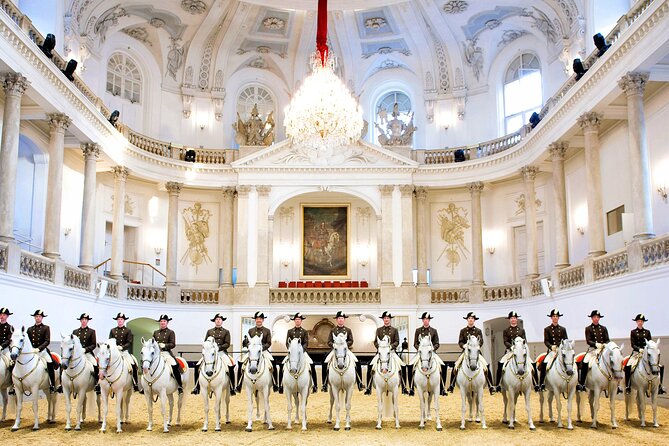
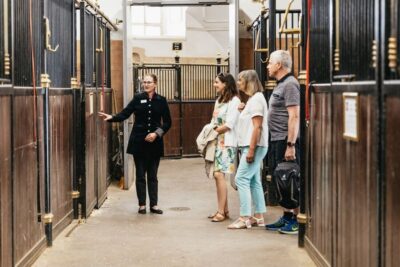
This stop is built around the Spanish Riding School and its Lipizzaners, with time to see the baroque riding school area and visit the white stallions in their stables. You’ll also watch a film about the baroque riding arena, which helps you understand what you’re looking at even if you’re not catching a full performance.
A standout detail is that it’s tied to UNESCO World Heritage status. Your guide should be able to explain what that means in plain terms, and why the riding school remains such a symbolic institution. The value here is access with context, not just a quick peek.
Then you transition into the old town with a walk through baroque streets and original shop displays from the monarchy. The route also includes time for baroque churches, which works well with the Riding School theme because the aesthetics overlap. If you’re into art and architecture, you’ll get more than you expected from a short stop.
Hofburg Palace: Richard stories, Sisi’s wedding church, and the National Library
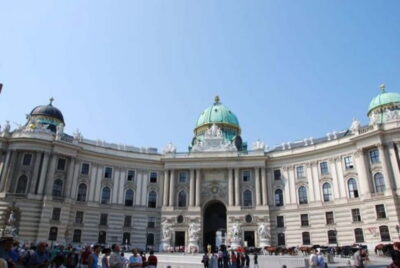
Hofburg is where Vienna’s imperial center becomes physical. You start at Heroes’ Square with equestrian monuments, then move into the palace courtyard to see a medieval castle vibe inside a larger palace complex. Your guide also brings in the story about King Richard the Lionheart and his imprisonment in Austria, which adds narrative fuel to the stone.
Then comes one of the best parts of any Hofburg visit, because you get multiple angles. You’ll see the palace from the beautiful side at Michaelerplatz and also view the first modern building in the world, plus you get time for the National Library, described as exceptionally beautiful.
You also visit spaces tied to Empress Sisi. The plan includes the church where she got married and the heart of the imperial family, which should make this stop more emotional than usual. After that, you visit the Albertina and the palace gardens, giving you a mix of art culture and royal landscape without spending the whole day in one room.
A caution: 30 minutes here goes fast. You’ll get major highlights and useful context, but if you’re the type who loves reading every label and lingering in galleries, plan extra time on a separate visit.
Ringstrasse: big institutions, formal facades, and Vienna’s political rhythm
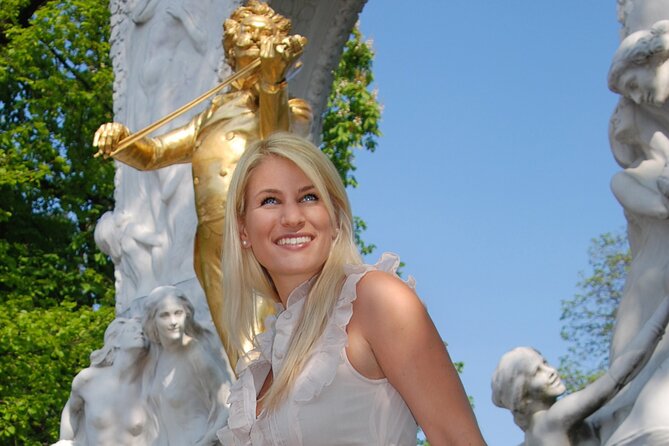
Ringstrasse is Vienna’s grand, ceremonial loop. You walk along the Ring Street and look at the magnificent buildings that line it, including museums, cathedrals, parliament, town hall, university buildings, gardens, and palaces. This is where Vienna’s identity shifts into a more modern civic style after the earlier imperial layers.
Your guide’s job here is to help you read the architecture. When the tour is done well, you start seeing how style and power connect. If you’ve ever felt overwhelmed by Vienna’s grand buildings, this is the segment that helps you get your bearings fast.
Because the stop is about 20 minutes, your focus should be on the main silhouettes and landmark facades. Use the walk to learn what each building is and why it matters, then come back later if you want to go inside.
Schottenstift and the Scottish convent courtyard
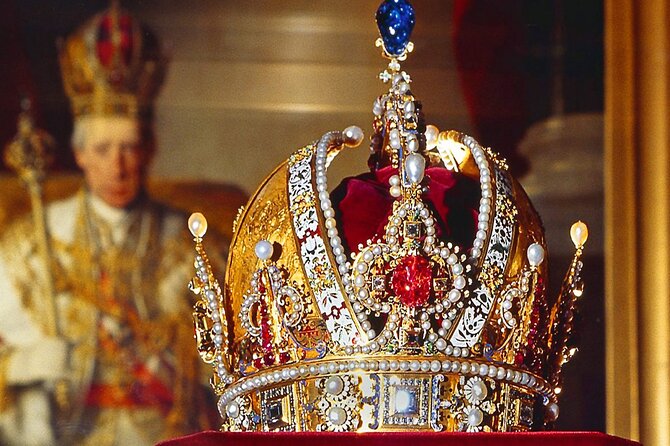
This stop adds variety and texture. You enter the Scottish Convent, see the green courtyard, and then move to a Rococo church with depictions of the history of Vienna. The idea here is not to overload you with facts, but to give you a feel for how religious communities contributed to Vienna’s visual storytelling.
A short stop like this can still work well when your guide frames what you’re seeing. The fresco-like depictions and church design can otherwise feel like background noise. With explanations, you’ll likely notice recurring themes and learn what the imagery was meant to communicate.
Volksgarten rose garden: monuments, Empress Elisabeth, and a calm break
After so many palaces and churches, Volksgarten is a breather. It’s described as a rose garden in Central Europe with monuments to Empress Elisabeth, poets, and temples. Even if the flowers are not in peak bloom, you can still appreciate the structure and the memorial focus.
Your guide also points out baroque ornaments and the harmony between nature and design. That matters, because Vienna’s gardens are not just greenery, they’re part of how power and culture got staged for daily life.
At about 10 minutes, you won’t be settling into a long picnic, but you’ll get the emotional payoff: a gentler tone in the middle of an action-heavy route.
The Greek Orthodox Cathedral: oriental architecture in Vienna
This stop is all about contrast. You enter the Rumanisch-Orthodoxe Kirche in Wien, the Greek Orthodox bishop’s cathedral in Vienna, and you’ll see oriental-style architecture. Expect an explanation of the Orthodox denomination and what makes this space different from Catholic churches you’ve been touring.
At around 8 minutes, this is a short introduction, not a deep interior session. But it can be memorable because Vienna often gets packaged as one dominant religious story. A quick guided visit helps broaden your sense of what the city includes.
If you’re the type who likes architecture and religious art, this is one of the best “small time, big effect” stops.
Belvedere gardens and Prince Eugene views, plus a Klimt moment
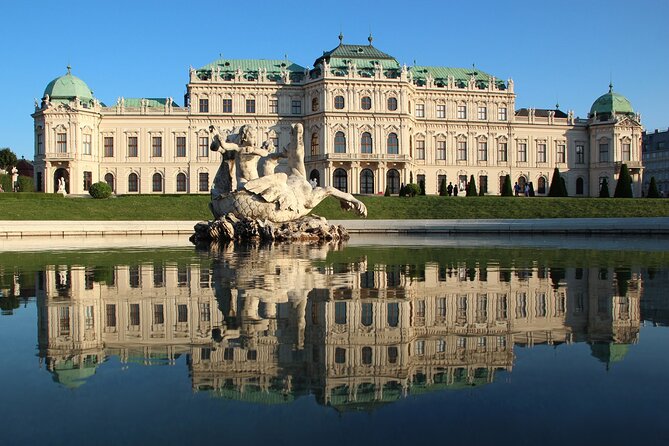
Belvedere gardens are the setup for palace views. You walk through old town areas near Karls Church, then move through squares and gardens to reach Belvedere Palace gardens. The tour highlights meeting Prince Eugen, which adds a historical character to the landscape.
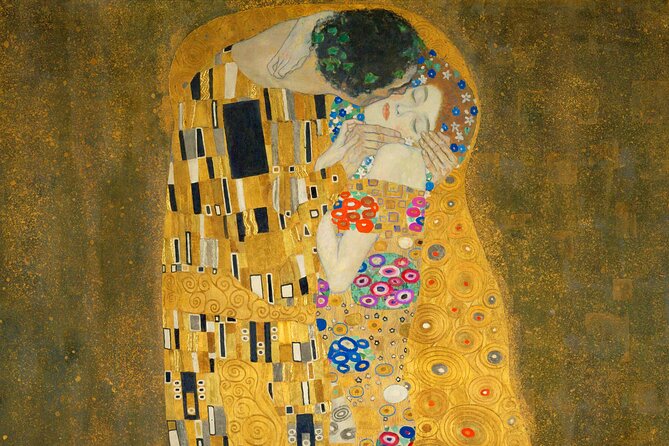
Then you visit Belvedere Palace, with the chance to admire world-famous paintings by Gustav Klimt. Your guide should help you understand what you’re seeing so you’re not staring at masterpieces like they’re just decoration. If Klimt is one of your reasons for visiting Vienna, this is a solid way to connect him to the broader royal art world.
The stop is extremely time efficient. At about 1 minute listed for ticket included, it’s likely the entry and highlight views are brief. If you want a longer look at paintings, plan extra time either before or after the guided route.
Schönbrunn Gardens and the Gloriette viewpoint
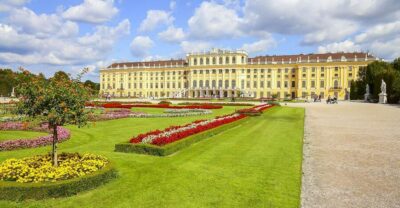
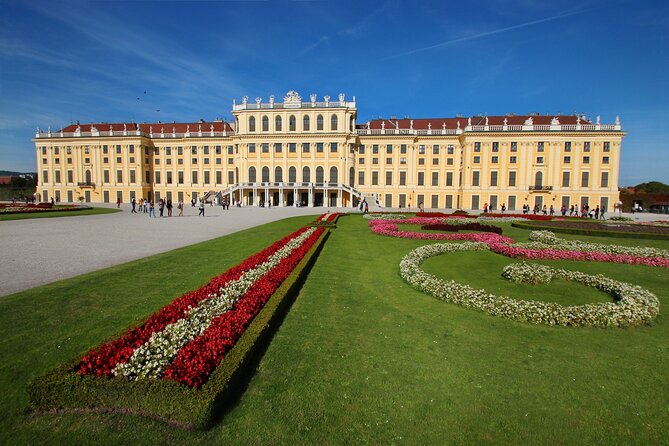
This segment is the classic Vienna expansion option. The tour includes Schönbrunn Gardens, the baroque gardens with colorful floral ornaments, fountains, secrets and monuments, plus the royal family’s baroque palace. There’s also mention of imperial historic carriages, a palm house, and the oldest zoo in the world.
At the highest point, you reach the Gloriette Pavilion for views across Vienna. You also have a chance to enjoy coffee with Viennese cake, though coffee and tea are listed as not included, so treat it as a buy-on-your-own moment rather than an included snack.
If you want more time here, the tour provider offers a longer Schönbrunn option. You can ask for a half-day tour or a separate shorter Schönbrunn tour if you contact them directly.
Practical note: Schönbrunn is big. Even when the guided visit is focused, you’ll want to pace yourself, especially if you’re also doing other city stops later.
Price and entrance-fee value for your time
At $118.82 per person, this tour has a clear strategy: reduce the hassle factor while packing in the major highlights. Entrance tickets are included for many stops, which is where value usually shows up in Vienna. When you’re paying separately for individual attractions, the total can climb fast, and you also lose time waiting or figuring out where to go.
You also get something harder to price: a private guide who can tailor answers on the spot. In a city where people often know the names but not the story, that one-on-one context can make your photos and memories more meaningful.
What’s not included is private transportation. That means the day depends on walking and public transit connections as needed, so wear shoes you can handle for several hours. Coffee and tea also aren’t included, so budget a café stop if you want one.
Who should book this tour, and who should plan alternatives
This tour suits you if you want a first-visit primer that connects Vienna’s big themes. You’ll likely enjoy it most if you like architecture plus storytelling, and if you want music history that makes Mozart and Beethoven feel tied to real places.
It also fits well when you want flexibility. The tour is private, and your guide can answer questions freely, so you can steer toward what you personally care about, whether that’s Stephansdom details or Hofburg’s imperial rooms.
I’d think twice if you hate walking and prefer slow museum time. Several stops are short, so you might feel you only skimmed. And if you have accessibility needs, note that it’s not suitable for visually impaired people, and it’s not suitable for deaf and mute people, based on the provided information.
Should you book this Vienna secrets tour?
Book it if you want an efficient, guided, story-first route through Vienna’s most famous places, with entrance fees handled and a private group feel. It’s especially smart for first-time visitors who want to understand the city’s logic, not just its landmarks.
Skip or supplement it if you want deep museum time in any one place. In that case, use this tour to get oriented, then plan a longer return visit to Hofburg, Belvedere, or Schönbrunn on another day when you can go at your own pace.
If you’re deciding between “see everything fast” and “learn what you see,” this lands firmly in the second camp, with enough structure to keep the day moving.
FAQ
How long is the Vienna tour?
The duration is listed as 2 to 8 hours, approximately, and the total duration includes travel time.
Is pickup offered?
Pickup is offered, but private transportation is not included.
What language is the tour in?
The tour is offered in English.
Are entrance tickets included?
Yes. The tour is described as covering attraction entrance fees, and multiple stops list admission tickets included or free.
Is this tour private?
Yes. It is a private tour/activity, and only your group will participate.
Where does the tour start?
The meeting point is Graben 32, 1010 Wien, Austria.
Is coffee or tea included?
No, coffee and/or tea is not included.
Is the tour suitable for everyone?
Service animals are allowed. However, it is not suitable for deaf and mute people or for visually impaired people, based on the provided information. The tour also requires good weather. If it’s canceled due to poor weather, you’ll be offered a different date or a full refund.
Historical Tours: Rest of the Austria File
- Vienna: Time Travel and Magic Vienna History Tour
★ 4.6 · 3,879 reviews - Vienna: World War II Historical Walking Tour
★ 4.8 · 1,772 reviews - Vienna Historic Center Small Group Walking Tour
★ 5.0 · 1,746 reviews - Time Travel-Magic Vienna History Tour Ticket
★ 4.5 · 1,099 reviews
Tours: Rest of the Austria File
- Vienna: Schönbrunn Palace & Gardens Skip-the-Line Tour
★ 4.7 · 7,739 reviews - Vienna Spanish Riding School Guided Tour
★ 4.7 · 6,765 reviews - Vienna: Skip-the-Line Sisi Museum, Hofburg and Gardens Tour
★ 4.8 · 5,918 reviews - Vienna: Skip-the-Line Schönbrunn Palace & Gardens Tour
★ 4.8 · 5,411 reviews
Tour Reviews: Rest of the Austria File
- Vienna: Vivaldi’s Four Seasons Concert in Karlskirche
★ 4.7 · 14,951 reviews - Vienna: Schönbrunn Palace & Gardens Skip-the-Line Tour
★ 4.7 · 7,739 reviews - Vienna: Light of Creation Votive Church Immersive Light Show
★ 4.8 · 6,779 reviews - Vienna Spanish Riding School Guided Tour
★ 4.7 · 6,765 reviews
Newest Vienna write-ups on file
- Vienna: Private Walking Tour to The Hofburg & Graben Street★ 5.0 · 3 reviews
- Vienna: Private tour Mauthausen and Linz★ 4.1 · 3 reviews
- Vienna Private Full Day Tour – Tickets to Schönbrunn & Lunch★ 5.0 · 3 reviews
- Vienna: Johann Strauss 200th birthday anniversary exhibition★ 4.7 · 3 reviews
- Vienna: Full-Day Vienna Woods Wine Tasting Tour★ 5.0 · 3 reviews
- Vienna: Festive Season and New Year’s Eve Waltz Workshop★ 5.0 · 3 reviews
Historical Tours, compared.
 ★ 4.6Vienna: Time Travel and Magic Vienna History TourFrom $273,879 reviews
 ★ 4.8Vienna: World War II Historical Walking TourFrom $311,772 reviews
 ★ 5.0Vienna Historic Center Small Group Walking TourFrom $721,746 reviews
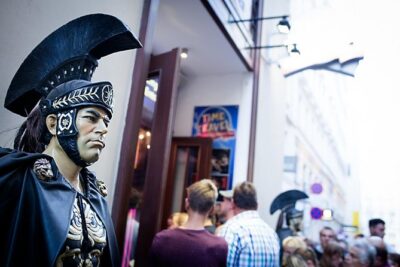 ★ 4.5Time Travel-Magic Vienna History Tour TicketFrom $271,099 reviews
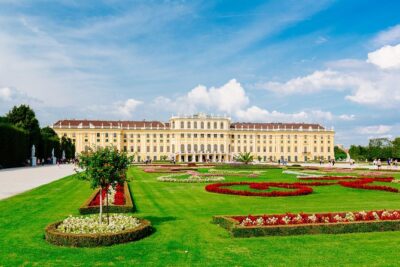 ★ 3.5Skip-the-Line Schonbrunn Palace Guided Tour and Vienna Historical City TourFrom $82940 reviews
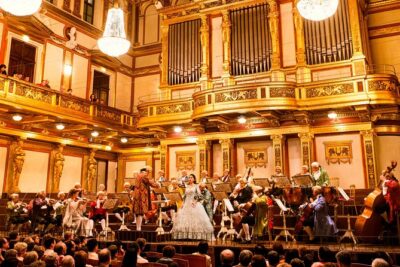 ★ 4.5Vienna Mozart Concert in Historical Costumes at the MusikvereinFrom $83888 reviews
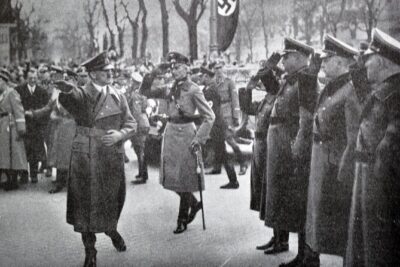 ★ 5.0Historical Hitler Walking Tour of ViennaFrom $32887 reviews
 ★ 4.9Vienna: History Highlight Walking TourFrom $33602 reviews
This tour also sits in