
REVIEW · VIENNA OLD TOWN DISCOVERY WALKS
Vienna: Walking Tour of the Historic Ringstrasse
Vienna’s Ringstrasse tells human stories. What I like most is the 19th-century architecture up close, and the chance to pause in spacious garden pockets with flowers and statues. The only drawback is time, it is a fast 2 hours, so you will not get a full, stop-by-stop deep lecture on every façade.
I also appreciate the way the guide frames the buildings as outcomes of big decisions. You get Emperor Franz Josef’s vision in plain language, plus who benefited, who paid, and why whole neighborhoods were redesigned.
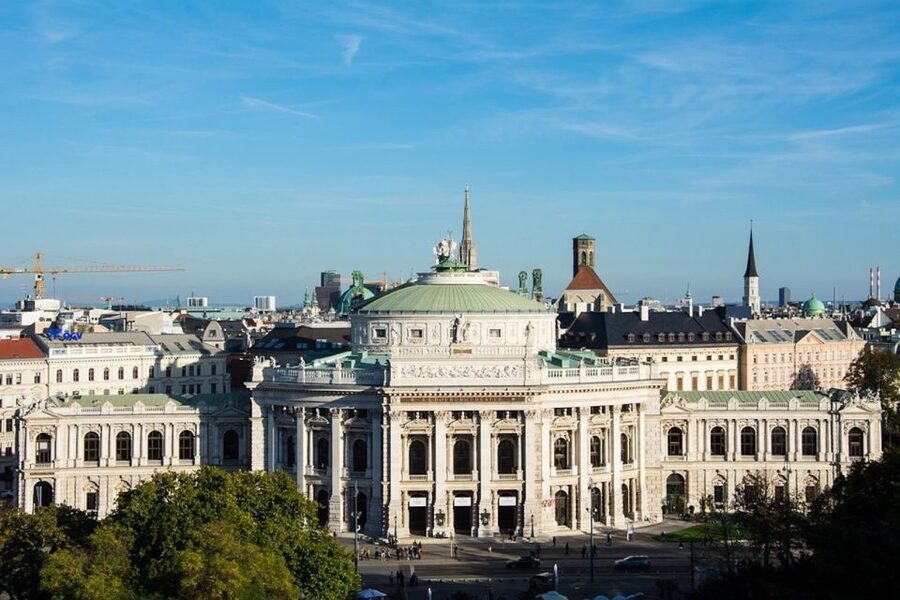
You will see a classic spread of Ring landmarks, from the Votive Church and the University to City Hall, Burgtheater, Parliament, Heldenplatz, museums, Volksgarten, and a final walkout next to the Opera House.
In This Review
- Key highlights worth aiming for
- The Ringstrasse is not just pretty, it is planned
- Start at Liebenberg-Denkmal, then get your bearings quickly
- Emperor Francis Josef’s Ring plan, from walls to culture
- Palais Ephrussi and the story behind the amber-eyed fortune
- Votive Church and the University of Vienna: symbols you can read
- City Hall, Burgtheater, Parliament, and Heldenplatz
- Gardens, museums, and the breathing room of Volksgarten
- Ending next to the Opera House, with a clearer Vienna map
- Price and logistics: what $353 per group really buys you
- Should you book this Ringstrasse walking tour?
- FAQ
- How long is the Vienna Walking Tour of the Historic Ringstrasse?
- What is the price for the tour?
- Where is the meeting point?
- Is hotel pickup or drop-off included?
- Do I need a tram ticket?
- What ticket do I need to bring?
- What languages are available for the guide?
- Is the tour wheelchair accessible?
- Can I cancel for a full refund?
Key highlights worth aiming for
- Architectural stories that connect buildings to people
- Garden breaks with flower arrangements and statuary
- Palais Ephrussi and the personal fate behind its fortune
- Major Ring stops like the University, City Hall, and Parliament
- Statues on the route, including Pallas Athene and mayor Liebenberg
Other Vienna old-town routes on file
- Vienna: Guided Walking Tour of City Center Highlights
★ 4.7 · 4,989 reviews - Vienna Historic Center Small Group Walking Tour
★ 5.0 · 1,746 reviews - Skip-the-Line Schonbrunn Palace Guided Tour and Vienna Historical City Tour
★ 3.5 · 940 reviews - Exclusive Vienna Old Town Highlights Walking Tour (max. 6 persons)
★ 5.0 · 252 reviews
The Ringstrasse is not just pretty, it is planned
This walk works because it treats Vienna’s Ringstrasse like a giant, outdoor “why” question. Roughly 150 years ago, Emperor Francis Josef set a bold plan in motion. Demolition of the city walls opened up space for a wide boulevard designed to be used by people moving on foot, by carriage, and by riders. That matters, because it is not just a row of buildings, it is a whole civic machine meant to hold culture, politics, and education in one grand loop.
Once you see that, the architecture stops being wallpaper. You start noticing how the buildings were meant to project power and identity. The Ring includes cultural institutions like the opera and theater, plus museums, universities, and the Academy of Fine Arts, along with Parliament and City Hall. When your guide ties those functions to the era that created them, you get a clearer sense of how Vienna wanted to be seen.
One more thing I like: the tour points out how wealth and ambition shaped what you see. Industrialists and bankers seized the opportunity to build oversized palaces and gain titles. And the people behind the scenes were not always famous. Poor workers also came looking for work and ended up in harsh conditions. That contrast gives the boulevard more weight than a simple sightseeing loop.
Start at Liebenberg-Denkmal, then get your bearings quickly
Your tour meeting point is Liebenberg-Denkmal at Mölker Bastei 8, 1010 Wien. Arrive about 10 minutes early so you can start on time and settle in before the walking begins. This is a smart start point for orientation because it already ties you to the Ring’s public-landmark feel.
Liebenberg-Denkmal is linked to mayor Liebenberg, and that kind of statue-based naming is part of how the Ring “teaches” you. You are not only looking at buildings, you are seeing Vienna’s idea of civic figures, art, and authority in stone. If you like spotting symbolism, this tour gives you permission to slow down and read those details.
You should expect a private group format, which is ideal if you want to ask questions mid-walk instead of saving everything for the end. The guide also runs in multiple languages (Polish, German, English), so you can pick the language that fits you best. And yes, it is listed as wheelchair accessible, so you are not dealing with a “stairs only” situation.
Practical tip: bring a public transport ticket. A tram ticket is not included. Even if you already know your Vienna transit routine, having your ticket ready keeps the start smooth.
Emperor Francis Josef’s Ring plan, from walls to culture
This is the heart of the tour’s story. The Ring you walk is the result of a deliberate break with the old city structure. When the walls were demolished, Vienna gained room to build a unified showcase of public life. The idea was to create a unique ensemble of buildings for culture and learning, not a random collection of grand projects.
As you walk, you will hear background that turns the architecture into a timeline. Think of it like this: the Ring is a 19th-century blueprint for how the city wanted to function. Opera, theater, museums, universities, and major civic buildings were placed where they could form a coherent statement. In one look, you can see how politics, art, and education shared the same stage.
The tour also brings in the human side of that transformation. Wealthy industrialists and bankers showed up with money, ambitions, and the desire to be recognized. Many had their names built into the city through palaces that were meant to be seen at scale. At the same time, poorer workers arrived and worked under incredible conditions. That part can land hard, but it is important. It keeps the Ring from feeling like a fantasy set.
I like that your guide does not treat this as dry history. It gets connected to what you are seeing right now, so each new building feels like a new chapter instead of another photo stop.
Palais Ephrussi and the story behind the amber-eyed fortune
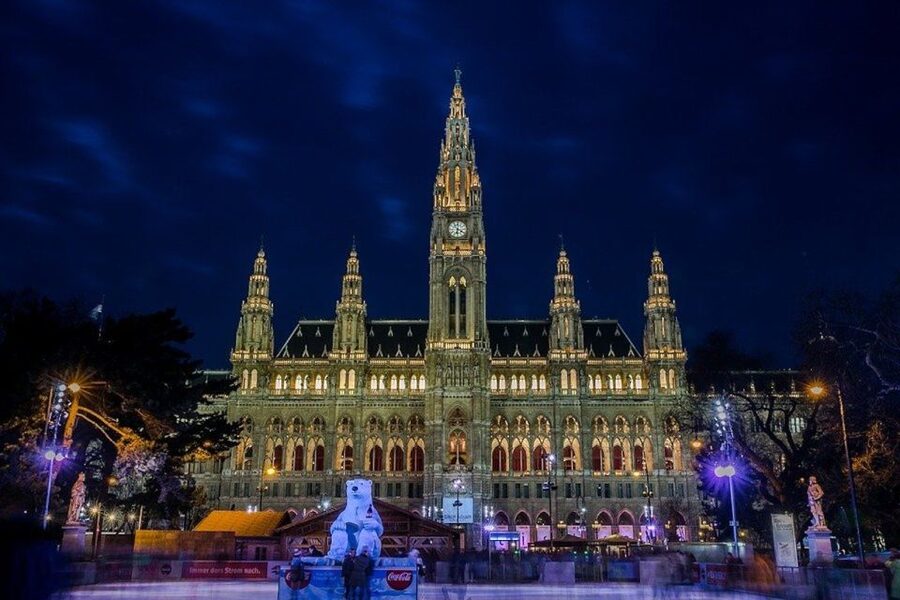
One of the standout stops is the Palais Ephrussi area. The palace was commissioned by a rich Jewish banker family, and the guide connects their fate to The Hare with the Amber Eyes. Even if you have not read the book, you will likely leave with a stronger sense of how personal stories can echo through architecture.
Why this stop is so valuable is that it shifts your perspective. So many grand palaces can feel like pure spectacle. Here, the tour treats the palace as a starting point for asking bigger questions: how did wealth shape Vienna’s skyline, and what happened to the people who built that power?
You also get a chance to look at the style combination and rich decoration that are part of what makes these palaces so overwhelming. The point is not just to admire details, it is to understand the message behind them. When money funds public visibility, the result is architecture that tries to lock in status.
If you want a walk that balances “look at this” with “so what does it mean,” this is one of the best moments on the route. It is also a reminder that the Ring is not only a civic project, it is a stage for personal lives, fortunes, and tragedies that played out over time.
Other Vienna write-ups filed under Austria
Votive Church and the University of Vienna: symbols you can read
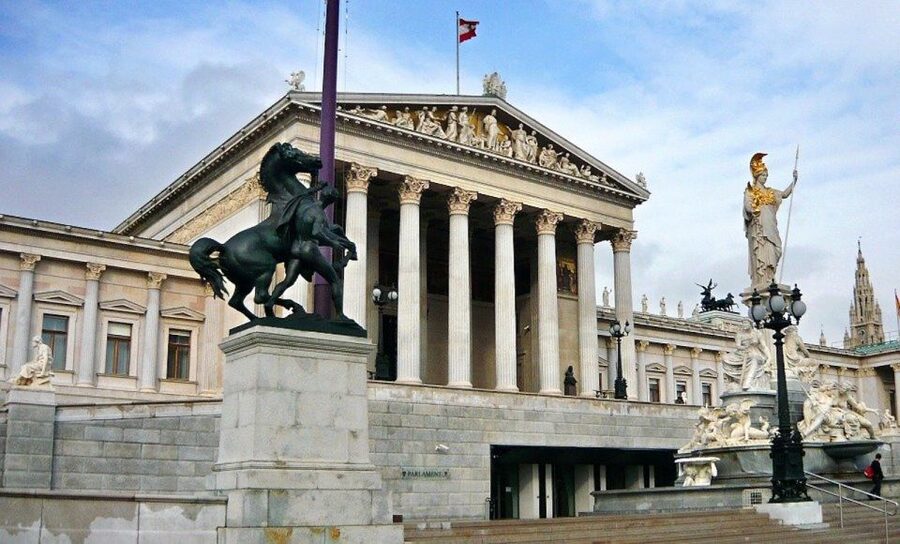
Next up, you will encounter the Votive Church and the main building of the University of Vienna. These stops are perfect for understanding how Vienna mixed spiritual and intellectual messaging in the same urban framework.
The Votive Church is a strong visual anchor. Even from street level, you notice how grand religious architecture was meant to signal permanence and faith. Then, walking onward, the University brings the focus to education as a public value. The combination is key. Vienna did not separate culture, belief, and learning into hidden corners. It put them in the open, in the flow of daily movement along the Ring.
Your guide also gives context and stories, so you are not just staring at stone. You get background about architects, artists, and public figures drawn to Vienna during this boom. That helps you appreciate the buildings as a result of creative networks, not as isolated masterpieces.
One practical consideration: if your expectation is a super-technical architecture seminar, this is a walking tour, so you will get interpretations and stories rather than architectural engineering facts. The explanations are designed to keep you moving and make each stop meaningful within the 2-hour limit.
City Hall, Burgtheater, Parliament, and Heldenplatz
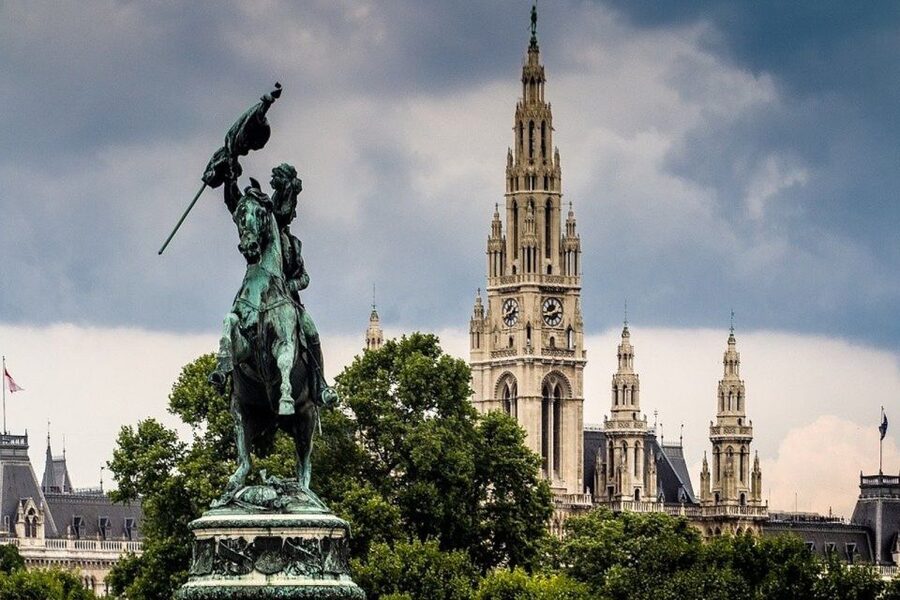
This section is where the Ring feels like governance in stone and performance in brick.
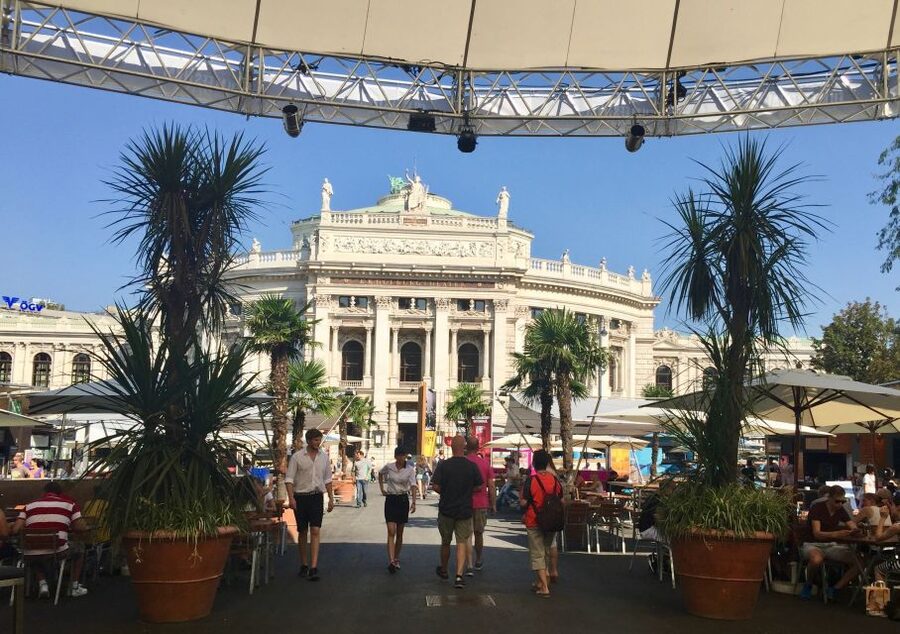
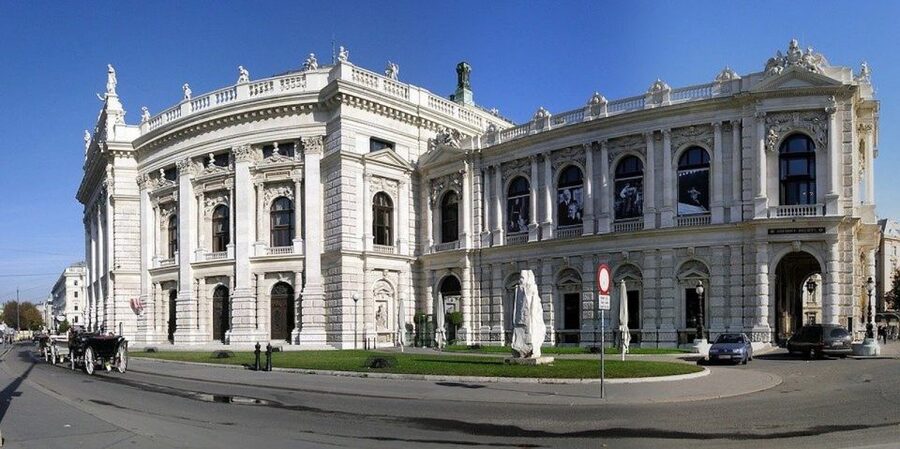
You will see City Hall and the Burgtheater, then make your way toward Parliament and Heldenplatz. These are heavy-hitter landmarks, and the tour uses them to show the Ring’s civic purpose. City Hall and Parliament represent authority, while Burgtheater connects the city’s cultural confidence to public identity. Together, they tell you Vienna built a loop where decisions and art were neighbors.
Heldenplatz adds another layer, because it is another public-facing space where statues and monumental design shape your sense of scale. You are also guided to look for statues along the route, including mayor Liebenberg and Pallas Athene. These figures are not random decoration. They are part of how Vienna “labels” its values in public space, mixing commemoration with classical symbolism.
The tour’s strength here is pace plus perspective. Your guide keeps the story moving as you move, so you are not stuck hearing about one building for so long you forget what the next one looks like. If you like to learn while you walk, this is the sweet spot.
From a comfort standpoint, you will also appreciate that the route includes moments to break. Those garden pauses help you reset your eyes before the next grand façade takes over.
Gardens, museums, and the breathing room of Volksgarten
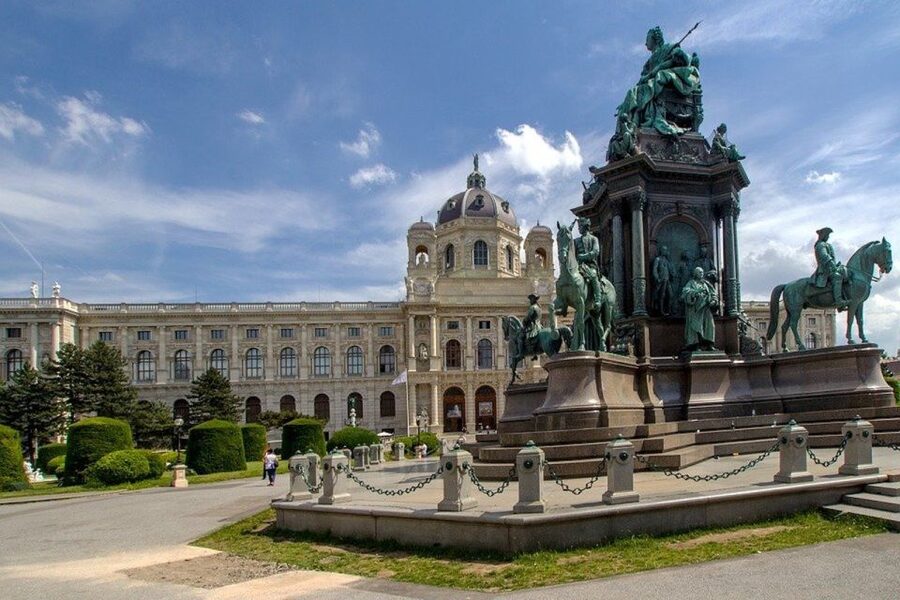
A lot of people think of the Ring as all buildings and no relief. This tour corrects that with short breaks in spacious gardens with marvelous flower arrangements and statues. Those pauses are not just pretty. They make the architecture easier to process.
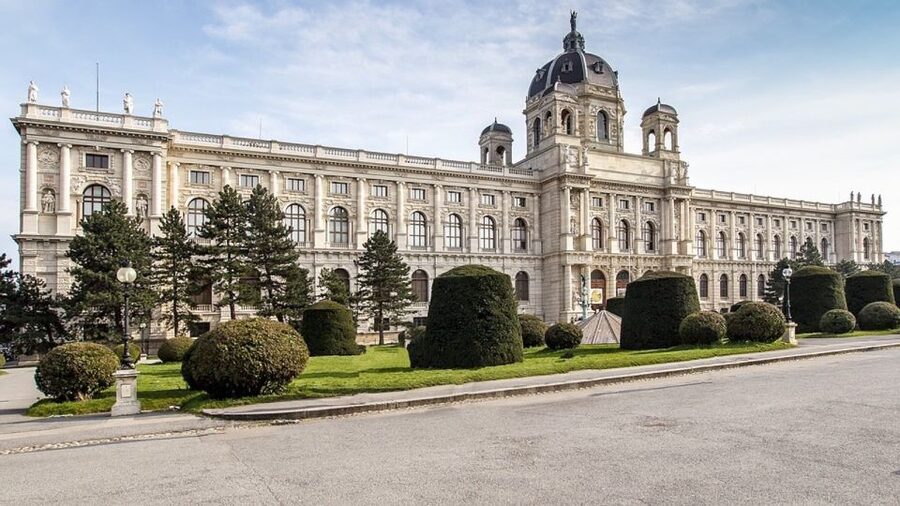
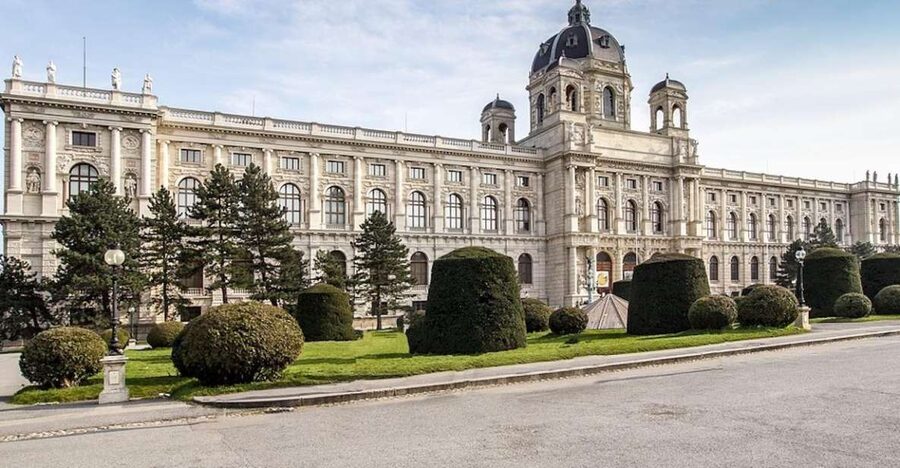
You will encounter Volksgarten along with the museum area. This pairing works well because the gardens counterbalance the density of monuments. Museums and educational institutions push your mind toward art and ideas. A garden break does the same for your senses, it gives you a different visual rhythm.
I also like that the tour does not treat greenery as an afterthought. The guide uses these moments to keep the story grounded, so you understand how Vienna designed a boulevard that included public space for more than just fast movement.
If you are sensitive to overpacked itineraries, these breathing moments are a big reason the tour feels enjoyable even when you are seeing big architecture back-to-back. They also help if the weather is rough. One of the notes people often make is that the guide keeps things entertaining even in rain, and garden stops can make that easier because you are not constantly rushing from one exposure to the next.
Ending next to the Opera House, with a clearer Vienna map
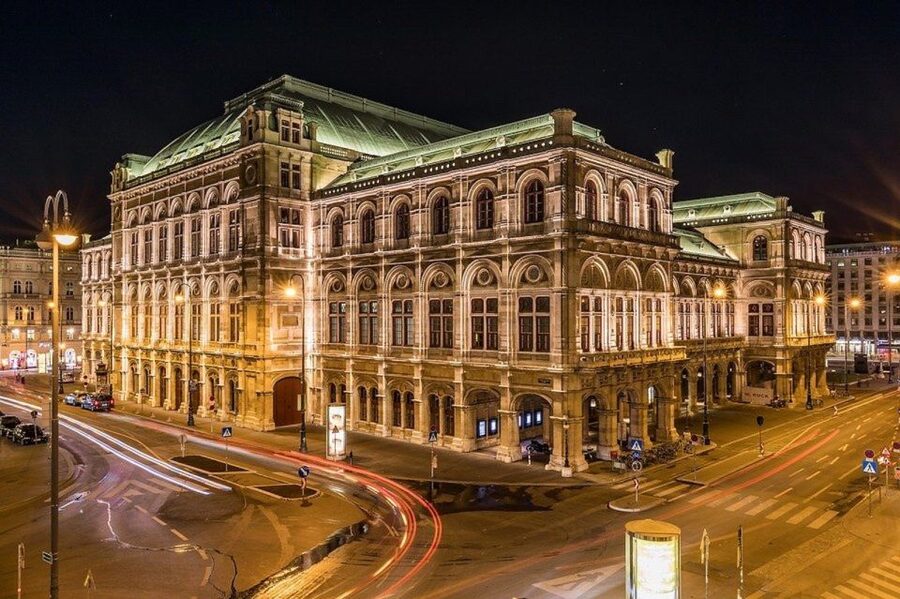
The walk ends next to the Opera House, which is a satisfying final note because the building is one of the most famous symbols of Vienna’s culture. It is also an ideal “wrap-up location” since you can stand there and connect what you saw earlier.
By the time you reach the Opera, you have already covered the civic and educational anchors around the Ring, plus the palatial wealth and the public institutions. That means the final sight does not feel random. It feels like a conclusion to the Ring’s original purpose as an ensemble for culture and public life.
You will also have a set of stories you can reuse later. You will know why the boulevard exists, how the city walls were replaced by a new kind of public stage, and how wealth, titles, art, and hardship all fit into the same urban design. That is the kind of context that changes your next museum visit or theater ticket.
Even better, the private group format helps you ask follow-up questions on the spot. If there is a detail you want to know, it is easier to get an answer when you are not fighting for time at the end of the tour.
Price and logistics: what $353 per group really buys you
The price is $353 per group up to 8 people for a 2-hour tour. On paper, that sounds like a “small-group premium.” In real terms, it is more like a shared service cost. If you split it among friends, it can work out to a very reasonable rate compared with per-person tour pricing.
The value is strongest if you want three things at once:
- A guided narrative that connects architecture to people
- Time efficient coverage of major Ringstrasse sights
- The flexibility of a private group so you can ask questions
What is not included is hotel pickup and drop off, and a tram ticket is not included. You will need a public transport ticket. If you are staying near the center, you can treat this as a straightforward “walk from the meeting point” experience, with minimal fuss.
Also keep in mind the one trade-off that comes with a 2-hour format. The route covers a lot of landmarks, so each stop gets focused attention rather than a deep, hour-by-hour treatment. If you want a slow, ultra-detailed architectural study, you might feel the pace is a little too quick.
Should you book this Ringstrasse walking tour?
I would book it if you want Vienna that feels connected, not just collected. This is a smart choice for first-time visitors because the Ring is huge and easy to misunderstand without a guide tying it together. You get the demolition-to-boulevard origin story, plus the social contrast between wealth and harsh working conditions. You also get garden pauses, which make it more pleasant than a pure concrete sprint.
I would pass or consider a longer option if your main goal is maximum architectural analysis at each stop. The tour is only 2 hours, so you will get meaningful context, but not every possible detail.
If your group is small, private, and interested in stories, this one is a strong fit. Just bring your public transport ticket, arrive a bit early at Liebenberg-Denkmal, and wear something comfortable for street-level walking.
FAQ
How long is the Vienna Walking Tour of the Historic Ringstrasse?
The tour lasts 2 hours.
What is the price for the tour?
It is $353 per group, for groups of up to 8 people.
Where is the meeting point?
Meet at Liebenberg-Denkmal, Mölker Bastei 8, 1010 Wien. Arrive 10 minutes before the activity starts.
Is hotel pickup or drop-off included?
No, hotel pickup and drop-off are not included.
Do I need a tram ticket?
A tram ticket is not included, so you should plan accordingly.
What ticket do I need to bring?
Bring a public transport ticket.
What languages are available for the guide?
The live guide is available in Polish, German, and English.
Is the tour wheelchair accessible?
Yes, the tour is listed as wheelchair accessible.
Can I cancel for a full refund?
Yes, you can cancel up to 24 hours in advance for a full refund.
Tours: Rest of the Austria File
- Vienna: Schönbrunn Palace & Gardens Skip-the-Line Tour
★ 4.7 · 7,739 reviews - Vienna Spanish Riding School Guided Tour
★ 4.7 · 6,765 reviews - Vienna: Skip-the-Line Sisi Museum, Hofburg and Gardens Tour
★ 4.8 · 5,918 reviews - Vienna: Skip-the-Line Schönbrunn Palace & Gardens Tour
★ 4.8 · 5,411 reviews
Tour Reviews: Rest of the Austria File
- Vienna: Vivaldi’s Four Seasons Concert in Karlskirche
★ 4.7 · 14,951 reviews - Vienna: Schönbrunn Palace & Gardens Skip-the-Line Tour
★ 4.7 · 7,739 reviews - Vienna: Light of Creation Votive Church Immersive Light Show
★ 4.8 · 6,779 reviews - Vienna Spanish Riding School Guided Tour
★ 4.7 · 6,765 reviews
Old-Town Routes Around Vienna
- Vienna: Guided Walking Tour of City Center Highlights
★ 4.7 · 4,989 reviews - Vienna: Guided Walking Tour of City Highlights & Hidden Gems
★ 4.9 · 2,180 reviews - Vienna Historic Center Small Group Walking Tour
★ 5.0 · 1,746 reviews - Skip-the-Line Schonbrunn Palace Guided Tour and Vienna Historical City Tour
★ 3.5 · 940 reviews
Newest Vienna write-ups on file
- Vienna: Private Walking Tour to The Hofburg & Graben Street★ 5.0 · 3 reviews
- Vienna: Private tour Mauthausen and Linz★ 4.1 · 3 reviews
- Vienna Private Full Day Tour – Tickets to Schönbrunn & Lunch★ 5.0 · 3 reviews
- Vienna: Johann Strauss 200th birthday anniversary exhibition★ 4.7 · 3 reviews
- Vienna: Full-Day Vienna Woods Wine Tasting Tour★ 5.0 · 3 reviews
- Vienna: Festive Season and New Year’s Eve Waltz Workshop★ 5.0 · 3 reviews
Vienna Old Town Discovery Walks, compared.
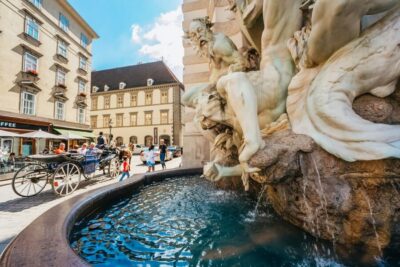 ★ 4.7Vienna: Guided Walking Tour of City Center HighlightsFrom $254,989 reviews
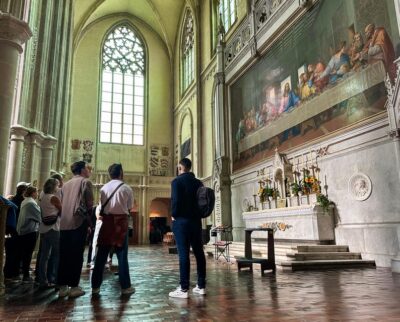 ★ 4.9Vienna: Guided Walking Tour of City Highlights & Hidden GemsFrom $272,180 reviews
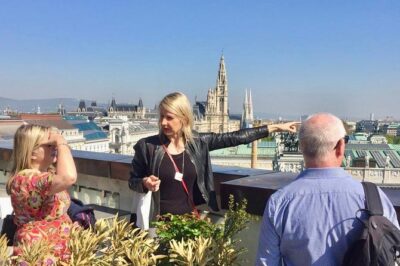 ★ 5.0Vienna Historic Center Small Group Walking TourFrom $721,746 reviews
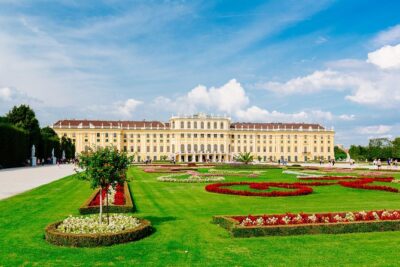 ★ 3.5Skip-the-Line Schonbrunn Palace Guided Tour and Vienna Historical City TourFrom $82940 reviews
 ★ 5.0Exclusive Vienna Old Town Highlights Walking Tour (max. 6 persons)From $151252 reviews
 ★ 4.7Vienna: Hidden Gems near St. Stephen’s & Old UniversityFrom $353153 reviews
 ★ 5.0Guided Walking Tour of Vienna City Center HighlightsFrom $30150 reviews
 ★ 4.5Food Tasting Tour in Hidden Gems of Vienna for Small GroupsFrom $14391 reviews
This tour also sits in