
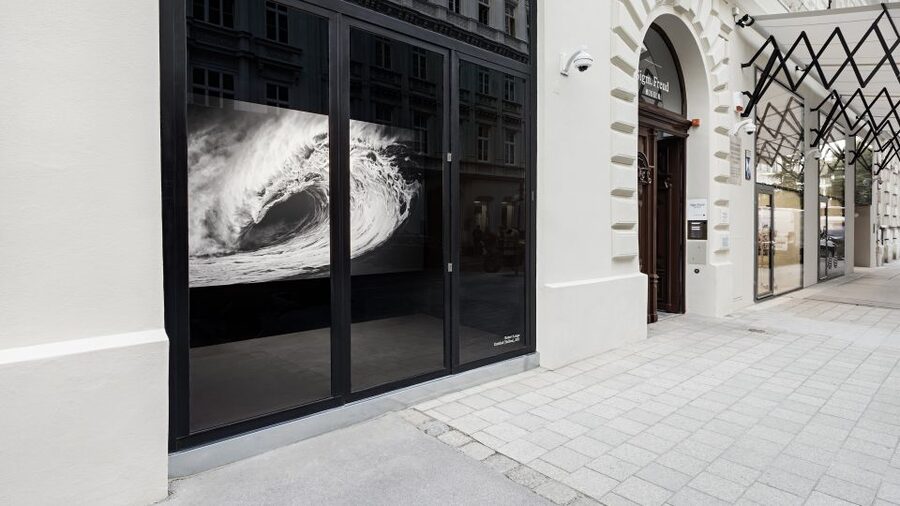
REVIEW · VIENNA ART MUSEUMS
Sigmund Freud Museum Ticket
Freud’s office feels uncomfortably real. This museum ticket lets you follow Sigmund Freud through the rooms where he worked and lived, right at Berggasse 19, with original objects, family footage, and the story of how psychoanalysis took shape. You also get the museum’s modern tools, like phone-based AR Freud’s Couch, which helps you connect the theory to the space.
What I liked most was the mix of personal and professional. You can see private rooms the Freuds lived in, hear recordings of Sigmund and Anna Freud, and watch unique family videos from the 1930s. I also appreciated the human touch from staff, including help from Stephanie and Martin when they went above and beyond.
One thing to consider: this is a read-a-lot museum. Some rooms can feel dim, the route is not always perfectly chronological, and it can get hot inside, so wear something breathable and plan for breaks.
In This Review
- Key Things Worth Planning For
- Berggasse 19 Entrance: Walking In Like a Patient
- Freud’s Private Rooms and Clinic Story in Plain Sight
- Voices, Objects, and 1930s Family Footage
- Phone-Based AR: Freud’s Couch Where It Belonged
- The Staircase Route and the Nazi-Era Turning Point
- Concept Art in Freud’s Office: Hidden Thoughts of a Visual Nature
- Time, Pacing, and Practical Tips (So You Actually Enjoy It)
- Price and Value at $18: What You Get for the Money
- Museum Shop and Café: Finish With Vienna Comfort
- Should You Book? My Take for Different Types of Visitors
- FAQ
- How much does the Sigmund Freud Museum ticket cost?
- How long is the ticket valid?
- Where do I present my ticket voucher?
- Does the ticket help me skip the ticket line?
- Is the museum wheelchair accessible?
- Are there restrictions on photography?
- Do I need my phone for the AR experience?
- Is free cancellation available?
Key Things Worth Planning For
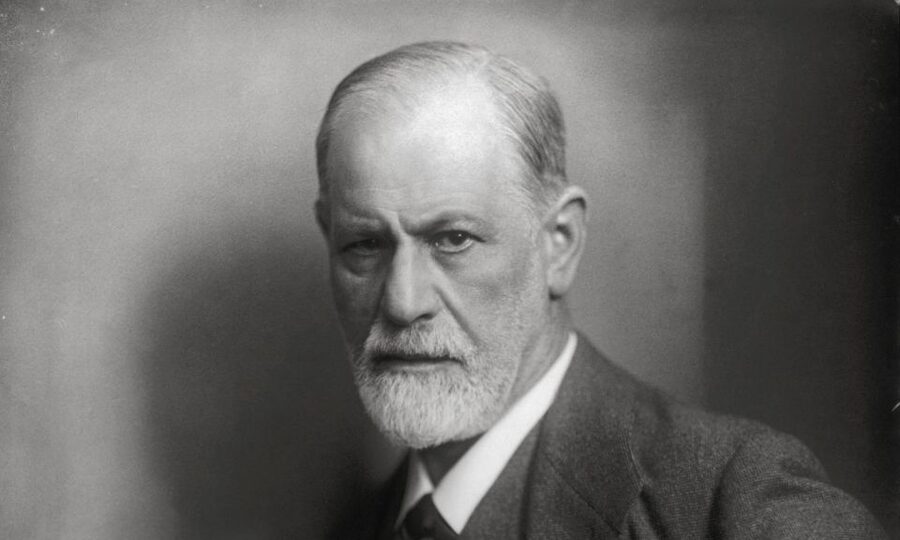
- Berggasse 19 entrance and historic steps that recreate the way Freud and patients arrived
- Audio recordings of Sigmund and Anna Freud that make the history feel immediate
- AR Freud’s Couch you start on your phone, in the spot where the furniture belonged
- 1930s Freud family videos that add a rare family perspective
- A newly built staircase that ties together the house and its later, tragic history
- Hidden Thoughts of a Visual Nature concept art in Freud’s former office
Other Vienna gallery write-ups
- Vienna Kunsthistorisches Museum Day Admission Ticket
★ 4.6 · 3,690 reviews - Tickets for the Albertina Exhibitions
★ 4.7 · 2,126 reviews - Sigmund Freud Museum Ticket
★ 4.6 · 1,668 reviews - Vienna: St. Stephen’s Cathedral & Dom Museum Wien Tickets
★ 4.5 · 1,652 reviews
Berggasse 19 Entrance: Walking In Like a Patient
Start at the main entrance, with your voucher ready to show. The museum is built around one powerful idea: this was not a staged exhibit, it was a real home and clinic, and the layout matters. You enter using the same kind of passage Freud and his patients used, then take historic steps up into the mezzanine area where the family lived.
That first climb does a lot of work for you. It shrinks the distance between a big historical figure and the everyday business of living and treating patients in turn-of-the-century Vienna. It also sets expectations for the rest of the visit, because you are not just reading about psychoanalysis, you are moving through the rooms where it happened.
Freud’s Private Rooms and Clinic Story in Plain Sight
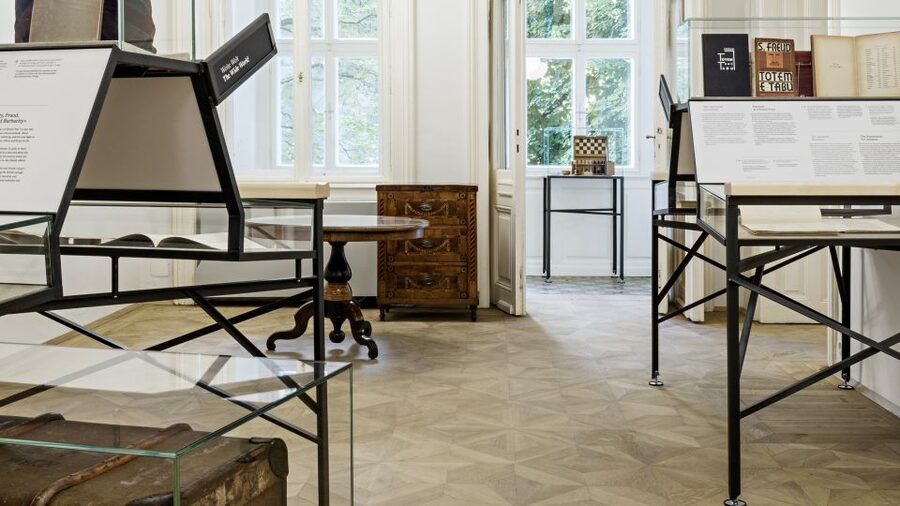
The core of your ticket is the chance to see the private rooms and the professional spaces in one place. Expect to spend time with exhibits that explain Freud’s professional stations and biographical phases, while also showing how family life and work overlapped in the same building.
I like how the museum makes the story feel concrete. You can stand in spaces tied to Freud’s daily routine and then connect them to the development of psychoanalysis. If you have any background in mental health, it can feel like a small pilgrimage, because you are seeing notes, prints, and objects tied to his working method rather than only popular summaries.
A practical note: you will probably want to go slowly. This museum leans on caption text and exhibit details, so rushing can turn it into a blur.
Voices, Objects, and 1930s Family Footage
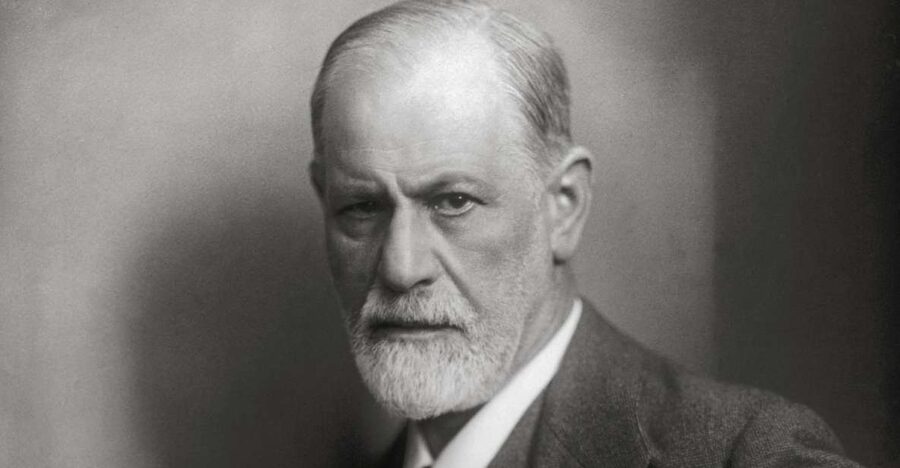
One of the most memorable parts is the museum’s audio. You can hear recordings with voices of Sigmund and Anna Freud, which adds a human layer that a photo exhibit cannot. It is a simple feature, but it changes the mood in a good way, especially when you are looking at objects that feel tied to real conversations.
Then there are the moving images. Unique Freud family videos from the 1930s bring the home to life, not as a museum set, but as an active household. I found this helpful because it balances the heavy themes with a sense of personality and normal routines.
If you are visiting with kids, this section can be surprisingly fun. There are puzzle-style elements, including sticker puzzles that help younger visitors spot Freud’s dog around the rooms. That kind of scavenger hunt turns a lecture museum into a game without feeling forced.
Phone-Based AR: Freud’s Couch Where It Belonged
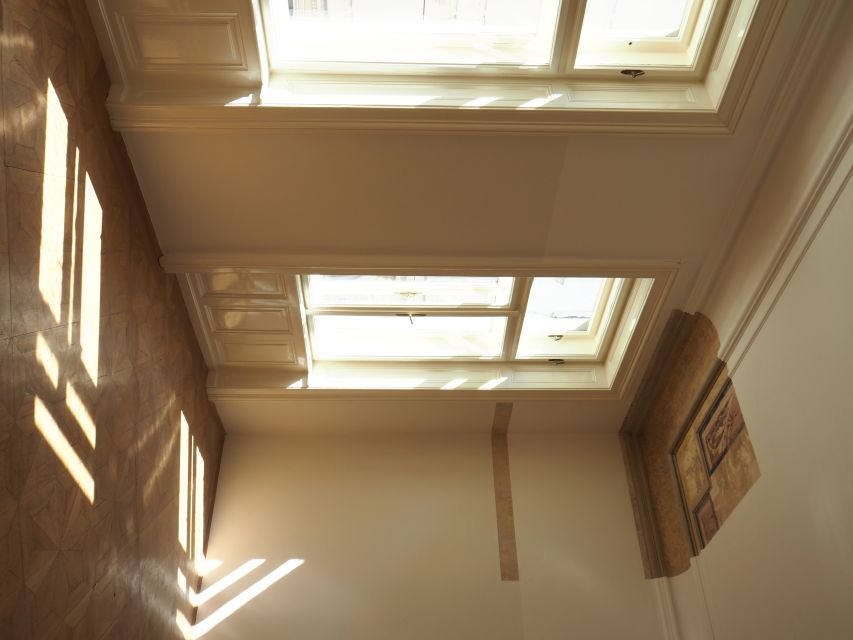
Yes, there is a modern twist, and it works better than you might expect. The AR installation Freud’s Couch uses your phone, and it is activated right where the famous piece of furniture used to sit.
This is the moment where you connect three things in one: the physical room, the concept of treatment, and the historical reality of what was here. Without AR, you might see the space but still feel like something is missing. With AR, your brain gets a visual anchor.
You should still treat it like a museum experience, not a theme park. Give yourself time here, because figuring out the AR on your phone takes a minute, and you do not want to do it at a sprint.
Also remember the museum rule: flash photography is not allowed.
Other Vienna write-ups filed under Austria

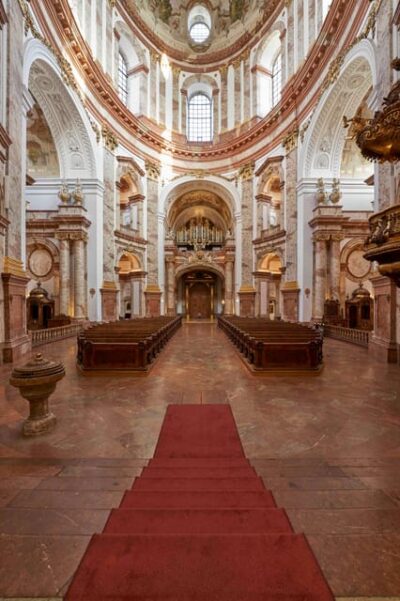
The Staircase Route and the Nazi-Era Turning Point
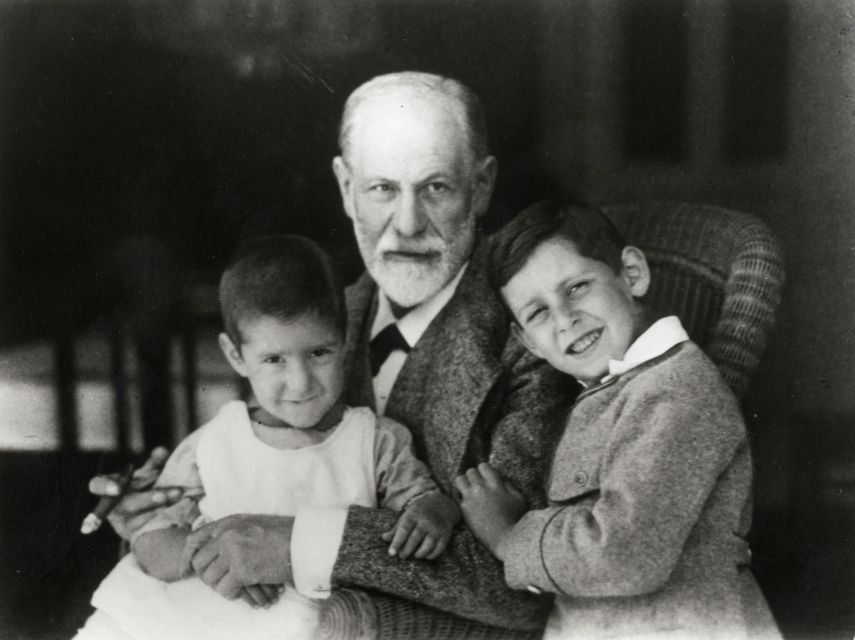
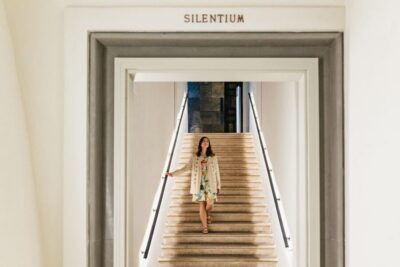
A newly built staircase connects the floors and acts like a guided thread through the house’s history. As you move, the exhibits recount what happened after Freud left Vienna, including the period marked by Nazi violence and the fact that Jews were collected at Berggasse 19.
This part can land hard. The museum does not treat the tragedy as background noise, it builds it into the flow of your visit. You also see a dedicated section in the foyer gallery focused on Freud’s flight into exile in London with his closest family, including his brother Alexander.
The museum also addresses the fate of Freud’s sisters, named Rosa, Marie, Pauline, and Adolfine, and their murder in Nazi extermination camps. For many visitors, this is the most emotionally difficult segment, and the museum handles it with care and clarity.
Plan for this. If your schedule is tight, you might save time earlier so you can slow down when you need to.
Concept Art in Freud’s Office: Hidden Thoughts of a Visual Nature
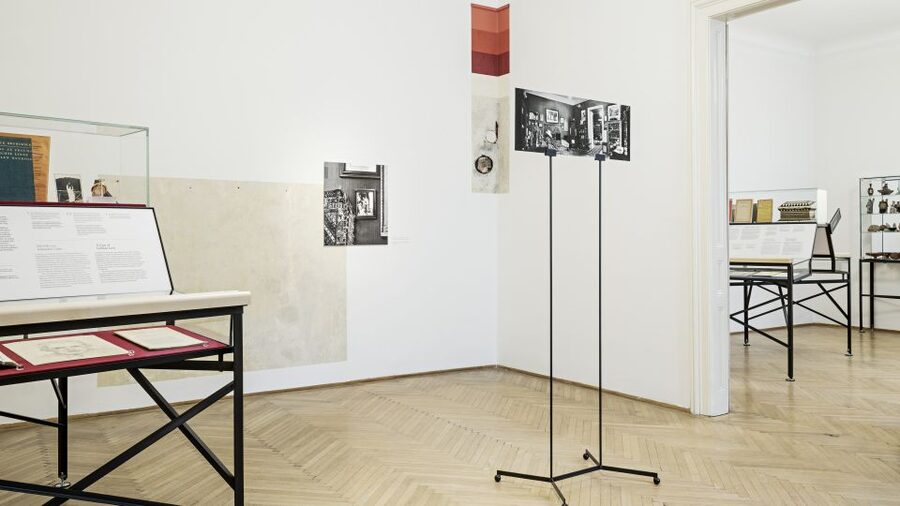
In Freud’s former office, the museum highlights a permanent exhibition called Hidden Thoughts of a Visual Nature. This section shifts gears from historical objects and family footage to conceptual art, with works by artists including John Baldessari, Joseph Kosuth, Susan Hiller, Franz West, and Haim Steinbach.
What I like about this is the contrast. You are not just seeing Freud as a one-note biography. You are seeing how his ideas continue to influence how people think about images, perception, and the mind. Even if you are not deep into contemporary art, the placement inside Freud’s office makes the connection feel less abstract.
Give yourself extra time here if you like modern art. If you do not, you can still treat it as a thoughtful epilogue, a reminder that psychoanalysis is not frozen in the past.
Time, Pacing, and Practical Tips (So You Actually Enjoy It)
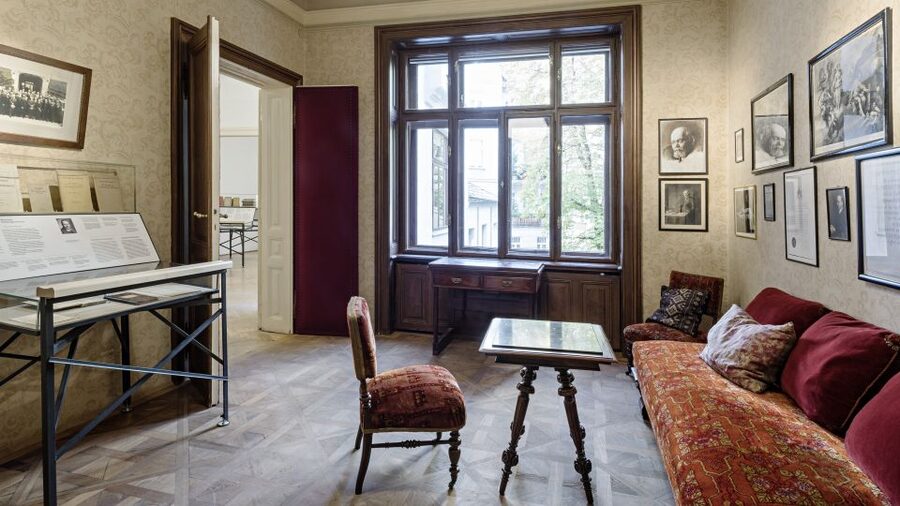
The ticket is valid for 1 day, and the museum uses starting times based on availability. If you want a calmer visit, choose an earlier time slot when you can. Some time windows feel quieter than others, and that makes a difference in a museum where you will be reading and listening.
In terms of how long to plan, you can do it in about an hour to an hour and a half if you skim, but many visitors spend around two to three hours when they stop often and read carefully. I suggest aiming for the middle, about 2 hours, so you have buffer for the heavy sections and the AR.
A few practical considerations:
- The museum can get hot inside, so bring a light layer or wear breathable clothes.
- Some rooms can feel poorly lit, which can make reading captions a bit harder.
- The exhibit order may not feel perfectly chronological room to room, so if you care about timeline flow, keep an eye on signs and titles rather than assuming the next room continues the story in strict order.
- If you are sensitive to noise, note that the museum includes family-friendly elements and can include kids in the rooms.
If you want to avoid stress, wear comfortable shoes. You will be moving between floors via the connecting staircase, and you do not want foot fatigue to cut your attention short.
Price and Value at $18: What You Get for the Money
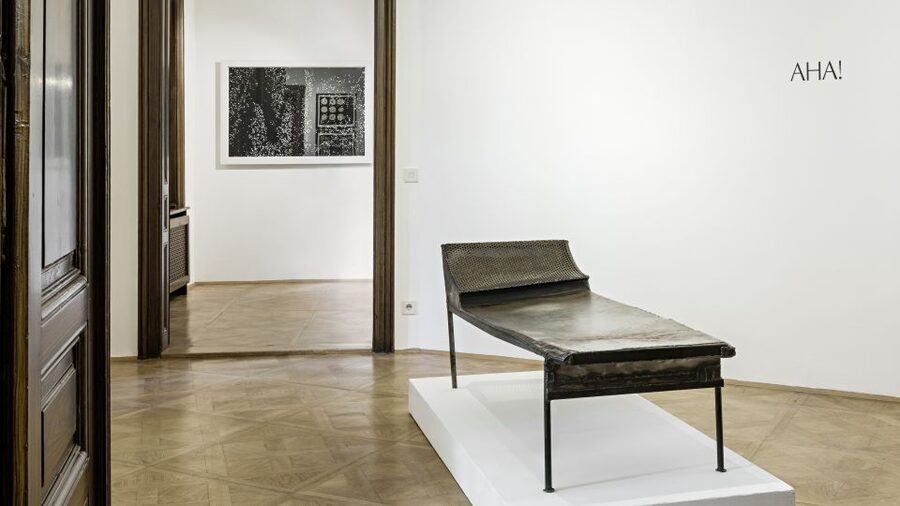
At about $18 per person, the ticket feels like a fair price for a museum that includes multiple layers: original spaces, personal audio, AR in situ, rare family footage, and even a concept art exhibition inside the office. You are not just paying for a look at the “Freud factor,” you are paying for interpretation across disciplines and time periods.
The best value comes if you do not treat it like a quick photo stop. If you take the audio seriously, spend time in the private rooms, and do the AR, you’ll feel like you got your money’s worth.
Also, it includes skipping the ticket line, which matters in Vienna when timed entry can prevent annoying waits.
Museum Shop and Café: Finish With Vienna Comfort
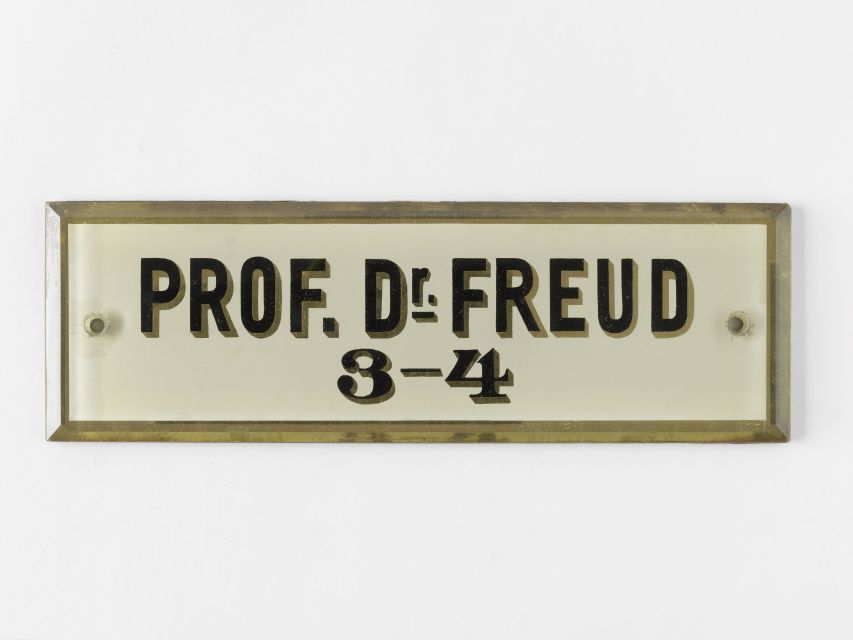
When you are done, your last stop should be the shop and café. The museum has book and gift selections, and you can grab an original Viennese coffee with cake, or choose Viennese wine instead if you want to unwind.
If you are traveling with family, the shop can be a highlight. There are puzzle items, and there is even a board game that some visitors almost buy even if they are trying to travel light. It is a nice way to turn the experience into something you can take home.
Should You Book? My Take for Different Types of Visitors
Book this ticket if you want more than a name on a poster. You’ll get a clear sense of how Freud’s work and life intersected in one address, plus a few features that make it feel alive, especially the voices, the AR Freud’s Couch, and the 1930s family films.
Skip it, or at least think twice, if you hate museums that require reading and patience. The lighting and room-by-room flow can be imperfect, and it can feel like information overload if you prefer quick walkthroughs.
If you are a mental health professional, a student, or simply curious about how ideas form, this is a strong choice. The museum does not only explain psychoanalysis as theory, it anchors it in a place, a household, and a historical reality that includes both brilliance and tragedy.
FAQ
How much does the Sigmund Freud Museum ticket cost?
The ticket price is listed as $18 per person.
How long is the ticket valid?
The ticket is valid for 1 day.
Where do I present my ticket voucher?
Present your ticket voucher at the main entrance of the Sigmund Freud Museum.
Does the ticket help me skip the ticket line?
Yes, skip the ticket line is included.
Is the museum wheelchair accessible?
Yes, it is wheelchair accessible.
Are there restrictions on photography?
Flash photography is not allowed.
Do I need my phone for the AR experience?
The AR installation Freud’s Couch is activated using your phone.
Is free cancellation available?
Yes, you can cancel up to 24 hours in advance for a full refund.
Tickets: Rest of the Austria File
- Vienna: Classic Ensemble Vienna in St. Peter’s Church Ticket
★ 4.7 · 4,819 reviews - Vienna Kunsthistorisches Museum Day Admission Ticket
★ 4.6 · 3,690 reviews - Vienna: Tickets for Mozarthaus Vienna with Audio Guide
★ 4.2 · 2,344 reviews - Vienna: Skip-the-Line Entrance Ticket to the Danube Tower
★ 4.5 · 2,303 reviews
Tour Reviews: Rest of the Austria File
- Vienna: Vivaldi’s Four Seasons Concert in Karlskirche
★ 4.7 · 14,951 reviews - Vienna: Schönbrunn Palace & Gardens Skip-the-Line Tour
★ 4.7 · 7,739 reviews - Vienna: Light of Creation Votive Church Immersive Light Show
★ 4.8 · 6,779 reviews - Vienna Spanish Riding School Guided Tour
★ 4.7 · 6,765 reviews
Gallery Days Around Vienna
- Vienna Kunsthistorisches Museum Day Admission Ticket
★ 4.6 · 3,690 reviews - Tickets for the Albertina Exhibitions
★ 4.7 · 2,126 reviews - Vienna: St. Stephen’s Cathedral & Dom Museum Wien Tickets
★ 4.5 · 1,652 reviews - Combo Ticket: Kunsthistorisches Museum & Imperial Treasury
★ 4.7 · 785 reviews
Newest Vienna write-ups on file
- Vienna: Private Walking Tour to The Hofburg & Graben Street★ 5.0 · 3 reviews
- Vienna: Private tour Mauthausen and Linz★ 4.1 · 3 reviews
- Vienna Private Full Day Tour – Tickets to Schönbrunn & Lunch★ 5.0 · 3 reviews
- Vienna: Johann Strauss 200th birthday anniversary exhibition★ 4.7 · 3 reviews
- Vienna: Full-Day Vienna Woods Wine Tasting Tour★ 5.0 · 3 reviews
- Vienna: Festive Season and New Year’s Eve Waltz Workshop★ 5.0 · 3 reviews
Vienna Art Museums, compared.
 ★ 4.6Vienna Kunsthistorisches Museum Day Admission TicketFrom $253,690 reviews
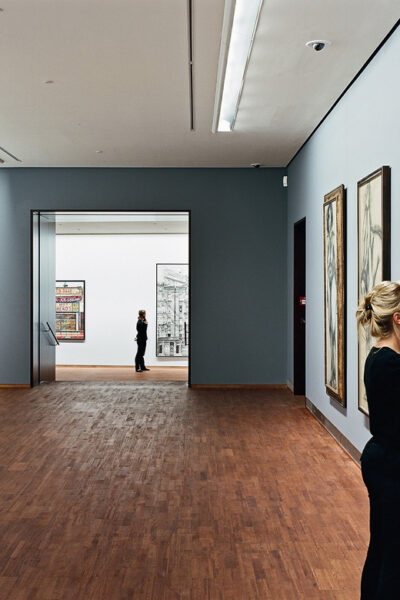 ★ 4.7Tickets for the Albertina ExhibitionsFrom $232,126 reviews
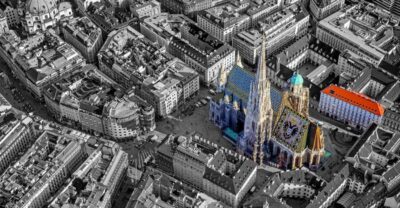 ★ 4.5Vienna: St. Stephen’s Cathedral & Dom Museum Wien TicketsFrom $341,652 reviews
 ★ 4.7Vienna: Leopold Museum Skip-the-Line Entry TicketFrom $22968 reviews
 ★ 4.7Combo Ticket: Kunsthistorisches Museum & Imperial TreasuryFrom $37785 reviews
 ★ 4.6Vienna: Tickets for Kunst Haus Wien: Museum HundertwasserFrom $18651 reviews
 ★ 4.5Skip the Line: Kunsthistorisches Museum Vienna Entrance Ticket466 reviews
 ★ 4.5Leopold Museum Vienna Entrance TicketFrom $22440 reviews
This tour also sits in