
REVIEW · VIENNA ART MUSEUMS
Vienna: Leopold Museum Skip-the-Line Entry Ticket
Schiele and Klimt, in one focused museum day.
This skip-the-line entry makes it easy to get straight into the Egon Schiele highlights, including the museum’s world-scale focus, and it also delivers standout Vienna around 1900 exhibits that explain why this period changed art. I love the way the collections connect painting to design and ideas, and how the special exhibitions can add fresh, international material without turning your visit into a blur. One note to plan around: the ticket does not include an audio guide or guided tour, so you will rely on your own reading time.
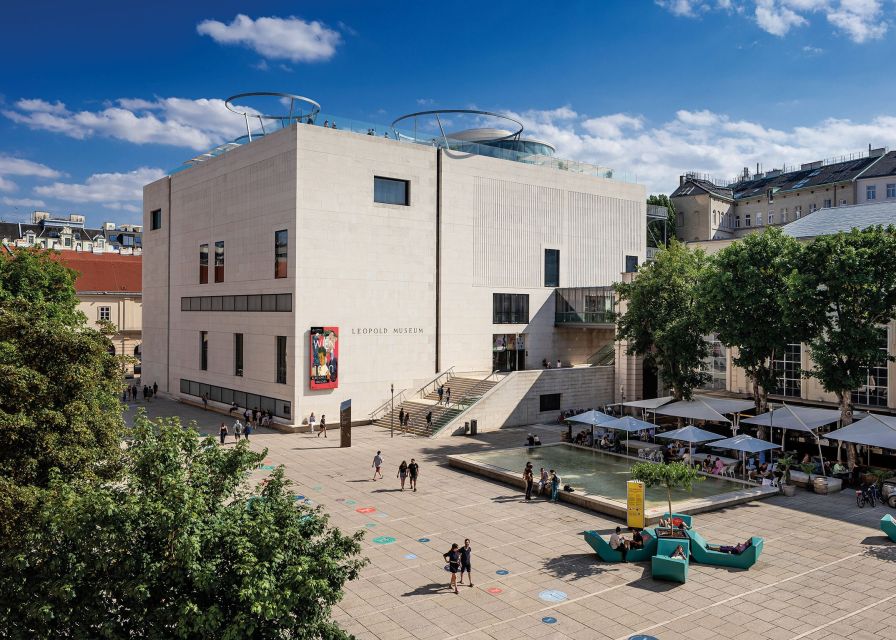
What really helps is the setting. The Leopold Museum sits in MuseumsQuartier, and the building is a bright, white limestone cube that feels modern right next to the older imperial stables nearby. You also get practical payoffs in the space itself, like good sightlines and panoramic windows looking toward Maria-Theresien-Platz and the Hofburg.
And if you need a breather, the on-site cafe is part of the rhythm of the day. Cafe Leopoldo is a popular light-lunch stop, and it is smart to plan for that rather than assuming you can grab a table whenever you want.
In This Review
- Key Points You’ll Care About Before You Go
- Skip-the-Line Entry at MuseumsQuartier, and Why It Works
- Plan Your 1-Day Visit: Timing, Pace, and What to Prioritize
- Egon Schiele at the Leopold Museum: The Main Event
- Gustav Klimt, Vienna Secession Energy, and the Pairing That Clicks
- Vienna Around 1900 Through Art Nouveau and Expressionism
- Wiener Werkstätte Objects: Design History You Can Actually See
- Rotating Special Exhibitions With International Loans
- The Leopold Museum Building: White Cube, Atrium Light, and City Views
- Cafe Leopoldo Breaks: A Good Rest Without Breaking the Day
- Value and Price: Is $22 Worth Your Time?
- Who Should Book This Ticket, and Who Might Not
- Should You Book the Leopold Museum Skip-the-Line Ticket?
- FAQ
- What is included with the Leopold Museum skip-the-line ticket?
- How much does the ticket cost?
- How long is the ticket valid?
- What are the opening hours?
- Does the ticket include an audio guide?
- Are guided tours included?
- Is there food or drinks included?
- Can I use a phone for entry, or do I need a printed ticket?
- Is the museum wheelchair accessible?
Key Points You’ll Care About Before You Go
- World-class Egon Schiele focus: Expect a large sweep of Schiele paintings and letters, presented as the museum’s defining strength.
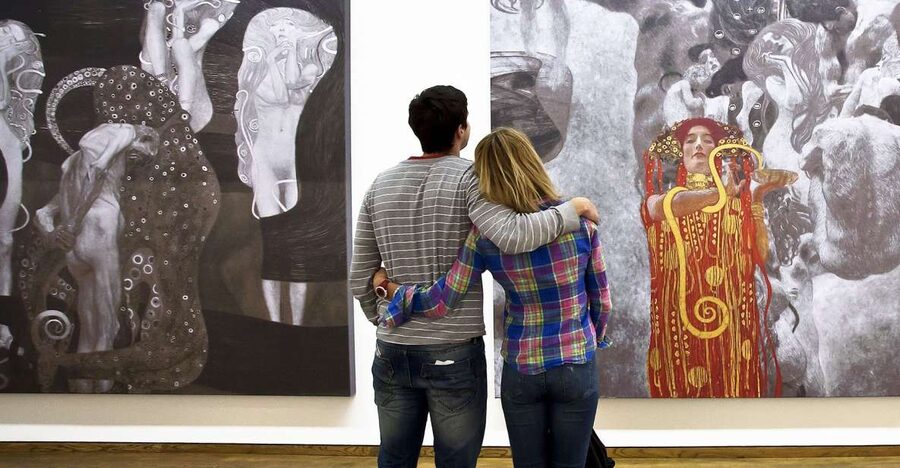
- Gustav Klimt right in the mix: You can pair Schiele’s intensity with major Klimt works during the same visit.
- Fin de Siècle context: The museum frames the Vienna around 1900 turn, tied to the Vienna Secession and Art Nouveau energy.
- Design history shows up too: Wiener Werkstätte objects are included, with items linked to names like Josef Hoffmann and Kolo Moser.
- Special exhibitions rotate: You get permanent collections plus changing exhibitions that may include precious international loans.
- Skip-the-line via QR: Entry is handled with QR scanning from your phone, which keeps your start smooth.
Skip-the-Line Entry at MuseumsQuartier, and Why It Works
This ticket is designed for a simple goal: get you into the Leopold Museum quickly, without wasting your best museum hours standing in line. With the skip-the-line setup, you can show up, scan, and start walking. That matters more than it sounds in Vienna, where a full day is usually a patchwork of transit, meals, and ticket timing.
The Leopold Museum is in MuseumsQuartier, so you are also building in some flexibility. If you arrive early, you can still settle your bearings in the area before you go in. If you need to adjust your day, you still have a full day for the museum visit once you enter.
One small practical caution: the ticket experience is tied to scanning, so have your phone ready at the entrance. There’s also a history of ticket formats being checked, and it is a good idea to keep your QR code accessible so staff can scan you fast.
Plan Your 1-Day Visit: Timing, Pace, and What to Prioritize
You have a 1-day window to use the ticket, and the museum is open daily except Tuesdays. The typical hours are 10:00 AM to 6:00 PM, with June, July, and August open every day of the week, and holidays also running 10:00 AM to 6:00 PM. That schedule affects the whole plan, because Tuesdays are the one obvious landmine if you are building your day around other MuseumQuartier stops.
For pace, I recommend thinking in layers, not rooms. Start with the permanent collections that anchor the museum, especially Schiele and Klimt. Then spend your middle hours on the exhibition area that changes, because special exhibitions can add a different mood or a different angle on the same era. Finish by walking the building and design sections more slowly, since those are the spaces where the museum’s logic becomes clear.
How long should you stay? Many people feel happy with a half-to-full day museum block, and the Leopold Museum is described as spread across multiple floors. If you are particularly Schiele-leaning, plan on more time. If you are time-boxed, you can still do a strong highlights pass, but you will have to choose.
Egon Schiele at the Leopold Museum: The Main Event
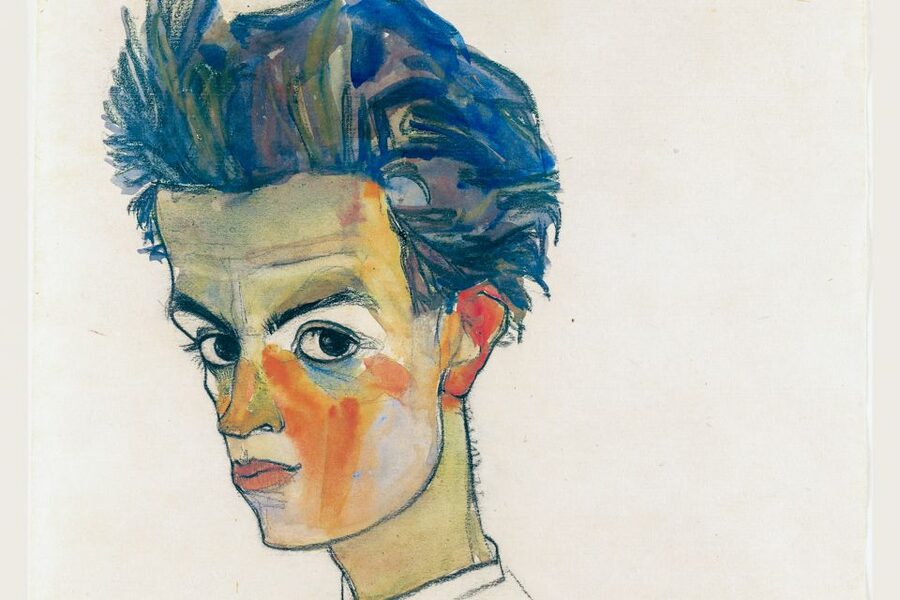
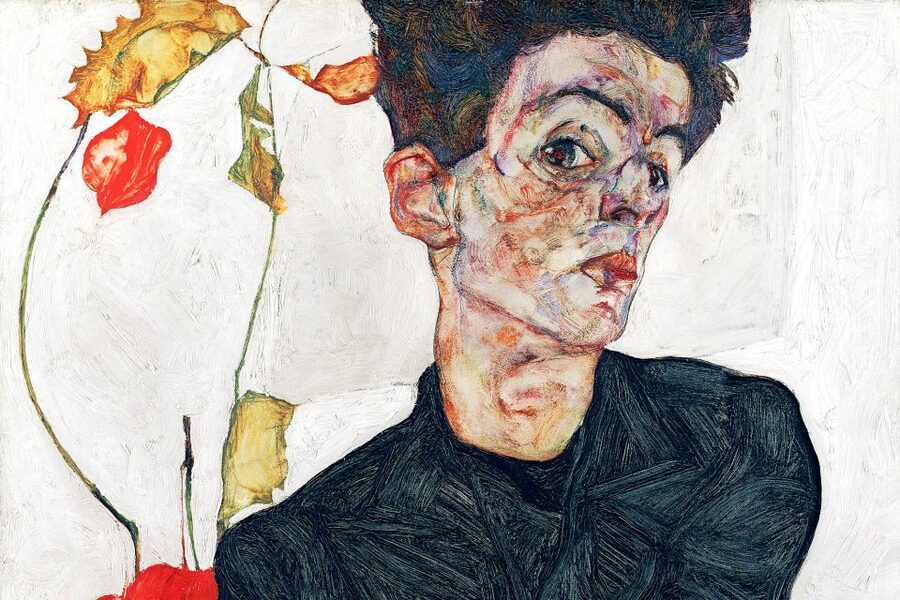
The headline here is Egon Schiele, with the museum widely described as housing the world’s most important and largest Schiele collection. That is not vague marketing. The experience is set up to make Schiele feel like the center of a whole universe, not just a single section of the museum.
In practical terms, you can expect a large body of work, often described as on the order of about 130 paintings and letters. That scale changes how you experience him. Instead of seeing one famous work and moving on, you get to notice shifts in style, subject matter, and emotional intensity over time.
I like going in with a simple mission: pick two or three works that really hit you, then use the surrounding pieces to figure out what is changing. Schiele’s power is in the details, not just the shock value. When you slow down, the work starts to feel less like a spectacle and more like a set of choices that an artist made on purpose.
One drawback to watch for: the intensity is real. If you are sensitive to raw emotional themes, pace yourself. Give your eyes a break between rooms, then come back to it.
Gustav Klimt, Vienna Secession Energy, and the Pairing That Clicks
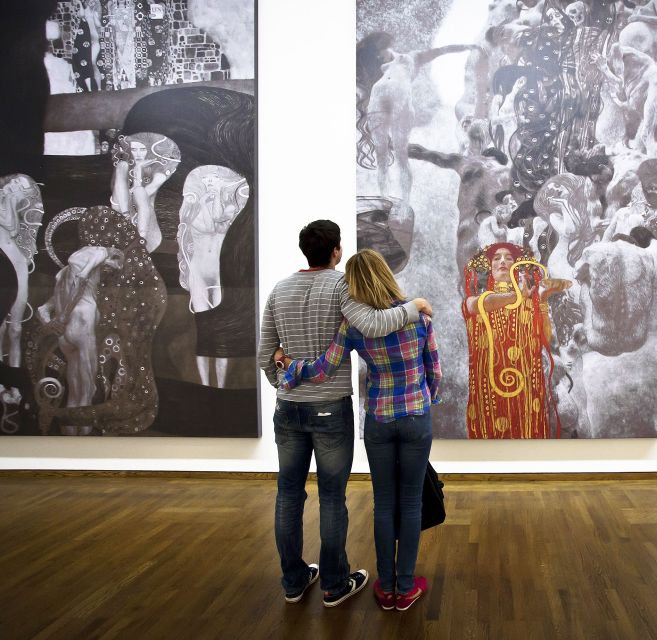
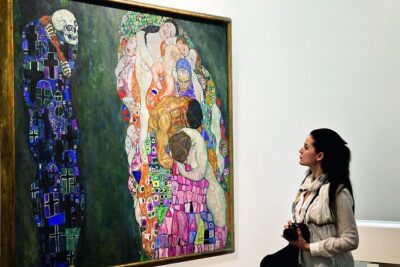
Gustav Klimt is part of the core collection, and the Leopold Museum is a smart place to see him alongside Schiele because it helps you understand the same era from different angles. Klimt brings a more famous visual language, while Schiele often feels more immediate and personal.
In the way the museum is arranged, you can treat your visit like a conversation between two styles. Klimt helps you recognize the Vienna Secession moment, where artists pushed back against older rules. Then Schiele helps you see what breaking those rules looked like on canvas.
The museum also focuses on Vienna around 1900, so you are not just collecting masterpieces in your mind. You are also getting context for why artists were changing the art world so fast. That framing can help you read the works faster, because you know what the museum thinks is the big story of the time.
If you already love Klimt, the Leopold Museum has a reason to bring you back again, because seeing the same artist in a different setting and pairing can feel surprisingly fresh.
Vienna Around 1900 Through Art Nouveau and Expressionism
This is not a museum that treats the early 1900s like a single straight line. It links Vienna around 1900 to a creative rupture, where artists questioned tradition and experimented with new forms. You get that through the museum’s Art Nouveau setting and the broader Expressionism tone.
The Vienna Secession is explicitly part of the story. That matters because it explains the visual confidence of the era. These artists were not only painting, they were building a new cultural identity for Vienna, tied to a modern attitude that still shows up in the city’s architecture.
I find this approach practical for visitors who get museum fatigue. Instead of staring at dozens of disconnected paintings, you can anchor your memory on the big turning points: what changed, who broke from what, and how the look of Vienna became part of the message.
And because the museum also includes related objects and design elements, you can connect the dots between what people made and how they wanted to live. Even if you are not a design nerd, the connection helps your brain organize what you are seeing.
Wiener Werkstätte Objects: Design History You Can Actually See
One of the more interesting aspects of the Leopold Museum is that it goes beyond painting. It includes works and objects created by artists of the Wiener Werkstätte, including names like Josef Hoffmann and Kolo Moser.
This is where the visit becomes more than just two or three artist brands. The Wiener Werkstätte angle helps you understand how aesthetics moved from the canvas into everyday life and objects. You can see how style and function were treated as part of the same conversation.
If you like museum experiences that teach you something practical without turning into a lecture, this section is a good match. You get to see how the era’s ideas traveled into design, and that makes the art feel more anchored in real culture.
If you are mainly there for Schiele or Klimt, the design section can still be worth your time. Even a brief, focused walk here helps you understand why Vienna’s artistic turn was not just an art movement, it was a lifestyle rethink.
Rotating Special Exhibitions With International Loans
The ticket includes admission to special exhibitions in addition to the permanent collections. Those special exhibitions change several times a year and can feature precious loans from around the world, which is a real value-add if you care about seeing something that you likely will not see if you only visit on a single date.
The key for you is prioritization. Specials can pull you in fast, especially if they relate to your favorite artists or themes. A smart plan is to spend enough time on the permanent collections first, so you do not end up chasing the special exhibit at the expense of the main reason you came.
I also like using specials as a way to break up your emotional rhythm. If Schiele feels intense, a special exhibition might offer a different palette, topic, or pace. If you love context, it can also deepen the story the museum is telling about Vienna around 1900.
The Leopold Museum Building: White Cube, Atrium Light, and City Views
The museum’s architecture is not just a nice backdrop. It sets expectations for how the art is framed. The building is described as a modern, light-flooded cube in white shell limestone, with colors reminiscent of Vienna’s Ringstrasse architecture. The contrast with the older imperial stables nearby creates an instant sense of time travel.
Inside, the light-flooded atrium gives you views into the building itself, plus unexpected sightlines out toward the city. The panoramic windows offer views of Vienna’s city center, including Maria-Theresien-Platz and the Hofburg.
This part is practical because it helps you reset during a long museum day. When you step into the atrium or linger near the windows, you get a breather that is not just sitting. It helps you remember that you are in Vienna, not only inside an exhibition.
If you take photos, do it thoughtfully. The best time is often after you have seen the main rooms, when you can connect what you’re photographing with what you just learned.
Cafe Leopoldo Breaks: A Good Rest Without Breaking the Day
Food and drinks are not included in the ticket, so you will need to plan meals yourself. The good news is that the Leopold Museum area includes Cafe Leopoldo, a stop many people see as a solid light-lunch option.
Cafe Leopoldo is described as a great place for a light lunch, and it is wise to book ahead. That tip alone can save you a lot of time stress. If you plan your meal early in the day, you can keep your museum time smooth and avoid getting stuck waiting for food while your energy drops.
My advice is to eat earlier than you think, or treat the cafe as your reset button mid-visit rather than an afterthought. When you do that, the museum feels like a day plan instead of a race to the end.
Value and Price: Is $22 Worth Your Time?
At $22 per person, the value depends on how you like to museum. If you are choosing one museum day for Vienna around 1900 art, this price can feel fair because you are getting admission to both the permanent collections and all special exhibitions. You are not paying extra for the rotating part.
The skip-the-line angle is also part of the value. Even a short wait can steal an hour from a museum day, and you only have so much daylight. Having fast entry helps you spend time looking instead of waiting.
Where the value tilts away is if you strongly want guided explanations or audio guidance and you planned on using them. Since audio guide and guided tours are not included, you may need to supplement your visit with your own reading time or other resources. That said, many people find the museum labels and exhibition presentation enough for a satisfying visit, especially if you focus on themes like Schiele, Klimt, and Vienna around 1900.
Overall, if you care about Egon Schiele and want a museum day that connects art, design, and context, $22 is a reasonable trade.
Who Should Book This Ticket, and Who Might Not
You should book if you love Egon Schiele, want Gustav Klimt nearby, and like museums that connect painting to the era’s broader design and cultural shifts. It is especially a good match if you want a guided feel without a formal guided tour, because the museum’s framing around Vienna around 1900 helps you read the collection as a coherent story.
It is also a good pick if you enjoy special exhibitions that rotate during the year. Since your ticket covers both permanent and special shows, you get more than one kind of experience in a single day.
It may not be the best fit if you are mainly interested in one single artist and you are short on time. In that case, you could spend less time here and see just the must-see highlights elsewhere. Or you can still book, but set expectations and decide your route before you enter.
Wheelchair accessibility is noted, which is helpful if you need a fully accessible museum visit.
Should You Book the Leopold Museum Skip-the-Line Ticket?
Yes, I think it is a smart booking for most art-focused Vienna days. You are paying for two big things at once: fast entry and admission to the museum’s main permanents plus its rotating special exhibitions. That combination is hard to beat if you want one coherent, high-impact museum day.
Book it if Schiele and Klimt are on your list, and if you like understanding the why behind the art, not only the what. Skip it only if you are strictly chasing one work or you know you want an included audio guide or a guided tour built into the price.
If you have one day and want it to count, this is the ticket to make your Vienna art detour feel like the plan.
FAQ
What is included with the Leopold Museum skip-the-line ticket?
The ticket includes admission to the permanent collections and admission to all special exhibitions.
How much does the ticket cost?
The price is $22 per person.
How long is the ticket valid?
The ticket is valid for 1 day.
What are the opening hours?
The museum is open daily except Tuesdays, 10:00 AM to 6:00 PM. In June, July, and August, it is open every day of the week, 10:00 AM to 6:00 PM. On holidays, it is also 10:00 AM to 6:00 PM.
Does the ticket include an audio guide?
No, the audio guide is not included.
Are guided tours included?
No, guided tours are not included.
Is there food or drinks included?
No. Food and drinks are not included.
Can I use a phone for entry, or do I need a printed ticket?
The entrance checks the QR code and accepts an electronic version.
Is the museum wheelchair accessible?
Yes, it is wheelchair accessible.
Vienna Art Museums, compared.
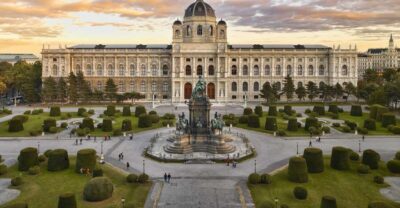 ★ 4.6Vienna Kunsthistorisches Museum Day Admission TicketFrom $253,690 reviews
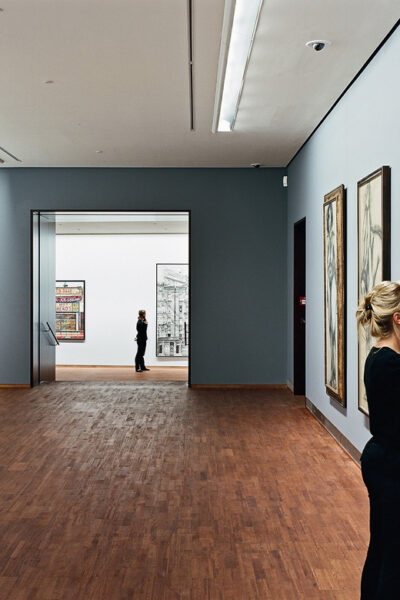 ★ 4.7Tickets for the Albertina ExhibitionsFrom $232,126 reviews
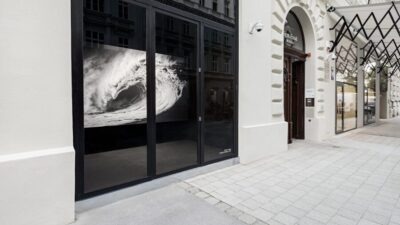 ★ 4.6Sigmund Freud Museum TicketFrom $181,668 reviews
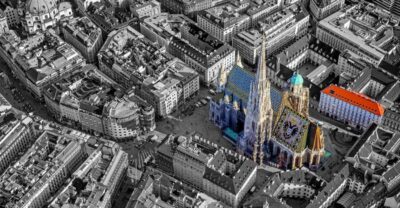 ★ 4.5Vienna: St. Stephen’s Cathedral & Dom Museum Wien TicketsFrom $341,652 reviews
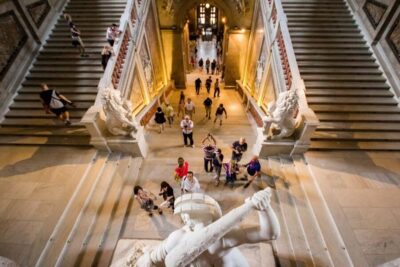 ★ 4.7Combo Ticket: Kunsthistorisches Museum & Imperial TreasuryFrom $37785 reviews
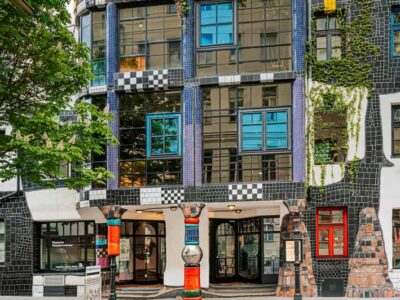 ★ 4.6Vienna: Tickets for Kunst Haus Wien: Museum HundertwasserFrom $18651 reviews
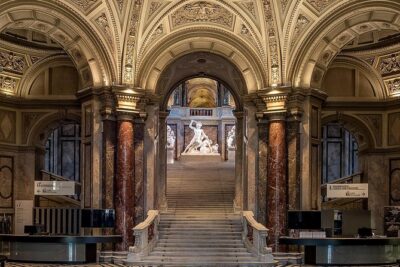 ★ 4.5Skip the Line: Kunsthistorisches Museum Vienna Entrance Ticket466 reviews
 ★ 4.5Leopold Museum Vienna Entrance TicketFrom $22440 reviews
This tour also sits in