
REVIEW · WALKING TOURS
Private Introduction to Vienna Walking Tour
Vienna is all layers, and this walk shows them fast. You get a private 3-hour introduction guided by an historian, timed to hit the city’s biggest “why it matters” moments without turning into a rushed highlights reel. I really liked the way the route mixes major sights with smaller architecture tells, like Adolf Loos’s color-blocking Loos House, and then pairs it with clear context you can actually remember.
Two things I especially liked: the personal pacing of a private group, and the storytelling focus on how Vienna’s power, religion, and politics show up in stone. One thing to consider: there’s no food stop built in, so you’ll want to plan water and a snack for the walk, especially if you’re starting on a busy morning.
In This Review
- Key things to love about this Vienna private intro
- Meeting Vienna’s power center at Michaelerplatz and the Hofburg
- Loos House, Kohlmarkt, and the Graben, a style tour with real clues
- Stephansdom to the Habsburg heart: three churches, one burial story
- Old city walls, Ottoman sieges, and the Ringstrasse shift
- Schwarzenbergplatz, Russian soldiers memorial, and embassy-area Vienna
- A quick Belvedere detour, then Karlsplatz Secession views
- Museums Quartier and Maria Theresien Platz, Vienna’s present-day direction
- Guides matter: why Selin, Biljana, Katarina, and Else stood out
- Price and value: what $566.25 per group really means for you
- Logistics that affect comfort: meeting point, timing, and walking pace
- Who should book this private Vienna introduction
- Should you book it? My practical take
- FAQ
- How long is the private introduction to Vienna walking tour?
- How much does the tour cost?
- Is the tour private or shared?
- Is pickup offered?
- Where is the meeting point?
- What language is the tour offered in?
- Are food and drinks included?
- Can I cancel for free?
Key things to love about this Vienna private intro
- Private historian guide with a pace that fits your group, not a giant crowd
- Michaelerplatz to the museum quarter route that gives you both landmarks and street-level orientation
- Habsburg tripartite burials explained in a way that makes the churches feel connected, not separate
- Ottoman siege remnants and the Ringstrasse shift shown as real city leftovers, not just a timeline
- Belvedere and Secession viewpoints, so you see more than one “Vienna style” at a time
- Excellent guide feedback from people who came with kids, since the tours stayed engaging
Other Vienna write-ups filed under Austria
- Vienna: Guided Walking Tour of City Center Highlights
★ 4.7 · 4,989 reviews - Vienna: Vienna Central Cemetery Guided Walking Tour
★ 4.8 · 3,307 reviews - Vienna: Guided Walking Tour of City Highlights & Hidden Gems
★ 4.9 · 2,180 reviews - Vienna: Viennese Underworld Guided Walking Tour
★ 4.7 · 1,865 reviews
Meeting Vienna’s power center at Michaelerplatz and the Hofburg
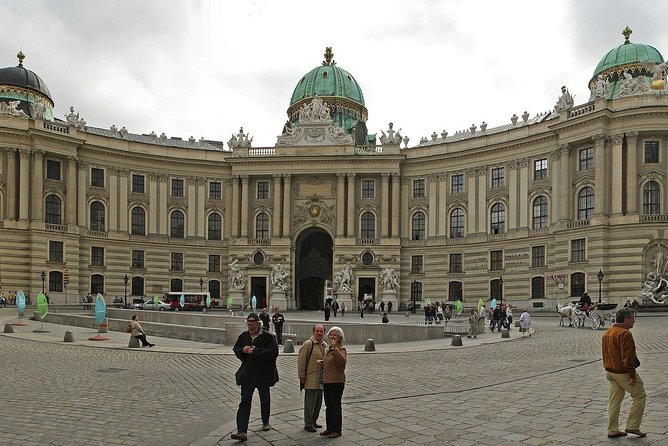
The tour starts in the inner city area around Michaelerplatz. This is a smart opening point because the square already gives you the “center of gravity” for Vienna. The Hofburg sits here as the Habsburgs’ imperial palace and seat of power since the 13th century, and your guide uses that location as a baseline for everything that comes next.
I like that you don’t just look at the palace and move on. The guide frames what the Hofburg represented, then links the rest of the route to that same idea: Vienna as a city where power is displayed, defended, and eventually rewritten.
If you’re the type who gets lost in “museum names” but remembers stories, you’ll appreciate how this start anchors the day. You’ll also get early practice for how to “read” Vienna as architecture, not just scenery.
Practical note: the meeting point is Dorotheergasse 6, near Cafe Hawelka. If you’re not arranged for hotel pickup, meet about 15 minutes early so you can start on time without stress.
Loos House, Kohlmarkt, and the Graben, a style tour with real clues
From Michaelerplatz, the walk goes down Kohlmarkt and into the Graben. These streets are famous for a reason, but what makes this part useful is the mix of architecture and street details that show up close by. Your guide points out how the city layers styles as if each century is adding its own label.
One standout in this stretch is the Loos House, designed by Adolf Loos. You’ll see it described as green and gray, and your guide uses it as a contrast to older imperial imagery. That contrast matters, because it helps you understand Vienna as a place that doesn’t freeze in one era.
Then the route turns toward the sights on the Graben. This is where you’ll come across items like a plague column and a baroque church. You’ll also walk past grand buildings in different architectural styles, ending up toward one of Vienna’s best-known icons: Stephansdom.
Here’s the best part for your “first morning in Vienna” brain. After this section, you start to recognize why people call the city visually consistent even when it’s historically chaotic. You’re learning the pattern, not just collecting photos.
Stephansdom to the Habsburg heart: three churches, one burial story
Stephansdom is the big stop you’ll hear about, and you’ll spend time approaching it through the guide’s larger theme. But the real “aha” moment is how the tour explains the Habsburgs’ tripartite burials.
Vienna does this in three locations tied to different parts of the same body story:
- St. Stephen’s Cathedral is presented as the final resting place for their imperial entrails.
- Nearby, the Capuchin Church is where the Habsburg rulers’ centuries of sarcophagi are housed.
- St. Augustine’s Church is linked to dozens of silver urns holding the hearts of the Habsburgs.
That might sound unusual, but it’s exactly why this tour works. You’re not just visiting churches, you’re seeing how power handled identity and memory, even at the level of what went where. The guide turns it into a map in your head.
If you enjoy history that connects religion, politics, and daily symbolism, this section will feel like the emotional center of the walk. It also gives you a reason to pay attention inside and around the sites, even if you’re not the type who normally goes full museum mode.
A consideration: this area means more standing and looking around churches. If your group has limited mobility, tell your guide early so they can adjust pacing. The tour is listed as suitable for most travelers, but “walking history” always needs a realistic check on comfort.
Old city walls, Ottoman sieges, and the Ringstrasse shift
One of Vienna’s best “quiet lessons” is that old history didn’t vanish. Along the edge of the inner city, you’ll examine remnants of the old city walls from the 12th century.
Your guide connects these walls to two Ottoman sieges, in 1529 and 1683. Then comes the crucial turn in the story. Those walls were eventually torn down to make way for the grand circular boulevard of the Ringstrasse, Vienna’s answer to Paris’s grand boulevards.
What I like about this part is that it’s not just a history lecture. You’re literally walking through the idea that city planning is a political decision. Old defenses get removed, new streets get built, and a new Vienna identity appears on the ground.
This is also where a private guide helps. If you’re curious, you can ask questions like what changed socially when the walls disappeared, or why boulevard life mattered. With a group tour, people sometimes feel stuck on “move along now.” With a private guide, the pacing can actually serve your questions.
Other Vienna write-ups filed under Austria

Schwarzenbergplatz, Russian soldiers memorial, and embassy-area Vienna
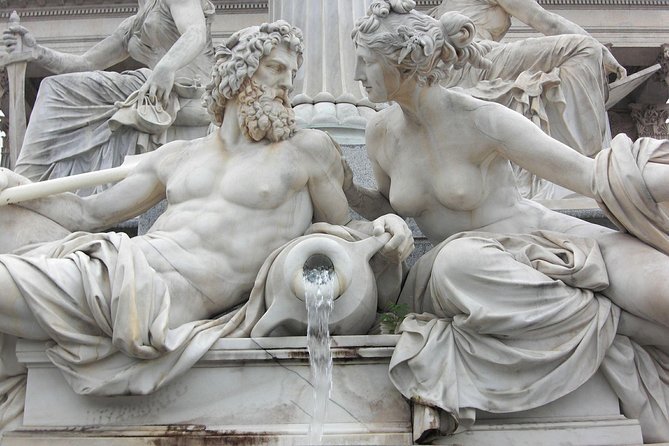
Next, the walk heads toward Schwarzenbergplatz. A massive fountain and memorial to the Russian soldiers who died liberating Vienna from the Nazis dominates the area. The guide uses the memorial as a gateway into how Vienna remembers 20th-century history and how that memory sits in everyday space.
Around here, most of the city’s embassies can be found. Even if you do not stop at any embassy gates, the setting helps you feel Vienna’s diplomatic role. You go from imperial palace storytelling into modern international presence, without the tour feeling like it jumps centuries too sharply.
If you like your history tied to geography, this stop gives you a clear location where you can “place” what you already read about European politics. It also prevents the common first-day problem of only seeing architecture and missing the political layer.
A quick Belvedere detour, then Karlsplatz Secession views
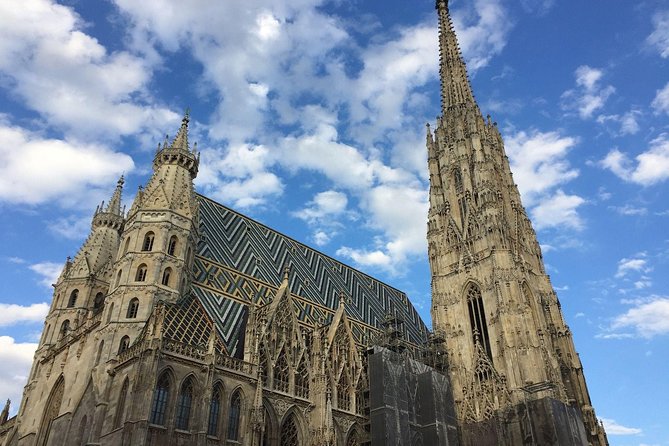
After Schwarzenbergplatz, the tour includes a quick detour to Belvedere Palace. Even when it’s brief, that stop works well because it gives you another strong Vienna landmark in the same half day. Belvedere helps you see why Vienna’s royal taste influenced art and architecture, not just court life.
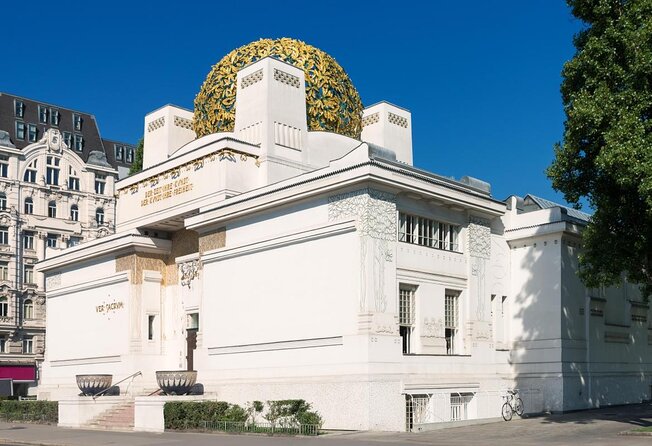
Then you head back toward Karlsplatz. This is where the tour score goes up for visual payoffs. You’ll enjoy a stunning view of one of the gold-domed Secession buildings. Right near it, you’ll also get to see the Naschmarkt area.
I like that your guide threads this part together with the theme of architectural change. Secession architecture is not “just another style.” It reflects a period where artists and architects challenged older norms. When you see it in relation to everything you’ve already walked past, it clicks faster.
Naschmarkt gives a different kind of contrast. Even if you do not linger long, it’s a reminder that Vienna is not only imperial and ceremonial. It’s also markets, everyday shopping streets, and food culture in motion.
Museums Quartier and Maria Theresien Platz, Vienna’s present-day direction
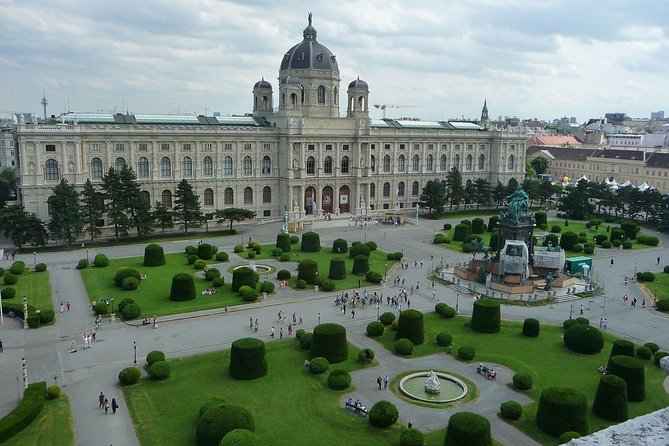
As the walk continues, you’ll weave through the Museums Quartier and toward Maria Theresien Platz. This area is described as the city’s largest concentration of museums, and the tour uses that space to discuss the present day orientation of Austria and its capital, culturally, politically, and economically.
This is a useful wrap for first-time visitors. A lot of history tours stop at the past. Here, the guide ties today’s identity into what you’ve seen, so Vienna feels less like a postcard and more like a working city with choices that still matter.
If you want to turn this tour into a smart next step, use this moment. Ask your guide what part of Austria’s present day shows up most in the museums area you’re near. Then you’ll have a clearer plan for what to do after the walk, instead of wandering with only a vague sense of “there are museums here.”
Also, you’ll understand why Vienna’s layout supports cultural density. The tour makes the geography feel intentional, not accidental.
Guides matter: why Selin, Biljana, Katarina, and Else stood out

The strongest pattern from top guide feedback is that the guides managed pacing without sacrificing detail. Names that come up clearly include Katarina, Selin, Biljana, and Else.
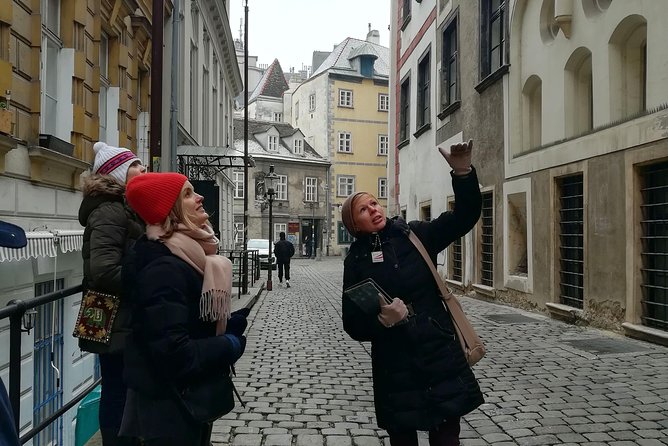
Katarina is highlighted for delivering a personal tour that worked well for a first morning in Vienna, especially for families. Selin is praised for customizing the route for a family and keeping it warm, with deep knowledge and attention to detail. Biljana is noted for a perfect pace and great storytelling that even made it fun for kids and young adults. Else is described as friendly, energetic, and highly knowledgeable, and also offered a practical tip that helped someone find a very good Italian trattoria.
If you’re trying to decide between a generic walking tour and this private introduction, this is the real value. A guide who can shape the day for your family, your interests, or your energy level makes the difference between “we saw things” and “we learned how Vienna fits together.”
Price and value: what $566.25 per group really means for you
This tour costs $566.25 per group, up to 10 people, and runs about 3 hours. For solo travelers, that price can feel steep compared with public tours. But for families or small groups, it often works out to a smarter deal than you’d expect.
At the maximum group size of 10, the cost is about $56.63 per person. If you have fewer people, it’s higher per head, but you still get something you do not get on most cheaper tours: a historian guide tailoring the flow to your group and a route built to give you a city orientation.
It’s also booked fairly in advance, with an average of 70 days. That tells me two things: timing often sells out, and people are choosing it early because it fits well as a first-day planning tool.
So think about it like this. If you want Vienna’s “big picture” and you care about having time to ask questions, this is the kind of spend that often saves time later. You will be better at picking your next stops because you understand the logic behind where things are.
Logistics that affect comfort: meeting point, timing, and walking pace
This is a walking tour, so comfort matters. The duration is about 3 hours, and the route covers a lot of well-known areas plus several architectural landmarks across the inner city. Wear shoes you can stand in, not just shoes you can walk in.
For timing, you’ll start at the meeting point near Cafe Hawelka at Dorotheergasse 6 if hotel pickup is not arranged. The instruction is to meet 15 minutes before start time, which gives you a cushion to find the guide and settle in.
It’s listed as offered in English, and you’ll receive confirmation at booking. You also get a mobile ticket, which is helpful for keeping everything in one place on the day.
If you’re traveling with kids or multiple generations, the private format helps. Reviews mention young adults enjoying the pace, and families using the guide to make the day feel personal rather than like a rushed school trip.
Who should book this private Vienna introduction
This tour is a strong fit if you want:
- A smart first orientation to Vienna’s main districts and landmarks
- A guide who can connect architecture to story, especially the Habsburg influence
- A route that balances major sights like Stephansdom with smaller, meaningful details
- A manageable first-day length that still leaves room for your own plans afterward
It may not be the best match if you prefer long museum time, lots of sitting breaks, or a tour that includes food and drink. Since food and drinks are not included unless specified, you’ll need to handle snacking and hydration on your own.
Also, because it’s private and up to 10 people, it’s ideal for families and small groups. If you travel solo, you might still enjoy it, but compare it to the cost of multiple smaller paid entries and free-walking time you could do yourself.
Should you book it? My practical take
Book this private introduction if you want Vienna to make sense quickly. You’ll walk from Hofburg power to Stephansdom symbolism, through the Habsburg burial story across three churches, past old city wall remnants tied to Ottoman sieges, and into modern embassy-area Vienna. Then you finish with Secession and market energy and end near Museums Quartier and Maria Theresien Platz, where the guide brings you back to the present.
I’d skip it only if you already have a deep interest in specific indoor sites and you’d rather spend the morning in one or two places without moving around much. For most first-timers, though, this is exactly the kind of structured city start that makes the rest of your trip easier.
FAQ
How long is the private introduction to Vienna walking tour?
The tour lasts about 3 hours.
How much does the tour cost?
It costs $566.25 per group, up to 10 people.
Is the tour private or shared?
It is private, meaning only your group participates.
Is pickup offered?
Pickup is offered. If hotel pickup is not arranged, you should meet the guide at Cafe Hawelka, Dorotheergasse 6, and arrive 15 minutes early.
Where is the meeting point?
The default meeting point is Cafe Hawelka, Dorotheergasse 6, 1010 Wien, Austria.
What language is the tour offered in?
The tour is offered in English.
Are food and drinks included?
Food and drinks are not included unless specified.
Can I cancel for free?
Yes, free cancellation is available. You can cancel up to 24 hours in advance for a full refund.
Walking Tours: Rest of the Austria File
- Vienna: Guided Walking Tour of City Center Highlights
★ 4.7 · 4,989 reviews - Vienna: Vienna Central Cemetery Guided Walking Tour
★ 4.8 · 3,307 reviews - Vienna: Guided Walking Tour of City Highlights & Hidden Gems
★ 4.9 · 2,180 reviews - Vienna: Viennese Underworld Guided Walking Tour
★ 4.7 · 1,865 reviews
Tours: Rest of the Austria File
- Vienna: Schönbrunn Palace & Gardens Skip-the-Line Tour
★ 4.7 · 7,739 reviews - Vienna Spanish Riding School Guided Tour
★ 4.7 · 6,765 reviews - Vienna: Skip-the-Line Sisi Museum, Hofburg and Gardens Tour
★ 4.8 · 5,918 reviews - Vienna: Skip-the-Line Schönbrunn Palace & Gardens Tour
★ 4.8 · 5,411 reviews
Tour Reviews: Rest of the Austria File
- Vienna: Vivaldi’s Four Seasons Concert in Karlskirche
★ 4.7 · 14,951 reviews - Vienna: Schönbrunn Palace & Gardens Skip-the-Line Tour
★ 4.7 · 7,739 reviews - Vienna: Light of Creation Votive Church Immersive Light Show
★ 4.8 · 6,779 reviews - Vienna Spanish Riding School Guided Tour
★ 4.7 · 6,765 reviews
Newest Vienna write-ups on file
- Vienna: Private Walking Tour to The Hofburg & Graben Street★ 5.0 · 3 reviews
- Vienna: Private tour Mauthausen and Linz★ 4.1 · 3 reviews
- Vienna Private Full Day Tour – Tickets to Schönbrunn & Lunch★ 5.0 · 3 reviews
- Vienna: Johann Strauss 200th birthday anniversary exhibition★ 4.7 · 3 reviews
- Vienna: Full-Day Vienna Woods Wine Tasting Tour★ 5.0 · 3 reviews
- Vienna: Festive Season and New Year’s Eve Waltz Workshop★ 5.0 · 3 reviews
Walking Tours, compared.
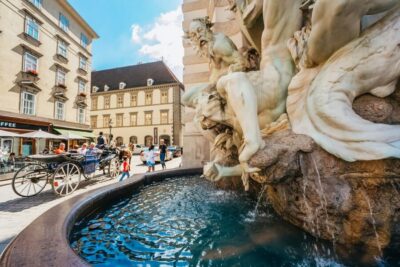 ★ 4.7Vienna: Guided Walking Tour of City Center HighlightsFrom $254,989 reviews
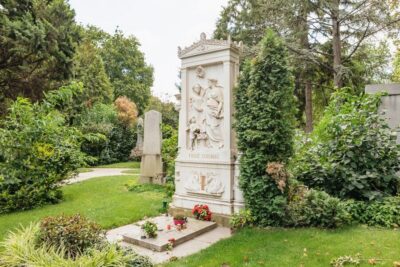 ★ 4.8Vienna: Vienna Central Cemetery Guided Walking TourFrom $3353,307 reviews
 ★ 4.9Vienna: Guided Walking Tour of City Highlights & Hidden GemsFrom $272,180 reviews
 ★ 4.7Vienna: Viennese Underworld Guided Walking TourFrom $371,865 reviews
 ★ 4.8Vienna: World War II Historical Walking TourFrom $311,772 reviews
 ★ 5.0Vienna Historic Center Small Group Walking TourFrom $721,746 reviews
 ★ 4.6Vienna: Private Walking Tour with a Local GuideFrom $551,420 reviews
 ★ 4.9Vienna: 1.5-Hour Underground Walking TourFrom $321,146 reviews
This tour also sits in