
REVIEW · INNSBRUCK & TYROL TOURS
Innsbruck: Tickets for Schloss Ambras
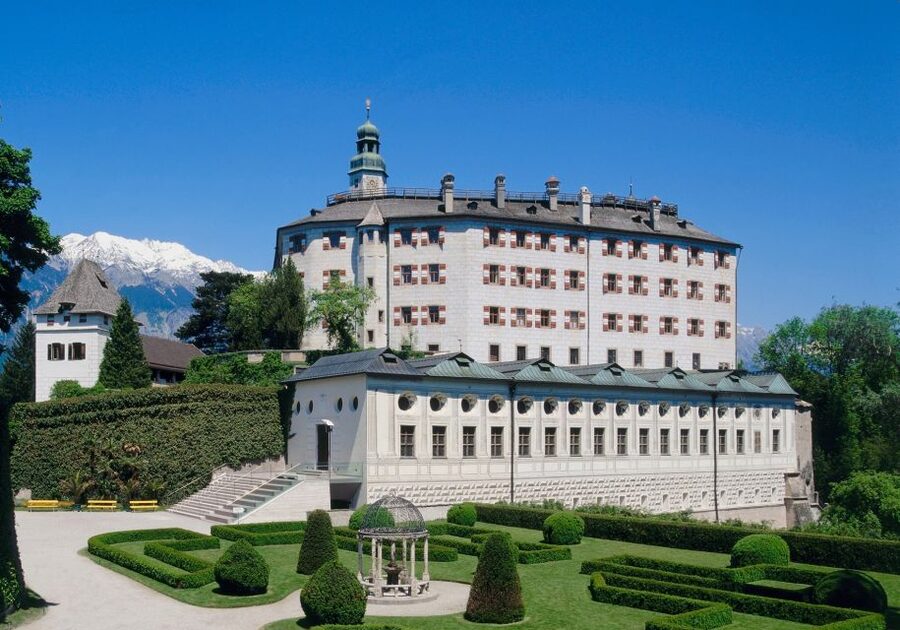
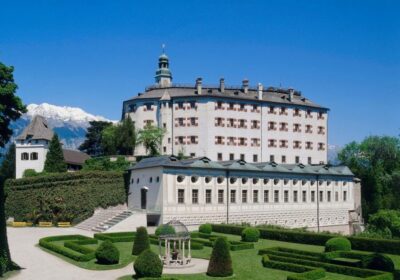
Schloss Ambras is one of those places that feels both strange and very planned. You’re stepping into the collecting passion of Renaissance prince Ferdinand II, with the Kunst- und Wunderkammer and armor rooms that mix art, science, and theater in the same breath.
I especially love how the museum tells you what people thought was amazing, not just what modern guides call important. The experience also has a strong visual punch, which makes it work nicely for families.
The second thing I like is the portrait gallery. The Habsburg portrait gallery runs across centuries and includes major names like Lucas Cranach, Giuseppe Arcimboldo, Peter Paul Rubens, Anton van Dyck, and Diego Velázquez, with more than 200 paintings in all.
One possible drawback: this is admission to the museum, not a built-in guided tour or audio guide. If you want someone to connect the dots, you will likely need a private guide or your own plan for what to focus on.
In This Review
- Key highlights worth aiming for
- Tickets for Schloss Ambras: what you’re paying for
- Schloss Ambras is Renaissance collecting, not just a building
- Kunst- und Wunderkammer: the chamber of art and wonders
- The Tödlein and why it matters
- The armories: tournament, ceremonial, generals, and the Turkish Chamber
- Tournament armor is about display
- The Turkish Chamber: fear and fascination in one space
- Antiquarium and the Habsburg portrait gallery of 200+ paintings
- Antiquarium: the collector’s sense of time
- The Habsburg portrait gallery: a visual timeline
- A practical way to tackle 200+ paintings
- How to pace a full day without feeling rushed
- Give yourself permission to stop
- Don’t forget the “non-art” part
- Who this experience is perfect for
- Families and kids
- Art lovers with a curiosity streak
- History buffs who dislike dusty tours
- Value check: is $16 worth it?
- Should you book Schloss Ambras tickets for your Innsbruck day?
- FAQ
- What is included in the Schloss Ambras ticket?
- Is an audio guide included?
- How much are the tickets and how long are they valid?
- Where do I meet for Schloss Ambras?
- What language options are available?
- Are there free admissions for tour guides?
Key highlights worth aiming for
- Kunst- und Wunderkammer with priceless objects, including items made of coral or ivory
- Odd-but-smart curiosities like a compass attachment and objects from distant places such as the Ryukyu bowl
- Haarmensch and other portraits of people treated as marvels of the natural world
- Tournament and ceremonial armor, plus the Turkish Chamber, reflecting both fear and fascination from the 1500s
- More than 200 Habsburg portraits, spanning from Albrecht III to Emperor Franz II (I)
Tyrol entries beyond Innsbruck
- Tyrolean Evenings Family Gundolf in Innsbruck
★ 4.7 · 975 reviews - Innsbruck Swarovski Crystal Worlds Ticket and Transfer
★ 4.6 · 658 reviews - Innsbruck: City Card Including Public Transport
★ 4.7 · 437 reviews - Tyrolean Folk Show Ticket in Innsbruck
★ 4.5 · 429 reviews
Tickets for Schloss Ambras: what you’re paying for
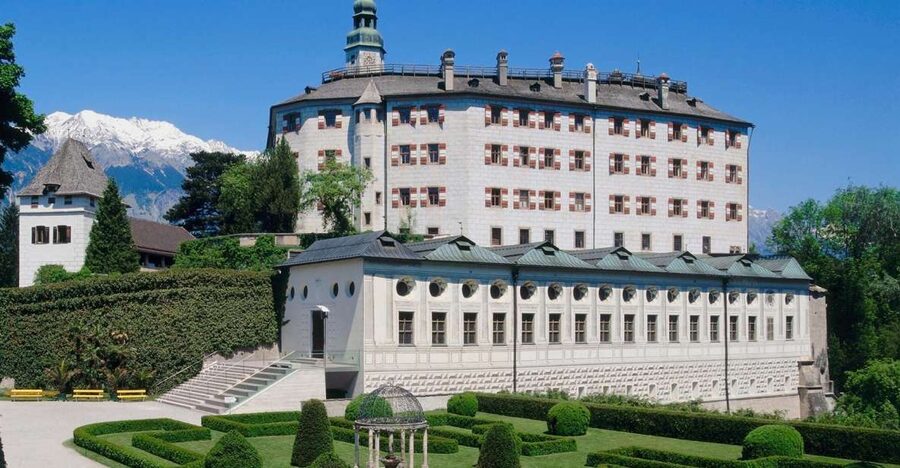
At about $16 per person, you’re buying admission to Schloss Ambras in Innsbruck for a visit that fits within a single day. The ticket is valid for 1 day, and you’ll see available starting times, so you can choose a slot that matches your Innsbruck pace.
What I like about this setup is that it keeps your day flexible. There’s no “tour pressure” built in, so you can slow down for the rooms that grab you and skim the rest.
One practical note: audio guide and guided tour are not included. If you like commentary, plan to bring your own notes, download something in advance (if available to you), or arrange a private guide.
Meeting point is Schloss Ambras at Schlossstrasse 20, 6020 Innsbruck, so it’s straightforward to plug into your day.
Schloss Ambras is Renaissance collecting, not just a building
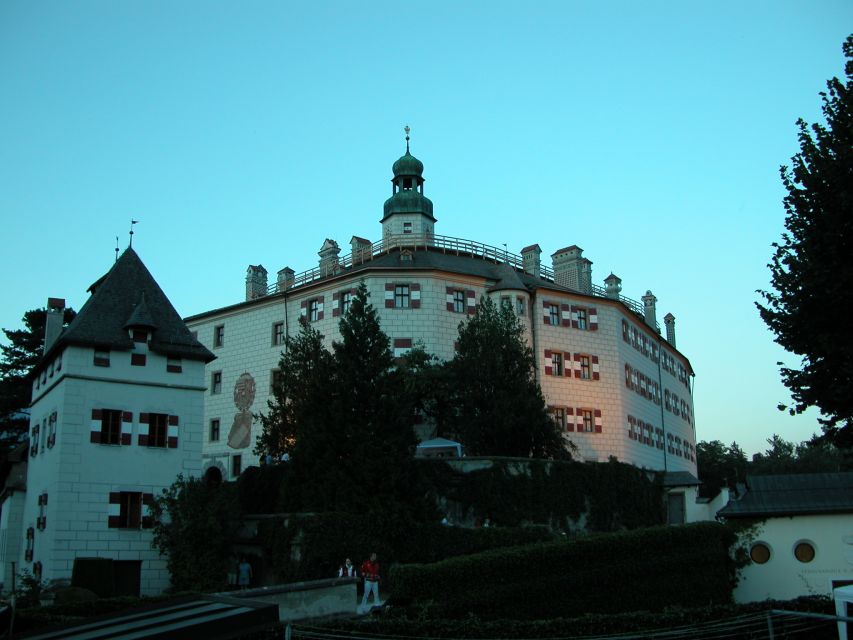
Schloss Ambras works because it doesn’t feel like a dead history lesson. It feels like a Renaissance collector’s mind at work, especially prince Ferdinand II (1529 to 1595), who turned this site into a living scrapbook of what fascinated people in his era.
You’re not only looking at art. You’re also seeing a world where scientific tools, artworks, natural oddities, and armor all belong in the same collecting story. That’s why the museum can feel surprising even if you usually prefer classic galleries.
If you enjoy “how did they think?” questions, this is a good fit. You’ll keep noticing the 1500s and 1600s logic behind the displays, like why an object could be both a weapon, a status symbol, and a symbol of power over foreign enemies.
Kunst- und Wunderkammer: the chamber of art and wonders
This is the headline room for a reason. The Kunst- und Wunderkammer is described as an encyclopedic, universal collection, meant to capture knowledge as it existed at the time. Translation: it’s not only about beauty, it’s about what counted as amazing, rare, and worth keeping.
Inside, you’ll find outstanding art objects alongside scientific items. One detail worth planning for is the museum’s mix of materials and categories. You might move from something decorative to something technical in the next display, and that contrast is the point.
Here are some highlights to look for as you go:
- Objects made of ivory or coral, showing how precious materials carried status
- Portraits of people considered “miracles,” including the Haarmensch
- A scientific object like an attachment with compass (Aufsatz mit Kompass)
- Items from distant countries, including the Ryukyu bowl (Ryuku-Schale)
What this means for you: you can tailor your interest. If you love art, focus on the portraits and crafted objects. If you like science or early technology, pay attention to the instruments and how they were displayed as knowledge.
The Tödlein and why it matters
The collection mentions the Tödlein, which is the kind of object that makes Wunderkammer museums memorable. Even if you don’t know what you’re looking at at first glance, the goal is to show how Renaissance collectors valued rare objects that sparked curiosity and debate.
If you’re visiting with kids, this is the section where their questions tend to come easiest. The displays are designed around wonder: unusual materials, odd subjects, and objects that look too strange to be accidental.
Other Innsbruck write-ups filed under Austria

The armories: tournament, ceremonial, generals, and the Turkish Chamber
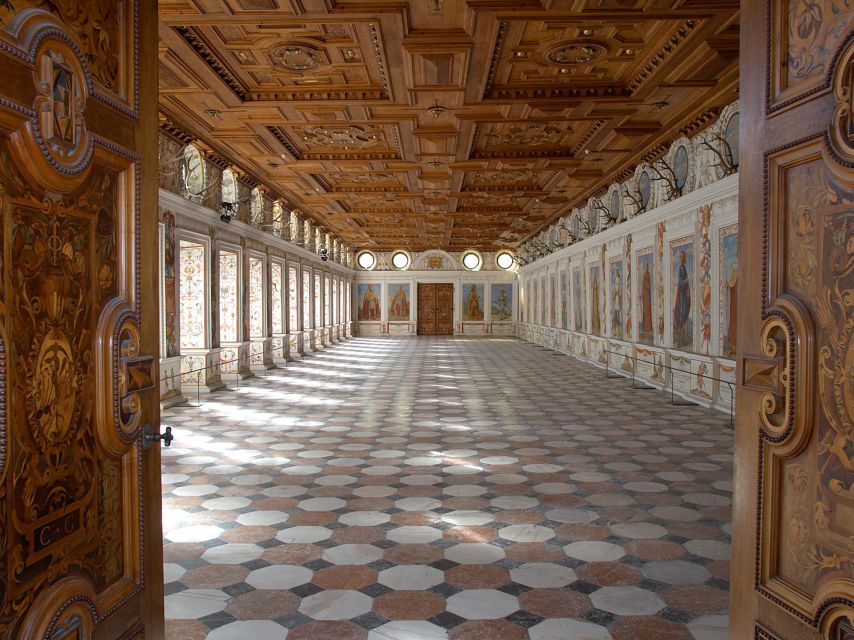
After the Wunderkammer, the museum shifts tone. The armories bring you into the world of power and performance, where armor wasn’t only protection, it was spectacle, identity, and politics.
The collection includes:
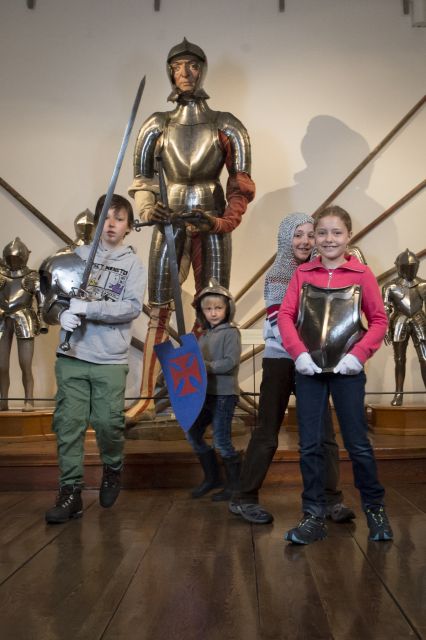
- Rare tournament armor
- Ceremonial armor for courtly feasts
- The armor of famous generals
- The Turkish Chamber (Türkenkammer) of Ferdinand II
I like how this part of the visit makes the Renaissance feel practical. You’re seeing how wealth and authority were worn, not just talked about.
Tournament armor is about display
Tournament armor was built for events where showing skill and status mattered. The details in these pieces often feel like they were designed to be admired up close, not hidden away.
For you, it’s a good pause from the Wunderkammer’s curiosity vibe. You can switch from “What is it?” to “What was the role of this in court life?”
The Turkish Chamber: fear and fascination in one space
The Turkish Chamber is described as documenting both fear of the Turks and enthusiasm for the Orient in the 16th century. That dual message is important.
It means the room is not just decorative. It’s a snapshot of how early modern Europe viewed the wider world, mixing anxiety with fascination. Even if you don’t know the deeper political context, you can still read the collection as a story about contact, conflict, and the urge to categorize what’s foreign.
Antiquarium and the Habsburg portrait gallery of 200+ paintings
Two major art sections anchor the rest of the Schloss Ambras visit: the Antiquarium and the Habsburg portrait gallery.
Antiquarium: the collector’s sense of time
Antiquarium is one of those names that hints at what you’ll feel in the room. It’s tied to the idea of classical objects and past eras, which pairs naturally with Ferdinand II’s collecting mentality.
I see it as a bridge. After the armories and Wunderkammer, you get a sense of continuity, how collecting moved from cabinets of curiosities toward structured collections of art and culture.
If you like museums where “themes” are physical, this section helps. It also gives you variety so the day doesn’t feel like a nonstop switch from one odd thing to another.
The Habsburg portrait gallery: a visual timeline
The Habsburg portrait gallery holds more than 200 paintings. The time span runs from Albrecht III (1349 to 1395) to the reign of Emperor Franz II (I) (1768 to 1835).
That’s a huge range, and it’s exactly why I think this gallery is a smart use of your time. You’re not only seeing individual portraits, you’re seeing how image-making changed across generations.
Also, the museum highlights major artists whose names many people recognize:
Lucas Cranach, Giuseppe Arcimboldo, Peter Paul Rubens, Anton van Dyck, and Diego Velázquez.
What you can do with this: pick a few artists and stay with them for several rooms. Instead of trying to absorb everything, focus on how style, pose, and presentation shift. This approach keeps the gallery from becoming overwhelming.
A practical way to tackle 200+ paintings
A gallery of more than 200 works can be a lot. My advice is to set a small goal, like finding:
- One artist style you want to compare
- One or two portraits that feel unusually expressive or symbolic
- One moment in the timeline that looks like a turning point
This keeps the day feeling personal, not like a checklist.
How to pace a full day without feeling rushed
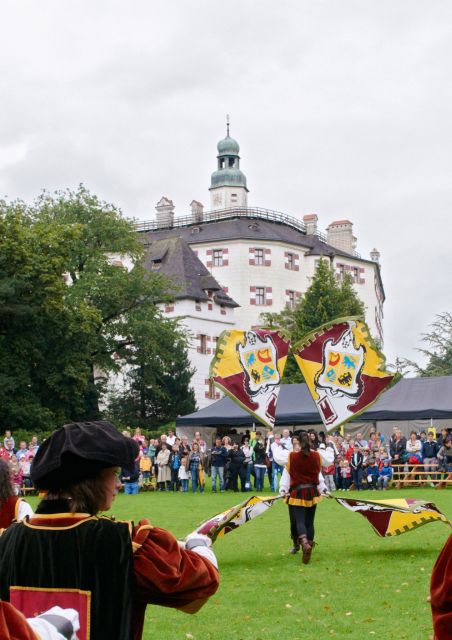
You only need one day, but Schloss Ambras can still feel like a lot if you try to do everything at maximum speed. Since this is admission rather than a guided script, pacing is on you, and that’s both a freedom and a trap.
Here’s a simple pacing plan that fits the museum’s structure:
- Spend enough time in the Kunst- und Wunderkammer to see the range of categories
- Give the armories time to register, especially the Turkish Chamber
- Save a solid chunk for the Habsburg portrait gallery so you don’t end up skipping details
Give yourself permission to stop
The best moments here tend to happen when you stop and look longer than you planned. The Wunderkammer is full of objects that feel like they should have footnotes, and portraits can reveal story cues in clothing and expression.
If you’re the type who reads labels closely, you’ll naturally slow down. That’s fine. This museum rewards careful watching.
Don’t forget the “non-art” part
Even if you love painting, remember that this visit is also about scientific objects and unusual materials like coral and ivory. Treat those as equal acts of creativity. That’s the museum’s theme, and it changes your whole experience.
Who this experience is perfect for
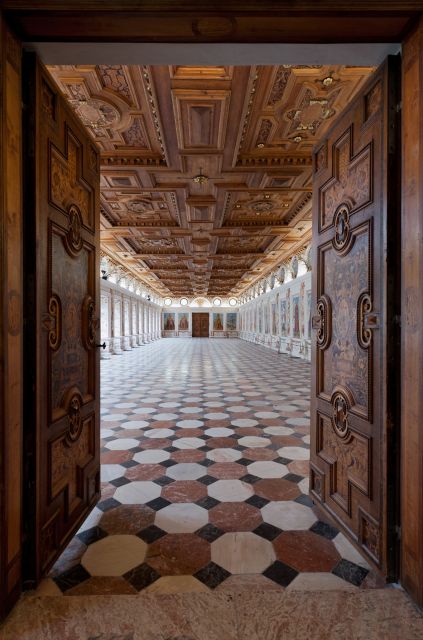
This is a strong choice if you like museums that mix categories. If you prefer only one type of art, you might feel pulled in too many directions. But if you enjoy connections between art, politics, science, and collecting, Schloss Ambras fits your interests well.
Families and kids
One review notes it works well for kids, and I can see why. You have striking objects, weird portraits, and the armor rooms bring action into the mix. If your kids like odd creatures, costumes, or “wow” objects, this day will likely land better than a standard painting-only stop.
Art lovers with a curiosity streak
If you know artists like Rubens, Van Dyck, or Velázquez, you’ll enjoy the portrait gallery. If you also like early scientific instruments and the idea of how Renaissance collectors assembled “world knowledge,” you’ll feel right at home.
History buffs who dislike dusty tours
Because this ticket gives you admission rather than a forced narrative, you can shape the story you want. You can focus on Ferdinand II’s collection style, or you can focus on armor and political culture, and still get the full benefit.
Value check: is $16 worth it?
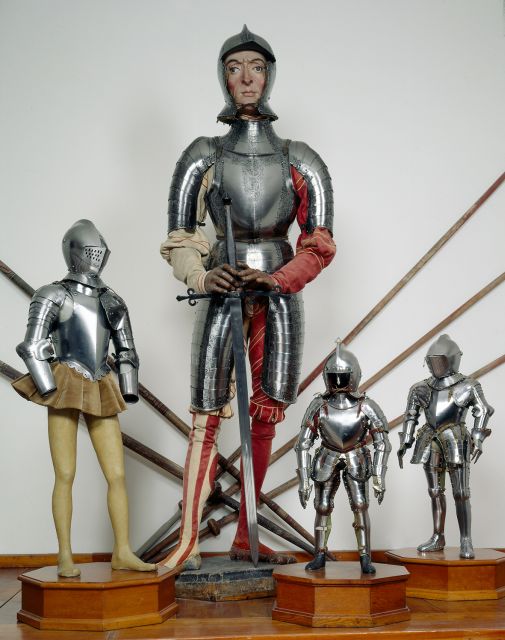
For $16, you’re getting access to several major parts of a major Innsbruck attraction, including the chamber of art and wonders, the armories, and the Habsburg portrait gallery with more than 200 paintings. That’s strong value compared to experiences where you pay a similar amount but get only one room.
The main thing that affects value for you is whether you want interpretation. Since audio guide and guided tour are not included, you may want to bring a plan for what to focus on, especially for the Wunderkammer and armories. If you don’t care about labels and you’re fine reading visuals, you’ll likely feel fully satisfied.
Should you book Schloss Ambras tickets for your Innsbruck day?
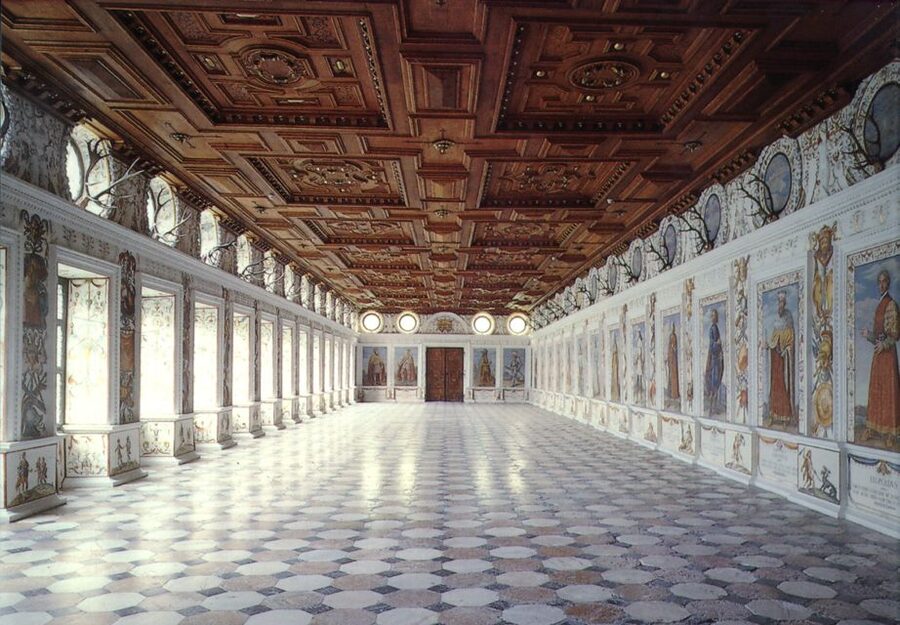
Yes, I’d book it if your Innsbruck trip has room for a museum day that feels unusual, not generic. Schloss Ambras is built around Ferdinand II’s passion for collecting, so you get a mix of Kunst- und Wunderkammer oddities, armor that tells political and cultural stories, and a portrait gallery that’s big enough to feel like a real art event.
Skip it or think twice only if you strongly prefer guided explanation and you do not want to manage your own focus inside the museum. In that case, you might still go, but consider adding a private guide so the objects click faster.
FAQ
What is included in the Schloss Ambras ticket?
Admission to Schloss Ambras in Innsbruck is included.
Is an audio guide included?
No, an audio guide and a guided tour are not included.
How much are the tickets and how long are they valid?
The price is $16 per person, and the ticket is valid for 1 day. Starting times depend on availability.
Where do I meet for Schloss Ambras?
The meeting point is Schloss Ambras, Schlossstrasse 20, 6020 Innsbruck.
What language options are available?
Languages information is provided, and the activity notes that cancellation is available up to 24 hours in advance for a full refund.
Are there free admissions for tour guides?
Yes, but only under specific conditions: voucher booking is required, only 1 tour guide per group receives free admission if they accompany the group, and the group must be at least 10 people. State-certified tourist guides always receive free admission.
Tickets: Rest of the Austria File
- Top of Innsbruck: Roundtrip Cable Car Ticket
★ 4.8 · 701 reviews - Innsbruck Swarovski Crystal Worlds Ticket and Transfer
★ 4.6 · 658 reviews - Tyrolean Folk Show Ticket in Innsbruck
★ 4.5 · 429 reviews - Innsbruck: Alpenzoo & Top of Innsbruck Combination Ticket
★ 4.6 · 362 reviews
Tour Reviews: Rest of the Austria File
- Tyrolean Evenings Family Gundolf in Innsbruck
★ 4.7 · 975 reviews - Top of Innsbruck: Roundtrip Cable Car Ticket
★ 4.8 · 701 reviews - Innsbruck Swarovski Crystal Worlds Ticket and Transfer
★ 4.6 · 658 reviews - Innsbruck: City Card Including Public Transport
★ 4.7 · 437 reviews
Tyrol Beyond Innsbruck
- Tyrolean Evenings Family Gundolf in Innsbruck
★ 4.7 · 975 reviews - Top of Innsbruck: Roundtrip Cable Car Ticket
★ 4.8 · 701 reviews - Innsbruck Swarovski Crystal Worlds Ticket and Transfer
★ 4.6 · 658 reviews - Innsbruck: City Card Including Public Transport
★ 4.7 · 437 reviews
Newest Innsbruck write-ups on file
- CITY QUEST INNSBRUCK: uncover the secrets of this city!★ 5.0 · 3 reviews
- Innsbruck Old town walking tour★ 4.5 · 3 reviews
- Innsbruck: Christmas Tour with a licensed guide★ 5.0 · 3 reviews
- Private tour of Tyrol’s beer history★ 5.0 · 4 reviews
- Food Tour : Culture & Culinary in Innsbruck’s Old Town★ 5.0 · 4 reviews
- Innsbruck: Walking Traditional Food Tour★ 5.0 · 4 reviews
Innsbruck & Tyrol Tours, compared.
 ★ 4.7Tyrolean Evenings Family Gundolf in InnsbruckFrom $45975 reviews
 ★ 4.8Top of Innsbruck: Roundtrip Cable Car TicketFrom $59701 reviews
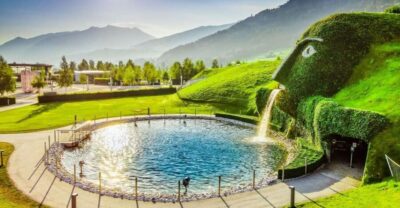 ★ 4.6Innsbruck Swarovski Crystal Worlds Ticket and TransferFrom $40658 reviews
 ★ 4.5Combi Entrance Ticket to Alpine Zoo and HungerburgFrom $27637 reviews
 ★ 4.7Innsbruck: City Card Including Public TransportFrom $81437 reviews
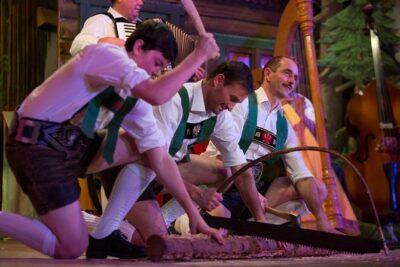 ★ 4.5Tyrolean Folk Show Ticket in InnsbruckFrom $47429 reviews
 ★ 4.6Innsbruck: Alpenzoo & Top of Innsbruck Combination TicketFrom $71362 reviews
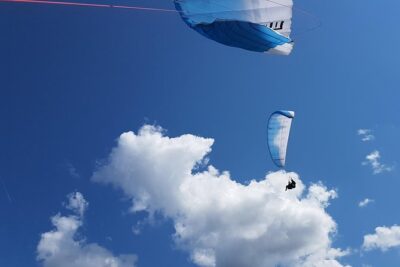 ★ 5.0Tandem paragliding in the Stubai Valley near InnsbruckFrom $151298 reviews
This tour also sits in