
REVIEW · HALLSTATT EXCURSIONS
Hallstatt Private Walk Tour
Hallstatt packs centuries into 90 minutes. I love the expert-led heritage storytelling that turns everyday streets into a clear history lesson, and I love that you hit major Hallstatt landmarks like the market, church, and salt mine during the walk. It is a scenic place, yes, but the real payoff is how the guide connects what you see to what came before.
One possible drawback to plan around: entrance fees are not included, so stops like the salt mine can cost extra if you choose to go in. You will be in a private group with a local guide, and the reviews specifically highlight the guide Christiana (sometimes spelled Christina) for clear, friendly explanation in English or German.
In This Review
- Key highlights at a glance
- Why Hallstatt feels like a time machine on foot
- Meeting at the Franz Josef I monument, then getting oriented fast
- Neolithic and Bronze Age wonders, explained where you can actually see them
- The European Iron Age, Hallstatt culture, and what to watch for
- La Tène culture cues you can connect to the walk
- Market, church, and salt mine: the stops that make it feel real
- Private group pacing and why the guide matters more than you think
- Price and value: $289 per group up to 15 for 90 minutes of guided heritage
- Who should book this Hallstatt private walk tour
- Quick practical tips before you go
- Should you book it or skip it?
- FAQ
- FAQ
- How long is the Hallstatt Private Walk Tour?
- How much does the tour cost?
- Is this tour private or shared?
- Where is the meeting point?
- What languages are available?
- Are entrance fees included?
- What should I bring?
- What is the cancellation policy?
- Is there an option to pay later?
Key highlights at a glance
- Private guide for just your group: no crowd pushing, you can ask questions and set the pace.
- Neolithic through Iron Age themes: the walk connects early periods to Hallstatt culture.
- La Tène culture and European Iron Age context: you get a framework for what you are seeing.
- Town core walk with major stops: market area, church, and the salt mine are part of the route.
- 90 minutes that fit a day trip: enough time for meaning, not so long you lose daylight.
Hallstatt runs vary; here are others
- Hallstatt: 2-Hour Guided Walking Tour with Photographer
★ 5.0 · 152 reviews - From Vienna: Hallstatt Guided Day Tour
★ 4.9 · 92 reviews - From Vienna: Melk, Salzburg, and Hallstatt Private Tour
★ 4.9 · 63 reviews - From Prague: Private Hallstatt Alps Day Trip with Lakeside Picnic
★ 5.0 · 32 reviews
Why Hallstatt feels like a time machine on foot
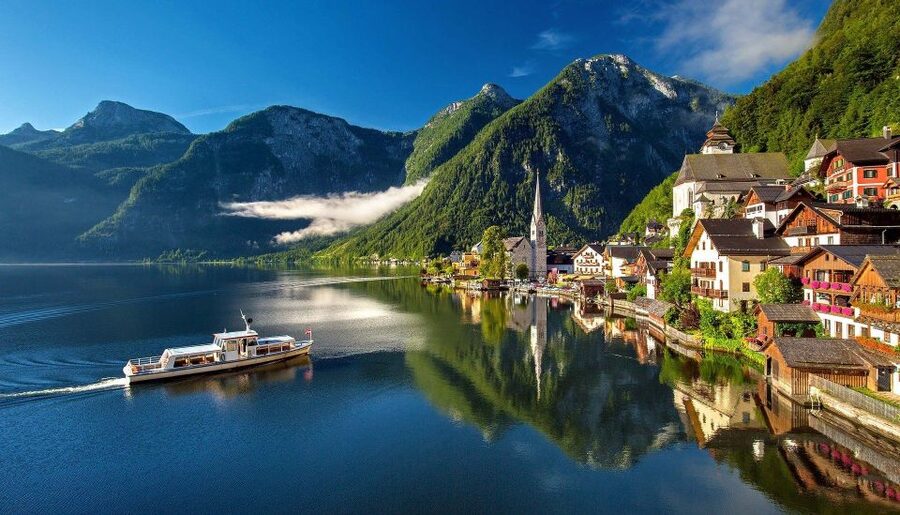
Hallstatt is one of those rare European towns where the setting does half the work for you. The town sits on a narrow strip between the lake and the mountains, so even a simple walk feels like you are moving through a postcard. But this tour is not just about views. It is built around teaching you how the place relates to the cultures that formed here, starting with early periods and then stepping into the Iron Age.
What makes this private walk especially satisfying is the way the guide ties visual cues to time periods. You are not stuck with a lecture in one spot. Instead, you move through town and pick up context as you go, including Neolithic and Bronze Age wonders and then the European Iron Age, including Hallstatt culture and La Tène culture.
Meeting at the Franz Josef I monument, then getting oriented fast
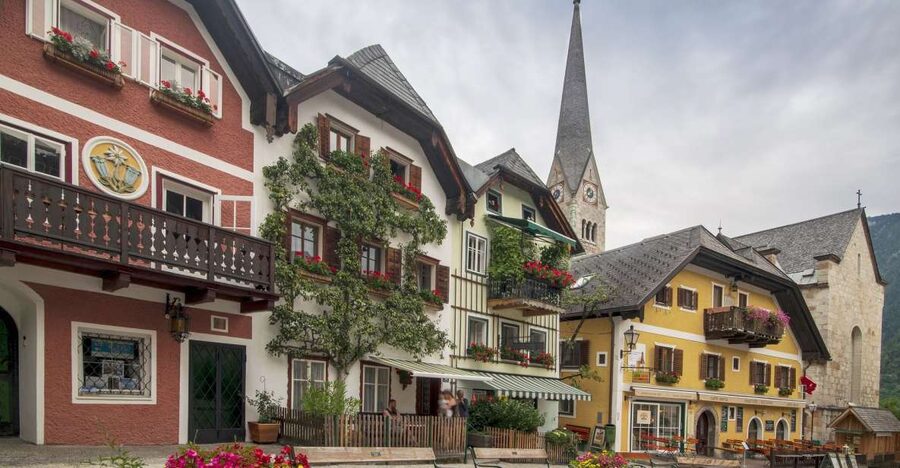
You meet at the Franz Josef I monument on Hallstättersee Landesstraße in Hallstatt (4830 Hallstatt, Austria). That is a useful detail because it puts you in the town core quickly, instead of starting somewhere vague outside the action.
From there, the tour format is a pleasant, guided stroll through the mountain enclave of Hallstatt. With a 90-minute duration, the main goal is getting you oriented and giving you a storyline you can remember. If you tend to lose the thread when walking tours move too fast, the private format helps, because your guide can adjust to your group.
Practical tip: wear comfortable shoes. Hallstatt is a walking town, and your time will be much better spent when your feet are happy.
Neolithic and Bronze Age wonders, explained where you can actually see them
This is where the tour earns its name as a time-travel walk, because it does not treat the early periods as trivia. It frames Neolithic and Bronze Age wonders as the start of a long arc, so when you reach later Iron Age references, they feel connected rather than random.
You will walk through parts of town tied to the broader story of how a culture could form in this kind of location. Hallstatt’s geography matters here: a narrow strip between water and mountain routes creates both opportunity and limits. That kind of setting makes it easier to understand why communities developed distinct cultural identities in the European Iron Age.
You will also come away with a clearer mental map: early periods are not just a date on a timeline. They are the background that helps explain why later cultural styles, like those connected to the Hallstatt culture, mattered.
The European Iron Age, Hallstatt culture, and what to watch for
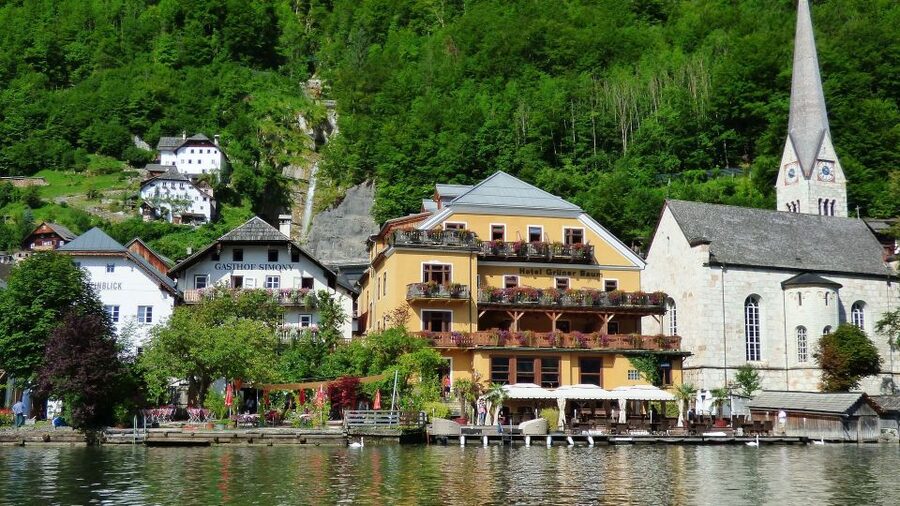
The star of this walk is the Hallstatt culture and its place in the European Iron Age. Your guide helps you connect the dots between the town you see today and the Iron Age culture that is linked to Hallstatt’s name.
As you move from stop to stop, focus on the explanation you get about the Hallstatt cultural layer. The goal is not to memorize everything. It is to understand the main idea: Hallstatt became a place where an entire culture could spawn at the beginning of the Iron Age, and you are walking through a setting that still carries that importance.
The guide’s job is to make the abstract feel concrete. That is why the private setup matters. You can ask for clarification when something clicks late, and you can slow down when you want to look at a detail for a second time.
Other Hallstatt write-ups filed under Austria

La Tène culture cues you can connect to the walk
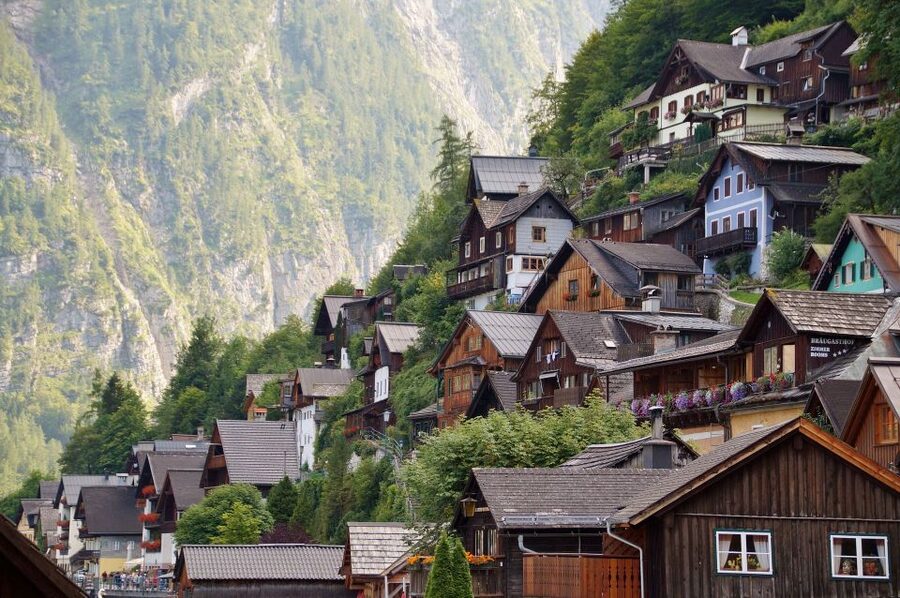
This tour also brings in La Tène culture, which is part of the wider European Iron Age story. Even if you are not a history buff, it helps to have a simple framework when the guide mentions new cultural terms.
Here is how I would approach it: treat La Tène as a lens, not as a pile of facts. When your guide references it, listen for what it changes in the story. Is it explaining trade or influence? Is it helping you interpret how cultural styles evolved? When you follow the guide’s explanation this way, the walk becomes more than scenery, and you start to recognize why historians group different periods and places together.
Market, church, and salt mine: the stops that make it feel real
The walking route is built around key parts of Hallstatt you can actually point to: the market area, a church, and the salt mine. Even without going deep into museum-style details at every corner, these stops help you connect history to lived town life.
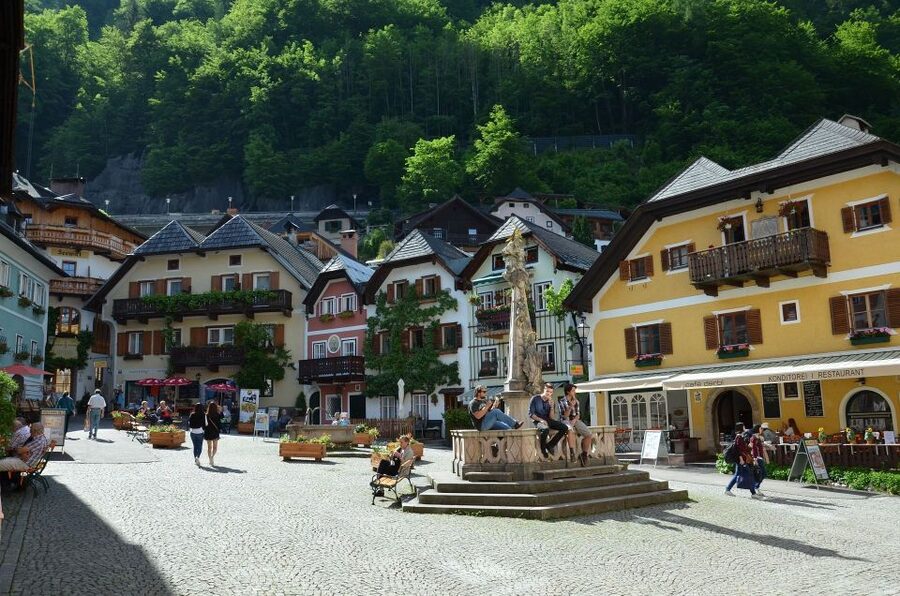
The market stop is where the town feels like a living place, not just a historical label. Your guide can help you understand why a lakeside, mountain-fringed town would develop a hub for trade and daily needs. Even if you do not buy anything, it gives you a sense of the town’s rhythm.
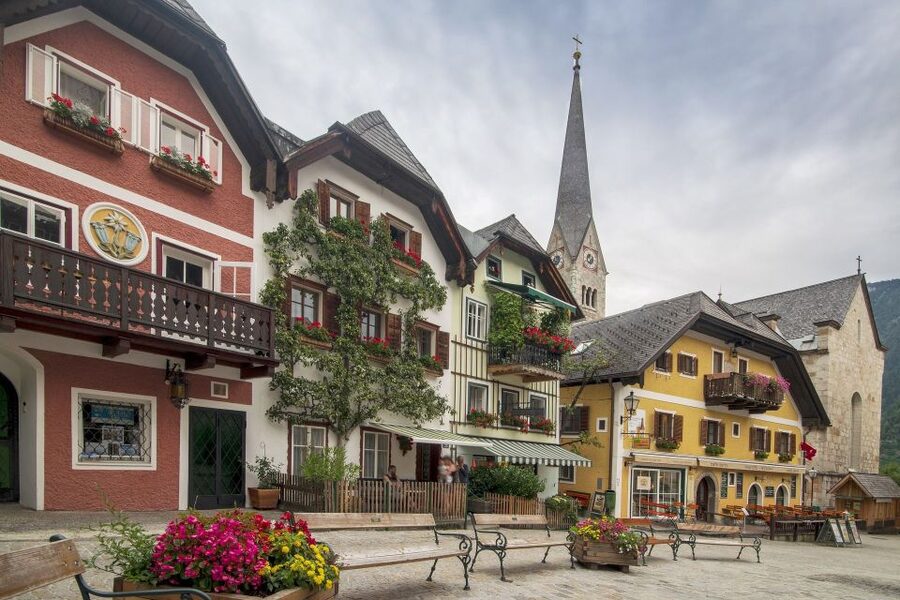
The church stop tends to anchor the visual identity of Hallstatt. In a heritage walk, religious architecture often functions like a reference point. Your guide uses it to help you understand how a town keeps telling its story through landmarks that remain visible as centuries pass.
The salt mine is the big one. Since entrance fees are not included, you need to decide in advance if you want to pay to go inside when you reach that stop. If you do, plan your time and budget accordingly. If you do not, you can still benefit from the guided context, because the explanation helps you understand why salt mattered in the first place for towns in this part of Europe.
Private group pacing and why the guide matters more than you think
This is a private group experience, with your local guide only with your group. That changes the vibe immediately. You are not trying to hear over other languages, you are not getting pulled along by a schedule, and you are not stuck with a one-size-fits-all pace.
The reviews emphasize this most strongly. Multiple ratings highlight how Christiana (sometimes written as Christina) is personable and easy to understand, and that she could adapt to the situation and the group. That matters because Hallstatt can overwhelm you fast, especially if you are also juggling lake views, photos, and wandering. A good guide keeps the story straight while still letting you enjoy the town.
Language options are English and German. If you are traveling with mixed language needs, this gives you a better shot at getting explanations that land the first time.
Price and value: $289 per group up to 15 for 90 minutes of guided heritage
The price is $289 per group, with a maximum group size of up to 15 people. On a per-person basis, this can be a surprisingly good value if you are traveling with friends or family.
For example, if you split it among:
- 2 people, you are paying around $144.50 each
- 4 people, about $72.25 each
- 6 people, about $48.17 each
- 10 people, about $28.90 each
Those numbers make one thing clear: this tour tends to shine when you have a small group. If you are a solo traveler, it might be pricier than you want compared with shared walking tours, but the private format can still be worth it if you value flexibility, questions, and a slower pace.
Also note what is included and not included. The guide is included, but entrance fees are not. So your overall cost can rise a bit depending on whether you choose to enter the salt mine. That is normal for walks that cover a ticketed stop.
Who should book this Hallstatt private walk tour
This tour is a great fit if you:
- Want a guided overview of multiple time periods in Hallstatt, from Neolithic and Bronze Age through the Iron Age and La Tène context
- Prefer a private experience rather than joining a big crowd
- Like having a guide help you connect what you see, especially around the market, church, and salt mine
- Are short on time, but still want a coherent story you can walk away with in 90 minutes
It is also a solid choice if you enjoy being outdoors and walking at a comfortable pace. And if your group spans history levels, you will likely appreciate the clear explanations highlighted in the feedback.
Quick practical tips before you go
- Bring comfortable shoes. The route is a walk, and you will enjoy it more when your feet are ready.
- Plan for the possibility of extra entrance fees at the salt mine if you want to go in.
- If you care about understanding every term, tell your guide early. The guide can help you follow the cultural references tied to Hallstatt and La Tène.
- Since it is 90 minutes, you will get more from the tour if you arrive ready to listen and then explore the rest of Hallstatt after.
Should you book it or skip it?
I would book this Hallstatt Private Walk Tour if you want a clean, guided thread through Hallstatt’s early and Iron Age stories, with stops you can see on foot. The private setup is a real advantage, and the guide Christiana is specifically praised for being easy to understand and genuinely engaged with the group.
I might skip it if your priority is only unstructured sightseeing, with no interest in the cultural context, or if your group is small and you want the lowest possible cost per person. In that case, a cheaper shared option could fit better.
FAQ
FAQ
How long is the Hallstatt Private Walk Tour?
The tour lasts 90 minutes.
How much does the tour cost?
It is priced at $289 per group, up to 15 people.
Is this tour private or shared?
It is a private group tour, with a local guide who stays with your group only.
Where is the meeting point?
You meet at the Franz Josef I monument, Hallstättersee Landesstraße, 4830 Hallstatt, Austria.
What languages are available?
The live tour guide is available in English and German.
Are entrance fees included?
No. Entrance fees are not included.
What should I bring?
Bring comfortable shoes.
What is the cancellation policy?
Free cancellation is available up to 24 hours in advance for a full refund.
Is there an option to pay later?
Yes. You can reserve now and pay later.
Tours: Rest of the Austria File
- Hallstatt: 2-Hour Guided Walking Tour with Photographer
★ 5.0 · 152 reviews - From Vienna: Hallstatt Guided Day Tour
★ 4.9 · 92 reviews - Guided e-bike tour of the alpine pastures in the Salzkammergut
★ 5.0 · 72 reviews - From Vienna: Melk, Salzburg, and Hallstatt Private Tour
★ 4.9 · 63 reviews
Tour Reviews: Rest of the Austria File
- Hallstatt: 2-Hour Guided Walking Tour with Photographer
★ 5.0 · 152 reviews - From Vienna: Hallstatt Guided Day Tour
★ 4.9 · 92 reviews - Guided e-bike tour of the alpine pastures in the Salzkammergut
★ 5.0 · 72 reviews - From Vienna: Melk, Salzburg, and Hallstatt Private Tour
★ 4.9 · 63 reviews
Hallstatt: Other Runs
- Hallstatt: 2-Hour Guided Walking Tour with Photographer
★ 5.0 · 152 reviews - From Vienna: Hallstatt Guided Day Tour
★ 4.9 · 92 reviews - From Vienna: Melk, Salzburg, and Hallstatt Private Tour
★ 4.9 · 63 reviews - From Prague: Private Hallstatt Alps Day Trip with Lakeside Picnic
★ 5.0 · 32 reviews
Newest Hallstatt write-ups on file
- Hallstatt, St Gilgen Private Tour From Salzburg★ 4.7 · 3 reviews
- From Vienna: Hallstatt Day Trip with Hotel Pickup★ 3.7 · 3 reviews
- From Salzburg: Private Day Tour of Hallstatt★ 5.0 · 3 reviews
- Majestic Walking Tour of Hallstatt★ 4.8 · 4 reviews
- Private Day Highlight Tour of Hallstatt from Salzburg★ 5.0 · 4 reviews
- Hallstatt, St.Gilgen,St Wolfgang Salzkammergut from Salzburg★ 5.0 · 7 reviews
Hallstatt Excursions, compared.
 ★ 4.7Vienna: Hallstatt & Alpine Peaks Day Trip with Skywalk LiftFrom $1315,458 reviews
 ★ 4.6From Salzburg: Half-Day Tour to HallstattFrom $1003,596 reviews
 ★ 4.5Hallstatt Guided Day Trip from Vienna With Boat Ride OptionFrom $1391,301 reviews
 ★ 4.5Hallstatt Half-Day Tour from SalzburgFrom $1021,033 reviews
 ★ 4.4From Vienna: Full Day Trip to Hallstatt and SalzkammergutFrom $129972 reviews
 ★ 4.7Salzburg: Hallstatt and Sound of Music TourFrom $164522 reviews
 ★ 5.0Hallstatt Small-Group Day Trip from ViennaFrom $229516 reviews
 ★ 5.0Private Day Tour Trip Salzburg Hallstatt and Melk from ViennaFrom $930388 reviews
This tour also sits in