
REVIEW · TICKETS
DomQuartier Day Ticket
A Baroque palace-city in one ticket. The DomQuartier strings together the Salzburg Residenz, cathedral spaces, and nearby museum rooms, so you understand the power behind the beauty. You get a smart audio guide on your phone as you move through the complex.
I especially like two things. First, the wayfinding is simple in a huge historic site, so you do not feel like you are wandering blind. Second, the sights feel connected, not random, from the Residenz state rooms to art galleries to St. Peter’s monastic treasures.
One possible drawback: it is largely self-guided, and the rules are strict, including no cameras and no selfie sticks, so you need to be okay with viewing first and photographing never (at least inside).
In This Review
- Key things to know before you go
- Why the DomQuartier makes Salzburg click fast
- Your one-day ticket, the “pause and resume” advantage
- Using the audio guide: simple tech, big payoff
- Enter the Salzburg Residenz: where power shows off
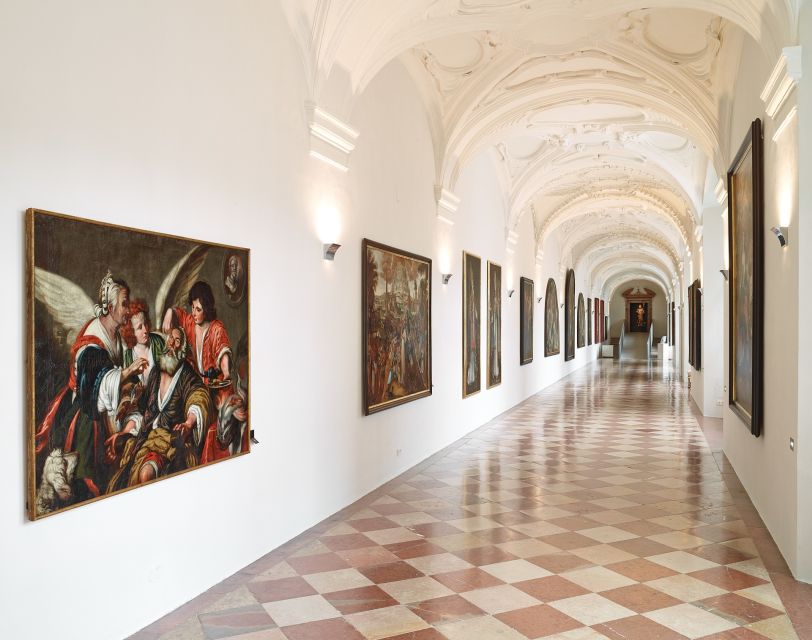
- Residenz Gallery to Long Gallery: art with a sense of place
- Cathedral Arches Terrace: the best “breather” in the route
- North Oratory: special exhibitions in a cathedral space
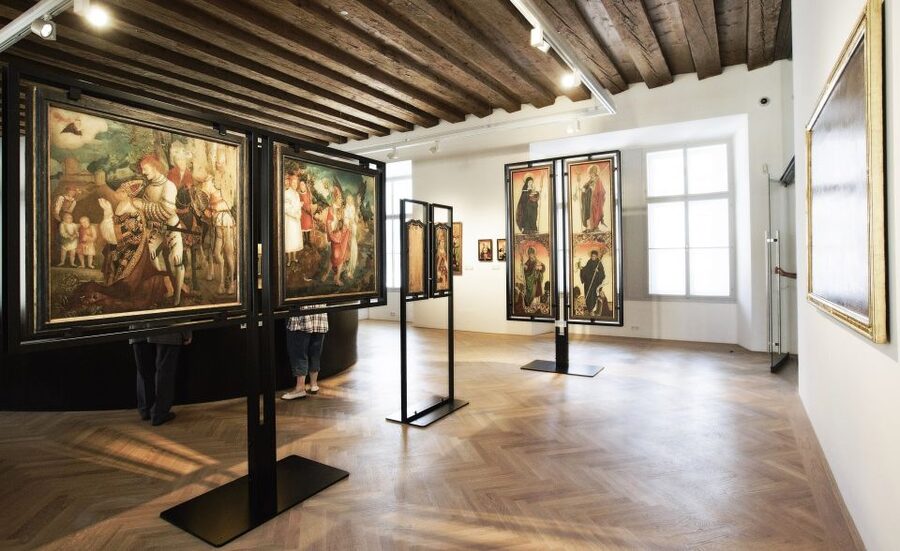
- Cathedral Museum and Kunstkammer: old treasures, big atmosphere
- Museum St. Peter: monastery life, then a dedicated museum space
- The route ends at the Carabinieri Hall
- What you should plan for: time, pace, and closures
- Rules that affect your visit (and how to avoid annoying surprises)
- Is DomQuartier worth $14, or is it just “a lot of doors”?
- Who this fits best
- Should you book the DomQuartier Day Ticket?
- FAQ
- How long is the DomQuartier Day Ticket valid?
- What does the ticket include?
- Can I pause the tour and come back later the same day?
- What languages are available for the audio guide?
- Do I need to install an audio guide app?
- Is the Cathedral Arches Terrace included?
- Are cameras and selfie sticks allowed?
- Is the site wheelchair accessible?
Key things to know before you go
- Self-guided audio on your phone: use a web browser and Wi-Fi, no app required
- Multiple spots in one day: the ticket lets you enter several areas during the same day
- City views included: the Cathedral Arches Terrace is part of the experience, with rare closures
- Prince Archbishop Guidobald von Thun shaped it all: he built key parts of the complex in the 1600s
- St. Peter’s is part of the story: Museum St. Peter brings in the monastery angle right next to the cathedral
Other Salzburg write-ups filed under Austria
- Salzburg: Hohensalzburg Fortress Admission Ticket
★ 4.6 · 2,236 reviews - Salzburg: The Magic Flute at Marionette Theater Ticket
★ 4.7 · 255 reviews - Salzburg: Cathedral Entry Ticket with Audio Guide Option
★ 4.4 · 134 reviews - Salzburg Cathedral: Guided Tour with Entry Ticket
★ 4.6 · 126 reviews
Why the DomQuartier makes Salzburg click fast
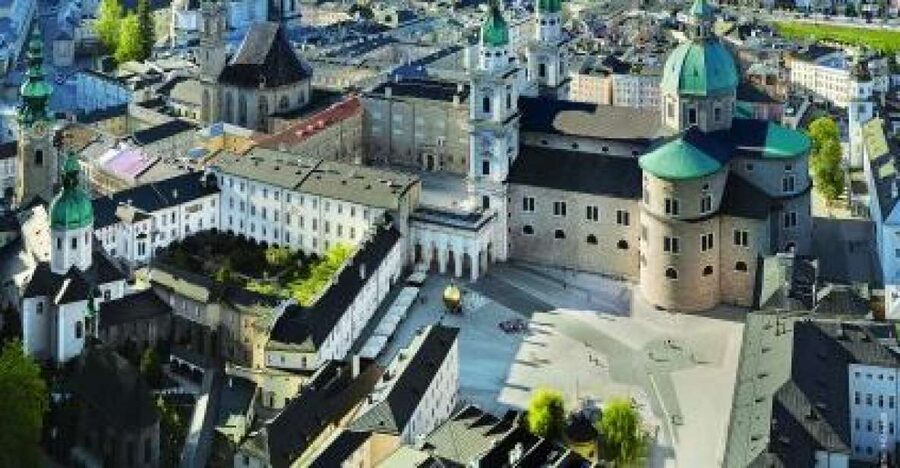
Salzburg’s Cathedral complex can look like a bunch of impressive buildings from the outside. Inside the DomQuartier, it finally becomes a single idea: secular power and spiritual authority were literally connected, with passageways linking the Prince Archbishops’ residence to cathedral spaces.
That matters because the connection was broken for a long stretch. After the Prince Archbishopric of Salzburg was dissolved in 1803, the unity of the cathedral and Residenz got lost. The good news is that the DomQuartier restored that original unity after around 200 years, and the route is built so you feel the architecture working together. It is a smart way to understand why the city looks the way it does.
You also get the big scale right away: the complex covers about 15,000 square meters and includes around 2,000 exhibits linked to roughly 1,300 years of art and culture. This is not a quick peek. It is a curated walking day through rooms, galleries, terraces, and museum spaces under one roof of history.
Your one-day ticket, the “pause and resume” advantage
This is a 1-day ticket, and you can check available starting times. The ticket is flexible in a way that makes life easier when you are traveling: you can interrupt the tour and come back to continue the same day.
That is useful because DomQuartier includes spaces that may have limited closures on some days due to conversion works or events in the State Rooms or the Cathedral. If you hit a closure, you do not have to abandon the plan. You can keep going in open areas, then return later if you want.
You also start and end back at the DomQuartier Salzburg meeting point, which helps reduce stress. In other words, you are not signing up for a route where the ending is somewhere else across town.
Using the audio guide: simple tech, big payoff
The audio guide is included, and you use your own smartphone. You do not need to pre-install an app. You open the audio guide through your web browser at www.domquartier.at/audioguide, and you play it using an internet connection.
Languages listed for the audio guide are wide: German, English, Dutch, Italian, French, Spanish, Russian, Mandarin, Korean, and Japanese. There is also a specially developed children’s audio guide in German, English, and Italian.
If you like travel tech that works without fuss, this is the right kind. If you hate relying on your phone battery, bring a portable charger and treat it like part of your daypack. (And yes, that little habit helps in Salzburg, where you will be taking photos outside the complex.)
One more note for the future: from 2025, an audio guide can be borrowed for a fee of €2, but the main option here is the online guide on your phone.
Enter the Salzburg Residenz: where power shows off
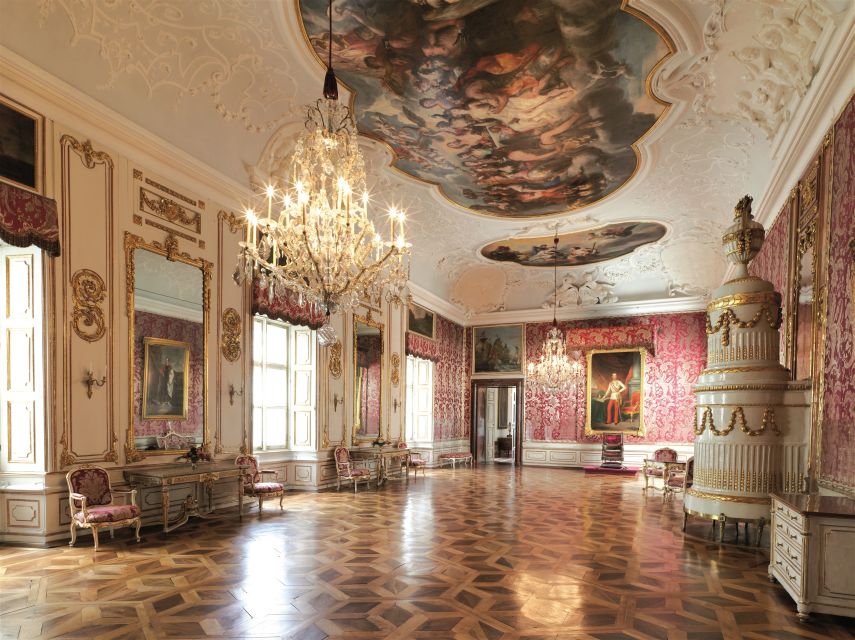
The tour begins with the State Rooms of the Salzburg Residenz, the prince archbishops’ living quarters and official seat. These rooms are where Baroque splendor is not subtle. Expect opulent interiors, extravagant stucco work, and ceiling frescoes that were meant to communicate status, control, and permanence.
Even if you do not consider yourself a “museum person,” these state rooms are worth it because they help you decode the rest of the complex. Once you see how the rulers wanted to look, you understand why galleries, passages, and treasure spaces were organized the way they were.
Right after that, you move into the Residenz Gallery, which focuses on European paintings from the 1500s through the 1800s with a clear emphasis on the Baroque period. This is a nice balance after the ceiling fresco drama. Paintings give you another lens on power, religion, and style in the centuries when the prince archbishops shaped Salzburg.
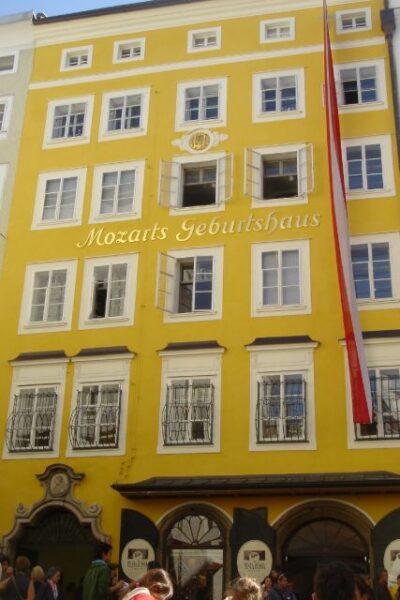
Residenz Gallery to Long Gallery: art with a sense of place
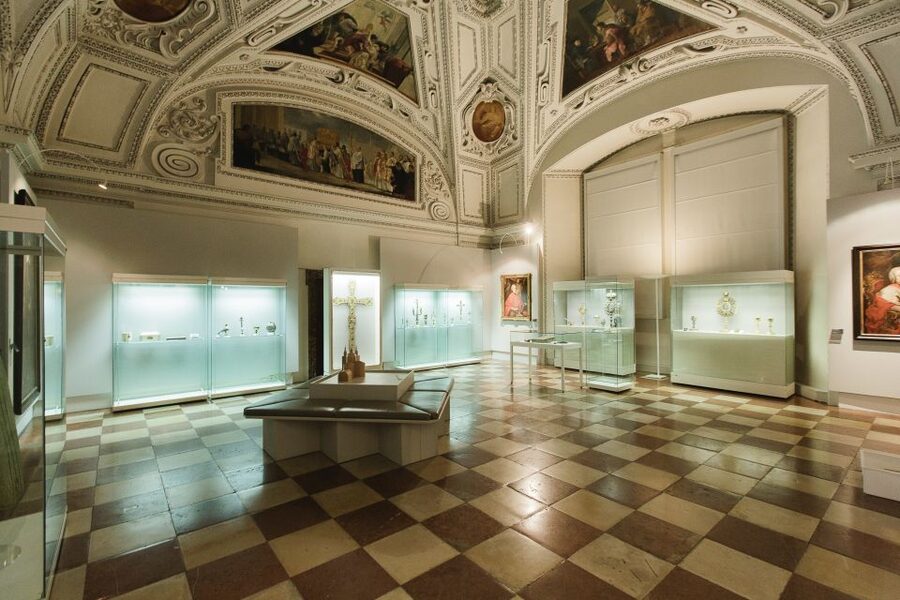
In the overall route, you keep seeing art collections connected to specific buildings. That is not just museum housekeeping, it is part of the point. The audio guide links the collections to the complex around you, so the spaces feel like a system rather than separate attractions.
You will also encounter the Long Gallery at St. Peter’s Abbey as part of the overall story of the Baroque builder Prince Archbishop Guidobald von Thun. He was one of the major Baroque builders in Salzburg, and he shaped the city’s look during his 14-year reign from 1654 to 1668. The complex reflects his plan, including the corridors and connections between important sites.
If you want your walking day to feel coherent, this is one of the main reasons DomQuartier works.
Cathedral Arches Terrace: the best “breather” in the route
Next, the Cathedral Arches Terrace is the moment where the tour pulls you upward, literally. You get the view of Salzburg from the terrace, positioned between the cathedral and the secular-residence world below.
This terrace also helps you reset after indoor rooms. It is where you can look out at the city, then look back at what you just saw, and realize the scale of what the archbishops were controlling.
Just be aware: the terrace is included, but it can be closed in a few exceptional cases, like a special event or storm warning. If the weather is messy, plan for the possibility that you might miss the view that day.
North Oratory: special exhibitions in a cathedral space
The North Oratory is where the experience gets more experimental. The original structure of the North Oratory is planned to be recorded in future projects, but for now the tour points you toward special exhibitions.
A key example mentioned here is that the Salzburg Museum with the Rossacher collection is a guest exhibit. If you like seeing how rotating collections change the feel of a historic site, this stop can be a highlight.
Also, the tour flow matters. You are guided through the organ loft area, which provides an impressive view of the cathedral. Then you continue toward the Cathedral Museum and other spaces.
Cathedral Museum and Kunstkammer: old treasures, big atmosphere
The Cathedral Museum leads into the Kunstkammer and then onward. This is where the tone shifts toward older art and objects tied to the cathedral complex.
The experience described here focuses on century-old art treasures and the kind of craftsmanship that makes museum rooms feel almost like time machines. You get to see objects that would not make sense as an “add-on” unless the location mattered, and here it does.
This part of the route is a strong argument for buying a ticket to the whole complex rather than just picking one room. The museum spaces connect to the cathedral setting, so you see the art in its proper context.
Museum St. Peter: monastery life, then a dedicated museum space
The last major piece is Museum St. Peter, linked to St. Peter’s Abbey, right next to the cathedral and Residenz complex.
St. Peter’s Abbey is described as the oldest continuously running monastery in the German-speaking countries. That claim alone tells you why the abbey matters in Salzburg’s cultural life. The monastery has an art collection of an estimated 40,000 exhibits, and Museum St. Peter presents the most beautiful objects in a newly designed permanent museum.
You also get a sense of how the complex tells a complete story. The cathedral and Residenz explain secular and spiritual authority in the prince-archbishop era. St. Peter’s brings in the long-running monastic thread that helped shape Salzburg’s intellectual and cultural identity over centuries.
The route ends at the Carabinieri Hall
As the tour winds down, you reach the Carabinieri Hall of the Salzburg Residenz. Before that, you may pass through the Gothic choir of the Franciscan Church as part of the flow.
Ending inside a grand hall makes sense. It gives you a “wrap” moment after moving through museum spaces and galleries. It also reinforces that DomQuartier is not just a museum crawl. It is a tour through linked architectural roles.
What you should plan for: time, pace, and closures
DomQuartier is self-guided, and that changes how you plan your day. You can spend more time when something catches your eye, and you can skip ahead when you want momentum.
So my practical advice is simple: treat this as a half-day to full-day experience. Even if you think you will be fast, there is enough art and enough room variety that time slips. The route is designed so you do not feel lost, and that makes it easier to keep moving without stopping every 30 seconds.
Also plan a buffer near closing time. The guidance I would follow is this: arrive with enough time, because if you come in very close to closing, entry may be refused. If you want a stress-free visit, do not gamble on being near the end of the day.
If something is closed due to events or conversion works, you may still enjoy the rest. But if you have your heart set on a specific area, it is worth checking ahead using the contact number provided on the site before you go.
Rules that affect your visit (and how to avoid annoying surprises)
The DomQuartier rules are strict, so it helps to know them up front:
- No food and drinks inside the museum areas
- No luggage or large bags
- Pets are not allowed (assistance dogs are allowed)
- No flash photography
- No cameras, no selfie sticks
- No umbrellas
- No smoking
This can feel a little extreme, but it also explains why the museum experience stays orderly.
If you need something to drink, you can purchase it in the museum shop located in the Residenzgalerie (3rd floor). The shop has access to the terrace, so it can be a practical stop if you are rationing your water.
Is DomQuartier worth $14, or is it just “a lot of doors”?
At around $14 per person, the value comes from the combination: multiple linked buildings, major museum collections, and a view terrace, all wrapped in one 1-day entry that lets you pause and resume.
The key is that you are not paying for a single room. You are paying for a route across state rooms, galleries, cathedral-related museum spaces, and monastery museum space. When you consider the scale mentioned here, about 2,000 exhibits across 15,000 square meters, the ticket pricing starts to feel fair.
If you love art, this is a solid deal. If you are more into architecture and urban history than paintings, it still works because the experience is built around the cathedral-Residenz connection and the way Baroque rulers shaped Salzburg.
Who this fits best
I think DomQuartier Day Ticket is a great match if you:
- Want an easy, organized route in a big historic complex
- Like seeing art and architecture connected by story, not separated by luck
- Prefer a self-paced visit with audio in your language
- Are comfortable skipping photos inside and enjoying details with your own eyes
It is also a good option for families, since there is a children’s audio guide in German, English, and Italian. Just note the general restrictions, like no food and no cameras.
Should you book the DomQuartier Day Ticket?
Book it if you want a one-day plan that makes Salzburg’s cathedral area make sense, quickly. The ticket value is strong for the number of connected rooms you access, and the audio guide format is practical, with many language choices and no app installation.
Skip it only if you strongly prefer a live guide and rely on taking lots of photos during museum time. Also, if you know your phone battery is always a problem, you will want a backup power plan before you commit.
If you are trying to see the heart of Salzburg’s cathedral-Residenz world in one go, this is the kind of ticket that turns scattered highlights into a clear route.
FAQ
How long is the DomQuartier Day Ticket valid?
It is valid for one day. You can check availability to see starting times.
What does the ticket include?
Your ticket includes admission to DomQuartier, free Wi-Fi, and an online audio guide you use on your own smartphone.
Can I pause the tour and come back later the same day?
Yes. You can interrupt the tour at any time and resume later the same day.
What languages are available for the audio guide?
The audio guide is available in German, English, Dutch, Italian, French, Spanish, Russian, Mandarin, Korean, and Japanese. There is also a children’s audio guide in German, English, and Italian.
Do I need to install an audio guide app?
No. You can use it on your smartphone through a web browser at www.domquartier.at/audioguide, and you need an up-to-date browser plus an Internet connection.
Is the Cathedral Arches Terrace included?
Access to the terrace is included, but it can be closed in a few exceptional cases, such as a special event or storm warning.
Are cameras and selfie sticks allowed?
No. Cameras and selfie sticks are not allowed, and flash photography is also not allowed.
Is the site wheelchair accessible?
Yes, the experience is wheelchair accessible.
Tickets: Rest of the Austria File
- Salzburg: Hohensalzburg Fortress Admission Ticket
★ 4.6 · 2,236 reviews - Salzburg: The Magic Flute at Marionette Theater Ticket
★ 4.7 · 255 reviews - Salzburg: Cathedral Entry Ticket with Audio Guide Option
★ 4.4 · 134 reviews - Salzburg Cathedral: Guided Tour with Entry Ticket
★ 4.6 · 126 reviews
Tour Reviews: Rest of the Austria File
- The Original Sound of Music Tour in Salzburg
★ 4.5 · 6,129 reviews - Salzburg: Original Sound of Music Tour
★ 4.8 · 5,059 reviews - From Salzburg: Half-Day Tour to Hallstatt
★ 4.6 · 3,596 reviews - Salzburg: Mozart Concert at Mirabell Palace
★ 4.8 · 3,498 reviews
Newest Salzburg write-ups on file
- Zell am See Alpine Village Private Day Trip from Salzburg★ 5.0 · 3 reviews
- Private Austrian Food Tasting Tour in Salzburg’s Old Town★ 4.5 · 3 reviews
- Salzburg to Vienna, Private Transfer, 2h of Sightseeing, Local Driver, English★ 5.0 · 3 reviews
- Private Customized Salzburg City and Country Tour★ 5.0 · 3 reviews
- Private Transfer from Salzburg to Vienna: Door-to-door, English-speaking driver★ 4.5 · 3 reviews
- Private Tour: Discover Salzburg and the Stunning Lake District★ 5.0 · 3 reviews
Tickets, compared.
 ★ 4.7Vienna: Classic Ensemble Vienna in St. Peter’s Church TicketFrom $454,819 reviews
 ★ 4.6Vienna Kunsthistorisches Museum Day Admission TicketFrom $253,690 reviews
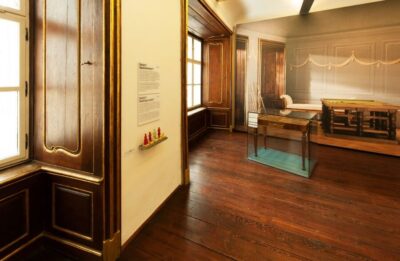 ★ 4.2Vienna: Tickets for Mozarthaus Vienna with Audio GuideFrom $182,344 reviews
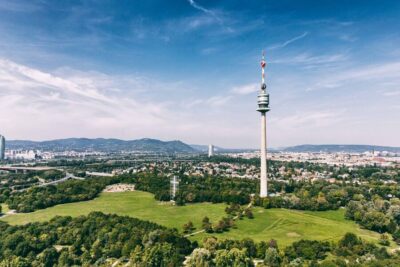 ★ 4.5Vienna: Skip-the-Line Entrance Ticket to the Danube TowerFrom $212,303 reviews
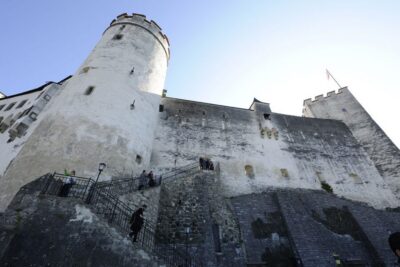 ★ 4.6Salzburg: Hohensalzburg Fortress Admission TicketFrom $172,236 reviews
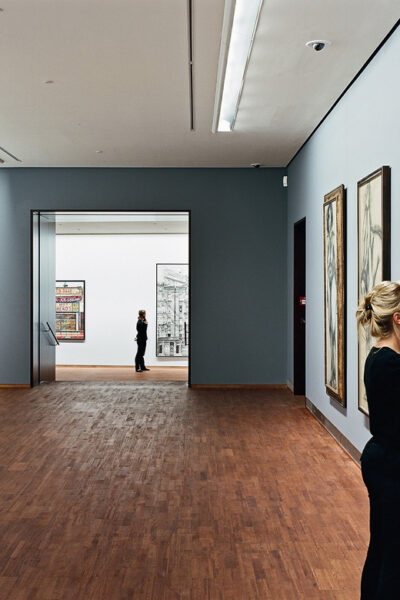 ★ 4.7Tickets for the Albertina ExhibitionsFrom $232,126 reviews
 ★ 4.6Sigmund Freud Museum TicketFrom $181,668 reviews
 ★ 4.5Vienna: St. Stephen’s Cathedral & Dom Museum Wien TicketsFrom $341,652 reviews