
REVIEW · BELVEDERE AND THE KLIMT ROOMS
Belvedere Palace & Museum Tour
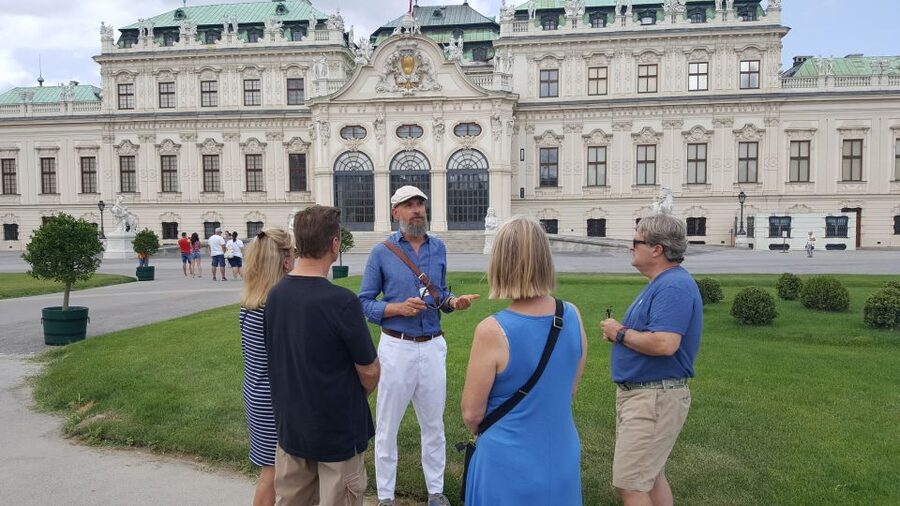
Belvedere made art feel personal, especially with an art historian guide connecting what you see to why it matters. I really liked how the tour keeps art readable, not just factual, and it builds momentum from room to room. You get a strong sense of the palace as more than a pretty building, it is a stage for ideas.
My second big win is the way the Upper Belvedere setting sharpens what you notice. The guide-style storytelling made The Kiss by Gustav Klimt feel less like a famous image and more like a work with clues, symbolism, and technique you can actually spot. (In the reviews, both Brianna and Peter stood out for exactly this kind of engaging explanation.)
One possible drawback: entrance tickets are extra (adults 22.50 EUR), so your all-in cost is the tour price plus the palace admission. Also, there is one review note about a booking system glitch that made finding the guide harder, so double-check your confirmation details.
In This Review
- Quick hits
- Upper and Lower Belvedere: how the palace tour actually works
- Entering the right way at the ticket office
- Upper Belvedere: Baroque drama that teaches you how to look
- The Austrian Gallery Belvedere: where context turns into understanding
- Lower Belvedere: the calmer rooms where details land
- A Berlin art-world lesson built into a Vienna palace visit
- Guides that make the difference: Brianna and Peter as the model
- Price and value: what $176 buys you, and what it does not
- Who should book this Belvedere and art-history tour
- Should you book? My decision guide
- FAQ
- How long is the Belvedere Palace and Museum tour?
- What is included in the price?
- Do I need to buy Belvedere Palace tickets separately?
- Where do I meet my guide?
- Is the tour available in English?
- Is pickup available?
- Can the guide help with tickets?
- Is there a ticket-line advantage?
Quick hits
- Upper Belvedere first, so you start with Baroque scale and sightlines that make the rest click
- Lower Belvedere guided pacing, designed to keep you from feeling lost in a big museum
- Klimt gets human explanations, including how symbols and technique add up in works like The Kiss
- A Berlin art story woven in, with references to the Potsdamer Straße gallery mile after 1989
- Not just famous rooms, you also get pointed toward smaller initiatives and current gallery names
More Belvedere entries in our file
- Entry Ticket Upper Belvedere, Klimt’s Kiss & Permanent Collection
★ 4.5 · 831 reviews - Vienna: Lower Belvedere Entry Ticket & Temporary Exhibitions
★ 4.1 · 275 reviews - Skip-the-line Upper Belvedere Tickets and Guided Tour Vienna
★ 4.8 · 185 reviews - Vienna: Schönbrunn, Belvedere, Big Bus, Giant Wheel & Cruise
★ 4.1 · 78 reviews
Upper and Lower Belvedere: how the palace tour actually works
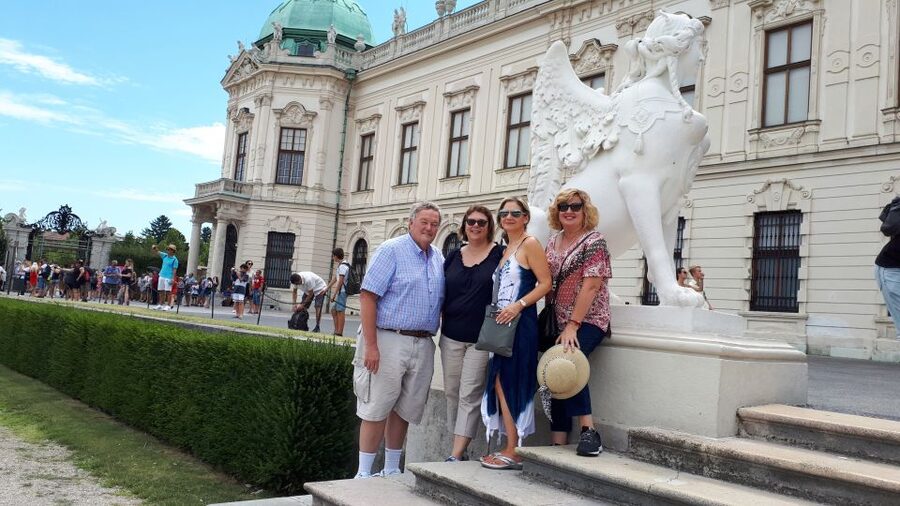
This is a 150-minute, guided art outing built around the Belvedere Palace experience, with time for both the Upper Belvedere and the Lower Belvedere. You will also stop at the Austrian Gallery Belvedere, which helps you understand what this palace collection is trying to do, not just what it contains.
The smartest thing about the format is the order. You start in the grander, more theatrical Upper Belvedere, where Baroque architecture naturally pushes your eyes upward and outward. Then you move into spaces that feel more grounded for viewing and talking. That flow matters, because it reduces the usual museum problem where you spend the first hour collecting facts and the second hour feeling tired and detached.
What you are paying for here is not only access, but interpretation. Two reviews specifically praised guides who were unusually interactive and able to make art history accessible without turning it into a lecture. Brianna was highlighted for wide knowledge about Vienna and the artwork, while Peter was praised for explaining The Kiss in a way that would be easy to miss on your own. If you like asking questions and getting practical guidance, you will likely enjoy this style.
Entering the right way at the ticket office
Meeting point details can make or break a smooth start, and this tour is one of those where you should pay attention. You go to the Palace’s ticket office entrance, not the entrance to the palace itself. When you come into the garden from Prinz Eugen Street, look for the entrance you see on the right-hand side.
If you selected the pickup option, you will meet your guide in your hotel lobby or at the door of your holiday flat and then follow them using Vienna’s public transport. Either way, aim to arrive a few minutes early. Even with a skip-the-ticket-line setup, a rushed start can throw off your group rhythm.
You should also plan for the fact that entrance tickets are not included in the tour price. The good news is that the guide can help you purchase tickets at the beginning of the walk, and the provider notes that they may handle group tickets so you avoid long waits.
Upper Belvedere: Baroque drama that teaches you how to look
Upper Belvedere is the part of the palace that makes first-time visitors stop talking for a minute. Even if you are not a big architecture fan, the scale and visual structure pull your attention into the art viewing mindset. Your guide uses that to teach you how to read the space before you start trying to read the paintings.
Here is what I think makes this stop valuable for you: you do not just get told that the palace is Baroque. You learn how Baroque design supports the feeling of movement, performance, and clarity. Those are the same forces that show up in the art itself, especially in the way artists frame bodies, faces, gestures, and emotion.
In the reviews, guides were singled out for making major works feel less untouchable. One review praised Peter’s explanation of The Kiss, focusing on symbolism, technique, and historical context. That kind of breakdown is exactly what you want here, because it converts a masterpiece from a poster into a real object you can study.
The Austrian Gallery Belvedere: where context turns into understanding
The Austrian Gallery Belvedere visit is the bridge between “this is beautiful” and “now I get it.” This is where the guide’s art history skills help you connect the palace setting to the specific works and themes you are seeing.
You will likely get a more layered experience if you are willing to slow down for a few minutes at each stop. The tour’s time limit is not long, but it is enough for a guided focus if you let the guide set the pace. If you try to multitask, take photos nonstop, or scan everything without listening, you will lose the main value.
A practical tip: pick one or two works you already recognize, and be open to noticing something new. With The Kiss, the reviews mention technique and symbolism, and that is a good approach. Instead of trying to memorize everything, you learn how to look for details the guide points out, then you carry that skill to the next painting.
Other Vienna write-ups filed under Austria
Lower Belvedere: the calmer rooms where details land
Lower Belvedere often feels like the “good viewing” version of the palace, and that is not just vibes. This is where guided pacing pays off. You can stand back and see how the collection flows, then step in when the guide calls out something important.
One drawback to museum tours in general is that they can turn into a checklist. This one tends to avoid that by building short explanations around what you are actively seeing. Reviews praised guides for keeping storytelling interactive, not robotic. If you are new to art history, that interaction is a big plus, because it reduces the intimidation factor.
Also, the Lower Belvedere experience can be a relief after the more grand Upper Belvedere areas. Your eyes get a chance to rest, and the guide can help you notice subtler details, like composition choices and recurring themes, without you feeling rushed.
A Berlin art-world lesson built into a Vienna palace visit
Even though you are in Vienna, the tour concept includes a comparison to Berlin’s rise as an artistic magnet after the fall of the Berlin Wall in 1989. Your guide explains the events that helped fuel that flourishing and how it shaped what galleries could do and who they attracted.
Then you get a tour-style explanation of the Potsdamer Straße gallery mile, including the idea that a wave of gallerists moved from Mitte toward the area south of the Neue Nationalgalerie over roughly the last five years. You also get pointed to specific gallery names, including Esther Schipper, Isabella Bortolozzi, Gitti Nourbakhsch, Guido Baudach, Arndt, Plan B, Tanya Leighton, and Klosterfelde.
Why this matters for you: it gives you a way to think beyond a single country’s art. You can look at what is happening in a museum building and also understand how today’s art ecosystem gets shaped by practical factors, like rents and a more open climate. The tour framing is a helpful reminder that art history is not only about what happens on canvas. It is also about where artists can work, where galleries take risks, and what audiences want next.
If you like contemporary art and you enjoy mapping how cities change, this “Berlin context” piece can be one of the most fun surprises. It turns a palace visit into a story about Europe after major political change.
Guides that make the difference: Brianna and Peter as the model
Two guide names showed up in the reviews: Brianna and Peter. Both were praised for the same core qualities: deep knowledge paired with clear, approachable storytelling.
Leslie’s review highlighted Brianna’s knowledge of Vienna, Belvedere Palace, and the artwork, plus the fact that she was interactive and genuinely fun to spend time with. Valeria Ivette’s review called out Peter’s explanation of The Kiss, noting symbolism, technique, and historical context, and praising how he made art history accessible for both beginners and art fans.
Alla’s short review also notes the guide was excellent, even in one line. That consistency matters. For a tour like this, where you are paying for interpretation, guide quality is the real product.
Price and value: what $176 buys you, and what it does not
At 176 USD per person, this tour is not the cheapest option. The value comes from three things that reduce your friction:
First, it is guided, with an art historian guide for about 2.5 hours. That is long enough to cover the palace highlights in a meaningful way without turning into a quick walk-by.
Second, you get help with entry flow. The tour includes skip-the-ticket-line, and the guide can help you buy tickets at the start or arrange group ticket handling so you are not stuck in a long entrance line.
Third, you are not only looking at art, you are getting a structured way to understand it. The Berlin context piece plus the palace stops creates a bigger narrative than just “see this room, then that room.”
What is not included is the palace admission ticket, listed as 22.50 EUR for adults. So budget the tour price plus the entrance fee. If you already know you want a guided experience and you do not want to figure out pacing on your own, the math tends to work out.
Who should book this Belvedere and art-history tour
This tour is a great fit if you:
- Want a guided path through both Upper Belvedere and Lower Belvedere without guessing where to spend your time
- Like art history explained in plain language, with practical details you can carry to future museums
- Enjoy stories that connect art to the bigger European art scene, including Berlin’s post-1989 gallery boom
You might skip it if you:
- Prefer fully self-guided museum visits where you can wander slowly and ignore structured stops
- Have a very tight schedule and only want the fastest possible highlights, since this is a 150-minute guided experience plus the time around entrance
Should you book? My decision guide
If you care about understanding what you are looking at, I would book this. The guide element is repeatedly praised, and that is exactly where tours like this can either feel worthwhile or feel like expensive stand-and-stare time. The combination of guided Upper and Lower Belvedere plus the extra art-world context about Berlin gives you more than a standard palace visit.
Just go in with the right expectations: you will still need to handle Belvedere entrance tickets separately, and you will get the best experience if you show up early and confirm your tour details so you meet your guide smoothly.
If you want a guided art outing that ties architecture, masterpieces, and the wider art ecosystem together, this is the kind of tour that makes a palace visit feel personal and memorable.
FAQ
How long is the Belvedere Palace and Museum tour?
The tour runs for about 150 minutes, so plan on roughly 2.5 hours with the guided portions.
What is included in the price?
The tour includes the guided experience and an art historian guide.
Do I need to buy Belvedere Palace tickets separately?
Yes. Entrance tickets are not included. Adults are listed at 22.50 EUR.
Where do I meet my guide?
Go to the Palace’s ticket office entrance. It is not the same as the entrance to the palace, but the entrance on the right-hand side as you come into the garden from Prinz Eugen Street.
Is the tour available in English?
Yes, the live tour guide is listed as English.
Is pickup available?
Pickup is optional. If you choose it, you meet the guide in your hotel lobby or at the door of your holiday flat, and you follow them using Vienna’s public transport.
Can the guide help with tickets?
Yes. The guide can help you purchase tickets at the beginning of the walk, or the supplier can send an email invoice so the guide can prepay for group tickets and reduce waiting.
Is there a ticket-line advantage?
Yes, the tour includes skip the ticket line.
Tours: Rest of the Austria File
- Vienna: Schönbrunn Palace & Gardens Skip-the-Line Tour
★ 4.7 · 7,739 reviews - Vienna Spanish Riding School Guided Tour
★ 4.7 · 6,765 reviews - Vienna: Skip-the-Line Sisi Museum, Hofburg and Gardens Tour
★ 4.8 · 5,918 reviews - Vienna: Skip-the-Line Schönbrunn Palace & Gardens Tour
★ 4.8 · 5,411 reviews
Tour Reviews: Rest of the Austria File
- Vienna: Vivaldi’s Four Seasons Concert in Karlskirche
★ 4.7 · 14,951 reviews - Vienna: Schönbrunn Palace & Gardens Skip-the-Line Tour
★ 4.7 · 7,739 reviews - Vienna: Light of Creation Votive Church Immersive Light Show
★ 4.8 · 6,779 reviews - Vienna Spanish Riding School Guided Tour
★ 4.7 · 6,765 reviews
Belvedere: What Else We Hold
- Entry Ticket Upper Belvedere, Klimt’s Kiss & Permanent Collection
★ 4.5 · 831 reviews - Vienna: Lower Belvedere Entry Ticket & Temporary Exhibitions
★ 4.1 · 275 reviews - Vienna: Belvedere Palace Skip-the-Line Tour
★ 4.9 · 197 reviews - Skip-the-line Upper Belvedere Tickets and Guided Tour Vienna
★ 4.8 · 185 reviews
Newest Vienna write-ups on file
- Vienna: Private Walking Tour to The Hofburg & Graben Street★ 5.0 · 3 reviews
- Vienna: Private tour Mauthausen and Linz★ 4.1 · 3 reviews
- Vienna Private Full Day Tour – Tickets to Schönbrunn & Lunch★ 5.0 · 3 reviews
- Vienna: Johann Strauss 200th birthday anniversary exhibition★ 4.7 · 3 reviews
- Vienna: Full-Day Vienna Woods Wine Tasting Tour★ 5.0 · 3 reviews
- Vienna: Festive Season and New Year’s Eve Waltz Workshop★ 5.0 · 3 reviews
Belvedere and the Klimt Rooms, compared.
 ★ 4.5Entry Ticket Upper Belvedere, Klimt’s Kiss & Permanent CollectionFrom $23831 reviews
 ★ 4.1Vienna: Lower Belvedere Entry Ticket & Temporary ExhibitionsFrom $17275 reviews
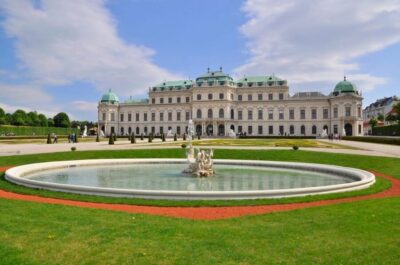 ★ 4.9Vienna: Belvedere Palace Skip-the-Line TourFrom $62197 reviews
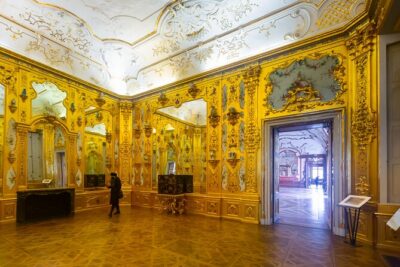 ★ 4.8Skip-the-line Upper Belvedere Tickets and Guided Tour ViennaFrom $60185 reviews
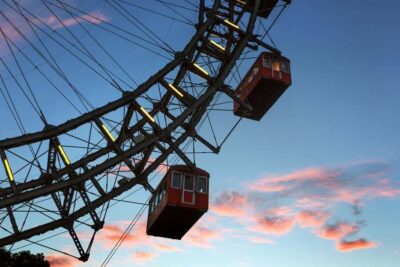 ★ 4.1Vienna: Schönbrunn, Belvedere, Big Bus, Giant Wheel & CruiseFrom $9578 reviews
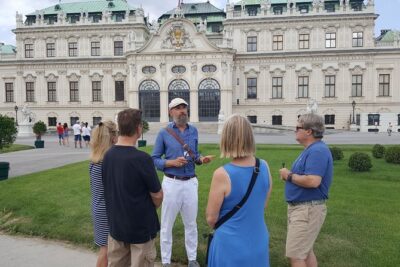 ★ 5.0Belvedere Palace and Museum TourFrom $18171 reviews
★ 5.0Skip-the-line Upper Belvedere Tickets and Guided Tour ViennaFrom $7868 reviews
★ 5.0Belvedere Palace and Museum TourFrom $18171 reviews
★ 5.0Skip-the-line Upper Belvedere Tickets and Guided Tour ViennaFrom $7868 reviews
 ★ 4.7Vienna: Klimt Villa (Gustav Klimt Atelier & Museum) TicketFrom $1150 reviews
This tour also sits in