
REVIEW · AUSTRIAN ABBEYS & MONASTERIES
Wilhering Abbey: Discover 875 years of history!
Few places feel this calm and historic. In Wilhering Abbey, you get a quick, structured museum stop tied to Cistercian spirituality, then you can slip into one of Europe’s standout rococo interiors. I especially like the way the museum uses 7 exhibition rooms that connect into one story, and I love the easy rhythm of starting at the Abbey Gate and finishing with cake and coffee in the Stiftshof courtyard. One consideration: with a 30 minute time window and seven rooms to choose from, you may need to skim if you want every detail.
This is a small, satisfying visit in Upper Austria, priced at $7 per person. The museum ticket covers the museum, and the church, cloister, abbey courtyard, and abbey park are freely accessible, so you can stretch the experience beyond the timed visit.
The setting matters too. The Abbey Gate works like an entry point for hospitality and encounters, with a café, shop, and the Benedict Hall in the former farm area. It is a good stop when you want something authentic and quiet, not a rushed checklist.
In This Review
- Key things you will notice at Stift Wilhering
- Abbey Gate first, not last: where your visit starts
- The museum ticket: 7 exhibition rooms, 2 levels of info
- “Fine rococo” made practical: church and cloister for free
- Stiftshof courtyard café: a rest stop with character
- Courtyard and park: the easy win after your museum time
- Price and value: why $7 feels fair for this mix
- Who this 30-minute abbey visit suits best
- Should you book Wilhering Abbey?
- FAQ
- Where is Wilhering Abbey located?
- How much does the experience cost?
- How long is the visit valid?
- What is included with admission?
- Is the church and cloister included?
- Where is the meeting point?
- How many exhibition rooms does the museum have?
- What themes does the museum cover?
- Is the museum visit wheelchair accessible?
- When can I visit the museum?
- Can I cancel for a refund?
Key things you will notice at Stift Wilhering
- Seven exhibition rooms that each focus on one theme, with a logical flow from one to the next
- The museum’s focus on ora et labora, daily work as part of spirituality, not just a motto on the wall
- Rococo church and cloister viewing is part of the free-access areas
- Abbey café in the Stiftshof courtyard with self-service cakes, coffee, drinks, and abbey snacks
- The Monastery Store sells products like wine from leased vineyards near Krems
- Museum designed with two levels of information, plus interactions aimed at younger visitors
Abbey Gate first, not last: where your visit starts
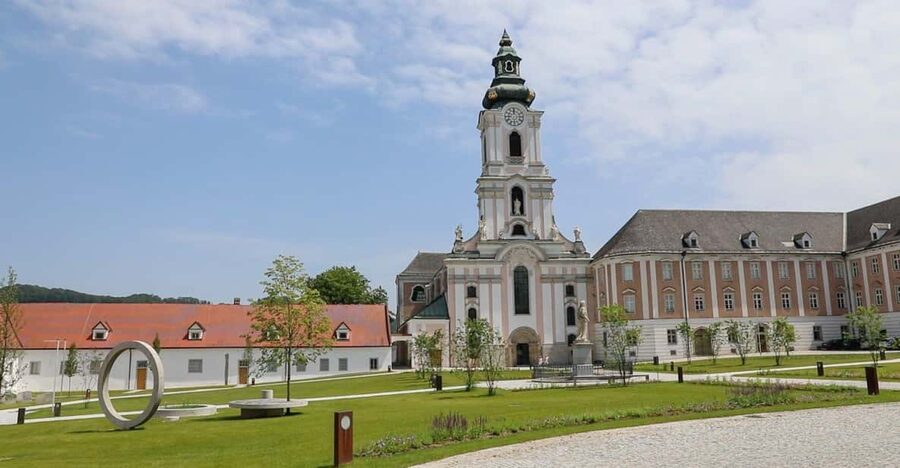
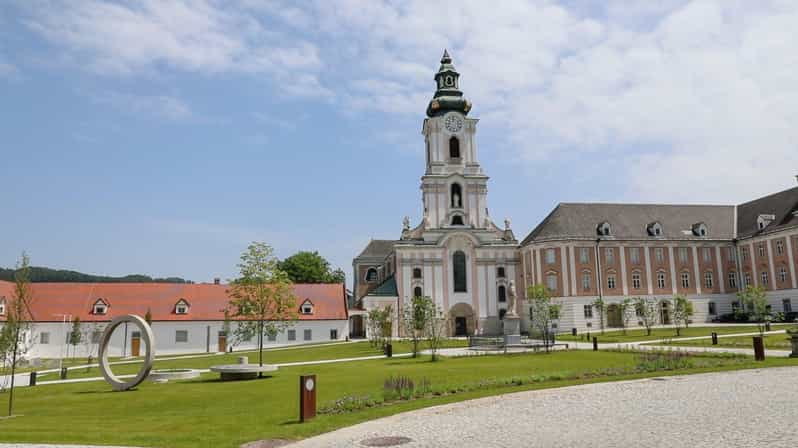
When you arrive at Wilhering Abbey, start by treating the Abbey Gate like your orientation point. The gate area is described as a place of arrival, hospitality, and encounter, and it is exactly how it feels in a practical way. You are not just walking into a museum. You are entering a working abbey complex, with spaces set up for visitors to regroup before they go deeper.
Here, you will find the café, shop, and the Benedict Hall, all located in the former farm of the abbey. That layout helps your timing. If you come a bit early or you have to wait for museum hours, you can settle in without feeling stuck. And even if you do not sit down, it still gives you a calm “first anchor” so the rest of the visit reads clearly.
This is also where you are directed for the museum entrance. Your meeting point is simply the museum entrance in the monastery gate or the monastery café, and staff at the monastery café can help you. That is the kind of simple setup that makes a short stop work.
The museum ticket: 7 exhibition rooms, 2 levels of info
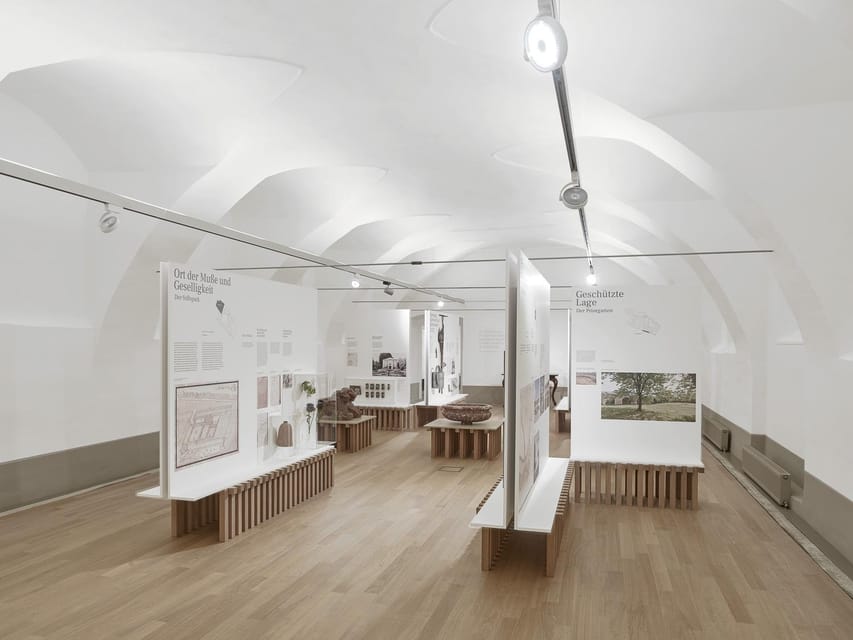
The museum at Wilhering Abbey is built in a way that suits both skimmers and readers. There are 7 exhibition rooms, each with its own theme. The key is that they do not feel like seven separate random displays. Instead, the rooms ultimately flow into each other, so you end up with a fuller picture of Wilhering Abbey rather than a set of disconnected facts.
One thing I like about this design is that it respects attention span. The museum provides two levels of information in each room. You get an overview to get your bearings fast, and you can choose deeper details based on what you actually care about. That means you can take the “30 minute version” seriously without feeling like you missed everything.
The content centers on Wilhering Abbey and its history, Cistercian spirituality, and the abbey’s important people. The Cistercian motto ora et labora is highlighted, which matters because it frames the abbey as a place of daily practice, not just worship as an idea. If you like understanding how communities live, that theme is a useful lens.
The exhibition also includes interaction elements for younger visitors. Even if you are traveling without kids, that can make the museum feel less like a lecture and more like a guided experience with variety.
Curator Lydia Altmann, responsible for the exhibition, emphasized this approach: overview information plus opportunities to go deeper, along with interactions for younger visitors. In plain terms, it is a museum that tries to meet people where they are.
“Fine rococo” made practical: church and cloister for free
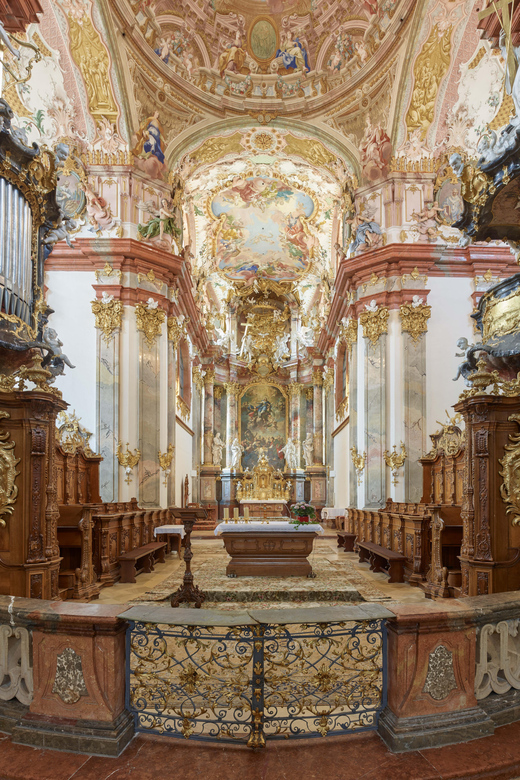
After the museum, or before if you prefer to see the wow factor first, shift to the church and cloister areas. The collegiate church and cloister are part of the freely accessible parts of the abbey. That means you are not fenced off from the main architectural payoff just because your museum time is limited.
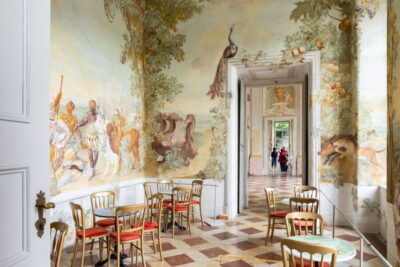
What makes Wilhering Abbey special is that you are looking at one of Europe’s finest rococo churches. Rococo can be easy to appreciate in a first glance, but it is also worth slowing down for. The details are what reward you. Take a few moments to notice how the ornamentation and space work together, rather than trying to photograph everything at once.
The cloister adds another layer. You get a quieter, more enclosed setting that pairs well with the museum’s themes. In a practical sense, it gives your brain a break. You have just read and learned about Cistercian life and abbey history, then you step into a space that feels built for reflection. It is the kind of contrast that makes the museum information stick.
If you only have limited time, prioritize: one calm circuit in the cloister, then one slower look inside the church. That combo usually beats rushing between spots.
Stiftshof courtyard café: a rest stop with character
The Abbey Café sits in the Stiftshof courtyard, and it is not just a place to buy something. It is part of the abbey rhythm. The experience highlights a setting where you can rest, reflect, and linger, and the courtyard layout supports that.
Food details are straightforward. The café offers self-service cakes, coffee, drinks, and abbey snacks, with a preference for regional suppliers. That regional emphasis matters more than it sounds. It usually means you are not getting generic tourist fare. You are getting something shaped by where the abbey is based.
My practical advice here is to treat the café as your “time reset.” Even if you only plan to drink coffee, it helps you slow down after the museum and before the church or park. If your day is packed, this courtyard pause can be the difference between a rushed stop and a memorable one.
Courtyard and park: the easy win after your museum time
Beyond the café, the abbey courtyard and the abbey park are freely accessible. This is one of the most valuable parts of the experience, because it gives you space to choose how your visit ends.
After museum walls and church interiors, a park or courtyard keeps things from feeling like an indoor marathon. You can walk slowly, take photos if you want, or just sit for a minute with no agenda.
It also helps you tailor the visit to your energy. If you only have 30 minutes for the museum, you can spend that time learning, then let the free-access spaces stretch the overall experience without extra tickets.
Price and value: why $7 feels fair for this mix
At $7 per person, this stop is strong value, mostly because you are not paying just for a single building. Your admission includes access to the abbey museum, and you can also freely access the church, cloister, courtyard, and park.
The museum itself is designed with multiple layers of information, so the ticket can work for different styles of visitors. If you are the type who reads carefully, the two levels give you a path to go deeper. If you want to keep it quick, the room overviews help you get the gist fast.
Duration is listed as 30 minutes. That is not long, especially with a museum of seven rooms. But that is also where the design helps. You are not required to treat this as an all-day study session. For many people, 30 minutes is enough to connect the big themes, then you use the free-access areas to round out the experience with atmosphere.
A small but real consideration: if you try to read every panel and do every room, you may feel rushed. The fix is simple, pick your rooms, focus on the ones that match your interests, then spend more time in the church and cloister where the experience is more about your senses than your reading.
Who this 30-minute abbey visit suits best
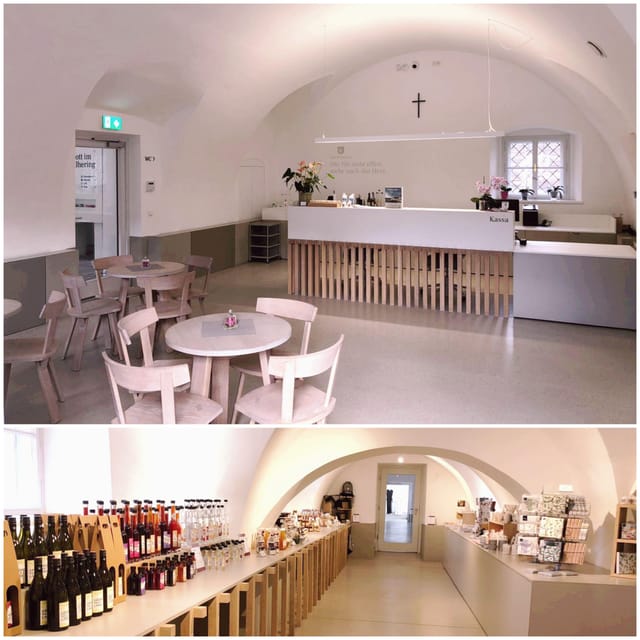
This works well if you:
- Want a short cultural stop in Upper Austria that still feels meaningful
- Like architecture and want time to actually look, not just pass through
- Enjoy structured museum storytelling with room to choose your level of detail
- Prefer a calm pace with a café stop in a pretty courtyard
It is also a good fit for travelers who do not want a full day commitment. With the church, cloister, courtyard, and park freely accessible, you can build a visit that matches your energy level.
If you are traveling with kids, the museum’s interaction elements for younger visitors can help break up the learning. Even without children, that variety can make the experience feel less repetitive.
Should you book Wilhering Abbey?
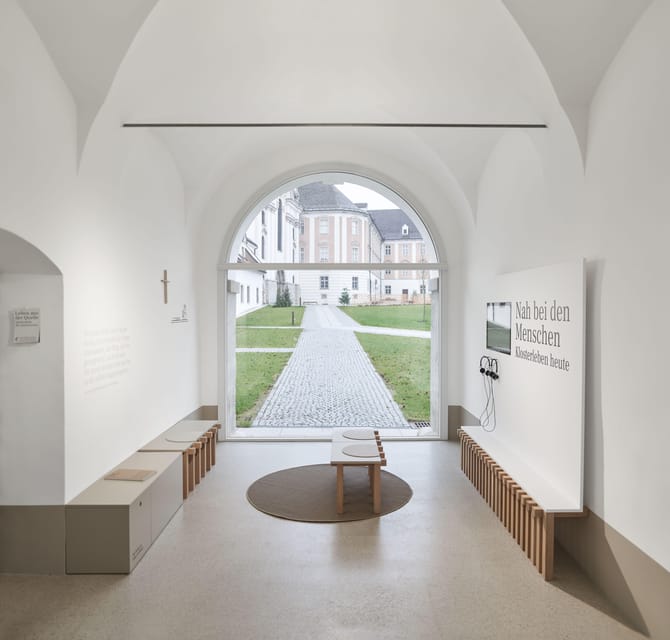
I think you should book this if you want a focused abbey visit that combines museum storytelling with a genuine architectural highlight, and you want to spend your time in the right places. The value is the mix: seven exhibition rooms for context, a rococo church and cloister for wow, then a courtyard café for a real break.
Skip it only if you need a super long museum experience where every display is read in full detail. With seven rooms and a 30 minute visit window, you will want to plan your priorities. If you are okay with choosing what to see most and letting the rest be background, this is a very satisfying stop.
FAQ
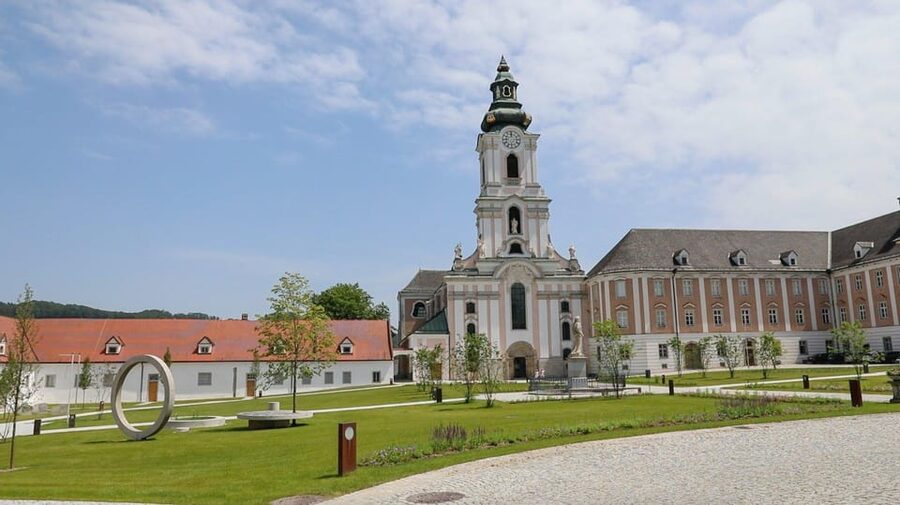
Where is Wilhering Abbey located?
It is located in Upper Austria, Austria.
How much does the experience cost?
The price is listed as $7 per person.
How long is the visit valid?
The experience is valid for 30 minutes from first activation.
What is included with admission?
Included is admission to the Museum of Wilhering Abbey, plus free access to the church, cloister, abbey courtyard, and abbey park.
Is the church and cloister included?
Yes. The church, cloister, abbey courtyard, and abbey park are freely accessible.
Where is the meeting point?
The museum entrance is in the monastery gate or in the monastery café. Staff at the monastery café will help you.
How many exhibition rooms does the museum have?
The museum has 7 exhibition rooms.
What themes does the museum cover?
The museum focuses on Wilhering Abbey and its history, the spirituality of the Cistercians, their motto ora et labora, and the great personalities of the abbey.
Is the museum visit wheelchair accessible?
Yes, the experience is listed as wheelchair accessible.
When can I visit the museum?
The museum can only be visited during opening hours, as shown on the homepage (www.stiftwilhering.at).
Can I cancel for a refund?
Yes. You can cancel up to 24 hours in advance for a full refund.
Austrian Abbeys & Monasteries, compared.
 ★ 4.5Vienna: Wachau Valley, Melk Abbey Tour with Danube Boat TripFrom $1511,413 reviews
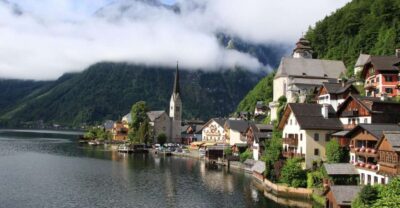 ★ 4.6Vienna: Hallstatt & Alpine Peaks Day Trip with Admont AbbeyFrom $163292 reviews
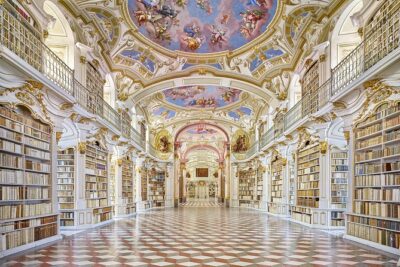 ★ 4.0Alpine Hallstatt Day Trip from Vienna incl. Admont Abbey VisitFrom $167194 reviews
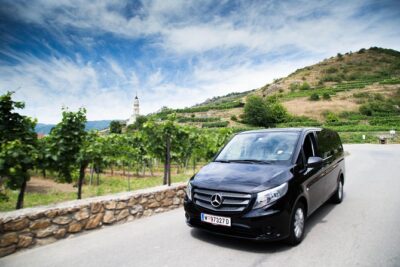 ★ 4.5Wachau Valley Private Tour With Melk Abbey Visit and Wine Tastings from ViennaFrom $58444 reviews
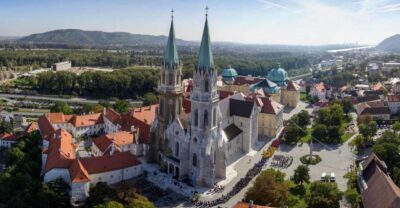 ★ 4.0Ticket to Klosterneuburg AbbeyFrom $2325 reviews
 ★ 5.03 Castles & Wine Private Tour in Wachau Valley (incl. Melk Abbey)From $41620 reviews
 ★ 4.5Day Ticket for Klosterneuburg AbbeyFrom $2414 reviews
 ★ 5.0Fully private – SALZBURG, HALLSTATT & MELK ABBEY!From $9536 reviews
This tour also sits in