
REVIEW · VIENNA CLASSICAL CONCERTS
Vienna: Strauss Classical Concert with Soprano & Light Show
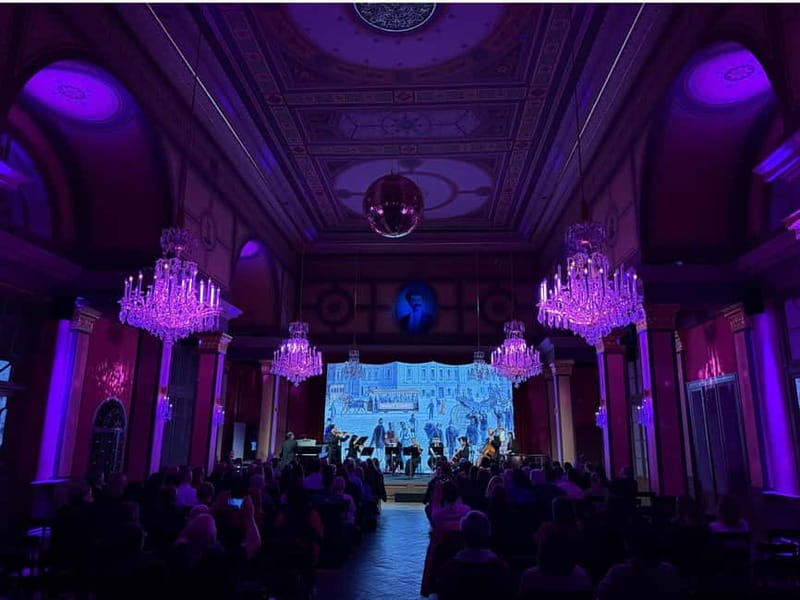
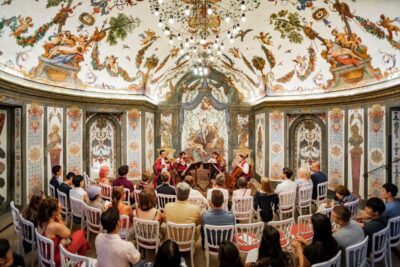
Vienna at night can feel like theater, and this one is set in a real concert hall built for the Strauss sound. You start with time in the House of Strauss Museum, then move into the historic Strauss Hall for a live Strauss and Mozart program with a soprano. The event also adds a synchronized light and sparkle show that visually explains what the music is doing.
I love the combination of the acoustics-first hall and a top-notch vocal soloist, because the emotional punch of a soprano lands differently when you are in the original room the music was meant for. You also get a guided-feeling museum experience that connects the Strauss family to how Viennese culture developed around their waltzes and popular works.
One consideration: your view of the light show can change depending on your seat category. If you want both the best sightlines and the strongest sound, picking the right rows matters more than you might think.
In This Review
- Key things to know before you go
- Why Vienna’s Strauss Hall night feels different than a typical concert
- The timeline that keeps the night from feeling rushed
- House of Strauss Museum, what you gain before the orchestra starts
- The 20:30 concert, Strauss Capelle plus soprano makes it emotional
- The light show, why the visuals actually help instead of distract
- Seating in Rows 1 to 2 versus Rows 14 to 18
- Value for $74, what you are really paying for
- Who will enjoy this the most
- Practical tips for a smooth evening in Vienna
- Should you book the Strauss and Mozart concert with light show?
- FAQ
- What time does the museum open?
- When do I enter the Strauss Hall?
- How long is the concert?
- Is sparkling wine included?
- Does the ticket include museum access?
- Are there different seating categories?
- What languages are offered?
- Is it wheelchair accessible?
Key things to know before you go
- 19:00 museum access at the House of Strauss, before you ever sit in the hall
- 20:00 sparkling wine reception in the hall’s octagon, with your first toast
- 20:30 to 21:30 main concert, featuring Strauss Capelle and a soprano
- Light show synchronized to each musical piece, adding story and mood without guessing
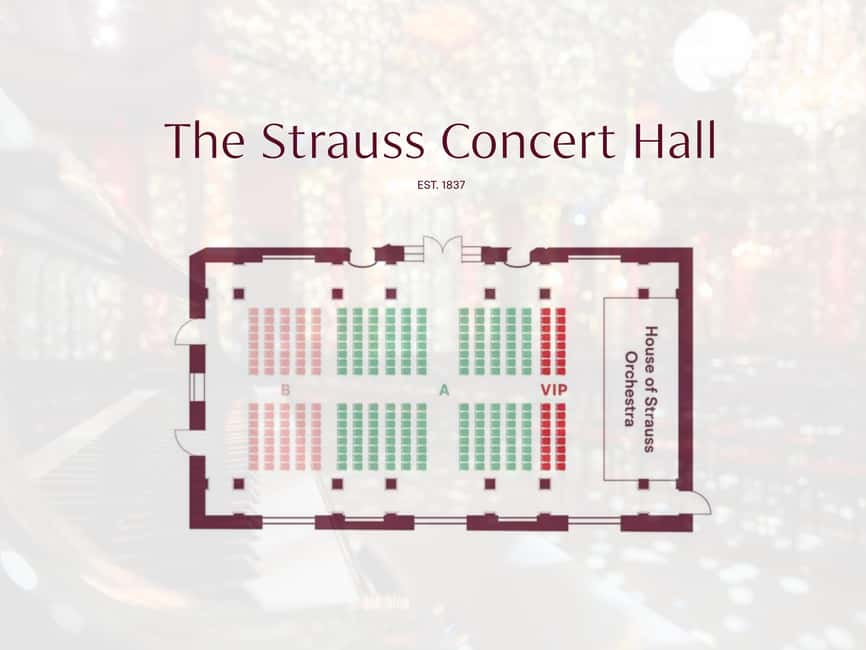
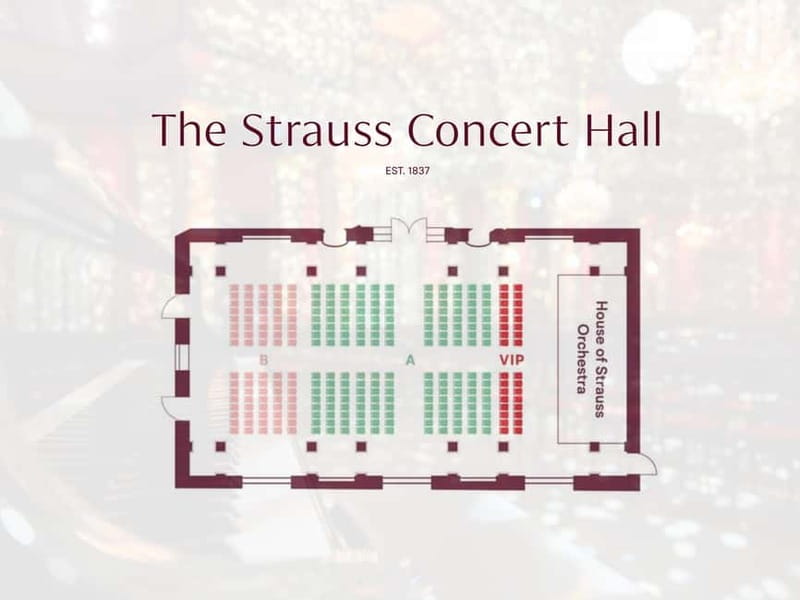
- VIP rows 1 to 2, Category A rows 3 to 13, Category B rows 14 to 18, with different strengths for sound and visuals
- Skip the ticket line, so you spend more time inside Vienna’s music world and less time waiting outside
Other Vienna concert halls on file
- Vienna: Vivaldi’s Four Seasons Concert in Karlskirche
★ 4.7 · 14,951 reviews - Vienna: Classical Concert in the World-Famous Musikverein
★ 4.6 · 6,673 reviews - Vienna: Classic Ensemble Vienna in St. Peter’s Church Ticket
★ 4.7 · 4,819 reviews - Vienna: Mozart Concert at the Golden Hall
★ 4.6 · 3,986 reviews
Why Vienna’s Strauss Hall night feels different than a typical concert
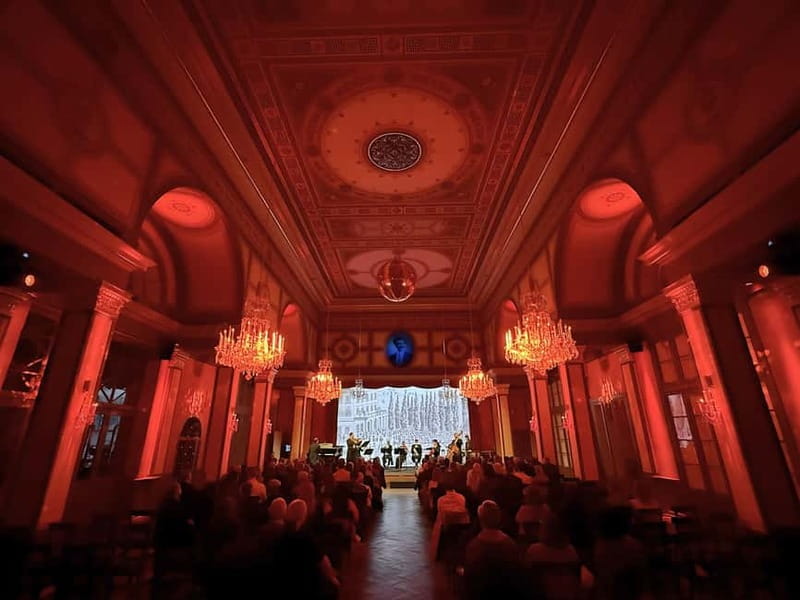
If you have been to a few classical concerts, you know the usual pattern: sit down, listen, clap, leave. This show keeps the music at the center, but it wraps it in a clear narrative layer. You are not just hearing Strauss and Mozart, you are seeing story prompts move across the hall as the program changes.
The setting is the big reason it works. The Strauss Hall is part of the House of Strauss universe, and that matters because the evening is designed to connect place to sound. When the orchestra plays in a hall with known historical acoustics, the result tends to feel precise, not muddy. You get the feeling that the music belongs to the room, not that the room is just hosting the music.
On top of that, the soprano adds a human, lyrical line that bridges between dance music and vocal storytelling. In plain terms, it gives you more emotional range than a concert that only features instruments. If you like Viennese music for the drama and romance behind the rhythm, this format can make that obvious fast.
The timeline that keeps the night from feeling rushed
The rhythm of the evening is tidy, and it helps you plan without stress. The museum opens from 19:00, and you have that pre-concert window to settle in, get oriented, and learn what you are about to hear.
Then at 20:00 you move into the Strauss Hall for the sparkling wine reception. This is not a quick, forgotten detail. The octagon reception space gives a sense of ceremony and gives you time to find your exact seat without panic. Having a drink included also makes the hall feel like an event, not a waiting room.
The main concert runs 20:30 to 21:30. That one-hour performance length is a sweet spot for first-time visitors. You get enough time for waltz momentum and orchestral color, but it does not drag. You can also pace your evening in Vienna around it, without needing a late-night commitment that ruins the next day.
House of Strauss Museum, what you gain before the orchestra starts
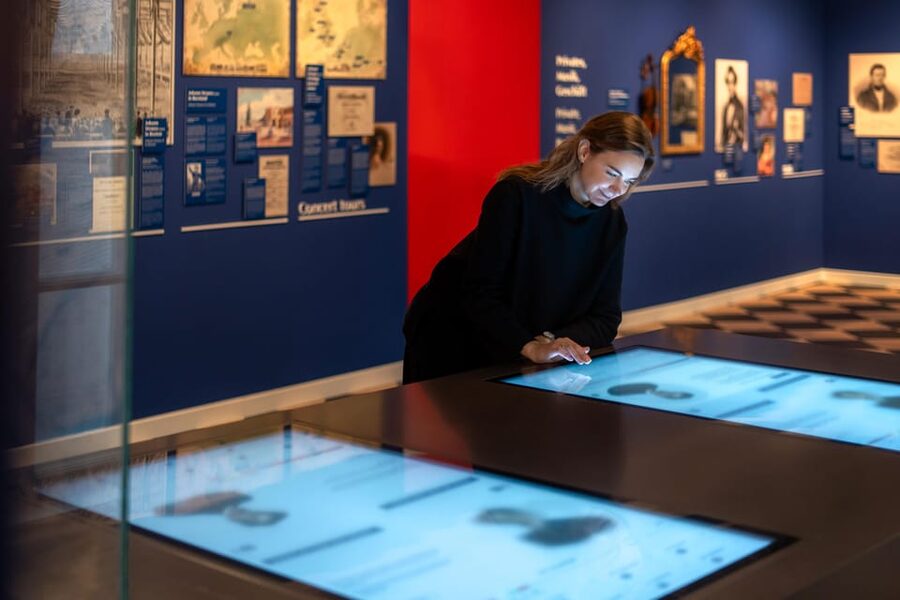
Going to the museum before the music is one of the smartest parts of this experience. You are given access to the House of Strauss Museum exhibits that focus on the Strauss dynasty and their influence on Viennese culture. You also get interactive and multimedia elements, plus historical context on Vienna’s golden age of music.
What you gain from this is not just facts. It is perspective. Strauss family music is tightly connected to how Vienna social life moved, danced, and celebrated. When you understand that connection, the waltzes and overtures stop being background music. They become a snapshot of a city’s way of feeling.
You also get a very practical benefit: your brain shifts from daytime sightseeing mode into evening-listening mode. That transition time matters. If you walk in cold, you may enjoy the show, but you might not catch how the program connects orchestral writing, vocal phrasing, and the visual story cues.
The 20:30 concert, Strauss Capelle plus soprano makes it emotional
The performance is built around Strauss and Mozart, with the original Strauss Capelle performing in the historic Strauss Hall. That word original is important. It points to a performance style rooted in the sounds these composers and their Viennese scene were associated with.
The orchestra covers the kinds of works people go to Vienna for, including waltzes, symphonies, and overtures. Those are not random categories. They trace how Viennese music could be elegant and danceable, then broaden into larger orchestral moods. If you tend to think of Strauss as only party music, the symphonic side can change your mental map.
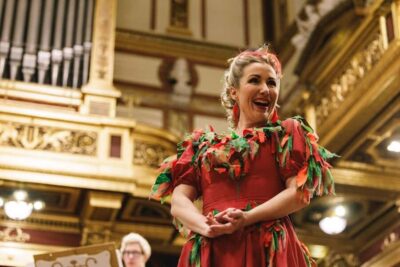
Then the soprano soloist brings the human voice into the mix. A soprano can turn an orchestral passage into a message, even when the music is mainly familiar melodies. You are more likely to remember specific moments, because the voice creates a clear emotional headline while the orchestra builds texture behind it.
One more thing: the concert is theatrical in how it uses the hall and visuals. So even if you are not a lifelong classical fan, the night has enough variety to keep you engaged.
Other headset and projection rooms
The light show, why the visuals actually help instead of distract
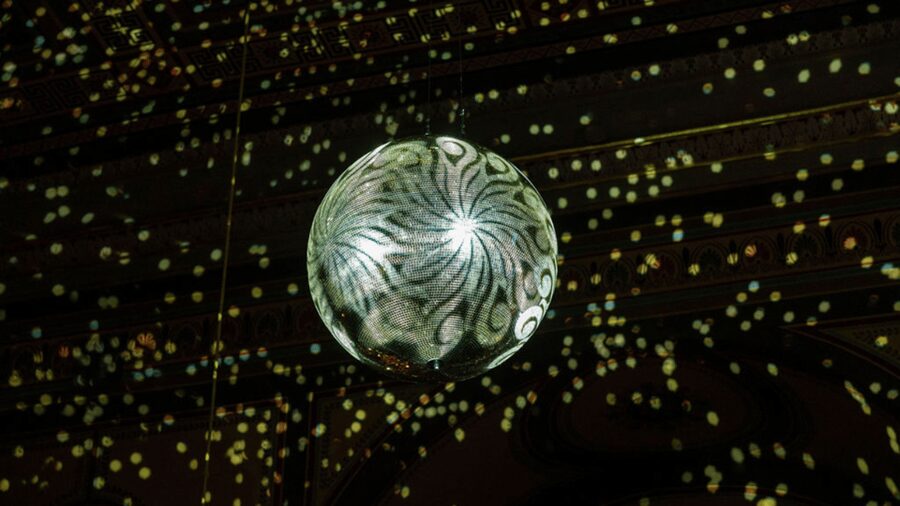
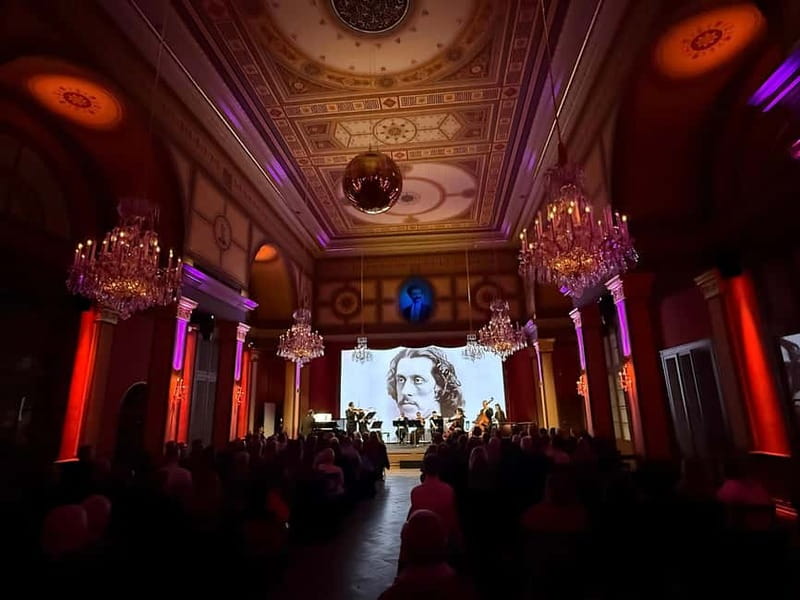
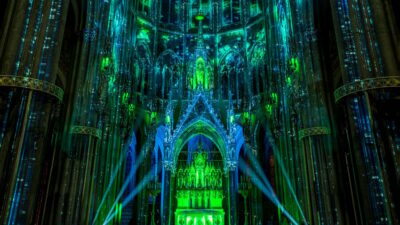
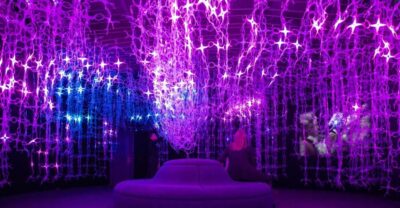
Many classical concerts add screens or projected images, and the result can feel like decoration. Here, the light and sparkle show is synchronized with the music and designed to tell hidden stories behind each piece.
That synchronization matters because your eyes and ears work together. When the visuals shift at the right musical moments, you do not have to guess the meaning. You can watch the hall respond to the phrasing, mood changes, and transitions between sections.
The best way to think about it is like reading subtitles for mood. If you already know the stories behind Viennese pieces, the visuals reinforce them. If you do not know, you still get a clear emotional guide. The light show supports the atmosphere, from grand social themes to more heartfelt vocal moments.
And because the hall is part of the experience, the lighting does not feel like it was pasted on from the outside. It is treated as part of the performance space.
Seating in Rows 1 to 2 versus Rows 14 to 18
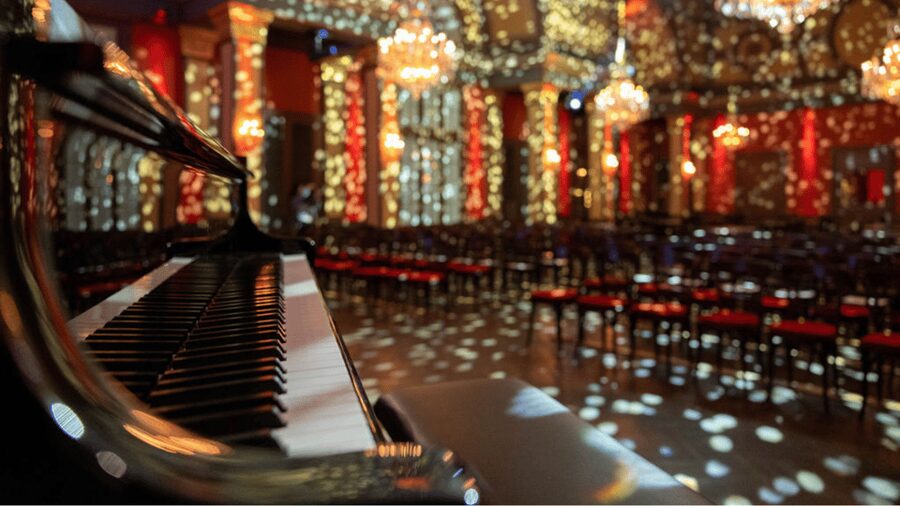
This is the area where I would be most deliberate when you book. The show offers three seating categories with different strengths:
- VIP (Rows 1 to 2): best view and closest immersion with the performers
- Category A (Rows 3 to 13): outstanding visibility and sound
- Category B (Rows 14 to 18): great perspective with the full light show experience
If you care most about sound and a front-row sense of focus, Category A is often the safest bet, because you get both strong hearing and a clean sightline. If you want the strongest blend of visuals plus atmosphere, Category B can be smart, since you are farther back enough to catch the full effect across the hall during the light sequences.
If you choose VIP rows, you should expect a close, direct experience where details in performance can feel sharper. It can be an especially good choice if you are sensitive to sound changes and want the music to feel physically present.
Value for $74, what you are really paying for
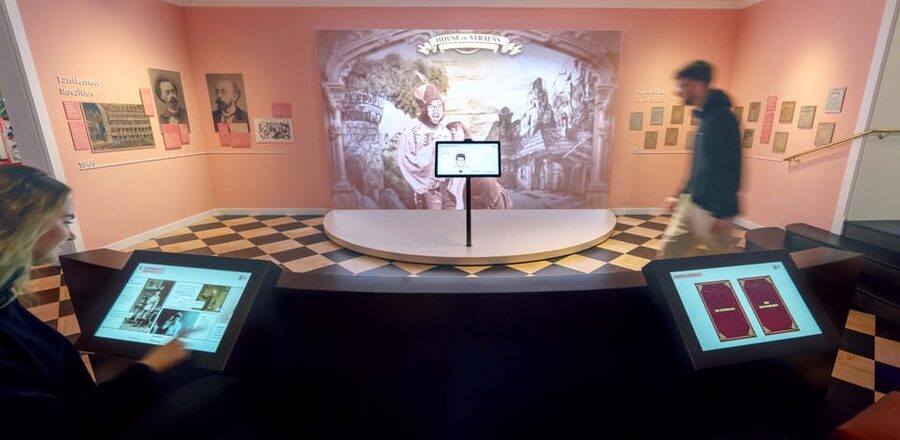
At $74 per person, the ticket price is not just for the concert. You also get museum admission, the sparking wine reception, and access to interactive and multimedia exhibits that connect Strauss music to Viennese culture.
That turns the math in your favor compared with pay-only-for-seats concerts. You are buying an entire night flow: pre-concert learning, a drink-and-arrival moment, then a one-hour performance with a visual story layer. The included reception also makes the experience feel polished and ready for a special evening without extra spending.
Add in the practical savings of skip the ticket line, and the evening becomes easier to manage. You do not want your “Vienna concert night” to start with logistical friction.
If you are the kind of traveler who likes to understand what you are seeing, this ticket tends to feel like good value. You are not just buying an hour of music. You are buying context, timing, and a format that tries to explain the music through light and story.
Who will enjoy this the most
This is a strong fit if you are visiting Vienna for the first time and want a concentrated introduction to the Strauss and Mozart world. The structure helps you follow along, even if you do not read music.
It also works well if you like classical concerts but want something more social and story-driven than a sit-and-silence recital. The soprano adds emotion, the orchestra keeps the musical backbone, and the synchronized light show gives you a guided way to follow changes.
I would be especially happy recommending it to people who want an evening that feels elegant without requiring deep musical knowledge. You can have a fun, meaningful night, and you can still walk away with a clearer sense of how Viennese musical culture formed.
If you hate any kind of theatrical staging or lighting effects, you might find the visuals less appealing. But if you are curious about how Vienna puts on art, this format feels like a modern way to understand classic composers.
Practical tips for a smooth evening in Vienna
Here are the small things that make a big difference with a timed concert like this.
First, plan to arrive with enough buffer to handle wardrobe checks or coat moments and still enjoy the museum before the hall opening at 20:00. Even if you are not racing, you will get more out of it if you do not feel rushed.
Second, if the light show is your priority, think carefully about your seat category. Category B is designed for full light show perspective, which suggests you might see more of the visual narrative as a whole picture.
Third, treat the sparkling wine reception as part of the pacing. It is at 20:00, which means you can slow down, settle in, and avoid arriving right as the hall fills.
Finally, remember that the show includes languages German and English. So if you want to understand the stories you are seeing, you can plan around that. It can help you connect the museum context to what unfolds onstage.
Should you book the Strauss and Mozart concert with light show?
I think you should book if you want a Vienna night that combines three things at once: a respected classical setting, a clear story thread, and a one-hour performance that does not feel endless. For the money, the included museum access and reception make it feel like a complete experience rather than just a seat.
I would skip it if you are very strict about traditional concert formats and you want zero visual effects, or if you are unsure you will care about the connection between Strauss family context and the music. In those cases, a standard concert might match your style better.
If you do book, pick your seats based on what you value most, sound focus versus full light show perspective. Then show up with a little patience for the museum portion, because that pre-concert time is what turns the melodies into a story you can follow.
FAQ
What time does the museum open?
The Strauss Museum is available from 19:00.
When do I enter the Strauss Hall?
Entry to the Strauss Hall begins at 20:00.
How long is the concert?
The concert runs from 20:30 to 21:30.
Is sparkling wine included?
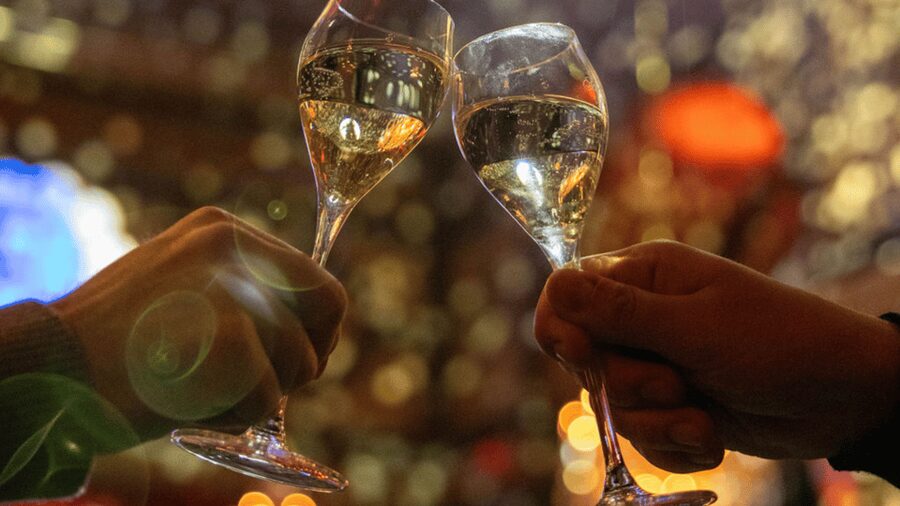
Yes. Every ticket includes a complimentary glass of fine Austrian sparkling wine at the reception.
Does the ticket include museum access?
Yes. Your ticket includes admission to the House of Strauss Museum, including the Strauss Exhibition.
Are there different seating categories?
Yes. Seating options include VIP (Rows 1 to 2), Category A (Rows 3 to 13), and Category B (Rows 14 to 18).
What languages are offered?
The event is offered in German and English.
Is it wheelchair accessible?
Yes. The experience is listed as wheelchair accessible.
Tour Reviews: Rest of the Austria File
- Vienna: Vivaldi’s Four Seasons Concert in Karlskirche
★ 4.7 · 14,951 reviews - Vienna: Schönbrunn Palace & Gardens Skip-the-Line Tour
★ 4.7 · 7,739 reviews - Vienna: Light of Creation Votive Church Immersive Light Show
★ 4.8 · 6,779 reviews - Vienna Spanish Riding School Guided Tour
★ 4.7 · 6,765 reviews
Screens, Headsets and Light Rooms
- Vienna: Light of Creation Votive Church Immersive Light Show
★ 4.8 · 6,779 reviews - Vienna: Time Travel and Magic Vienna History Tour
★ 4.6 · 3,879 reviews - Time Travel-Magic Vienna History Tour Ticket
★ 4.5 · 1,099 reviews - Vienna: Madame Tussauds Admission Ticket
★ 4.6 · 1,077 reviews
Concert Halls Around Vienna
- Vienna: Vivaldi’s Four Seasons Concert in Karlskirche
★ 4.7 · 14,951 reviews - Vienna: Classical Concert in the World-Famous Musikverein
★ 4.6 · 6,673 reviews - Vienna: Classic Ensemble Vienna in St. Peter’s Church Ticket
★ 4.7 · 4,819 reviews - Vienna: Mozart Concert at the Golden Hall
★ 4.6 · 3,986 reviews
Newest Vienna write-ups on file
- Vienna: Private Walking Tour to The Hofburg & Graben Street★ 5.0 · 3 reviews
- Vienna: Private tour Mauthausen and Linz★ 4.1 · 3 reviews
- Vienna Private Full Day Tour – Tickets to Schönbrunn & Lunch★ 5.0 · 3 reviews
- Vienna: Johann Strauss 200th birthday anniversary exhibition★ 4.7 · 3 reviews
- Vienna: Full-Day Vienna Woods Wine Tasting Tour★ 5.0 · 3 reviews
- Vienna: Festive Season and New Year’s Eve Waltz Workshop★ 5.0 · 3 reviews
Vienna Classical Concerts, compared.
 ★ 4.7Vienna: Vivaldi’s Four Seasons Concert in KarlskircheFrom $4014,951 reviews
 ★ 4.6Vienna: Classical Concert in the World-Famous MusikvereinFrom $176,673 reviews
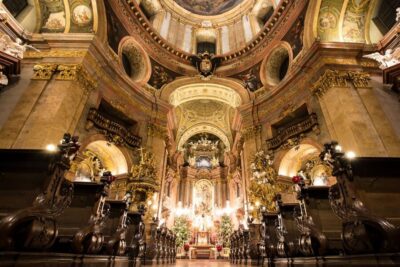 ★ 4.7Vienna: Classic Ensemble Vienna in St. Peter’s Church TicketFrom $454,819 reviews
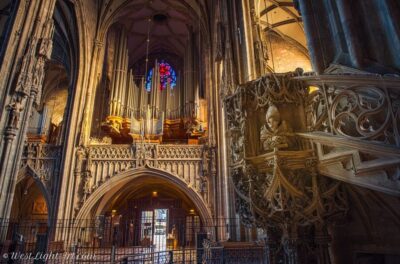 ★ 4.1Vienna: Classical Concert at St. Stephen’s CathedralFrom $114,177 reviews
★ 4.6Vienna: Mozart Concert at the Golden HallFrom $783,986 reviews
★ 4.1Vienna: Classical Concert at St. Stephen’s CathedralFrom $114,177 reviews
★ 4.6Vienna: Mozart Concert at the Golden HallFrom $783,986 reviews
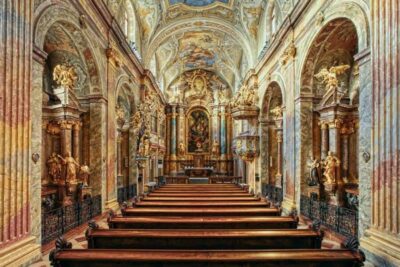 ★ 4.6Vienna: Classical Concert in St. Anne’s Church (Annakirche)From $383,414 reviews
 Vienna: Classical Concert at Mozart’s First House2,423 reviews
 ★ 4.5Vienna: Mozart and Strauss Concert at SchönbrunnFrom $632,364 reviews
This tour also sits in