
REVIEW · VIENNA CLASSICAL CONCERTS
Vienna: King of Waltz – immersive Johann Strauss Museum
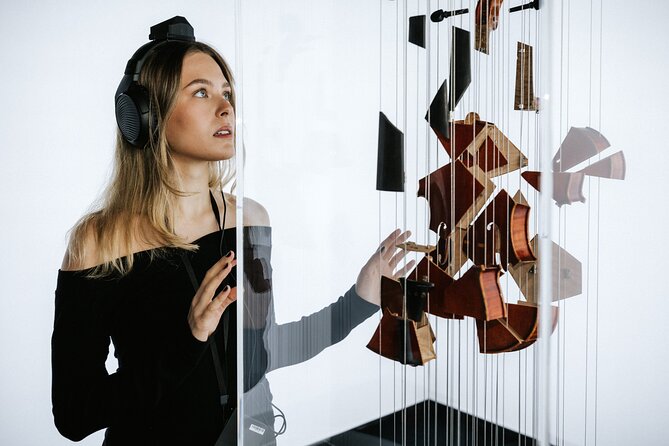
Waltz music, turned into hands-on tech. The Johann Strauss Museum in Vienna, hosted at the Kleines Haus der Kunst, is a 75-minute experience that mixes music history, interactive exhibits, and location-based 3D sound to bring Johann Strauss melodies to life.
I especially like the way the show uses creative audio-visual storytelling, with animations and soundscapes that keep you watching and listening. I also appreciate that the pace feels practical, about an hour and a quarter, and there are plenty of places to sit when you want a breather.
One possible drawback: this is very much an “audio plus visuals plus interaction” experience. If you want a quiet, traditional museum read-through, you might find the tech stations feel a bit busy for your taste.
In This Review
- Key Highlights You Should Care About
- What You Get for $28.94, and Why It Feels Fair
- Kleines Haus der Kunst: Your Starting Point in 800 m²
- Seven Acts of Strauss: A Story You Follow Without Needing a Lecture
- Headphones, GPS Audio, and Location-Based 3D Sound
- Interactive Stations: Composer, Musician, Dancer
- The Composing Machine: Your Waltz as Take-Home Sheet Music
- Photo Moment as Johann Strauss, Printed On the Spot
- Animations and Soundscapes: How the Tech Shapes the Mood
- How to Plan Your Visit in Vienna (Without Making It Complicated)
- Who Should Book This Johann Strauss Museum Experience?
- Should You Book King of Waltz: Johann Strauss New Dimensions?
- FAQ
- How long is the Johann Strauss Museum experience?
- What does the ticket price include?
- Do I need a printed ticket?
- Is there parking on site?
- Is it close to public transportation?
- What is the cancellation policy?
- How far in advance should I book?
Key Highlights You Should Care About
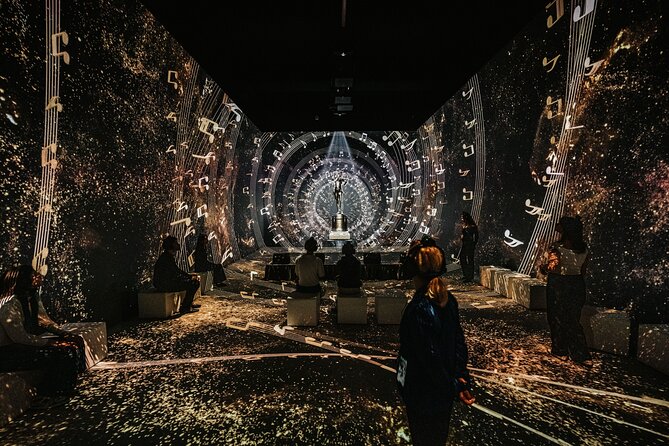
- Location-based 3D sound system: soundscapes are tied to where you stand, so the melodies feel like they move with you
- Motion-sensitive headphones + GPS audio guide: the experience responds as you explore, with guided audio support
- Seven-act journey: the exhibition breaks Strauss’s story into clear phases across 800 m²
- Hands-on composing, musician, and dancer stations: you do more than watch, you try
- Two take-home moments: you create personalized sheet music and get a printed photo as Johann Strauss
Other Vienna concert halls on file
- Vienna: Vivaldi’s Four Seasons Concert in Karlskirche
★ 4.7 · 14,951 reviews - Vienna: Classical Concert in the World-Famous Musikverein
★ 4.6 · 6,673 reviews - Vienna: Classic Ensemble Vienna in St. Peter’s Church Ticket
★ 4.7 · 4,819 reviews - Vienna: Mozart Concert at the Golden Hall
★ 4.6 · 3,986 reviews
What You Get for $28.94, and Why It Feels Fair
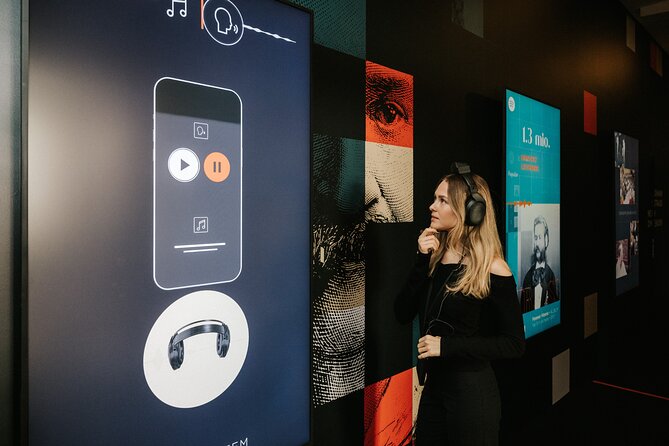
At $28.94 per person for about 1 hour 15 minutes, the value comes from what is included in the ticket. You get the admission, plus the audio guide and headphones, so you are not paying extra once inside just to get the story.
This pricing also makes sense because the experience is built like an attraction, not just a room of displays. You are using a guided audio layer, wearing equipment that supports the sound design, and moving through multiple interactive stations that last roughly the length of a short theater performance. If you are in Vienna for a “one evening” plan that still feels substantial, this fits that sweet spot.
Also, note the practical detail that parking fees are not included. If you are driving, you’ll want to factor that in. If you are using public transport, you’re in luck, since it is near public transportation.
Kleines Haus der Kunst: Your Starting Point in 800 m²
The experience begins at the Kleines Haus der Kunst, where you enter the Johann Strauss New Dimensions ART & TECH Museum Experience. The exhibition spans 800 m², and it is organized into seven acts that trace major phases of Johann Strauss life.
Why I like this layout: seven acts gives the story shape. You are not wandering through random facts. You are moving through a sequence, so your brain stays oriented even when the experience gets fun and interactive.
A small planning thought: because it is a designed “flow” through many stations, going in with a relaxed mindset helps. You do not need to race to finish every corner. The reviews I’ve heard line up with what the format suggests, there are plenty of places to sit, which makes it easier to pause without losing your place.
Seven Acts of Strauss: A Story You Follow Without Needing a Lecture
The exhibition presents the important phases of Strauss story in a guided, multimedia way. Expect interactive elements and audiovisual installations that set the mood for each act, rather than a wall of text.
In practical terms, this matters because Johann Strauss can be one of those names you know from pop culture, but not from the full context. This format helps you connect the music to the person, and the person to the moments. Instead of treating waltzes like background music, it frames them as something made in time, for time, and shaped by life.
One thing to keep in mind: you will likely spend less time than you think purely reading details. That’s not a flaw, it’s a trade. The experience leans on sound and interactive stations more than on traditional museum interpretation. If that suits your style, you’ll enjoy it.
Headphones, GPS Audio, and Location-Based 3D Sound
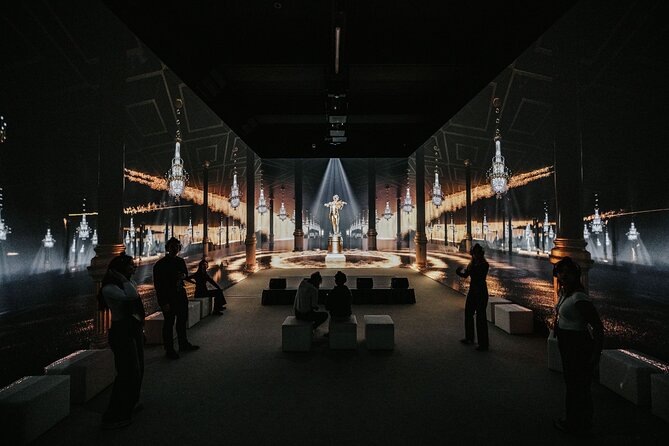
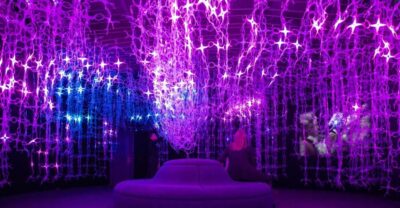
This is where the “wow” factor is supposed to happen. You’ll wear modern, motion-sensitive headphones, and you’ll use a GPS-controlled audio guide while you move through the exhibition.
Add the location-based 3D sound system and you get a clever idea: the melodies and soundscapes are not just played for you in one fixed room. The audio is tied to where you are, which changes the way it feels. It can make the experience more physical, like you are inside the sound rather than outside it.
Practical tips so it works for you:
- Keep the headphones fitted comfortably from the start, because you’ll depend on clear audio throughout
- Don’t be afraid to adjust your position. With location-based audio, a small step can matter
- If you are sensitive to headsets or strong audio, take a short break at a seating area before continuing
The end result is a guided experience that feels like you’re moving through the story, not just listening to it.
Other headset and projection rooms
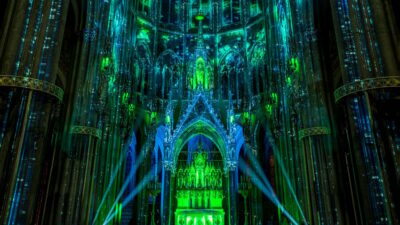
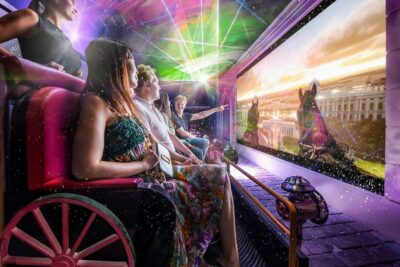
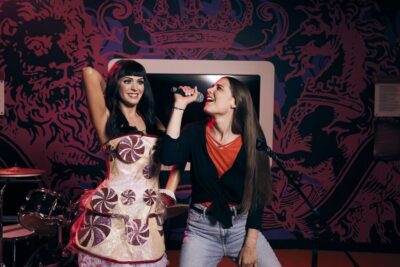
Interactive Stations: Composer, Musician, Dancer
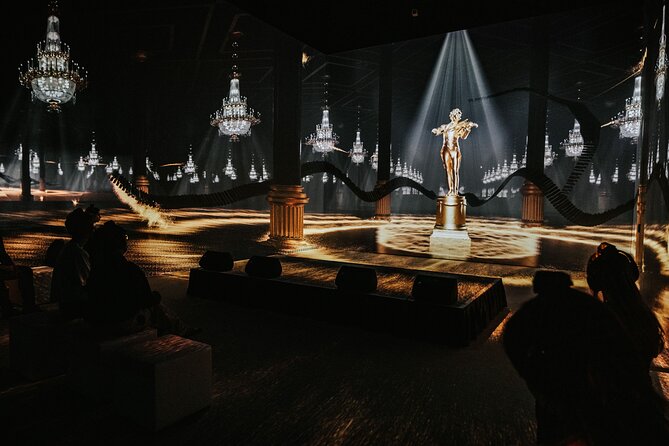
At several points you can try your hand at roles tied to music and performance: composer, musician, and dancer. The exhibition uses interactive stations so you can participate instead of spectating the whole time.
I like these moments because they turn understanding into action. Even if you are not a musician, pressing buttons, making choices, or matching movement is an easy way to learn how the pieces fit together. For non-music people, it also breaks the ice. You don’t have to already know waltz theory to have fun.
A consideration: interactive exhibits can be hit-or-miss if you prefer passive experiences. If you like to observe and read, you might want to slow down at each station and take the time to enjoy the audio and visuals without feeling pressured to “perform.” You can treat the interactive parts as optional moments, not tasks.
The Composing Machine: Your Waltz as Take-Home Sheet Music
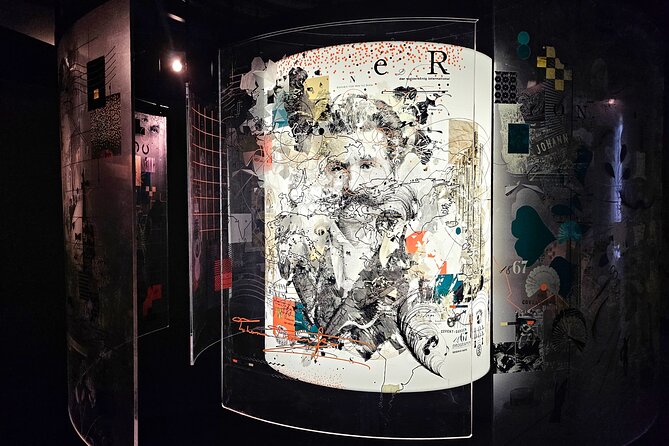
One of the most memorable features is the composing machine. You create your own waltz, and the result becomes personalized sheet music you can take home.
Why this matters: it turns a short museum outing into something you can refer back to later. In a city full of famous buildings and long walking days, a tangible souvenir helps. Instead of only collecting photos, you bring home an artifact that connects to what you experienced.
If you are traveling light, think ahead. You’ll want a plan for keeping the printed sheet music crease-free and safe in your bag. Also, consider the time it might take to create your waltz, especially if the station is busy at your chosen time slot.
Photo Moment as Johann Strauss, Printed On the Spot
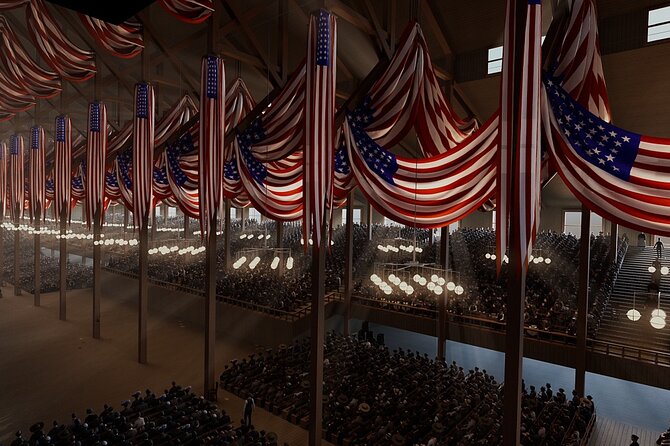
The museum also gives you the chance to take a photo of yourself as Johann Strauss, with the image printed right on the spot.
This is pure fun value. It’s silly in a good way, and it gives you an instant keepsake without having to deal with sending files or waiting for prints later. If you like themed photo souvenirs from museums, you’ll probably enjoy this part.
The main practical point: build a little buffer into your schedule. Even in a guided experience, print-on-site stations can take a few minutes. Don’t show up at the end of your day already stressed.
Animations and Soundscapes: How the Tech Shapes the Mood
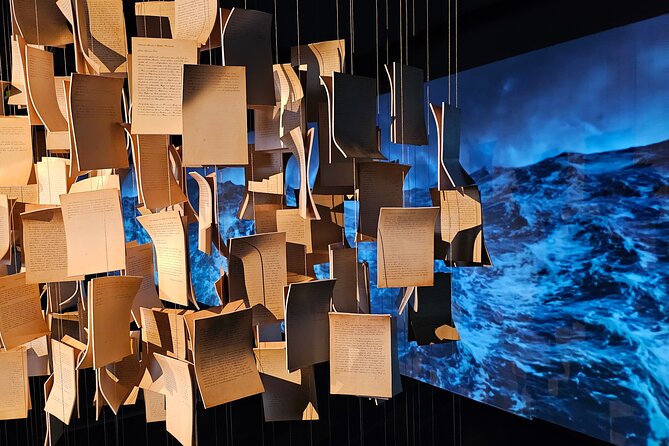
Beyond the headphones and interactive stations, the exhibition uses multimedia stations with animations to complete the experience. This is important because it keeps the emotional tone moving, even when you pause for audio or interactive activities.
In my view, the best tech exhibitions do two things. First, they help you understand what you would otherwise need to explain. Second, they give you a reason to keep looking. Here, the combo of soundscapes and visuals does both. You are constantly guided by what you hear and what appears in front of you.
Also, the format is designed to last about 75 minutes, which is long enough to feel like a journey, but not so long that you run out of attention. That “right length” comment matches the practical reality of the time frame.
How to Plan Your Visit in Vienna (Without Making It Complicated)
This attraction is in Vienna, Austria, and it is near public transportation. That makes it easy to plug into a typical day without building your entire itinerary around it.
Here’s how I’d plan it:
- Book ahead. On average, this is booked about 28 days in advance, so earlier is better if you want a specific time
- Give it about 75 minutes, plus a little margin for photos and composing
- If you are driving, remember parking fees are not included
Because it is a mobile ticket, you can usually keep everything on your phone. Still, I always recommend checking that your ticket is accessible offline or saved properly before you head out, just in case the connection is spotty.
And take advantage of the comfort. One nice detail from the experience feedback is that there are plenty of places to sit. That’s not guaranteed at every tech-heavy attraction, so it’s a real plus if you need to recharge for a moment.
Who Should Book This Johann Strauss Museum Experience?
This is best for you if you want music storytelling that uses sound design, interactive stations, and tech-friendly guidance. It also works well if you are curious about Austrian culture but don’t want to spend hours on a formal museum lecture.
It’s a good fit for:
- Music lovers who want a different way to connect Strauss to the sound
- People who like hands-on exhibits, even if you are not “good at” composing or dancing
- First-time Vienna visitors who want a single attraction that feels like a complete experience
If you prefer quiet, text-first museums, you might be happier choosing a different type of stop. This one is active, and it asks you to listen with equipment and engage at stations.
Should You Book King of Waltz: Johann Strauss New Dimensions?
Yes, if you’re looking for a short, structured, tech-and-music experience with real participation. The value is strong because you get admission, plus the audio guide and headphones, and the show lasts about 75 minutes, not a half-day commitment.
If you’re deciding between this and something more traditional, consider your mood. Want to move, listen closely, and leave with a take-home keepsake like printed sheet music and a themed portrait? This is a great choice. Want quiet time, lots of reading, or a live-performance vibe? Then you may want to match your expectations to the format.
FAQ
How long is the Johann Strauss Museum experience?
It runs about 1 hour 15 minutes (approximately).
What does the ticket price include?
Your ticket includes the audio guide, headphones, and the admission fee.
Do I need a printed ticket?
No. This experience uses a mobile ticket.
Is there parking on site?
Parking fees are not included, so if you drive you should plan for additional parking costs.
Is it close to public transportation?
Yes, it is near public transportation.
What is the cancellation policy?
You can cancel for a full refund up to 24 hours before the experience starts. If you cancel less than 24 hours in advance, you won’t get a refund.
How far in advance should I book?
On average, it’s booked about 28 days in advance, so booking ahead is a smart move if you have specific dates or times in mind.
Tour Reviews: Rest of the Austria File
- Vienna: Vivaldi’s Four Seasons Concert in Karlskirche
★ 4.7 · 14,951 reviews - Vienna: Schönbrunn Palace & Gardens Skip-the-Line Tour
★ 4.7 · 7,739 reviews - Vienna: Light of Creation Votive Church Immersive Light Show
★ 4.8 · 6,779 reviews - Vienna Spanish Riding School Guided Tour
★ 4.7 · 6,765 reviews
Screens, Headsets and Light Rooms
- Vienna: Light of Creation Votive Church Immersive Light Show
★ 4.8 · 6,779 reviews - Vienna: Time Travel and Magic Vienna History Tour
★ 4.6 · 3,879 reviews - Time Travel-Magic Vienna History Tour Ticket
★ 4.5 · 1,099 reviews - Vienna: Madame Tussauds Admission Ticket
★ 4.6 · 1,077 reviews
Concert Halls Around Vienna
- Vienna: Vivaldi’s Four Seasons Concert in Karlskirche
★ 4.7 · 14,951 reviews - Vienna: Classical Concert in the World-Famous Musikverein
★ 4.6 · 6,673 reviews - Vienna: Classic Ensemble Vienna in St. Peter’s Church Ticket
★ 4.7 · 4,819 reviews - Vienna: Mozart Concert at the Golden Hall
★ 4.6 · 3,986 reviews
Newest Vienna write-ups on file
- Vienna: Private Walking Tour to The Hofburg & Graben Street★ 5.0 · 3 reviews
- Vienna: Private tour Mauthausen and Linz★ 4.1 · 3 reviews
- Vienna Private Full Day Tour – Tickets to Schönbrunn & Lunch★ 5.0 · 3 reviews
- Vienna: Johann Strauss 200th birthday anniversary exhibition★ 4.7 · 3 reviews
- Vienna: Full-Day Vienna Woods Wine Tasting Tour★ 5.0 · 3 reviews
- Vienna: Festive Season and New Year’s Eve Waltz Workshop★ 5.0 · 3 reviews
Vienna Classical Concerts, compared.
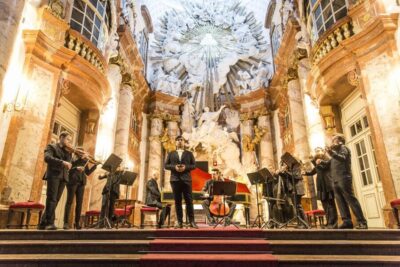 ★ 4.7Vienna: Vivaldi’s Four Seasons Concert in KarlskircheFrom $4014,951 reviews
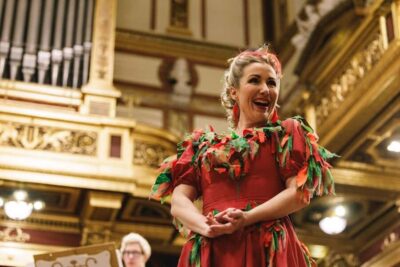 ★ 4.6Vienna: Classical Concert in the World-Famous MusikvereinFrom $176,673 reviews
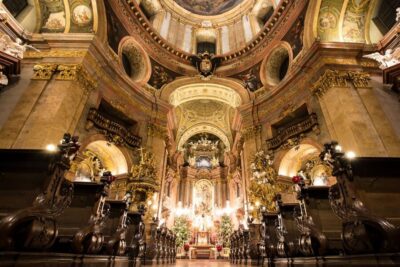 ★ 4.7Vienna: Classic Ensemble Vienna in St. Peter’s Church TicketFrom $454,819 reviews
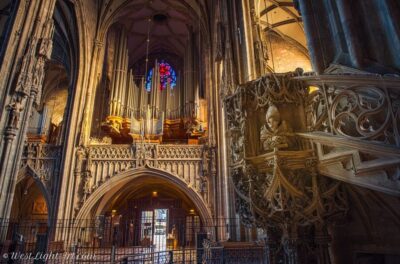 ★ 4.1Vienna: Classical Concert at St. Stephen’s CathedralFrom $114,177 reviews
★ 4.6Vienna: Mozart Concert at the Golden HallFrom $783,986 reviews
★ 4.1Vienna: Classical Concert at St. Stephen’s CathedralFrom $114,177 reviews
★ 4.6Vienna: Mozart Concert at the Golden HallFrom $783,986 reviews
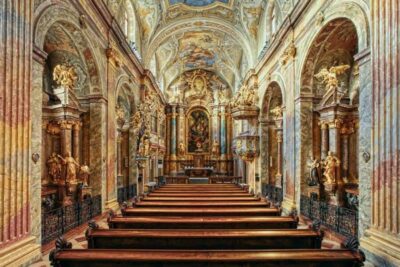 ★ 4.6Vienna: Classical Concert in St. Anne’s Church (Annakirche)From $383,414 reviews
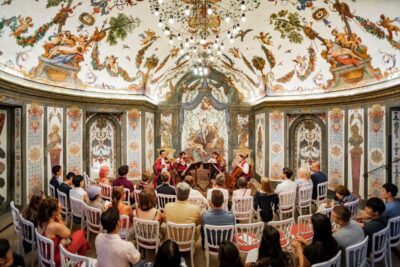 Vienna: Classical Concert at Mozart’s First House2,423 reviews
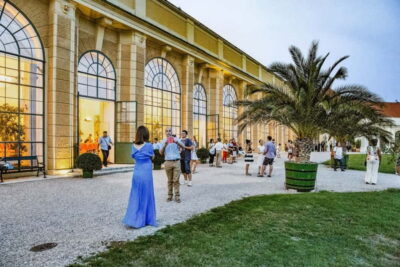 ★ 4.5Vienna: Mozart and Strauss Concert at SchönbrunnFrom $632,364 reviews
This tour also sits in