
REVIEW · AUSTRIAN WINE EXPERIENCES
Vienna: Austrian Wine Tasting
Austrian wine makes a lot of sense here. An expert-led tasting in Vienna lets you connect the dots between Vienna wine styles and the bigger names from Austria’s top regions, one sip at a time. You start with a friendly welcome and a guided explanation, then taste a representative lineup designed to teach you how Austrian wine is built, not just what it tastes like.
Two things I really like: first, the focus on tasting technique and learning how to assess aromas and flavors as you go. Second, the wines feel thoughtfully chosen for a first time visitor, including Vienna’s Wiener Gemischter Satz DAC, plus big Austrian flagships like Grüner Veltliner and Riesling from well-known regions.
One possible drawback to consider: this is an alcohol-focused experience, and the tasting is substantial, so if you’re planning a big night out afterward, you’ll want a calm plan for getting back and taking it easy.
In This Review
- Key highlights you will actually care about
- Vienna Austrian Wine Tasting, why it is a smart stop
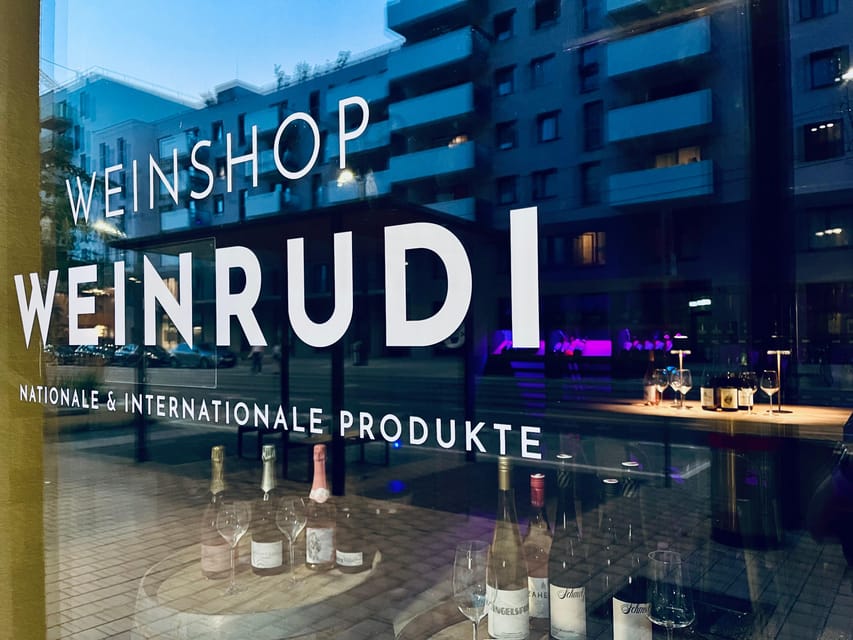
- Weinrudi in Vienna’s 2nd district, the setting and meeting point
- The 1-day plan, what happens during the tasting
- Step 1: Welcome Frizzante and a quick on-ramp
- Step 2: Guided tasting with technique, not just labels
- Step 3: Six wine tastings plus food and water
- Step 4: You end where you started
- What you will taste, from Vienna Gemischter Satz to Wachau and Kremstal
- Food, pace, and why the pours feel generous
- Guide and group size, what the small format changes
- Learning value, what technique gives you for the rest of your trip
- Price and value, is $81 worth it?
- Who should book this wine tasting, and who should skip it
- Logistics that matter in Vienna, so you are not stressed
- Quick tips to get more out of every glass
- Should you book Vienna Austrian Wine Tasting with Weinrudi?
- FAQ
- How long is the Austrian wine tasting in Vienna?
- Where does the tour start and meet?
- How much does the experience cost?
- What is included in the price?
- Is pickup included?
- How many people are in the group?
- What languages are available for the live guide?
- Is the experience wheelchair accessible?
- Is free cancellation available?
- Is it suitable for children or pregnancy?
Key highlights you will actually care about
- Small group (up to 8 people), so the guide can answer questions without rushing you
- 6 generous tastings plus a welcome glass of Frizzante, bread, snacks, and water
- A practical tasting method led by a graduate of a wine academy
- A clear Austrian wine snapshot that includes Vienna, Wachau, and Kremstal styles
- Languages include English and German, with a live guide at Weinrudi
- Wheelchair accessible at the shop meeting point in the 2nd district
Austrian wine entries near Vienna
- Wachau Valley Wine Tasting Bike Tour from Vienna
★ 5.0 · 829 reviews - Countryside Half Day Wine Tour near Vienna
★ 5.0 · 545 reviews - Wachau Valley Small-Group Tour and Wine Tasting from Vienna
★ 5.0 · 540 reviews - From Vienna: Half-day Countryside Wine Tour with Meal
★ 4.7 · 526 reviews
Vienna Austrian Wine Tasting, why it is a smart stop
If you only visit wine bars in Vienna, you can end up ordering what sounds good and calling it a day. This experience does something better. You get a guided structure for tasting, so each glass connects to a concept, like what a wine region does to flavor, or what grape character you should expect from Austrian varieties.
It is also efficient. You pack a meaningful slice of Austria into about a 2-hour tasting presentation, right in the city. That matters because Austrian wine is often explained by region and style, and that can feel confusing when you are standing in a shop with a menu full of terms.
And yes, it is fun. There is real conversation, and you get the sense that the guide wants you to leave understanding what you liked and why.
Weinrudi in Vienna’s 2nd district, the setting and meeting point
The action is at a real wine shop experience, Weinshop Weinrudi, at Bruno-Marek-Allee 11 in Vienna’s 2nd district. That location is practical for sightseeing. You are also near major attractions like the Prater and the Giant Ferris Wheel, so you can pair this with a normal Vienna day without losing your whole afternoon to logistics.
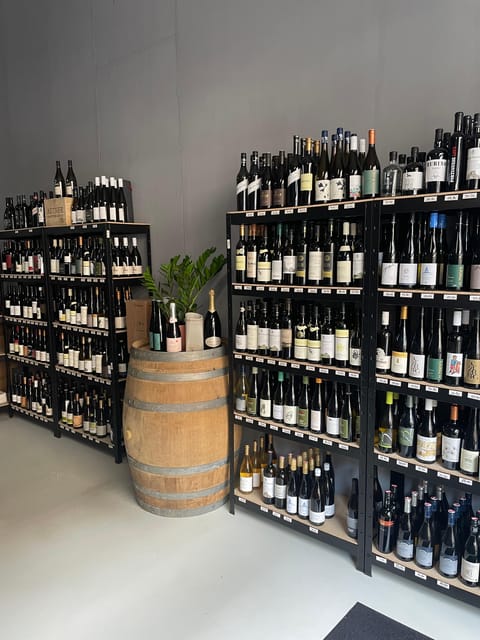
The shop setting tends to keep things comfortable: you are not bouncing between multiple venues, and you can hear the explanations clearly while you focus on the tasting. Another small advantage is that you know exactly where to go, because the meeting point is the shop itself. No pickup needed, so you control your timing and arrive when you want.
Accessibility is clearly considered too. The experience is listed as wheelchair accessible, which is a real plus for Vienna planning where not every small venue is easy to navigate.
The 1-day plan, what happens during the tasting
This is a 1-day activity, and it is designed around a focused tasting session. In practice, you should expect to spend around 1.5 hours on the tasting experience at the shop, with the guided presentation described as approximately 2 hours total. Either way, it is not a scattered, take-your-time-the-whole-day situation.
Step 1: Welcome Frizzante and a quick on-ramp
You begin with a welcome glass of Frizzante. That does two helpful things. First, it gets you into a tasting mindset fast. Second, it sets the pacing so the group starts together rather than trickling in after you already have your first wine.
Other Vienna write-ups filed under Austria
Step 2: Guided tasting with technique, not just labels
A graduate of the Wine Academy leads the session, and the goal is to show you how to taste. That means you get explanations about Austrian wine styles and tasting approaches while you’re sipping, so you can connect the technique to what you are noticing.
Step 3: Six wine tastings plus food and water
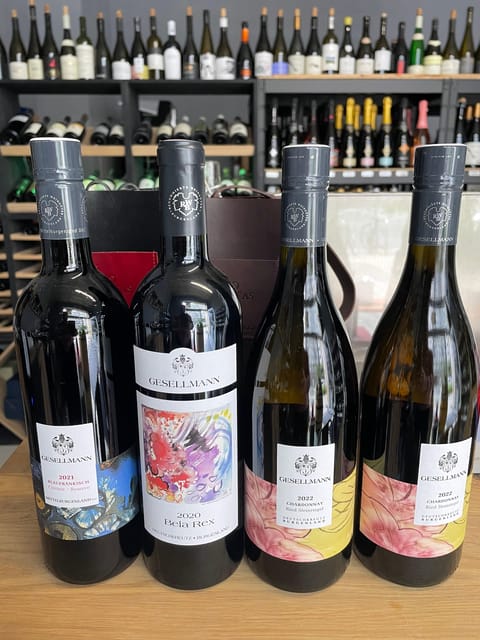
The core of the experience is six quality wines from leading, award-winning winemakers, paired with bread, snacks, and water. Food and water matter more than people think. They keep your palate from getting tired and help you stay comfortable through multiple pours.
Also, from what I have seen in real experiences with this kind of format, the food creates a natural rhythm. You’re not just consuming. You are tasting, pausing, and resetting your senses.
Step 4: You end where you started
You return to the same place, Bruno-Marek-Allee 11. No awkward transit planning at the end. If you are doing this on a sightseeing day, it is easy to fold into your route.
What you will taste, from Vienna Gemischter Satz to Wachau and Kremstal
The lineup is built to give you a representative snapshot of Austrian wine, not just a grab bag of random bottles.
Here are some of the specific varieties you can expect to see in the tasting:
- Wiener Gemischter Satz DAC (Vienna): This is a Vienna style you will struggle to replicate anywhere else in the same way, and it is a great way to understand that Austria is not only about famous valleys. Vienna has its own identity in wine.
- Grüner Veltliner Ried Pichl Point (Wachau): Wachau is one of the best-known names in Austrian wine, and Grüner Veltliner is the kind of grape that rewards attention. If you want to learn what Austrian white wine feels like at its best, this is the lane.
- Riesling Handwerk (Kremstal): Riesling adds a different flavor logic, and Kremstal gives you another regional angle. It is useful because it helps you separate grape character from regional influence.
You also get a broader context for Austrian wine. The tasting explains Austria’s flagship varieties and styles succinctly, so you come away with a mental map. Instead of memorizing label trivia, you understand how to recognize styles when you see them again later in a shop or restaurant.
One thing I like about this approach: you are not overwhelmed. You taste six wines and learn enough to make the next decision on your own.
Food, pace, and why the pours feel generous
Wine tastings can be a mixed bag. Some are tiny sips with a lot of talk, and others are basically a wine flight where you taste nothing but alcohol. This one lands more on the practical side, with generous wine tastings and real food support.
Bread, snacks, and water are included. That is important in Vienna, where a day of walking is normal. The session is structured, but it also gives you enough time to smell and taste properly without feeling like you’re being rushed off to the next stop.
A note on pace based on experience with this format: the pours can add up. One comment I saw described feeling quite affected afterward, even with a great time. So I recommend planning your evening like a grown-up. If you need to be anywhere later, think about how you will get there. In other words, enjoy it, but do not treat it like a casual one-glass-and-walk-off situation.
Guide and group size, what the small format changes
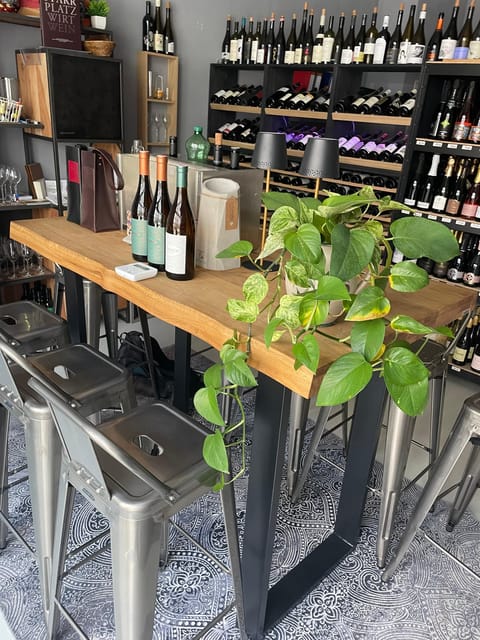
This is a small group limited to 8 participants. That is not a gimmick. It changes the conversation. When the group is small, the guide can answer specific questions and react to what you mention.
The live guide is available in English and German, and that makes it easier if you want clear explanations without guessing. The experience is also described as friendly and welcoming, which matters because wine tasting can feel intimidating if you do not know the vocabulary. A good guide keeps it approachable.
One detail that stands out from real encounters with this host: the guide often goes beyond only Austrian wine. If you have been to places like Bordeaux or St Emilion, you might notice comparisons showing up naturally when you mention what you have tasted. That helps you build connections, not just collect tasting notes.
Learning value, what technique gives you for the rest of your trip
The best part of a guided tasting is what happens after you leave. You will likely find that you start ordering with more confidence.
Here is what technique helps you do:
- You learn how to look at aroma before you decide what you think you taste.
- You get better at distinguishing fruit character from structure, like acidity and body.
- You pick up on regional patterns, like how Vienna’s style differs from Wachau’s identity.
And because the tasting is tied to specific varieties like Grüner Veltliner and Riesling, you also learn what to expect when you see those names later. That means you spend less time decoding a wine list and more time enjoying what you chose.
Price and value, is $81 worth it?
At $81 per person, you are paying for more than six sips. You are paying for:
- a welcome drink (Frizzante)
- six wine tastings that are described as generous
- bread, snacks, and water
- a structured presentation of Austrian wine regions and styles
- a small-group format with a live guide (English and German)
If you break it down, the wine portion alone is a strong value compared to many city wine bar tastings where you pay for each glass. You are also not left hungry or thirsty, since food and water are included.
The other value is the teaching. If you like wine but hate guessing, this format saves you mental effort. You are buying guidance that makes your future choices easier.
The only reason this might not feel worth it is if you are already extremely comfortable with wine tasting and you prefer a self-guided tour style. In that case, you might want to spend your time doing a longer, multi-stop bar crawl. But if you want instruction plus a clear Austrian overview, it is money well spent.
Who should book this wine tasting, and who should skip it
This experience is a great fit if:
- you want a beginner-friendly way to understand Austrian wine
- you like small-group formats
- you want to learn while tasting, not just drink without context
- you are short on time and want a high-signal overview of Austrian regions
It is not listed as suitable for:
- children under 18
- pregnant women
- people with a cold
If you fall into any of those categories, you should skip this one and look for a different activity.
Also, if you do not drink alcohol or you have strong reasons to avoid it, this may not be your style since the activity is built around wine tastings.
Logistics that matter in Vienna, so you are not stressed
This is a walk-in to a known meeting point, not a pickup. You need to get yourself to Bruno-Marek-Allee 11 at Weinshop Weinrudi in the 2nd district.
That is simple, but it does mean you should:
- check your route before you go
- allow a little extra time for finding the shop
- plan your evening transport thoughtfully, since the tastings can affect you
The experience also offers free cancellation up to 24 hours in advance, and there are options like reserve now and pay later. Those policies can help if you are still juggling your Vienna schedule.
Quick tips to get more out of every glass
You will enjoy this more if you come with a light plan.
- Start with curiosity, not judgments. Taste first, then decide what it reminds you of.
- Take small notes in your phone. Even one sentence per wine helps you remember later.
- Drink water between wines and use the bread and snacks. It keeps the tasting accurate.
- If you have tasted wine in other countries, bring a simple reference point like a grape name or region. The guide may connect the dots when you mention it.
And if you are new to wine tasting, do not worry about sounding correct. The point is to notice what your senses pick up, then learn how that matches what Austrian wine is doing.
Should you book Vienna Austrian Wine Tasting with Weinrudi?
Book it if you want a structured, friendly introduction to Austrian wine that fits neatly into a Vienna day. You get six wines, technique guidance, and a clear look at Vienna plus key regions like Wachau and Kremstal. The small group size makes the experience feel personal, and the host’s style is built for real questions.
Skip it if you are looking for a big sightseeing day with multiple locations, or if alcohol is a no-go for you. Also, if you know you react strongly to wine, plan your return and your evening carefully.
Overall, this is one of those tastings that leaves you with more than a memory. It leaves you with a working understanding of what Austrian wine styles taste like, and how to order them with confidence when you are back on the street.
FAQ
How long is the Austrian wine tasting in Vienna?
The tasting presentation is described as approximately 2 hours, and the tour experience portion is listed as around 1.5 hours.
Where does the tour start and meet?
You meet directly at the wine shop Weinrudi, located at Bruno-Marek-Allee 11 in Vienna’s 2nd district.
How much does the experience cost?
The price is listed as $81 per person.
What is included in the price?
The price includes a welcome drink, six glasses of wine, and bread, snacks, and water.
Is pickup included?
No, pickup is not included.
How many people are in the group?
The group is small, limited to 8 participants.
What languages are available for the live guide?
The live guide offers English and German.
Is the experience wheelchair accessible?
Yes, it is listed as wheelchair accessible.
Is free cancellation available?
Yes. You can cancel up to 24 hours in advance for a full refund.
Is it suitable for children or pregnancy?
It is not suitable for children under 18 or for pregnant women. It is also not suitable for people with a cold.
Food & Drink: Rest of the Austria File
- Vienna for Food Lovers: Cafés, Markets & Austrian Cuisine
★ 5.0 · 1,063 reviews - Wachau Valley Wine Tasting Bike Tour from Vienna
★ 5.0 · 829 reviews - Vienna: Gerstner KuK Hofzuckerbäcker Baking Show & Tasting
★ 4.8 · 823 reviews - Authentic Vienna Food Tour inc. lunch, street food, 3 drinks
★ 5.0 · 749 reviews
Tour Reviews: Rest of the Austria File
- Vienna: Vivaldi’s Four Seasons Concert in Karlskirche
★ 4.7 · 14,951 reviews - Vienna: Schönbrunn Palace & Gardens Skip-the-Line Tour
★ 4.7 · 7,739 reviews - Vienna: Light of Creation Votive Church Immersive Light Show
★ 4.8 · 6,779 reviews - Vienna Spanish Riding School Guided Tour
★ 4.7 · 6,765 reviews
Austrian Wine Around Vienna
- Wachau Valley Wine Tasting Bike Tour from Vienna
★ 5.0 · 829 reviews - Countryside Half Day Wine Tour near Vienna
★ 5.0 · 545 reviews - Wachau Valley Small-Group Tour and Wine Tasting from Vienna
★ 5.0 · 540 reviews - From Vienna: Half-day Countryside Wine Tour with Meal
★ 4.7 · 526 reviews
Newest Vienna write-ups on file
- Vienna: Private Walking Tour to The Hofburg & Graben Street★ 5.0 · 3 reviews
- Vienna: Private tour Mauthausen and Linz★ 4.1 · 3 reviews
- Vienna Private Full Day Tour – Tickets to Schönbrunn & Lunch★ 5.0 · 3 reviews
- Vienna: Johann Strauss 200th birthday anniversary exhibition★ 4.7 · 3 reviews
- Vienna: Full-Day Vienna Woods Wine Tasting Tour★ 5.0 · 3 reviews
- Vienna: Festive Season and New Year’s Eve Waltz Workshop★ 5.0 · 3 reviews
Austrian Wine Experiences, compared.
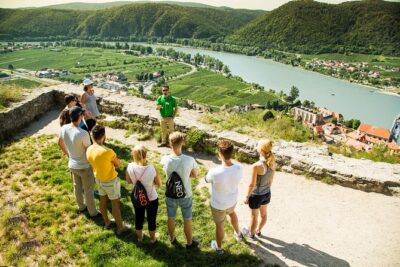 ★ 5.0Wachau Valley Wine Tasting Bike Tour from ViennaFrom $163829 reviews
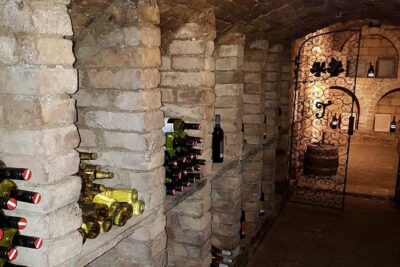 ★ 5.0Countryside Half Day Wine Tour near ViennaFrom $145545 reviews
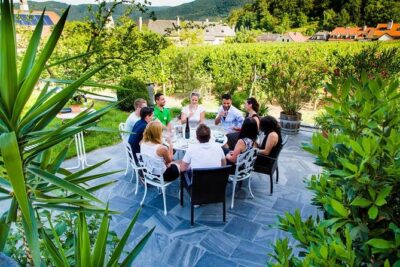 ★ 5.0Wachau Valley Small-Group Tour and Wine Tasting from ViennaFrom $230540 reviews
 ★ 4.7From Vienna: Half-day Countryside Wine Tour with MealFrom $141526 reviews
 ★ 4.8Grape Grazing: Wachau Valley Winery Biking TourFrom $163468 reviews
 ★ 4.8Vienna: Wine Tasting Experience in a Private Wine CellarFrom $22413 reviews
 ★ 4.8From Vienna: Wachau Valley Day Tour with Wine TastingFrom $234399 reviews
 ★ 4.2Vienna: Heurigen Cruise with Viennese Songs and BuffetFrom $74320 reviews
This tour also sits in