
REVIEW · VIENNA CELLARS & GHOST WALKS
Third Man Museum Admission Ticket Vienna
Film props and wartime Vienna, in one stop. I love how the Third Man Museum turns a movie into something you can touch, especially the Anton Karas zither used for the film’s music. I also love the production side of the story, from original scripts to a working vintage Ernemann VIIb projector that makes the era feel real.
One thing to consider: this is very much a niche stop. With Saturday hours from 2:00 PM to 6:00 PM, it can be easy to miss if your Vienna plan does not line up with that window.
In This Review
- Key things I’d prioritize at the Third Man Museum
- Why this museum feels like film history evidence
- Price and timing, and why the $20 ticket can be a good deal
- What you’ll see inside: objects that explain how the movie got made
- The zither: more than a famous soundtrack detail
- Scripts: how the film changed from page to release
- Cameras and special effects: the practical tricks behind the mood
- The projector: a 1936 machine you can understand
- Posters, lobby cards, and cinema programs
- The Little Hansel cap
- The Vienna context: occupied years from 1945 to 1955
- How to plan your visit so you actually get the most
- The staff experience: when the museum gets the details right
- Who this Third Man Museum ticket is for, and who should rethink it
- Should you book the Third Man Museum admission?
Key things I’d prioritize at the Third Man Museum
- Anton Karas original zither: proof of the film’s sound, not just a photo or copy.
- Original film scripts from draft to release: you can see how the story got shaped.
- Filming cameras rented for special effects: the movie-making angle stays front and center.
- The fully functional Ernemann VIIb projector (1936): one object here feels like a time machine.
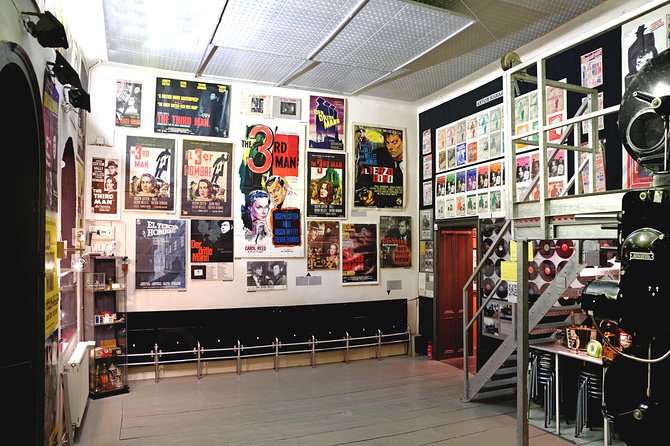
- Posters and lobby cards from cinemas worldwide: you get the international reach of the film.
- Occupied Vienna context from 1945 to 1955: the museum explains the setting behind the scenes.
Cellars, crypts and night routes
- Vienna: Vienna Central Cemetery Guided Walking Tour
★ 4.8 · 3,307 reviews - Vienna: Viennese Underworld Guided Walking Tour
★ 4.7 · 1,865 reviews - Vienna: Imperial Crypt Entrance Ticket
★ 4.6 · 1,507 reviews - Vienna: 1.5-Hour Underground Walking Tour
★ 4.9 · 1,146 reviews
Why this museum feels like film history evidence
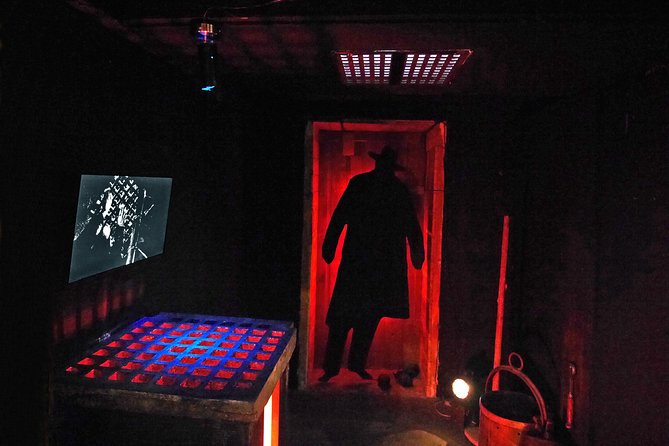
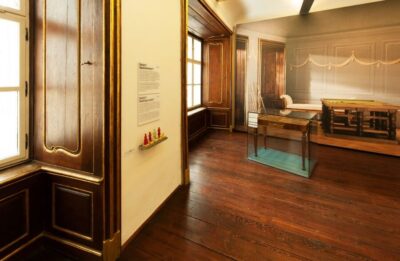
If you like The Third Man, this museum does not treat your interest like a souvenir hunt. It treats it like research. You step into an exhibition where the objects are the point, whether it’s music gear, handwritten-style paperwork, or screen-time props you might recognize instantly from the film.
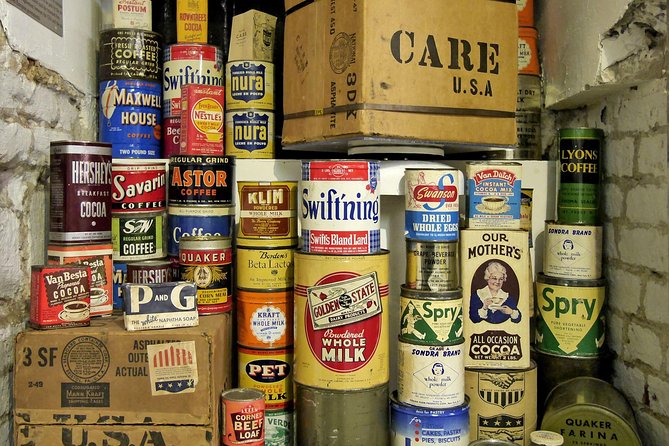
What makes the place memorable is the mix. You get classic-movie stuff, yes, but also the texture of everyday life in occupied Vienna from 1945 to 1955. That matters because the film’s mood is not random. It grows out of a city dealing with war, shortages, changing borders, and a constant sense of improvisation.
And the room-by-room layout helps. The exhibition is described as thirteen rooms, with the visit flow also noted as sixteen rooms, so plan to move slowly and actually read what you see. This is not one of those museums where you sprint for highlights and hope it clicks later. The museum is built for stopping.
Price and timing, and why the $20 ticket can be a good deal
Admission runs $20, and for me the value comes from what’s included. You are not paying for a generic talk or a quick photo stop. You are paying for access to a focused collection that covers both the movie’s international success and the lived-in reality of occupied Vienna.
The time expectation is also reasonable: about 1 to 2 hours. That is a sweet spot. Long enough to go room to room, but short enough that it can fit into a normal Vienna day without turning into a whole trip. If you are a hardcore film nerd, you might use the full range. If you are more casual, you still can get something out of it without feeling trapped for hours.
The big scheduling reality is the opening window. From 03/29/2025 to 06/13/2026, it is listed as Saturdays from 2:00 PM to 6:00 PM. There is also a closure noted for Jan 05 to Mar 28, 2024, which is a reminder to always double-check your travel dates. In practice, this museum is best for travelers who plan their weekdays lightly and keep Saturday afternoon open.
One more detail that helps: you get a mobile ticket. For a museum visit, that means less fuss. You show up with your ticket ready and spend more time inside where the real payoff is.
What you’ll see inside: objects that explain how the movie got made
This museum’s core strength is that it does not rely on theory. It shows you production materials and period artifacts. That is why the visit works even if you have only seen the film once.
The zither: more than a famous soundtrack detail
You can view the original zither used by Anton Karas when recording the film music in London. That single item reframes the experience. Instead of thinking of music as something abstract, you get the physical instrument behind that instantly recognizable sound.
If you are the type who notices audio details while watching films, this will reward that instinct. And even if you do not, it’s still a strong object because it anchors the museum’s movie-making story in real gear.
Other Vienna write-ups filed under Austria

Scripts: how the film changed from page to release
The museum includes original film scripts, from first draft to final release script. This is a big deal for anyone who likes how stories evolve. Instead of just seeing a finished product, you can track the shaping process.
You learn something subtle here: movies are not magic. They are decisions. Drafts show iterations. Even if you do not read every line closely, the presence of multiple script stages helps you understand the work behind the final version.
Cameras and special effects: the practical tricks behind the mood
Two cameras are displayed that were rented by the Third Man film crew in Vienna for special effects. That detail is exactly the kind of thing movie fans love, because it connects atmosphere to logistics.
The museum’s approach makes it feel less like a museum of trophies and more like a behind-the-scenes lab. You are not just seeing what appeared on screen, you’re learning what was needed to get it.
The projector: a 1936 machine you can understand
The exhibition features a fully functional projector, the Ernemann VIIb dating from 1936. A working piece of equipment is one of the strongest teaching tools a museum can have. It turns the era into something you can visualize with your senses.
It also reinforces the museum’s theme: this is about how film was actually made and shown in that time.
Posters, lobby cards, and cinema programs
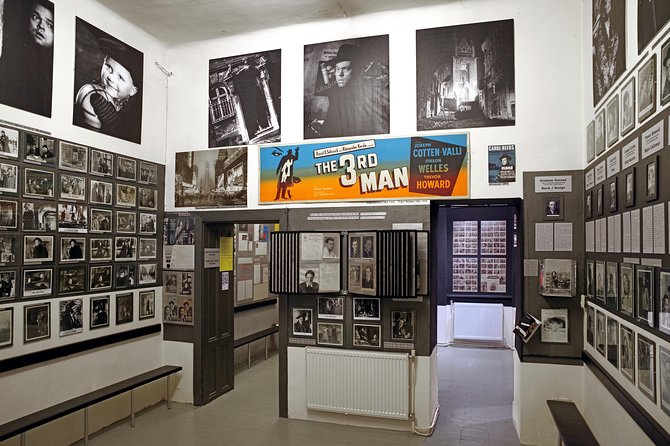
You’ll also see historic film posters, lobby cards, and cinema program materials. This part helps you understand the movie’s reach. The Third Man did not just become famous in one place. It became an international success, and the museum reflects that by showing originals from around the world.
This is where you start to notice how marketing works. Different posters and cinema materials can reflect local styles and local audiences. It’s an easy, fun way to connect the film to real-world culture.
The Little Hansel cap
The collection includes an original cap of Little Hansel. That is one of those object types that can feel almost too small to matter, but it helps you connect costume details to the character you remember. It’s a satisfying kind of specificity.
The Vienna context: occupied years from 1945 to 1955
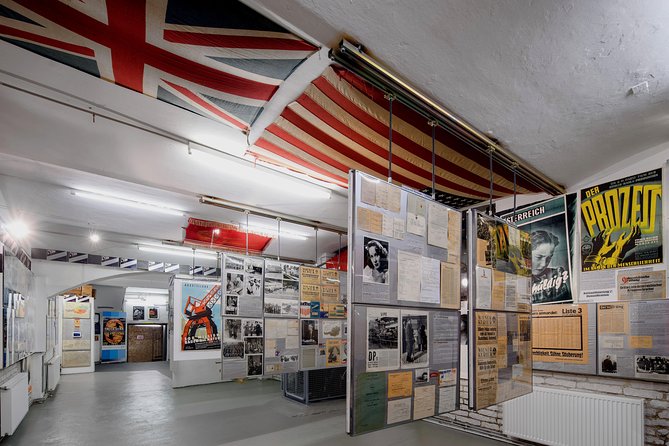
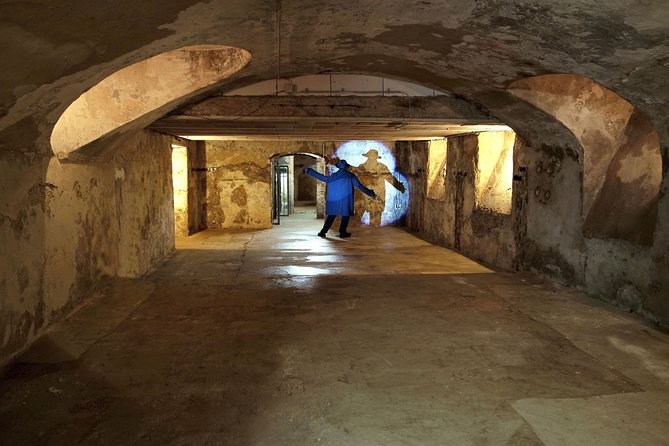
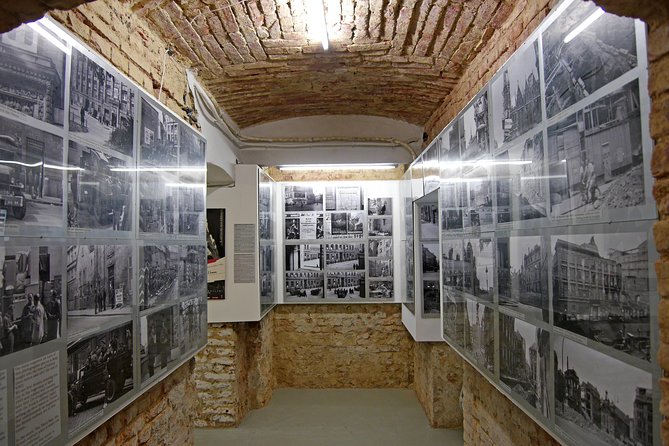
The exhibition is not only about the film. It also frames the historical backdrop. You move through displays that give an impression of daily life in occupied Vienna from 1945 to 1955.
That time window matters for understanding why the movie has its tone. Post-war Vienna was changing fast, with multiple forces shaping the city. People were rebuilding routines under pressure, learning how to navigate shortages, uniforms, checkpoints, and the constant feeling of transition.
The museum’s value here is practical. It helps you read the film’s world with more accuracy. Even if you do not become a historian overnight, you’ll likely leave with a clearer sense of why certain scenes feel tense or uncertain. The museum gives you context you can carry into future viewings.
And since the museum places this backdrop inside the same space as the filming artifacts, the connection feels natural. You do not get context in a separate, unrelated room. It’s integrated into the exhibition’s story.
How to plan your visit so you actually get the most
Because the museum is focused and object-driven, your best plan is to take your time with the pieces that match how you watch films.
If you love audio, start with the zither and anything tied to recording. If you love story structure, spend time with the scripts. If you like the behind-the-scenes side, look for the cameras and the special effects equipment. If you are more of a visual memorabilia person, linger on posters, lobby cards, and programs.
You can also treat the visit like a mini timeline. Begin with how the film was made, then shift into how it was presented and received, then end by placing it in occupied Vienna from 1945 to 1955. That order helps the museum’s themes connect in your head.
Two practical tips will help your day:
- Check the Saturday window first. The hours listed are Saturdays 2:00 PM to 6:00 PM. Plan your museum time around that, not the other way around.
- Build in rest time. You can easily spend close to 2 hours if you read the labels and slow down. If you schedule dinner right after, leave yourself some breathing room.
Also, the museum is described as near public transportation. That’s useful if you are bouncing across Vienna by transit. You will not feel forced to plan a big detour just to reach this one stop.
The staff experience: when the museum gets the details right
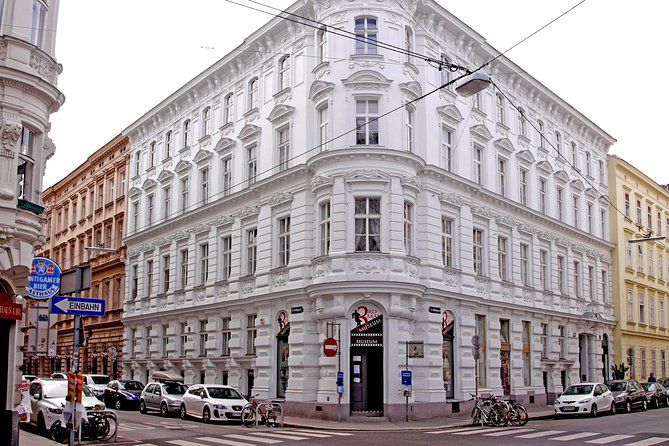
A museum can have great artifacts and still feel cold if the staff never engage. Here, that is not the vibe.
One highlight from feedback is the tone of the museum director and staff. People specifically praise the care and detail, and they describe the staff as very friendly and accommodating. That matters because a collection like this can be dense if you just wander without guidance. When staff are welcoming, you get more out of the exhibits, even if you do not need a lecture.
That warm service is part of the experience value. It turns the museum from a checklist stop into a place you can ask questions in, or at least feel comfortable taking your time.
Who this Third Man Museum ticket is for, and who should rethink it
Buy it if any of these are true for you:
- You are a fan of The Third Man and want to see real objects behind the movie.
- You like World War II history, especially how post-war life looked on the ground.
- You enjoy film production details, from scripts to cameras and projectors.
- You like museums that work like evidence folders, not just art displays.
You might skip it if:
- You do not care about the film or you want only broad, famous highlights in Vienna.
- Your schedule does not allow for a Saturday afternoon slot.
- You prefer bigger museums with lots of variety, since this one is focused and tailored.
One more practical note: the museum makes its best case for visitors who can connect mood to history. If you want a place where the story feels explained through objects and context, this fits. If you want a general museum day with zero specificity, this may feel too narrow.
Should you book the Third Man Museum admission?
I think this is worth booking if you line up your Saturday afternoon and you care about film history in a hands-on way. At $20 for a 1 to 2 hour visit, you are paying for access to original scripts, period film equipment like the Ernemann VIIb projector, and even the original Anton Karas zither used for the movie’s music. That is the kind of combination that makes the ticket feel practical, not just nostalgic.
If your Vienna trip is tight and you are worried about timing, confirm the Saturday hours before you commit. But if you can go, this is one of those experiences where the objects do the talking, and you leave with a sharper understanding of what you just watched on screen.
Tickets: Rest of the Austria File
- Vienna: Classic Ensemble Vienna in St. Peter’s Church Ticket
★ 4.7 · 4,819 reviews - Vienna Kunsthistorisches Museum Day Admission Ticket
★ 4.6 · 3,690 reviews - Vienna: Tickets for Mozarthaus Vienna with Audio Guide
★ 4.2 · 2,344 reviews - Vienna: Skip-the-Line Entrance Ticket to the Danube Tower
★ 4.5 · 2,303 reviews
Tour Reviews: Rest of the Austria File
- Vienna: Vivaldi’s Four Seasons Concert in Karlskirche
★ 4.7 · 14,951 reviews - Vienna: Schönbrunn Palace & Gardens Skip-the-Line Tour
★ 4.7 · 7,739 reviews - Vienna: Light of Creation Votive Church Immersive Light Show
★ 4.8 · 6,779 reviews - Vienna Spanish Riding School Guided Tour
★ 4.7 · 6,765 reviews
Cellars, Crypts and Night Routes
- Vienna: Vienna Central Cemetery Guided Walking Tour
★ 4.8 · 3,307 reviews - Vienna: Viennese Underworld Guided Walking Tour
★ 4.7 · 1,865 reviews - Vienna: Imperial Crypt Entrance Ticket
★ 4.6 · 1,507 reviews - Vienna: 1.5-Hour Underground Walking Tour
★ 4.9 · 1,146 reviews
Newest Vienna write-ups on file
- Vienna: Private Walking Tour to The Hofburg & Graben Street★ 5.0 · 3 reviews
- Vienna: Private tour Mauthausen and Linz★ 4.1 · 3 reviews
- Vienna Private Full Day Tour – Tickets to Schönbrunn & Lunch★ 5.0 · 3 reviews
- Vienna: Johann Strauss 200th birthday anniversary exhibition★ 4.7 · 3 reviews
- Vienna: Full-Day Vienna Woods Wine Tasting Tour★ 5.0 · 3 reviews
- Vienna: Festive Season and New Year’s Eve Waltz Workshop★ 5.0 · 3 reviews
Vienna Cellars & Ghost Walks, compared.
 ★ 4.8Vienna: Vienna Central Cemetery Guided Walking TourFrom $3353,307 reviews
 ★ 4.7Vienna: Viennese Underworld Guided Walking TourFrom $371,865 reviews
 ★ 4.6Vienna: Imperial Crypt Entrance TicketFrom $171,507 reviews
 ★ 4.9Vienna: 1.5-Hour Underground Walking TourFrom $321,146 reviews
 ★ 4.4Vienna: Ghosts and Legends Guided Nighttime Walking TourFrom $201,088 reviews
 ★ 4.8Vienna: Guided Walking Tour of the Central CemeteryFrom $34392 reviews
 ★ 4.9“The Third Man” Film Location TourFrom $30315 reviews
 ★ 4.8Vienna: Spooky Ghost Tour in EnglishFrom $28209 reviews
This tour also sits in