
REVIEW · CITY TOURS
The unknown Vienna City- a guided walking tour in 3 hours
Vienna gets weirder than you expect. In three hours, this small-group walk through the first district turns everyday streets into stories, from monster legends to major power centers.
I especially liked two things: the way the guide brings legends like the Legend of Lugeck and the Basilisk myth to life in real corners of town, and the focus on architecture that connects the medieval Hofburg area to later layers of Vienna’s look and rule.
One thing to plan for, though: it is a steady walking tour (and it is not set up for wheelchair users), so comfortable shoes are not optional.
In This Review
- Key highlights you will feel right away
- Vienna’s first district, explained in a living 3-hour loop
- Starting near Stubentor and letting Vienna’s layout do the teaching
- The monster legends: Lugeck, Augustine, and the Basilisk
- Deutscher Orden Haus and Mozart’s concert hall connection
- The medieval Hofburg you thought was only modern
- Re-Catholization traces, and why religion changed the city map
- Winding streets, courtyards, and the pleasure of not knowing the route
- Pacing, group size, and what to expect from a guide like Nicoleta
- Price and value for a 3-hour guided walk
- Who this tour is best for
- Should you book the Unknown Vienna walking tour?
- FAQ
- How long is the Unknown Vienna walking tour?
- Where does the tour start?
- Where does the tour end?
- How much does it cost?
- What languages are offered?
- Can the tour run in two languages?
- Is the tour suitable for wheelchair users?
- Do I need to bring comfortable shoes?
- Is recording allowed during the tour?
- What is the group size?
- What is the cancellation policy?
Key highlights you will feel right away
- Monster-lore stops tied to specific street scenes, including Lugeck, Augustine, and the Basilisk legend
- Mozart’s concert hall setting connected to the Deutscher Orden Haus, with music-and-patrons context
- Winding street storytelling that teaches you how to read Vienna’s plan instead of memorizing dates
- A lesser-known Hofburg angle, focused on the medieval feel beneath modern buildings
- Re-Catholization architectural traces you can actually see, not just vague “history talk”
- Small group size (up to 10), which makes questions and side explanations easier
Other Vienna write-ups filed under Austria
- Vienna: Guided Walking Tour of City Center Highlights
★ 4.7 · 4,989 reviews - Vienna: Vienna Central Cemetery Guided Walking Tour
★ 4.8 · 3,307 reviews - Vienna: Guided Walking Tour of City Highlights & Hidden Gems
★ 4.9 · 2,180 reviews - Vienna: Viennese Underworld Guided Walking Tour
★ 4.7 · 1,865 reviews
Vienna’s first district, explained in a living 3-hour loop
Vienna can feel like it is either all grand museums or all café stops. This tour picks a third path: a compact route where you learn how the city grew, bit by bit, from the Middle Ages onward.
You’ll spend about three hours walking through the historic center, starting near Stubentor and working toward the Hofburg area. The structure matters because the tour is built around connections. You do not just see buildings, you learn why they sit where they do, and how power, religion, and art shaped what was built next.
I like that the pace is meant for real attention, not sprinting. You get enough time to look closely at details, then you hear the story behind them. The guide’s job is to connect the dots between medieval walls, later styles, and the modern Vienna you recognize.
If you want a “see Vienna fast” tour, this is not that. If you want to understand what you are looking at and why Vienna has the vibe it does, it fits well.
Starting near Stubentor and letting Vienna’s layout do the teaching
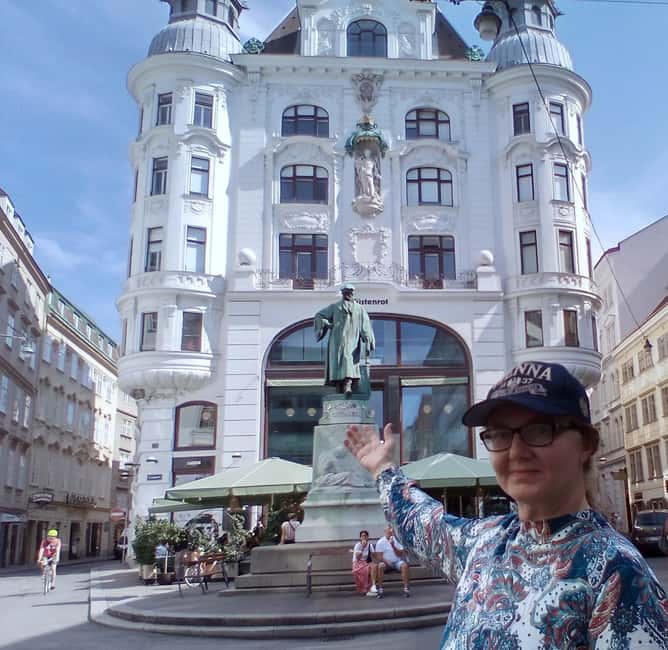
The meeting point is near the Dr. Karl Lueger monument by the Stubentor subway station. That is a smart place to start because it puts you close to a busy artery of the city, then the guide can lead you off that main flow.
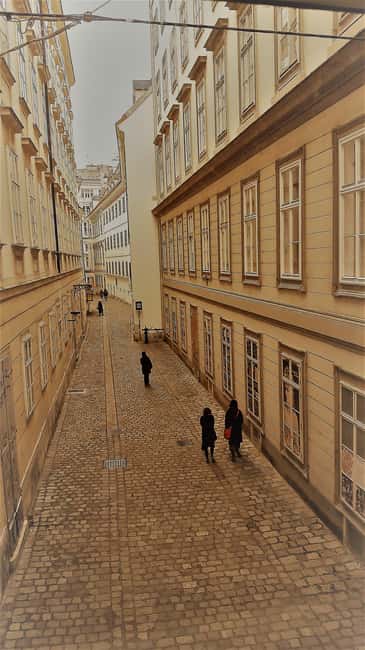
Early on, the walking approach matters. Instead of sticking to the widest streets, you get sent into side lanes and passages. That is where Vienna stops being a postcard and starts acting like a real city. You learn how people historically moved, where communities gathered, and how the city’s older bones still influence your route today.
You are also given a practical nudge before you begin: eat something first if you can, and wear comfortable shoes. The tour is short enough that you can manage food timing, but long enough that your legs will notice if you planned poorly.
A small-group setup (maximum 10 participants) also changes the feel. You are not lost in a crowd. It is easier to ask a question, and the guide can tailor pacing if the group is curious about a specific legend or building.
The monster legends: Lugeck, Augustine, and the Basilisk
This tour leans into folklore, and it does it in a way that feels grounded in place. The highlights list includes the Legend of Lugeck, the Legend of Augustine, and the Legend of Basilisks, and those titles are not just for show. You’ll hear how these stories were explained, feared, and used over time, and you’ll learn why Vienna’s people cared about them.
Here is what I think works best about this part: the guide turns legend into interpretation. You start noticing patterns in the city that match the theme of the story, like where people might have gathered, what sort of buildings would have framed the tale, and how the city’s identity gets reinforced through repetition of stories.
One of the standout details you might hear is how the Basilisk fits into Vienna’s imagination, including the idea that these myths were not only entertainment. They were ways to explain danger, sickness, or the unknown, and to show how a community believed it could push back.
And yes, the folklore is fun. But it also helps you remember the route. When you connect a street with a story, it sticks. That is the real benefit of touring this way.
Deutscher Orden Haus and Mozart’s concert hall connection
Music has a serious role in Vienna, and this tour uses that to guide your attention. One of the defined highlights is Mozart’s concert hall in the Deutscher Orden Haus.
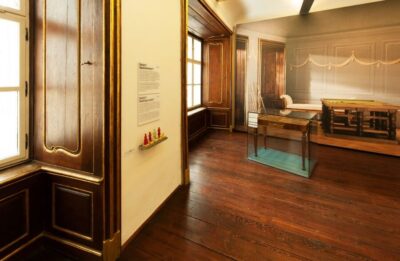
The value here is the context. Instead of treating Mozart like a single statue moment, you get the sense of patrons, venues, and the built environment that helped music thrive. Even if you already know a bit about Mozart, you’ll likely come away with a better sense of how cultural power lived inside Vienna’s spaces, not only on concert programs.
This is also a good place to be observant. In a guided walking setting, you tend to look harder at doors, courtyards, and transitions between outside street and inside rooms. That is how the Deutscher Orden Haus story lands. You stop thinking of it as “a place I passed” and start seeing it as “a place with function and history.”
If you love music history but hate museum overload, this stop gives you a focused dose that still connects back to the city’s larger timeline.
Other Vienna write-ups filed under Austria


The medieval Hofburg you thought was only modern
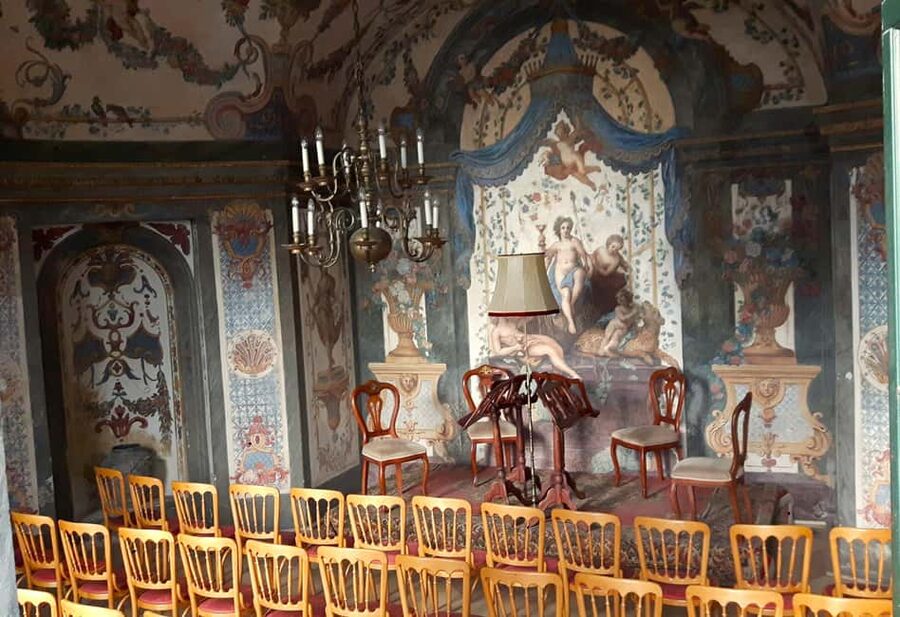
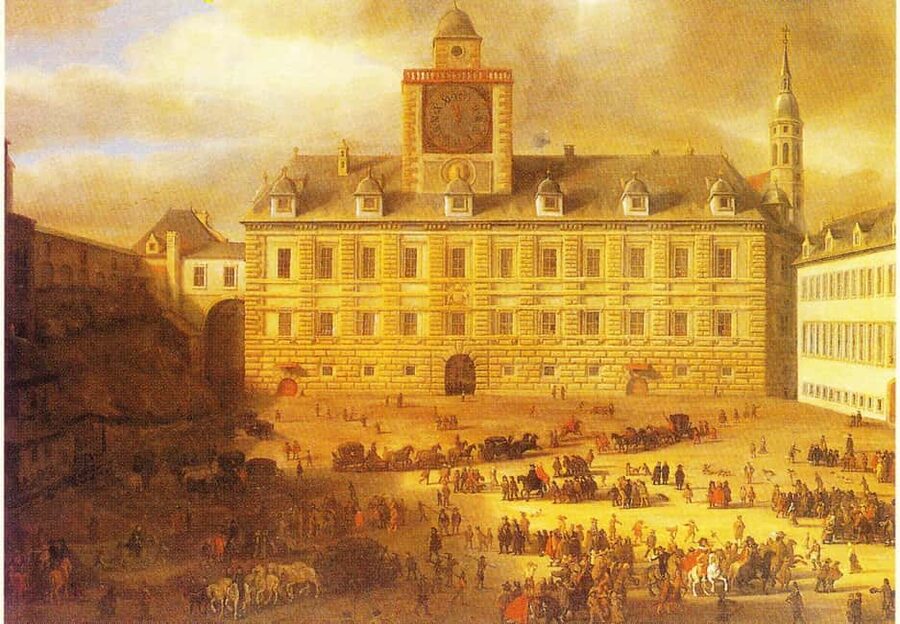
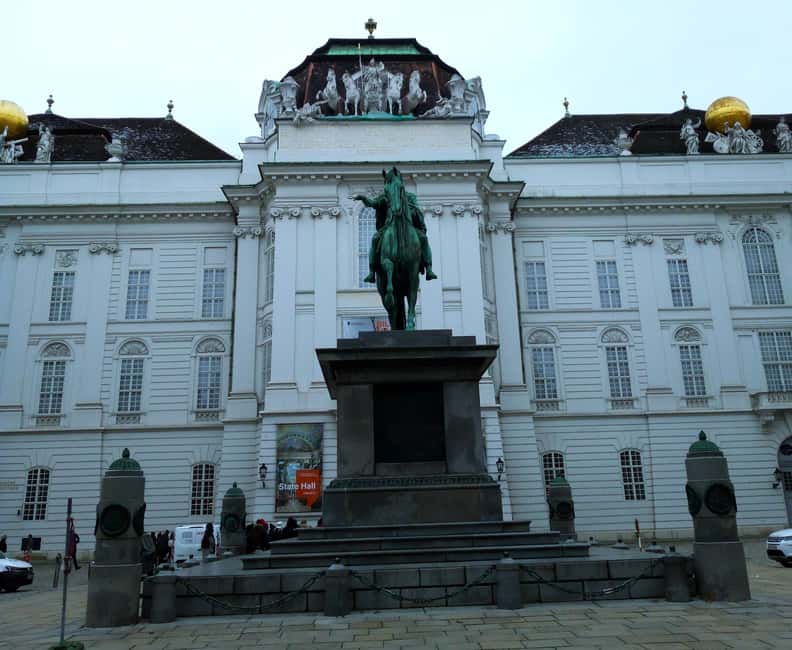
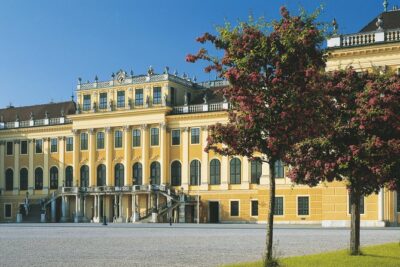
The Hofburg is famous, but not always in the “walk up close and notice the older layers” way. This tour leans into an unknown medieval Hofburg angle, focusing on how older Vienna sits right next to modern life.
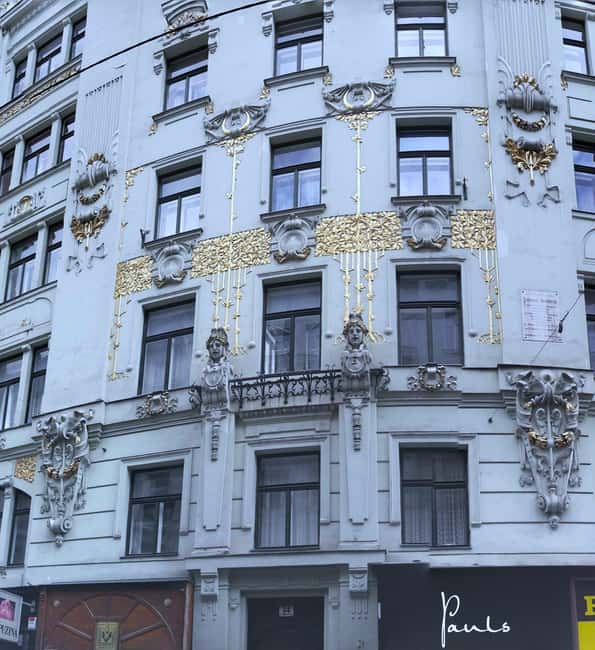
You’ll learn to spot the difference between eras through architectural clues, not just by reading plaques. The tour mentions coverage from gothic and renaissance through baroque and art nouveau, and even points toward “incredibly beautiful” modern buildings that now stand where earlier Vienna shaped the urban form.
That is the big payoff for me: you stop seeing a skyline and start seeing a timeline. Vienna’s first district can look uniform at a glance, but the guide’s route helps you notice the seams.
In practical terms, the short walking duration is an advantage here. You do not get stuck doing one long museum circuit. You get just enough time to orient yourself around the Hofburg area and understand why it matters before the tour moves on.
Re-Catholization traces, and why religion changed the city map
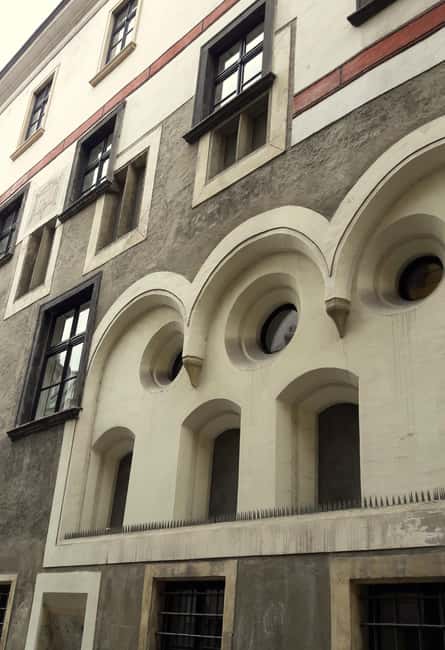
One of the most interesting stated highlights is discovering architectural traces of the re-Catolization of the Viennese. That topic can sound vague if it stays in theory. Here, it is tied to what you can see while you walk.
This matters because religious change in Europe was never only about faith. It was also about institutions, buildings, and public spaces. When a city changes its religious direction, architecture becomes one of the clearest ways that shift shows up.
The tour aims to connect those dots through buildings and stories that span a wide timeframe, described as everything from the 13th century to the 21st. You also get the sense of tension in between, including the era range that includes the Ottoman Wars and the eventual end of the Habsburg Monarchy.
You might not leave with every date memorized. That is fine. What you want is the pattern: Vienna keeps reinventing itself, and older structures are part of that reinvention.
Winding streets, courtyards, and the pleasure of not knowing the route
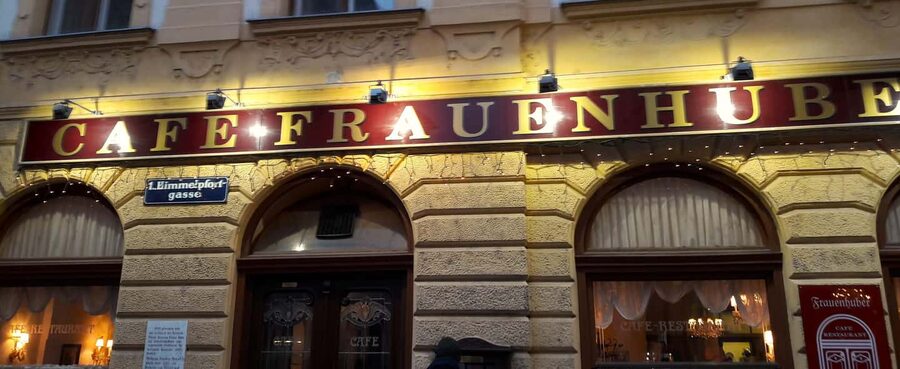
A big part of why this works is the route style. The highlights talk about the story of winding, unknown streets, and that lines up with what you experience on the ground.
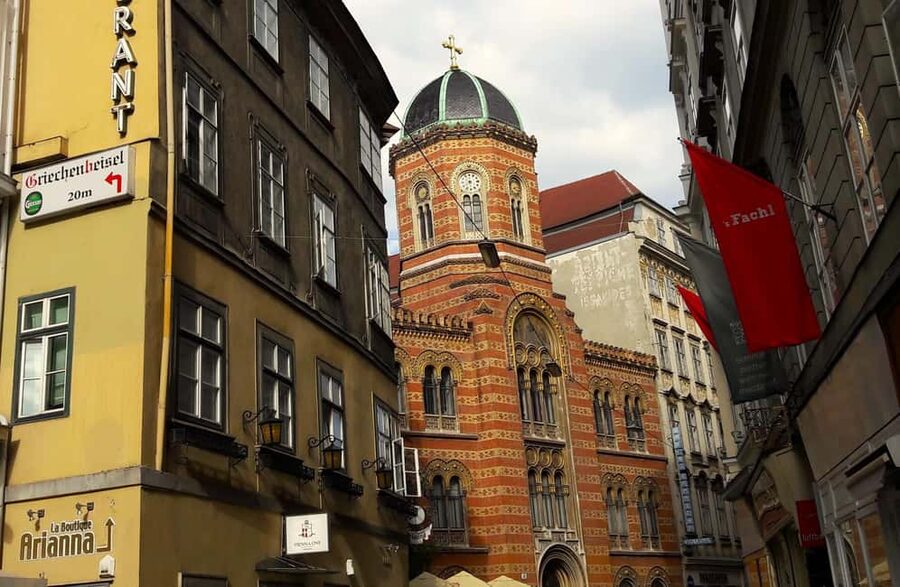
You get sent into smaller lanes, passage-like connectors, and courtyards you might walk right past on your own. This is where you often find the quieter Vienna scenes: the churches and architectural pockets that feel like they belong to a different city scale.
Even if you think you know Vienna, this is the section where you realize you only know part of it. The guide’s approach is not just “show landmarks.” It is “show you how the city hides itself,” then give you the tools to find it again.
On top of that, the tour includes the kind of practical advice that makes it more than a history lecture. One review mentions restaurant suggestions, and that matches what you want from a good city walk, suggestions that come from living in the area and understanding what is worth your time.
Pacing, group size, and what to expect from a guide like Nicoleta
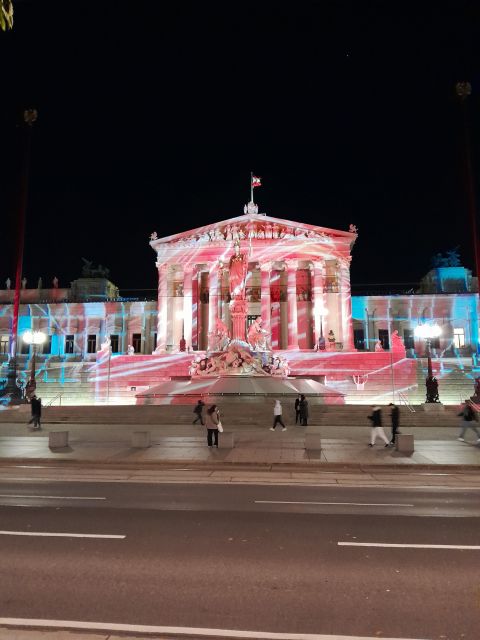
You are in a small group limited to 10 participants, and the guide runs it in a way that supports conversation. The reviews highlight that Nicoleta is especially patient and attentive to detail, and that she answers questions instead of shutting them down to keep the schedule tidy.
That matters because walking tours live or die on interaction. If you have ever been stuck behind someone who asks a question and delays the group, you know it can feel chaotic. Here, the format seems to keep the pace controlled while still allowing curiosity.
The tour is also described as covering paths mostly unknown to tourists. In practice, that often means more time spent looking at less famous corners, and less time standing in front of the same major facade every itinerary repeats.
Languages are English, Italian, and German. In rare cases, the tour may be conducted in two languages. The provider notes that you can only find out the language of other participants by emailing [email protected]. Also, recording of any explanations is strictly prohibited due to copyright. If you like to take notes or sketch, bring a notebook. If you prefer audio recording, plan to use your memory and writing instead.
Price and value for a 3-hour guided walk
The price is $63 per person for a 3-hour tour. On paper, it is not “cheap,” but it also is not trying to be. For me, the value comes from two places: the specificity of what you’ll hear and the small-group format.
At this price point, you are paying for a guide to translate what you see into meaning. Here that includes monster legends, Mozart-related context at Deutscher Orden Haus, and a medieval Hofburg perspective that you likely would miss without help. You are also paying for a route that is built around architecture and story, not a checklist.
If you are comparing to “big group” city walks, the key difference is attention. With up to 10 participants, you tend to get clearer explanations and more chances to ask. That can matter more than the exact number of stops.
If you are traveling with a partner, the group size can be an extra advantage. One review notes good value when booking for two, which makes sense because the price is per person and the experience remains group-based rather than private.
Who this tour is best for
This is a strong match if you:
- like stories tied to real places, not abstract history
- enjoy folklore themes, like Vienna’s monster legends, but still want architecture to ground it
- want music history connected to actual buildings and settings
- prefer a shorter tour that still gives a sense of how Vienna evolved from medieval times to later eras
It might feel less ideal if you:
- hate walking for any length of time
- want strictly famous sights with minimal side streets
- need step-free access, since it is not suitable for wheelchair users
Should you book the Unknown Vienna walking tour?
If you want Vienna that feels personal and a little strange in the best way, I would book this. The combination of monster legends, a Mozart-linked stop at Deutscher Orden Haus, and the focus on the medieval Hofburg layers gives you more than standard “tourist Vienna.” You also get the payoff of learning the city’s layout, because the route spends time in the less obvious parts of the first district.
Do it if you can handle a 3-hour walk and you like history that includes stories, not just dates. Skip it if you need a fully accessible route or you only want the most iconic sights with zero detours.
If your goal is to leave Vienna understanding why it looks the way it does, this tour is a smart use of one of your half days.
FAQ
How long is the Unknown Vienna walking tour?
The tour lasts 3 hours.
Where does the tour start?
You meet near the Dr. Karl Lueger monument by the subway station Stubentor.
Where does the tour end?
The activity finishes at In der Burg 1. The provider also states the activity ends back at the meeting point.
How much does it cost?
The price is listed as $63 per person.
What languages are offered?
The tour is offered in English, Italian, and German.
Can the tour run in two languages?
In rare cases, the tour may be conducted in two languages. If you book at very short notice or during crowded holiday periods, you may need to email [email protected] to find out the language of other participants.
Is the tour suitable for wheelchair users?
No, it is not suitable for wheelchair users.
Do I need to bring comfortable shoes?
Yes. Comfortable shoes are recommended for the walking format, and it is also advised that you eat something before you start.
Is recording allowed during the tour?
No. Any recording of explanations given by the guide is strictly prohibited due to copyright.
What is the group size?
It is a small group limited to 10 participants.
What is the cancellation policy?
There is free cancellation up to 24 hours in advance for a full refund.
Walking Tours: Rest of the Austria File
- Vienna: Guided Walking Tour of City Center Highlights
★ 4.7 · 4,989 reviews - Vienna: Vienna Central Cemetery Guided Walking Tour
★ 4.8 · 3,307 reviews - Vienna: Guided Walking Tour of City Highlights & Hidden Gems
★ 4.9 · 2,180 reviews - Vienna: Viennese Underworld Guided Walking Tour
★ 4.7 · 1,865 reviews
Tours: Rest of the Austria File
- Vienna: Schönbrunn Palace & Gardens Skip-the-Line Tour
★ 4.7 · 7,739 reviews - Vienna Spanish Riding School Guided Tour
★ 4.7 · 6,765 reviews - Vienna: Skip-the-Line Sisi Museum, Hofburg and Gardens Tour
★ 4.8 · 5,918 reviews - Vienna: Skip-the-Line Schönbrunn Palace & Gardens Tour
★ 4.8 · 5,411 reviews
Tour Reviews: Rest of the Austria File
- Vienna: Vivaldi’s Four Seasons Concert in Karlskirche
★ 4.7 · 14,951 reviews - Vienna: Schönbrunn Palace & Gardens Skip-the-Line Tour
★ 4.7 · 7,739 reviews - Vienna: Light of Creation Votive Church Immersive Light Show
★ 4.8 · 6,779 reviews - Vienna Spanish Riding School Guided Tour
★ 4.7 · 6,765 reviews
Newest Vienna write-ups on file
- Vienna: Private Walking Tour to The Hofburg & Graben Street★ 5.0 · 3 reviews
- Vienna: Private tour Mauthausen and Linz★ 4.1 · 3 reviews
- Vienna Private Full Day Tour – Tickets to Schönbrunn & Lunch★ 5.0 · 3 reviews
- Vienna: Johann Strauss 200th birthday anniversary exhibition★ 4.7 · 3 reviews
- Vienna: Full-Day Vienna Woods Wine Tasting Tour★ 5.0 · 3 reviews
- Vienna: Festive Season and New Year’s Eve Waltz Workshop★ 5.0 · 3 reviews
City Tours, compared.
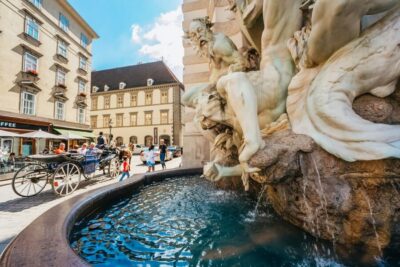 ★ 4.7Vienna: Guided Walking Tour of City Center HighlightsFrom $254,989 reviews
 ★ 3.4Vienna: City Cruise with Optional LunchFrom $383,982 reviews
 ★ 3.3Vienna: City CruiseFrom $382,978 reviews
 ★ 4.9Vienna: Guided Walking Tour of City Highlights & Hidden GemsFrom $272,180 reviews
 ★ 4.7Vienna: City Sightseeing Tour in an Electro Vintage CarFrom $1161,085 reviews
 ★ 3.5Skip-the-Line Schonbrunn Palace Guided Tour and Vienna Historical City TourFrom $82940 reviews
 ★ 3.5Vienna Hop On Hop Off City TourFrom $42884 reviews
 ★ 4.1Salzburg: Hop-on Hop-off City TourFrom $35720 reviews
This tour also sits in