
REVIEW · AUSTRIAN WINE EXPERIENCES
Taste and Tour Small Organic Wineries with a Winemaker
You can taste Austria’s wine brains in real time. This private, English-led 3 hour outing strings together tiny producers around the Danube, so you see how decisions in the vineyard become flavors in the glass. I especially like the small, winemaker-led stops and the way the day keeps returning to the same theme: organic farming, careful choices, and honest craft. The one real drawback is the walking, plus some cellar steps, so you should be ready for a moderate day outside the city.
What makes this tour feel different is the setup. You spend about 2.5 hours tasting and touring, and roughly 30 minutes driving between locations, with the Donau River as the big scenic guide. The stops are timed to keep things relaxed, not rushed, and the hosts at each place explain what they’re trying to achieve, not just what they’ve achieved so far. My other favorite thing is how the day blends classic Wachau and Kamptal styles with more experimental wine making.
If you do not enjoy small rooms, or you cannot manage walking down into a cellar, skip this one. Also, if you’re hoping for a big bus tour vibe, this isn’t it. It is intimate, and that intimacy shows up in the pace and the attention you get.
In This Review
- Key Things I’d Mark on Your Map
- Krems Danube Day Trip: How the 3 Hours Feel
- Kapitel Zwei at Kremsleithen: Amphora Aging on a Replanted Slope
- Mantlerhof in Brunn im Felde: Organic Grüner Veltliner and a Family Manor
- Feldtheorie in Schoenberg am Kamp: Ulrike Filp and Robert Bormuth’s Natural-Science Path
- WeinSchach in Langenlois: Pet Nat Experiments Made With Biology
- Ausblick at Welterbesteig: The Short Walk That Closes the Loop
- What You Really Learn From Winemakers, Not Just Wine Names
- Price, Value, and When to Book From Vienna
- Should You Book This Small Winery Tour Near Vienna?
- FAQ
- How long is the tour?
- Where do I meet in Krems, and does it end there?
- Is pickup offered, and can you meet me if I come from Vienna by train or boat?
- What language is the tour offered in, and is there a mobile ticket?
- Is this a private tour?
- How much walking is involved, and are cellars part of the visit?
- What wineries or stops will we visit, and what wine styles are featured?
- Will there be tastings, and do you tailor them?
- What if I need to cancel, can I get a full refund?
Key Things I’d Mark on Your Map
- Winemaker conversations at four small producers, not a parade of anonymous tastings
- Organic focus with specific grape stories, from single vineyard rieds to cellar techniques
- French varietals aged in amphora and steel at Kapitel Zwei, a modern experiment in Krems an der Donau
- Sparkling Pet Nat experimentation at WeinSchach, hand work included
- A short vineyard walk to a viewpoint to close the day with wide views and fresh air
- Flexible pickup options from Vienna by train or boat, if you want to travel light and simple
Austrian wine entries near Vienna
- Wachau Valley Wine Tasting Bike Tour from Vienna
★ 5.0 · 829 reviews - Countryside Half Day Wine Tour near Vienna
★ 5.0 · 545 reviews - Wachau Valley Small-Group Tour and Wine Tasting from Vienna
★ 5.0 · 540 reviews - From Vienna: Half-day Countryside Wine Tour with Meal
★ 4.7 · 526 reviews
Krems Danube Day Trip: How the 3 Hours Feel
This is a Vienna-to-wine-country day that stays practical. The meeting point is Bahnhofpl. 2 in Krems an der Donau, and the tour ends back there too. From Vienna, you can take a direct train to Krems, and the ride is part of the fun because it follows the Danube. If you prefer, you can also arrive by boat, with pickup arranged at the boat station. This means you can plan your day without wrestling with complicated transfers inside Vienna.
Once you’re in Krems, the tour’s timing is built to match how wine regions actually work. You get about 2.5 hours on site tasting and walking, and about 30 minutes of driving between locations. That ratio matters. Too much driving turns wine country into a commute. Too little driving means fewer producers. Here, it feels like you get enough time to ask questions and actually compare styles between stops.
It’s also private, so it is only your group. That matters for pacing. You can linger when you smell a glass and wonder what made it taste that way, or you can move on when you want to keep it light. Your host, Chris, is central to this, because he connects the dots between vineyard practice, cellar choices, and what you notice in the glass.
One more practical note: the tour includes some hiking, and you may need to walk down into cellars. Keep that in mind if you have mobility limitations or knee issues. This is not an all-flat sightseeing day.
Kapitel Zwei at Kremsleithen: Amphora Aging on a Replanted Slope
Stop 1 is Kapitel Zwei Wine in Kremsleithen, reached after a drive up from sea level by about 400 meters. That uphill start is not just scenic theater. In wine country, a shift in elevation often changes sun exposure and ripening patterns, and you feel that in how the winemaker talks about site.
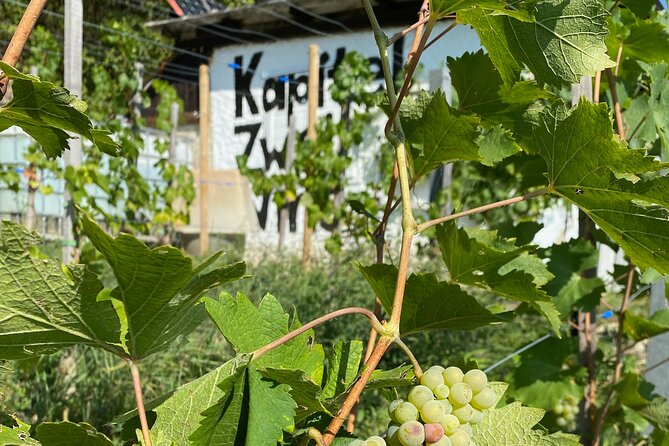
Kapitel Zwei is a micro-winery focused on organic and sustainable growing of French grape varietals, then aging them in amphora and steel tanks. The grapes you’ll hear about include Chenin Blanc, Roussanne, and Sémillon. That mix is a big part of why this stop is exciting, because it is not trying to imitate the classics. It’s trying to express a specific place using varieties that are not the region’s old defaults.
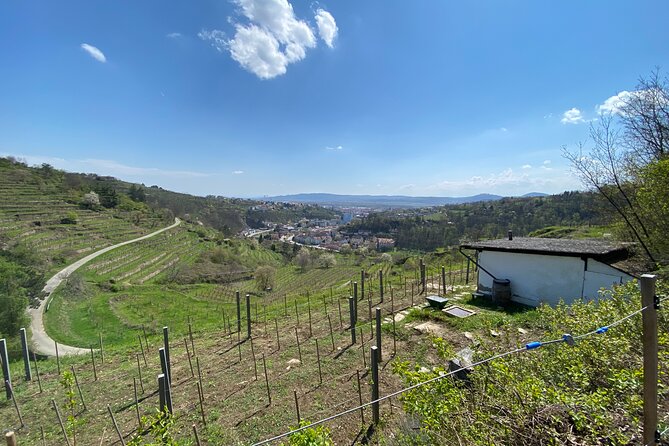
The vineyard story at Kremsleithen adds detail that makes the tasting make more sense. You’re looking at a single vineyard, called a ried, also Kremsleithen. The slope was abandoned for decades and replanted in May 2022, so the project is still young. The name comes from the steep slope, the Leiten, running down toward the river Krems. It sits about 300 meters above sea level with loamy, sandy soil and clay. That combination can support good drainage while still retaining enough structure for vines.
If you like tasting wines that feel tied to a specific experiment, this is the stop to pay close attention. You’re essentially seeing a living project, where the choices around organic farming and aging vessels are meant to show up in the aroma and texture.
Timing here is short, about 20 minutes, but it is often enough time to hear the concept and taste the results. The drawback is simply that it’s not a long, slow museum-style visit. If you want a deep technical lecture, ask questions early.
Mantlerhof in Brunn im Felde: Organic Grüner Veltliner and a Family Manor
Stop 2 is Weingut Mantlerhof, in Gedersdorf near the river Kamp, right before it merges with the Danube. On clear days, you can catch references to the wider region, with lights toward Krems and towers toward Grafenegg. That local geography helps you understand why winemakers in this area talk about balance between river influence and vineyard slopes.
The winery sits near the village center of Brunn im Felde, tucked by a pond and an older manor building. The manor has an early classicist façade, and it is called Mantlerhof. This stop brings in a very different feel from the experimental first location. Here, you’re looking at a long family line. Family Mantler has worked the property for over 200 years, with winemaking roots traced back to 1365.
Mantlerhof runs about 15 hectares of vineyards, and the focus is long-lasting organic wines. The two grapes you’ll likely see emphasized are Grüner Veltliner and Roter Veltliner. That pair is a nice reminder that Austria’s diversity isn’t only in rare grapes and far-off projects. It’s also in how traditional varieties are farmed and vinified with a consistent organic lens.
What I like most about this kind of stop is the way it grounds the day. After the amphora and French varietals at Kapitel Zwei, Mantlerhof gives you a baseline for classic regional identities. You can compare what you smell and taste, then connect it back to farming style, vineyard expression, and cellar decisions.
Stop time is about 45 minutes, which is a comfortable stretch. You should leave enough space to ask, for example, what organic practice looks like in practice for them, not just as a label.
Feldtheorie in Schoenberg am Kamp: Ulrike Filp and Robert Bormuth’s Natural-Science Path
Stop 3 takes you to Schoenberg am Kamp, where Weingut Feldtheorie is run by Ulrike Filp and Robert Bormuth, along with family and friends. Their origin story has a cool logic to it. During studies of natural sciences, they developed a love for wine on a trip to New Zealand. After finishing their studies, they did internships in Germany, Australia, and Austria, then settled into the Wachau area. When the chance came to buy vineyard parcels in neighboring Kamptal, they made the move.
This matters because you can taste the mindset shift. When winemakers come from science, they often explain decisions with clear cause-and-effect. That doesn’t mean the wine is cold or mechanical. It usually means they talk more about process and how variables interact, then tie those variables back to the uniqueness of the Kamptal through the wines.
Feldtheorie’s goal is simple to say and hard to do: pass on the uniqueness of Kamptal. In practice, that shows up in how they work the cellar and how they think about vineyard parcels. Even if you’re not a wine nerd with a spreadsheet, you’ll benefit from hearing their route from education to agriculture and production.
This stop is about 30 minutes. That’s enough time to get the story, taste the wines, and ask a couple of questions without feeling like you’re holding up the line.
A small consideration: because this is a private and intimate format, you’ll get the most value if you actually ask questions. If you just sit quietly through the explanations, you might feel like you missed the point.
WeinSchach in Langenlois: Pet Nat Experiments Made With Biology
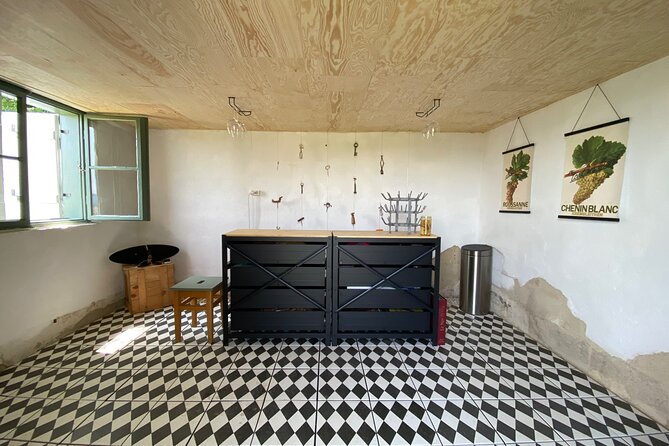
Stop 4 is Langenlois, and the sparkling producer is WeinSchach. This is where the tour turns playful and experimental again. WeinSchach believes nature has everything a wine needs, and the wine should unfold freely in the bottle. Their specific target is Pet Nat on equal footing with the great sparkling wines of the world, and they treat the process like experimentation.
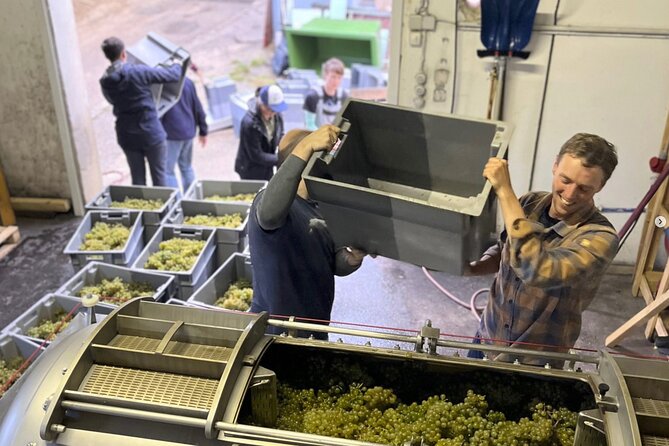
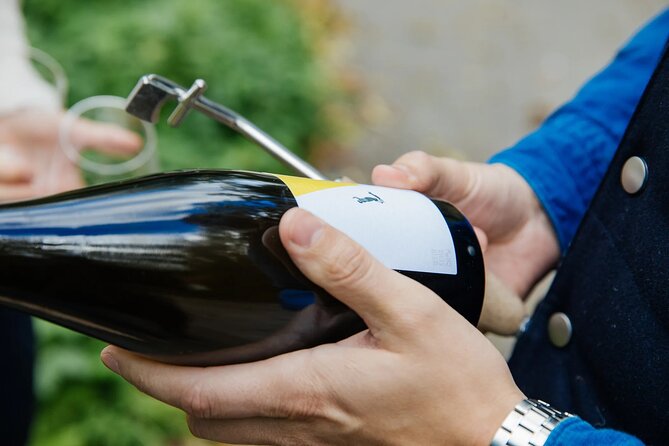
That philosophy comes with a practical approach. They work biologically in production, and the sparkling wines are harvested by hand and de gorged. If you have ever wondered why sparkling can taste dramatically different even when grape variety is the same, this stop gives a pathway to understand the role of biological farming plus the production choices that lead to that final fizz and texture.
Their language is about getting to the bottom of possibilities. Sometimes that means starting over. In wine terms, that can mean adjusting how the experiment is run from harvest through fermentation and finishing. You are tasting results, but you are also hearing about what they learned or tried.
Stop time here is about 40 minutes. That’s a good window because sparkling styles are best when you can compare mouthfeel, aroma, and finish between samples. If you like talking about fermentation and bottle development, this is the stop where the discussion is likely to feel most fun.
If you’re only into still wines, you might be tempted to skim this section. Don’t. Pet Nat tasting is often the most eye-opening part of these days, because it makes you realize how alive wine can be even after it’s in a bottle.
Ausblick at Welterbesteig: The Short Walk That Closes the Loop
Stop 5 is the finish, with a short 7 to 10 minute walk through vineyards to a viewpoint at Ausblick am Welterbesteig. This is a smart ending. After cellars, tanks, and tastings, your eyes need a break. The walk gives you that reset.
The viewpoint is in the wine region you just learned about, so you can connect the wine stories to the physical reality of slopes, river proximity, and the way vineyards are laid out. It also helps you pace out the day. Instead of rushing from winery to winery, you end with fresh air, a few photos, and a chance to reflect on what each place tasted like.
This is the easiest stop to mentally plan for, but still wear shoes that can handle uneven ground. The tour already notes some hiking, and this is the moment where a misstep can turn a relaxed walk into an annoying one.
What You Really Learn From Winemakers, Not Just Wine Names
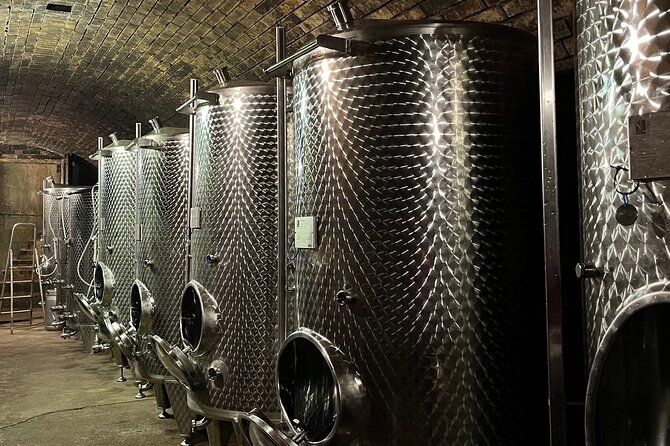
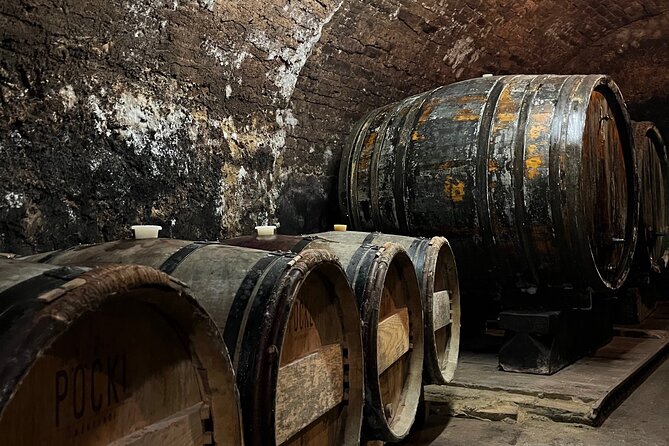
Wine tours can be either memorizing vocabulary or learning how the sausage gets made. This one leans toward process and choices. At each stop, the winemaker or host explains what they’re doing and why, and you taste the results side by side with the story.
The most praised part of this experience, based on overall patterns, is the combination of intimacy and tasting depth. You’re not shuffled through. You meet the people behind the bottles and get time to ask questions. And in some cases, the tastings are tailored based on what you want to know. If you’re curious about how vineyard practices translate to flavor, they can steer the conversation. If you want to focus on specific styles, you can usually guide the order of tasting.
You also learn how Austrian wine can be both classic and experimental at the same time. Kapitel Zwei shows modern choices like French varietals and amphora aging on a young, replanted site. Mantlerhof grounds things with organic Grüner Veltliner and long-lasting wines from a long-established family property. Feldtheorie adds the human story of scientific training and international internships, and then the goal of expressing Kamptal uniqueness. WeinSchach brings the sparkling side through biological production and Pet Nat experiments.
If you care about sustainability, this tour doesn’t just say organic. It gives context for what organic farming is trying to protect, like soil health and consistency from year to year. If you care about taste, you get a clear chain from vineyard decisions to cellar techniques to what ends up in your glass.
Price, Value, and When to Book From Vienna
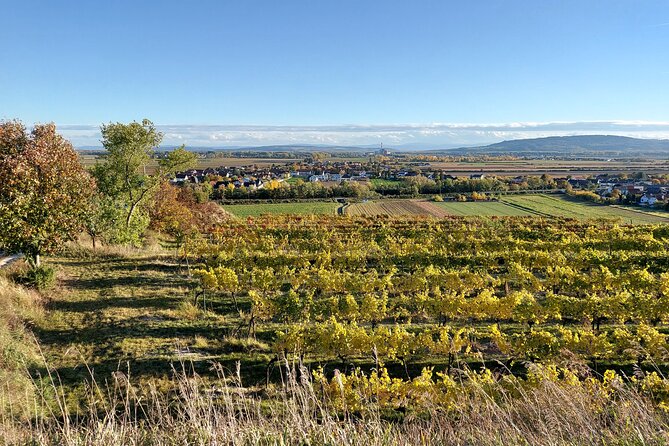
The price is $114.02 per person for about 3 hours. That might sound like a lot if you think of wine tastings as a casual add-on. But you’re not paying for a generic flight at a big facility. You’re paying for a private, English-led day tied to multiple small wineries, with driving time handled, and with winemaker style conversations built into the itinerary.
You also get flexibility in how you reach Krems. If you’re staying in Vienna, you can ride the direct train along the Danube and meet at Krems station, or arrive by boat and meet at the boat station. That matters because it reduces friction. Less friction often means you actually enjoy the day instead of rushing.
One more value signal: it’s booked about 55 days in advance on average. That suggests demand. If you can, plan ahead and lock it in earlier rather than gambling on last-minute availability.
Is it a great value? For wine lovers who want more than a quick sip, yes. If you’re looking for a relaxed bus ride with zero questions and minimal walking, it might feel too hands-on.
Should You Book This Small Winery Tour Near Vienna?
Book it if you want a genuinely small-producer day with winemakers, not just a checklist of tasting rooms. You’ll likely enjoy it if you care about organic practice, want to compare styles across the region, and like asking questions about how wine is made. The Danube setting and the short vineyard viewpoint walk make the day feel complete.
Skip or be cautious if you cannot manage cellar steps or you dislike small rooms. Also skip if you want a purely still-sightseeing day with no hiking. This is wine-forward, and it moves at the pace of people who work the vineyards and cellar.
My practical bottom line: if you’re traveling from Vienna and you’re craving an authentic wine-country day where the stories come from the people making the wine, this is a strong choice.
FAQ
How long is the tour?
The tour lasts about 3 hours.
Where do I meet in Krems, and does it end there?
You meet at Bahnhofpl. 2, 3500 Krems an der Donau, Austria, and the activity ends back at the same meeting point.
Is pickup offered, and can you meet me if I come from Vienna by train or boat?
Pickup is offered with flexibility about when and where you meet. If you’re staying in Vienna, you can take a direct train to Krems and meet at the train station. Another option is to arrive in Krems by boat and meet at the boat station.
What language is the tour offered in, and is there a mobile ticket?
The tour is offered in English, and you’ll receive a mobile ticket.
Is this a private tour?
Yes. It is a private tour or activity, so only your group participates.
How much walking is involved, and are cellars part of the visit?
Some hiking is required. You should also be comfortable with the possibility of walking down into a cellar, since the tour is not recommended for travelers who cannot do that.
What wineries or stops will we visit, and what wine styles are featured?
You’ll visit several small producers, including Kapitel Zwei Wine in Kremsleithen, Weingut Mantlerhof, Weingut Feldtheorie in Schoenberg am Kamp, and WeinSchach in Langenlois, then finish with a short vineyard walk to a viewing point at Ausblick am Welterbesteig. The tour highlights organic wines, Grüner Veltliner and Roter Veltliner, amphora and steel aging, and Pet Nat sparkling experiments.
Will there be tastings, and do you tailor them?
The tour includes wine tastings at the stops, guided by the winemakers. The experience is interactive, and tastings can be tailored based on what you want to ask and what you’re interested in.
What if I need to cancel, can I get a full refund?
Free cancellation is available. You can cancel up to 24 hours in advance of the experience for a full refund, and you must cancel at least 24 hours before the start time. Changes made less than 24 hours before the start time are not accepted.
Tours: Rest of the Austria File
- Vienna: Schönbrunn Palace & Gardens Skip-the-Line Tour
★ 4.7 · 7,739 reviews - Vienna Spanish Riding School Guided Tour
★ 4.7 · 6,765 reviews - Vienna: Skip-the-Line Sisi Museum, Hofburg and Gardens Tour
★ 4.8 · 5,918 reviews - Vienna: Skip-the-Line Schönbrunn Palace & Gardens Tour
★ 4.8 · 5,411 reviews
Tour Reviews: Rest of the Austria File
- Vienna: Vivaldi’s Four Seasons Concert in Karlskirche
★ 4.7 · 14,951 reviews - Vienna: Schönbrunn Palace & Gardens Skip-the-Line Tour
★ 4.7 · 7,739 reviews - Vienna: Light of Creation Votive Church Immersive Light Show
★ 4.8 · 6,779 reviews - Vienna Spanish Riding School Guided Tour
★ 4.7 · 6,765 reviews
Austrian Wine Around Vienna
- Wachau Valley Wine Tasting Bike Tour from Vienna
★ 5.0 · 829 reviews - Countryside Half Day Wine Tour near Vienna
★ 5.0 · 545 reviews - Wachau Valley Small-Group Tour and Wine Tasting from Vienna
★ 5.0 · 540 reviews - From Vienna: Half-day Countryside Wine Tour with Meal
★ 4.7 · 526 reviews
Newest Vienna write-ups on file
- Vienna: Private Walking Tour to The Hofburg & Graben Street★ 5.0 · 3 reviews
- Vienna: Private tour Mauthausen and Linz★ 4.1 · 3 reviews
- Vienna Private Full Day Tour – Tickets to Schönbrunn & Lunch★ 5.0 · 3 reviews
- Vienna: Johann Strauss 200th birthday anniversary exhibition★ 4.7 · 3 reviews
- Vienna: Full-Day Vienna Woods Wine Tasting Tour★ 5.0 · 3 reviews
- Vienna: Festive Season and New Year’s Eve Waltz Workshop★ 5.0 · 3 reviews
Austrian Wine Experiences, compared.
 ★ 5.0Wachau Valley Wine Tasting Bike Tour from ViennaFrom $163829 reviews
 ★ 5.0Countryside Half Day Wine Tour near ViennaFrom $145545 reviews
 ★ 5.0Wachau Valley Small-Group Tour and Wine Tasting from ViennaFrom $230540 reviews
 ★ 4.7From Vienna: Half-day Countryside Wine Tour with MealFrom $141526 reviews
 ★ 4.8Grape Grazing: Wachau Valley Winery Biking TourFrom $163468 reviews
 ★ 4.8Vienna: Wine Tasting Experience in a Private Wine CellarFrom $22413 reviews
 ★ 4.8From Vienna: Wachau Valley Day Tour with Wine TastingFrom $234399 reviews
 ★ 4.2Vienna: Heurigen Cruise with Viennese Songs and BuffetFrom $74320 reviews
This tour also sits in