
REVIEW · CITY TOURS
Roman City of Carnuntum Admission
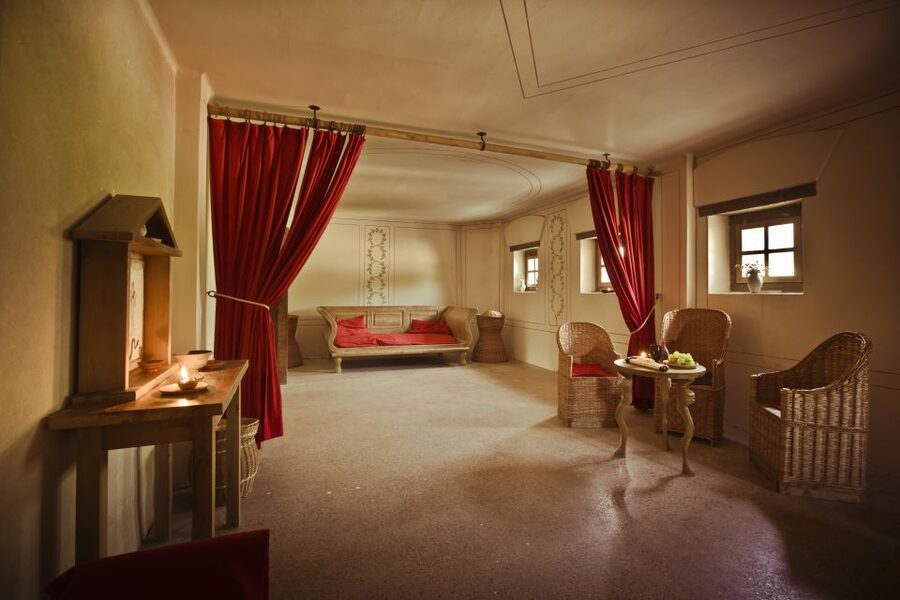
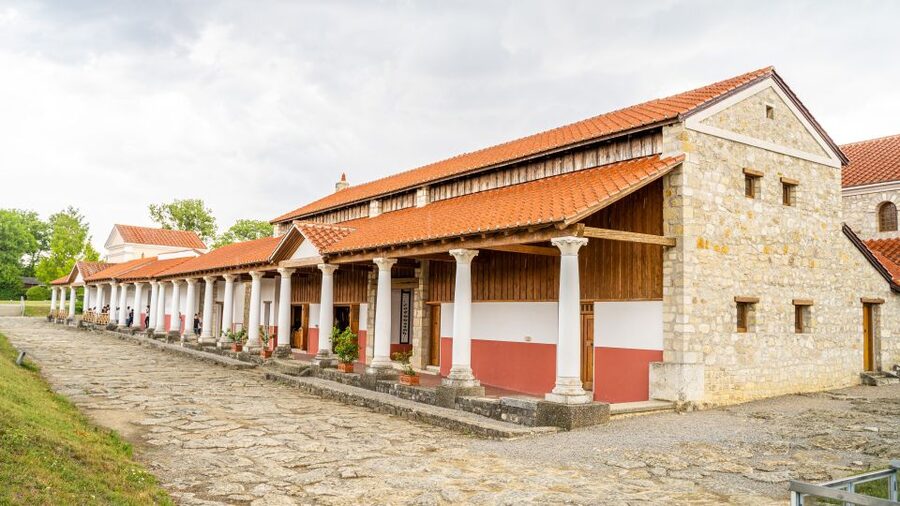
Roman Carnuntum is what Roman ruins should feel like. You walk through a rebuilt Roman city quarter that places structures in their original locations, based on finds from the site. It’s an unusually hands-on kind of time travel, with decorative details and period furniture you can actually picture in use.
I especially like how the restored streets make daily life readable, not just impressive. The Roman baths are a standout, because the space and layout help you understand what people did there and why it mattered.
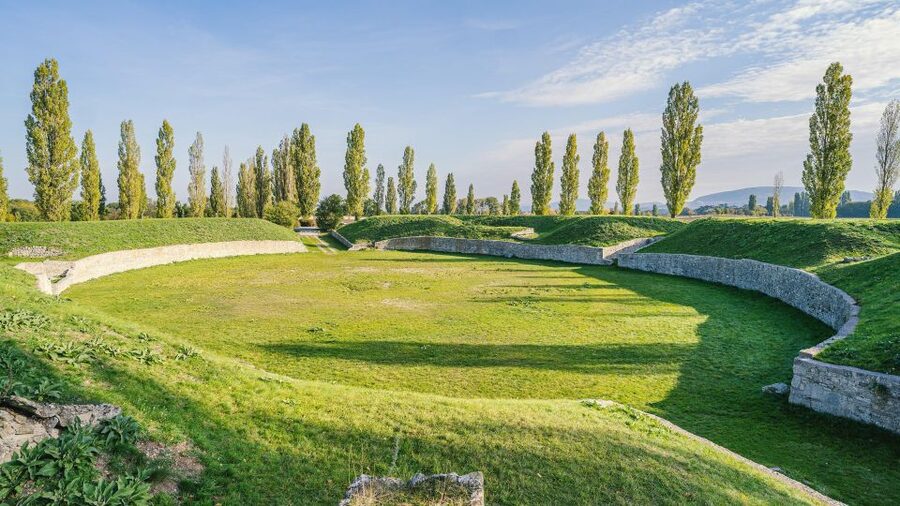
One thing to keep in mind is that the Amphitheatre in the Military City is closed for renovation. The program still includes Heathen’s Gate and you can see the nearby amphitheatre of the Civil City instead, but it may not match expectations if you planned around the military-city amphitheatre.
In This Review
- Key things I’d watch for at Carnuntum
- Getting to Carnuntum from Vienna or Bratislava (the easy way)
- Roman City Carnuntum’s restored quarter: seeing daily life in the right places
- Museum Carnuntinum in Bad Deutsch-Altenburg: turning ruins into stories
- Heathen’s Gate and the city’s edges: why entrances matter
- Price and value: why $16 makes sense for a full Roman day
- Who should do this Carnuntum day and who might want to rethink
- Quick planning tips for a smoother 1-day visit
- Should you book Roman City of Carnuntum admission?
- FAQ
- What is the price per person?
- How long does the experience last?
- What is included in the admission?
- What sites will I visit during the day?
- Is the Military City amphitheatre open?
- Where do I start if I’m coming from Vienna by train?
- How far is the walk from the train station to the Roman City?
- Where can I go by car if I’m coming from Vienna?
- Is it wheelchair accessible?
- Can I cancel or pay later?
Key things I’d watch for at Carnuntum
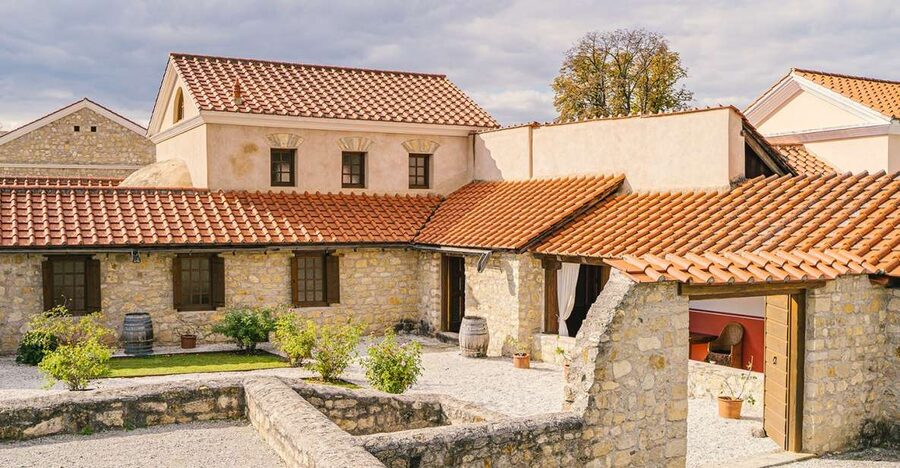
- Rebuilt streets and buildings set in their original positions, guided by archaeological evidence
- Museum Carnuntinum gives context to what you just saw outside
- Roman baths help you understand the “how” of Roman life, not just the “wow”
- Heathen’s Gate adds a real sense of how the city controlled movement
- Military-city amphitheatre closure means your day may focus elsewhere
Getting to Carnuntum from Vienna or Bratislava (the easy way)
Carnuntum is a very doable day trip from Vienna. Trains run about every hour, so you are not trapped in a complicated schedule. From Vienna City Center, start at Wien Mitte – Landstraße, take Line S7 toward Wolfsthal, then get off at Petronell-Carnuntum. From the station, it is about a 15-minute walk to the Roman City Carnuntum, following the signs.
If you are driving, you have straightforward options. From Vienna, take the A4 toward Budapest or the airport, then exit Fischamend/Bratislava onto the B9 toward Hainburg a.d. Donau, and head to either Petronell-Carnuntum or Bad Deutsch-Altenburg. From Bratislava, take the B9 toward Vienna to Petronell-Carnuntum or Bad Deutsch-Altenburg.
Why this matters: Carnuntum works best when you can move at a relaxed pace. If getting there is simple, you spend more of your energy on the buildings, the museum objects, and the little moments that make the restoration feel believable.
Roman City Carnuntum’s restored quarter: seeing daily life in the right places
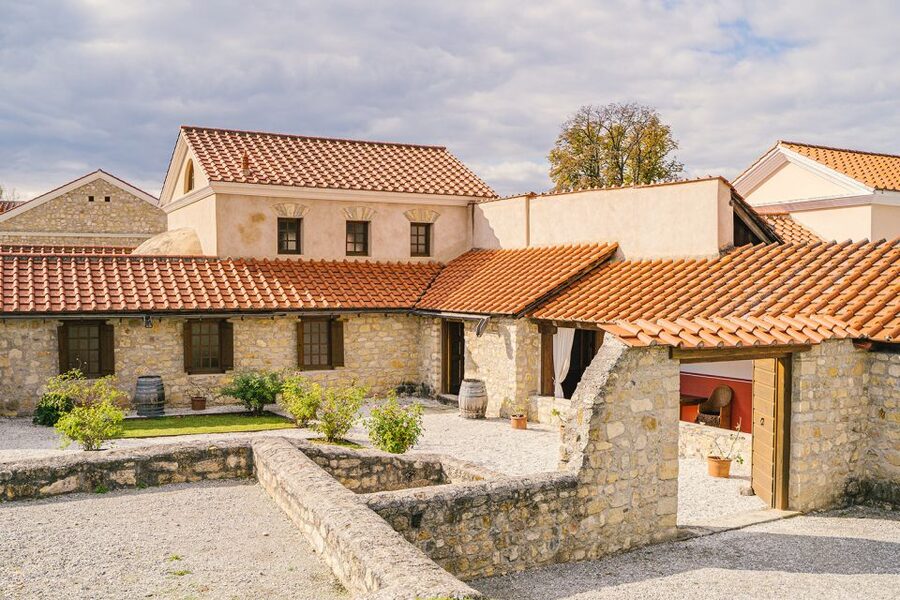
The main experience is the reconstructed Roman city quarter in Petronell-Carnuntum. This is not just a few decorative walls. You get a whole quarter concept, where part of the Roman city has been rebuilt in an internationally unique project and positioned where archaeologists believe the original structures stood.
When you walk through, focus on three things. First, look at the placement. Restored buildings in the right locations help you read the city like a map, not like scattered exhibits. Second, notice the decorative details and the way rooms are set up. The restoration includes decorative elements and even furniture based on archaeological finds from the site, so it does not feel like generic Roman cosplay. Third, pay attention to how the spaces connect, because that is where Roman life becomes clear.
The highlight here is the way the city feels lived-in. The program is built around the idea that you can act like a guest in Roman rooms, not a spectator behind a rope. That approach makes a big difference, especially for families and first-timers who might otherwise find ruins confusing or repetitive.
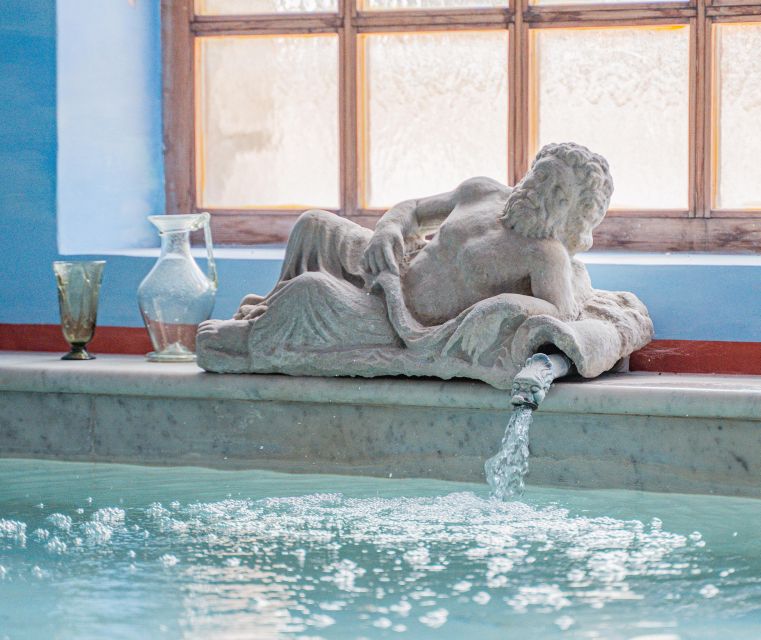
What might slow you down in a good way is the baths. The restored bathing areas often lead to the same thought: Romans were serious about public life, even when the activity was supposedly relaxing. You see enough to understand why bathing was social, not just hygienic.
Museum Carnuntinum in Bad Deutsch-Altenburg: turning ruins into stories
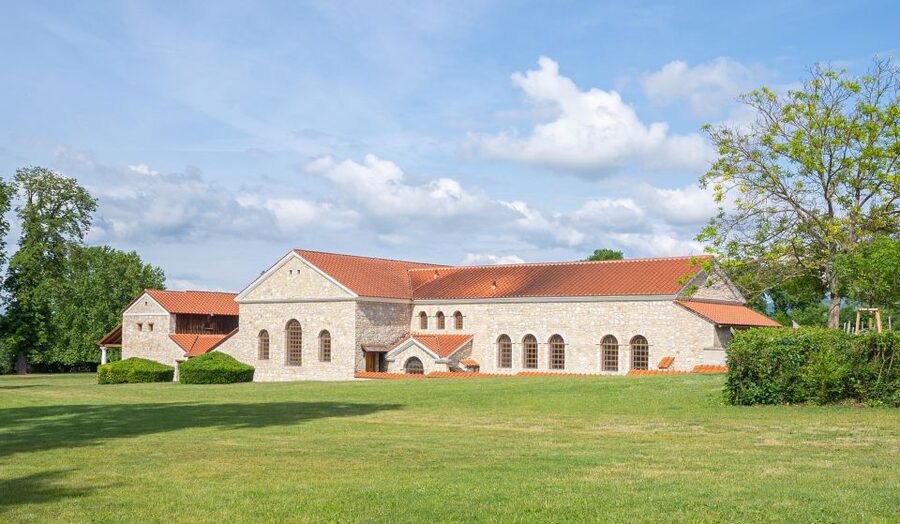
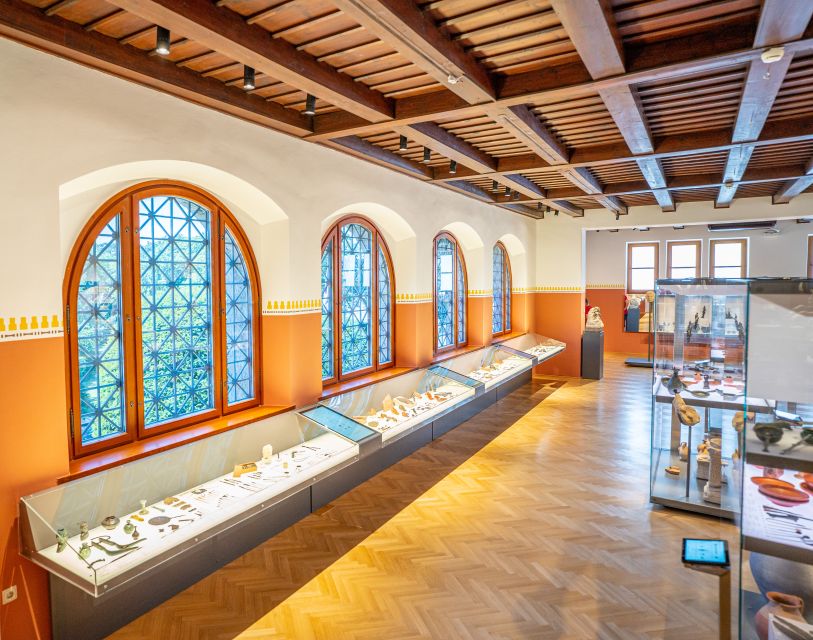
After the Roman quarter, you move to the Carnuntinum Museum in Bad Deutsch-Altenburg. This is where the day clicks into place. Outside, you see reconstructed rooms and city layout. Inside, the museum helps you understand what those reconstructions are based on and why certain things matter.
You are looking for “evidence-based imagination.” The museum experience is designed to connect archaeological finds to what you are seeing in the quarter, so you can judge how restorations were done and what sources shaped details like room layouts and everyday objects.
This is also a good time to reset your brain. Outside, you are busy scanning streets and buildings. In the museum, you can slow down and concentrate on smaller pieces, which often carry more meaning than the biggest structures. The museum is included in the price, so you do not need to make any extra decisions mid-day.
If you want the trip to feel like a coherent experience rather than two separate visits, lean into the museum section as your “why” stop. It is the bridge between walking through Roman space and understanding Roman culture.
Heathen’s Gate and the city’s edges: why entrances matter
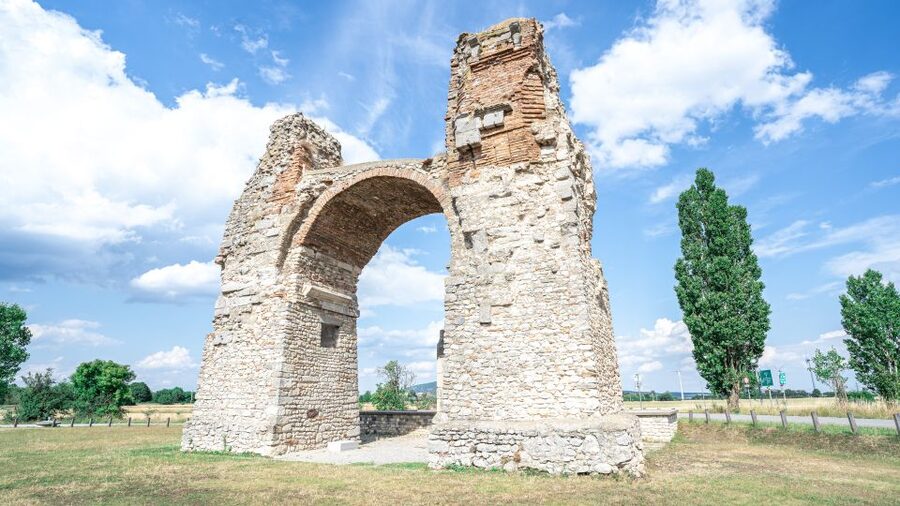
To round out the excursion, the program includes a visit to Heathen’s Gate. City gates are some of the most useful Roman features to understand, because they explain movement and control. Even if you do not study Roman engineering, a gate helps you picture how people entered, traded, traveled, and lived around the city boundary.
This stop is valuable because it shifts your viewpoint away from interior spaces like homes and baths and toward how the city functioned as a whole. Gates also make the story feel bigger, especially when you connect them mentally to what you saw earlier in the quarter.
A practical note: the Amphitheatre in the Military City is currently closed for renovation. The experience compensates by letting you visit Heathen’s Gate and also the nearby Amphitheatre of the Civil City instead. So your day still has an arena element, but it may feel different from what you planned if you were hoping for the military-city amphitheatre.
My advice: treat the closure as a reason to look harder at what is open. The civil-city amphitheatre plus the gate can still give you a strong sense of public life and Roman civic order, just from a slightly adjusted angle.
Price and value: why $16 makes sense for a full Roman day
At $16 per person for a 1-day experience, the value is strong, as long as you match your expectations to what is included. Your admission covers the Roman city quarter in Petronell-Carnuntum and the Museum Carnuntinum in Bad Deutsch-Altenburg. The gate visit is part of the experience highlights, and you also have an amphitheatre option in the Civil City area because the Military City amphitheatre is closed.
What that means for you: you are paying for two key components that actually complement each other. Reconstructed buildings without context can feel like pretty stage sets. A museum without the walking component can feel like disconnected objects. Here, you get both, so your brain can link objects to places.
Also, the time commitment is efficient. One day is enough to see the Roman quarter, process it in the museum, then finish at the gate. You do not need a multi-day plan to get a satisfying experience, which helps if you are pairing Carnuntum with other Lower Austria stops or staying on a tight travel schedule.
If your priority is a large collection of original ruins only, Carnuntum might not match your expectations. But if your priority is clarity, readable design, and a day that teaches you how Roman life worked, the price-to-experience ratio is genuinely fair.
Who should do this Carnuntum day and who might want to rethink
This plan is ideal if you like Roman culture that is easy to understand on-site. I think it works especially well for:
- First-time Roman-history visitors who want a guided path through the essentials
- People who prefer well-presented reconstructions over only scattered stones
- Families who want a day with visual variety, homes, baths, and big-city features
It might feel less perfect if you want strictly original remains and you dislike reconstruction. The experience is built around rebuilt spaces and evidence-based furnishings, so the balance leans toward interpretation.
The other “should I be concerned?” point is the amphitheatre closure in the Military City. If seeing that specific amphitheatre is your main reason for booking, you should double-check what is available on your day. The Civil City amphitheatre option exists, and Heathen’s Gate is still included, but it is not the same stop.
Quick planning tips for a smoother 1-day visit
Start early enough to give yourself breathing room. Carnuntum is not just one photo stop. You are moving between the reconstructed quarter and the museum, then finishing at the gate and amphitheatre area. Leaving time for slow looking is the best way to get value from the experience.
Wear shoes you trust. The walking between transport areas and sites is part of the deal, and you will likely spend more time on your feet than you expect. If you have mobility needs, the experience is wheelchair accessible, so it is worth planning your route once you arrive.
Finally, when you reach the Roman quarter, pick a couple of “anchor questions” for yourself. For example: What did daily movement look like here? Where would people gather? How did bathing fit into public life? Those questions make the reconstructions more meaningful and help you remember the day after you leave.
Should you book Roman City of Carnuntum admission?
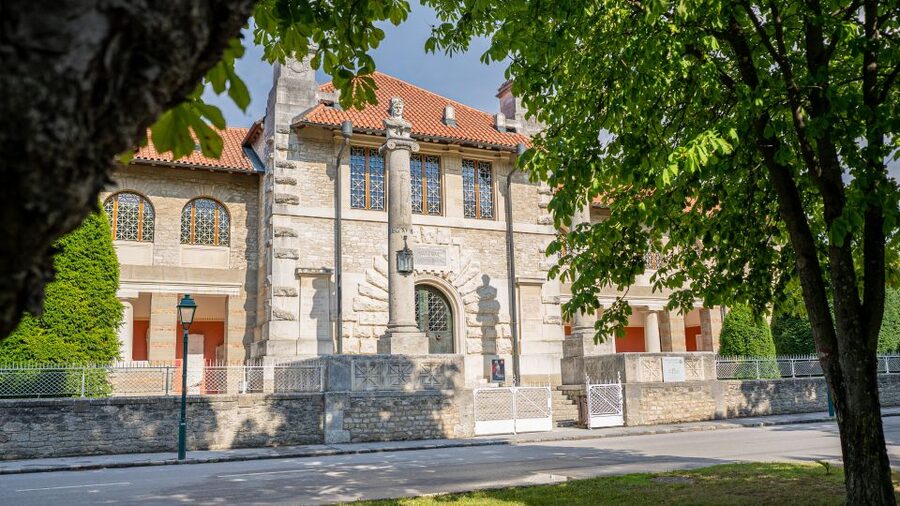
Book it if you want a Roman day trip that is structured, readable, and good value. The combination of the restored Roman city quarter plus Museum Carnuntinum is a winning format, because one shows you space and the other explains the evidence behind what you see. The finish at Heathen’s Gate helps you connect daily life to the city’s boundaries.
Hold off or adjust expectations if amphitheatres are your top priority. The Military City amphitheatre is closed, and the experience reroutes you to Heathen’s Gate and the Civil City amphitheatre nearby.
If you want a confident, efficient one-day Roman experience near Vienna, this is a very solid choice.
FAQ
What is the price per person?
The admission price is $16 per person.
How long does the experience last?
It is listed as valid for 1 day.
What is included in the admission?
Entry fee is included for the Roman city quarter in Petronell-Carnuntum and the Museum Carnuntinum in Bad Deutsch-Altenburg.
What sites will I visit during the day?
You’ll explore the rebuilt Roman city quarter, visit the Carnuntinum Museum, and complete your excursion with a visit to Heathen’s Gate.
Is the Military City amphitheatre open?
No. The Amphitheatre in the Military City is currently closed for renovation, but you can visit the Heathen’s Gate and the nearby Amphitheatre of the Civil City instead.
Where do I start if I’m coming from Vienna by train?
Take the S7 from Wien Mitte – Landstraße toward Wolfsthal, then get off at Petronell-Carnuntum station.
How far is the walk from the train station to the Roman City?
It is about a 15-minute walk, following the signs.
Where can I go by car if I’m coming from Vienna?
Use the A4 direction Budapest or airport, then exit Fischamend/Bratislava B9 (toward Hainburg a.d. Donau) to Petronell-Carnuntum or Bad Deutsch-Altenburg.
Is it wheelchair accessible?
Yes, it is listed as wheelchair accessible.
Can I cancel or pay later?
Free cancellation is available up to 24 hours in advance for a full refund, and there is also a reserve now and pay later option.
City Tours, compared.
 ★ 4.7Vienna: Guided Walking Tour of City Center HighlightsFrom $254,989 reviews
 ★ 3.4Vienna: City Cruise with Optional LunchFrom $383,982 reviews
 ★ 3.3Vienna: City CruiseFrom $382,978 reviews
 ★ 4.9Vienna: Guided Walking Tour of City Highlights & Hidden GemsFrom $272,180 reviews
 ★ 4.7Vienna: City Sightseeing Tour in an Electro Vintage CarFrom $1161,085 reviews
 ★ 3.5Skip-the-Line Schonbrunn Palace Guided Tour and Vienna Historical City TourFrom $82940 reviews
 ★ 3.5Vienna Hop On Hop Off City TourFrom $42884 reviews
 ★ 4.1Salzburg: Hop-on Hop-off City TourFrom $35720 reviews
This tour also sits in