
REVIEW · AUSTRIA
Konzerte der Wiener Royal Orchester
A small Vienna concert can feel huge. Live performances at Haus der Industrie, with an 8pm showtime, make an easy, memorable after-dinner plan, and you can pick seats to match your budget. One watch-out: the stage sits low, and the back of the room can be harder for seeing dancers and singers clearly.
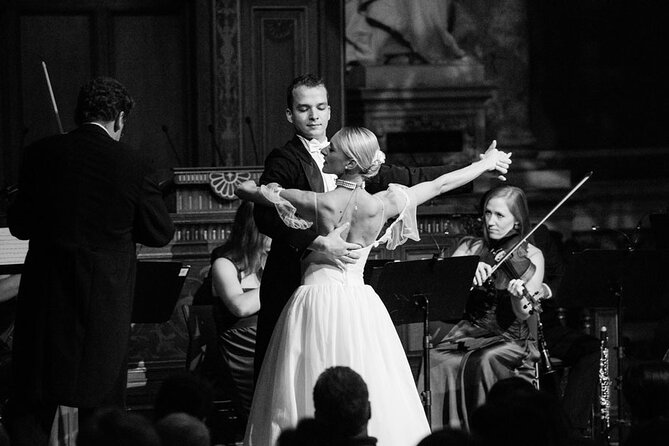
The Wiener Royal Orchester is a big-name kind of ensemble, built around the tradition of Viennese orchestras. Expect a mix of crowd-pleasing classics plus a soprano and dance moments, in a compact hall that keeps the sound close to you. If you’re paying extra for VIP, do your homework on what the ticket really includes, because not every benefit matches the price for every show.
In This Review
- Key Things to Know Before You Go
- Haus der Industrie on Vienna’s Ringstrasse: What the Venue Is Like
- Wiener Royal Orchester: Why This Sounds Very Viennese
- What You’ll Hear: Waltzes, Opera Moments, and Dance Interludes
- Seat Choice and the VIP Question: Don’t Overpay Blindly
- Timing That Works: The 8pm Show and a Realistic Arrival Plan
- Price and Value: Is About $71.38 Fair for Two Hours?
- Who This Concert Is Best For (and Who Might Want a Different Option)
- Should You Book Konzerte der Wiener Royal Orchester?
Key Things to Know Before You Go
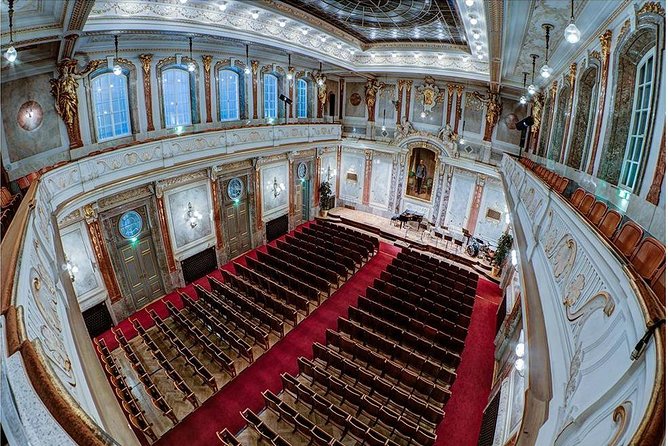
- Haus der Industrie is right on the Ringstrasse and works well for a two-hour evening that fits after dinner
- The show is typically around 8pm, with ticket redemption starting around 8:30pm
- You’ll hear Vienna favorites like Strauss and Mozart, often with a soprano and dance segments
- VIP is not automatically worth it if refreshment or merch perks are not delivered
- Seat location matters more than you might think, especially if you end up far back
- Plan for a coat check fee for jackets during the evening
Still choosing? These Vienna entries sit alongside it in our Austria file.
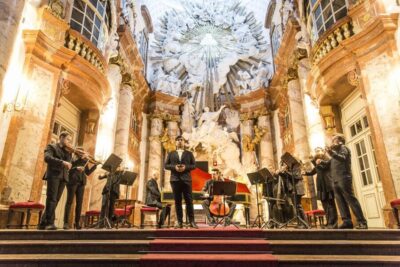
- Vienna: Vivaldi’s Four Seasons Concert in Karlskirche
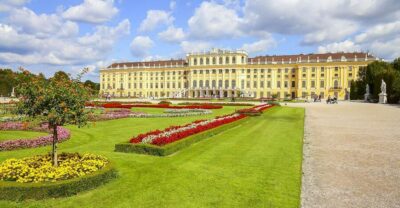
★ 4.7 · 14,951 reviews - Vienna: Schönbrunn Palace & Gardens Skip-the-Line Tour
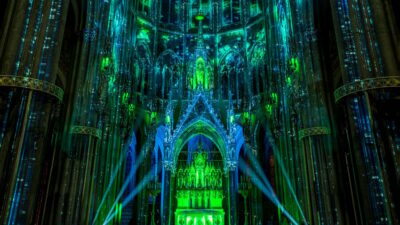
★ 4.7 · 7,739 reviews - Vienna: Light of Creation Votive Church Immersive Light Show
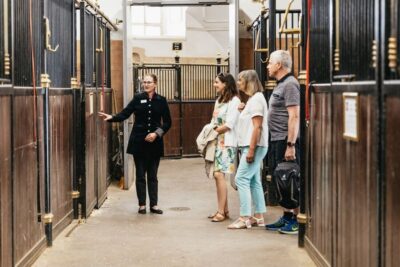
★ 4.8 · 6,779 reviews - Vienna Spanish Riding School Guided Tour
★ 4.7 · 6,765 reviews
Haus der Industrie on Vienna’s Ringstrasse: What the Venue Is Like
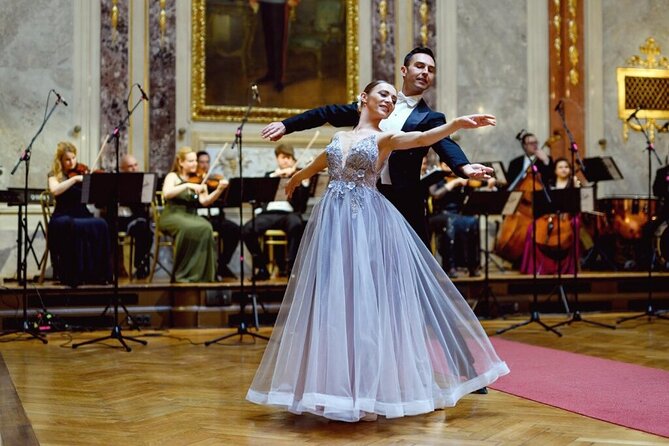
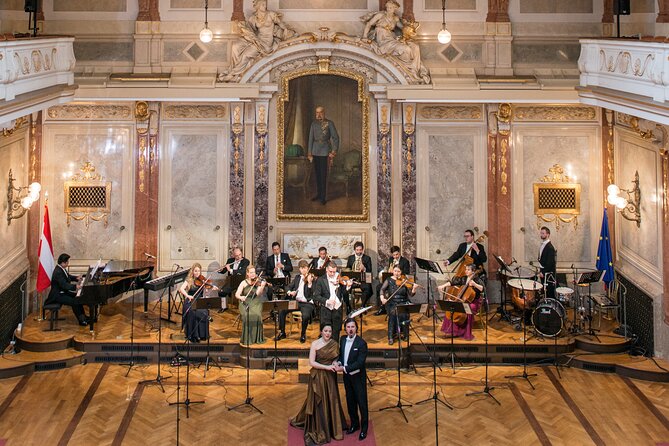
Haus der Industrie is the kind of Vienna room that makes you want to look up before the music starts. It is on the Ringstrasse (so yes, it’s in that postcard zone), and the hall is described as small-ish and cozy. That matters because with a smaller footprint, the sound tends to stay immediate and full, even if you are not in the first rows.
Most evenings start at a practical time for visitors. This is built for the after-dinner crowd, not the early “museum first, concert later” crowd. If you have dinner plans near the center, you’ll likely find this easy to slot in.
One practical point: there is a jacket or coat policy, and you may need to pay an extra fee to check your coat. People also note a deposit style setup, so bring a little cash just in case you do not want to improvise. If you hate coat checks, wear layers you can carry, or plan to keep your jacket simple to store.
Now, the reality check. Reviews highlight that the stage is very low, around two feet off the ground, and that back rows can mean blocked views. Some folks say the sightlines are fine from many seats, but others complain about having to crane your neck or peek around taller heads. If you want the singers and dancers to feel close and clearly visible, pick seats in the front half of the room rather than trusting that every row looks the same.
Wiener Royal Orchester: Why This Sounds Very Viennese
This is not a random background concert. The Wiener Royal Orchester was founded by the members and substitutes of great Viennese orchestras, which gives the group a real lineage in how Vienna plays. That tradition tends to show in how the ensemble balances sound, phrasing, and timing, especially in works that rely on clean rhythms like waltzes and marches.
The lineup is also described as large in scope, with more than 150 artists connected to the organization. In practice, you will see a smaller on-stage ensemble during your concert, but the size behind the scenes can hint at how solid the orchestral infrastructure is.
If you are new to classical music, this matters. You are more likely to get a confident, polished performance rather than something that feels half-touristy or under-rehearsed. And if you are not new to it, you still get the fun Viennese format: orchestral classics plus vocal and dance interludes.
What You’ll Hear: Waltzes, Opera Moments, and Dance Interludes
This concert is designed to be accessible. The program commonly includes familiar composer names and tunes, which is exactly what you want on a first or second night in Vienna.
Across performances, the music mix has been described like this:
- Vivaldi, Strauss, and Mozart show up in the rotation
- You can expect signature pieces such as Blue Danube Waltz and Hungarian Dance
- Radetzky March often appears, and it is the type of piece that invites audience participation
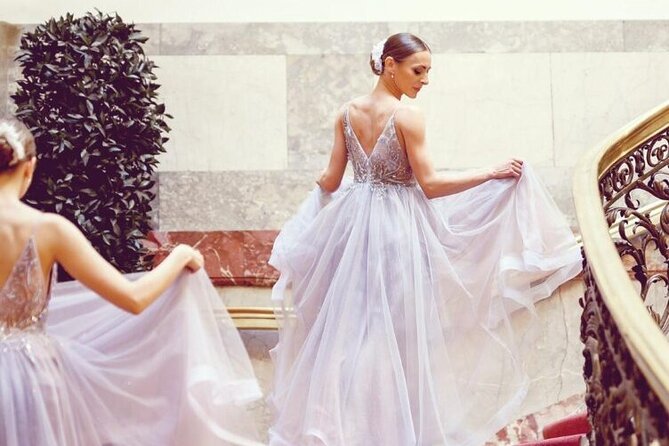
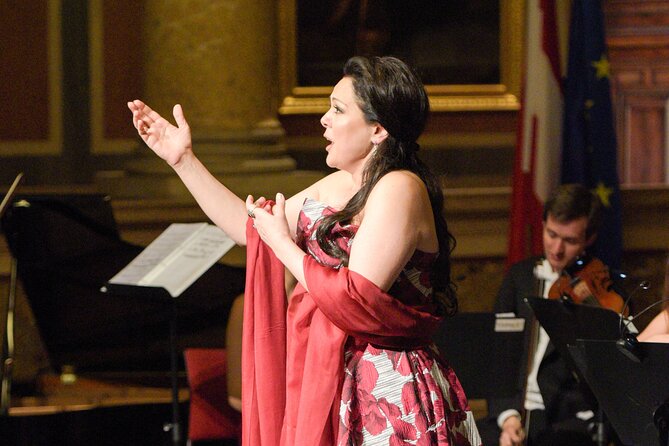
Then comes the extra flavor. Many nights include a soprano for two vocal tracks, plus dancers or ballet elements during specific orchestral highlights, including moments tied to Blue Danube and Hungarian Dance. Reviews also mention opera aria and even the occasional pop-style song depending on the season, with a notable Christmas-season tilt during some dates.
The best part for most people is the pacing. It is not a long, abstract symphony night where you have to be fully locked into every minute. It is more like a carefully staged evening that gives you recognizable anchors and then sprinkles in dramatic vocal or dance moments when the music begs for it.
One more detail that helps: there can be conductor-driven audience interaction. The Radetzky March segment, for example, is often linked with rhythmic clapping. That kind of participation turns the concert into a shared experience instead of a quiet, keep-your-voice-down test of etiquette.
Seat Choice and the VIP Question: Don’t Overpay Blindly
Seat selection is where this experience can swing from “worth it” to “why did I spend extra.” The biggest theme is viewing reality.
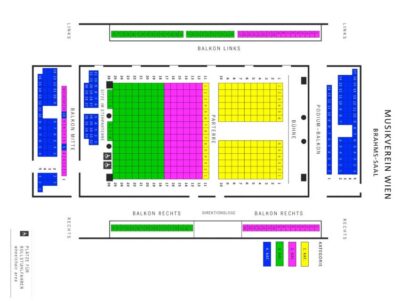
Some reviews say the room is set up so you still get a good view from many seats. But others report that bronze seating is not elevated, so if someone tall sits in front of you, you can end up watching the back of someone’s head for long stretches. Combine that with a low stage, and you get a situation where being just a few rows farther back can noticeably reduce what you see.
For VIP, the pitch is usually better placement and added perks. Front-row experiences are described as more personal, and second-row seats are praised when you want to clearly see the opera singer and dancers. That is the upside.
The downside is that multiple reviews question whether VIP perks match the price. One person said VIP did not deliver refreshment or a CD, even though the ticket description suggested those items. Another issue that shows up for everyone, not just VIP: the jacket check fee.
So here is my practical advice: if you choose VIP mainly for the view, it can be a good value because sightlines matter in this room. If you choose it expecting specific extras like a drink or a take-home item, treat that as a bonus, not a guarantee. If the ticket benefits are listed, verify what is included for your date before you assume it will be handed to you without questions.
Also, if you can, aim for seats that are not in the last few rows. With a low stage and limited vertical headroom, that is the easiest way to protect your experience.
Timing That Works: The 8pm Show and a Realistic Arrival Plan
The concert is built for an easy evening. It is described as an after-dinner experience, with a convenient showtime around 8pm. Ticket redemption is listed with a start time around 8:30pm, so you might be dealing with a slightly mixed timeline depending on how your ticket is handled.
Because people report some confusion about where to redeem tickets, give yourself margin. Arrive early enough to handle the small surprises: finding your entrance, locating the right ticket area, and sorting out any jacket policy before the music begins.
A few reviews mention that the venue area can involve walking around near Haus der Industrie before you find the exact ticket handoff spot. Some people even say the redemption address shown did not match where they ended up getting tickets, which led to wasted time and, in one case, a missed concert. I cannot predict your exact experience, but I can say this: do not treat the address as a casual detail. Check your confirmation carefully and aim to be there with time to spare.
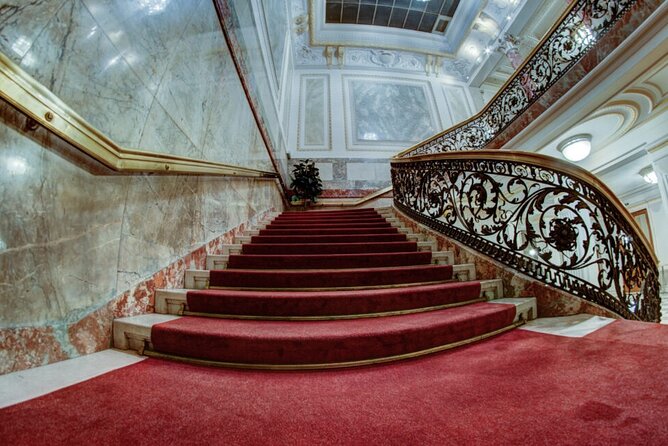
Once you are inside, the night flows quickly. You get time to settle, and some people recommend coming early to look around the venue because the room is ornate and photo-friendly before and after the concert. The concert itself is about two hours, which is a sweet spot in Vienna. Long enough to feel like a real event, short enough that you are not wrecked tomorrow.
Price and Value: Is About $71.38 Fair for Two Hours?
At about $71.38 per person for roughly two hours, this sits in the “worth it if it fits your evening” category. Classical concerts in major cities can get expensive fast, especially when you start comparing included extras, seating levels, and whether the program feels like a tourist product or a real performance.
Here’s why this may feel like good value:
- You get live orchestral music in a famous Vienna venue
- The program includes vocal and dance moments, not just instrumentals
- The pacing and audience participation keep it lively, especially for first-timers
- You can often choose seats across budgets instead of being forced into one option
Where value can slip:
- VIP pricing can feel off if perks listed in the ticket do not materialize the way you expect
- Back seats can reduce the experience if you care about seeing singers and dancers clearly
- The jacket fee adds a small extra cost you should plan for
My suggestion is simple. Think of this as a cultural evening where the main value is the live performance plus Vienna flavor. If you treat it like that, the price usually makes sense. If you treat it like a premium package with guaranteed extras, double-check what is included and pick a seat location that protects your view.
Also, schedule wise, it is often booked about 30 days in advance. Vienna sells out plenty in high season, so do not wait until the last minute unless you are flexible.
Who This Concert Is Best For (and Who Might Want a Different Option)
This show is a great fit if:
- You want an easy after-dinner activity in Vienna
- You are new to classical music and want a friendly introduction
- You like familiar melodies and a lightly theatrical format
- You are traveling with teens or mixed-interest family members
One review even called it a good beginners taste to classical music, and that tracks with what the program aims to do. It gives you recognizable classics, plus soprano and dance moments that make the music feel more like a full evening event.
It may be less ideal if:
- Your priority is perfect sightlines from far back
- You are paying extra for VIP mainly for a guaranteed drink or take-home item
- You get stressed when ticket pickup is confusing and you arrive right at the last moment
If you tend to sit wherever the cheapest option lands, you might still enjoy the sound and the show. But if seeing every performer clearly is part of your dream plan, pay attention to seat row and placement rather than only picking a category name.
Should You Book Konzerte der Wiener Royal Orchester?
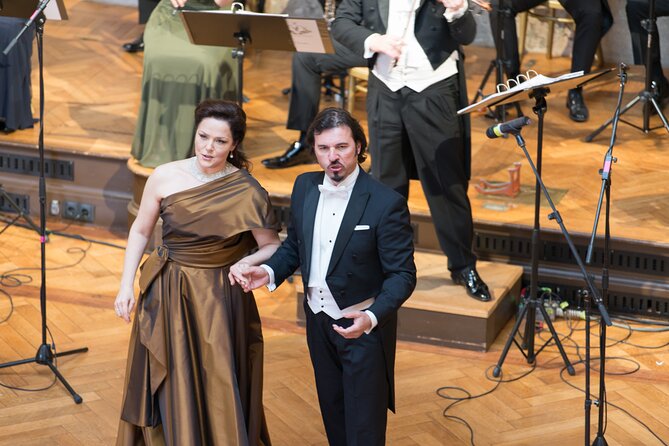
Book it if you want a live, classical-meets-Vienna-style evening in a beautiful hall, with a program that includes soprano and dance and a manageable two-hour commitment. If you can snag seats closer to the stage, it is more likely to feel special, not just pleasant.
I would be cautious about overpaying for VIP unless you are comfortable treating add-ons as possible extras rather than essentials. Also, plan for a jacket check and aim to arrive with time to sort out ticket pickup and entrances, because small address confusion has caused real problems for some people.
If your goal is a fun, accessible first classical night in Vienna, this is a strong choice. Just go in with the right expectations: the music is the star, the venue is intimate, and your seat location can make the experience either very enjoyable or slightly annoying.
Tour Reviews: Rest of the Austria File
- Vienna: Vivaldi’s Four Seasons Concert in Karlskirche
★ 4.7 · 14,951 reviews - Vienna: Schönbrunn Palace & Gardens Skip-the-Line Tour
★ 4.7 · 7,739 reviews - Vienna: Light of Creation Votive Church Immersive Light Show
★ 4.8 · 6,779 reviews - Vienna Spanish Riding School Guided Tour
★ 4.7 · 6,765 reviews
Newest Vienna write-ups on file
- Vienna: Private Walking Tour to The Hofburg & Graben Street★ 5.0 · 3 reviews
- Vienna: Private tour Mauthausen and Linz★ 4.1 · 3 reviews
- Vienna Private Full Day Tour – Tickets to Schönbrunn & Lunch★ 5.0 · 3 reviews
- Vienna: Johann Strauss 200th birthday anniversary exhibition★ 4.7 · 3 reviews
- Vienna: Full-Day Vienna Woods Wine Tasting Tour★ 5.0 · 3 reviews
- Vienna: Festive Season and New Year’s Eve Waltz Workshop★ 5.0 · 3 reviews