
REVIEW · AUSTRIA
Italian VIENNA
Italian Vienna turns a walk into a story. This 2.5-hour route connects the Italian touch behind Vienna’s Baroque look to real landmarks, led by Mario Casalone. It’s also a city-sketching lesson in how composers, preachers, adventurers, and military leaders shaped what you see.
Two things I really liked were the chance to stand inside Minoritenkirche, the church tied to Vienna’s Italian community, and the way the Hofburg becomes more than an imperial backdrop. Mario makes the links to Italian architects and builders feel direct, not academic, and the pace works well if you want meaning without spending all day.
One possible drawback: the stops are brief, so if you’re hoping for long museum time or deep interior access, this is more of a focused walk-and-explain than a full deep-dive. Also, this experience requires good weather, so plan for a little flexibility if skies turn ugly.
In This Review
- Key Highlights You’ll Notice Right Away
- Italian Vienna, Baroque Backstory, and Why It Matters
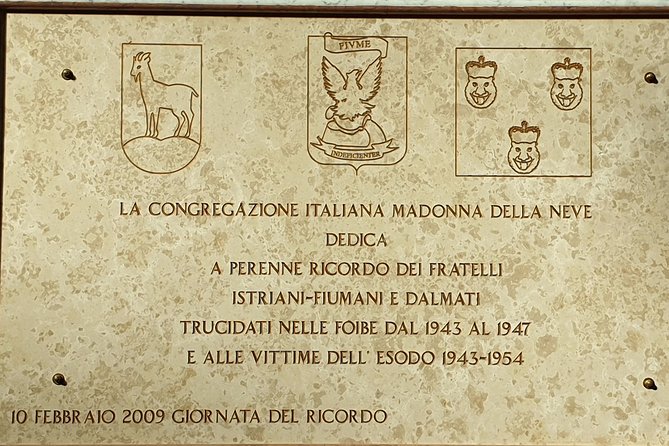
- Start at Minoritenkirche: Vienna’s Italian Community Church
- The Hofburg Stop: Power, Prestige, and the Italian Artistic Lens
- Mario Casalone’s Storytelling: Funny, Detailed, and Built for Questions
- Route Logic: From Minoritenplatz to Stephansplatz
- Timing, Walking Pace, and Group Size That Feels Manageable
- Price and Value: What $33.20 Buys You in Real Terms
- Weather and Comfort Tips for a Short, Outdoor-Centered Tour
- Who This Tour Fits Best, and Who Might Want Something Different
- Should You Book Italian Vienna?
- FAQ
- How long is the Italian Vienna tour?
- What is the price per person?
- Do I need a physical ticket?
- Where does the tour start and end?
- What stops are included?
- How big is the group?
- What happens if the weather is bad or if it is canceled?
- What is the cancellation policy?
Key Highlights You’ll Notice Right Away
- Minoritenkirche sets the tone: you start with a direct thread to Vienna’s Italian community.
- Hofburg, Francesco Joseph, and Sissi context: the imperial palace is framed through an artistic and cultural lens.
- Italian Baroque explained with living stories: you’ll hear how artists and architects built Vienna’s famous image.
- Mario’s question-friendly style: from what I saw in the reviews, he handles questions patiently and keeps things light.
- Small group size, big-city walk: up to 30 people makes it feel conversational rather than rushed.
- Mobile ticket, simple day plan: you get a mobile ticket and a clear meeting and end point.
Still choosing? These Vienna entries sit alongside it in our Austria file.
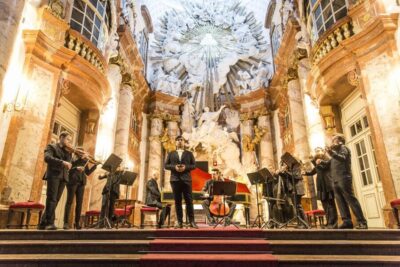
- Vienna: Vivaldi’s Four Seasons Concert in Karlskirche
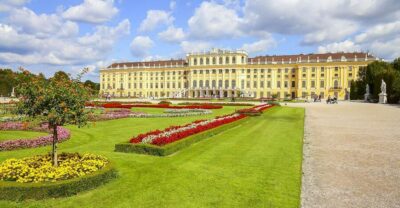
★ 4.7 · 14,951 reviews - Vienna: Schönbrunn Palace & Gardens Skip-the-Line Tour
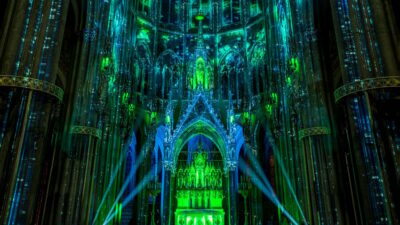
★ 4.7 · 7,739 reviews - Vienna: Light of Creation Votive Church Immersive Light Show
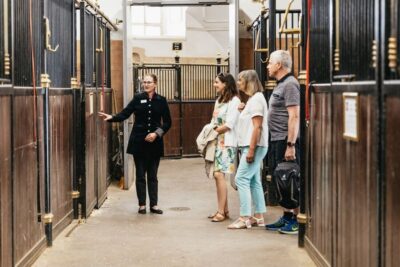
★ 4.8 · 6,779 reviews - Vienna Spanish Riding School Guided Tour
★ 4.7 · 6,765 reviews
Italian Vienna, Baroque Backstory, and Why It Matters
This isn’t the usual Vienna script of look, admire, move on. The hook here is the idea that Vienna’s Baroque face was shaped by artists and architects who were part of a wider Italian world, and you’ll see that connection as you walk. You also get stories that stretch beyond art, with notes about preachers, adventurers, and military leaders that help explain why the city grew the way it did.
I like this approach because it changes how you look. Instead of treating buildings as isolated sights, you start asking what styles, people, and ambitions were doing the work. Even if you have visited Vienna before, the Italian angle gives you a new set of questions and makes familiar places feel different.
Start at Minoritenkirche: Vienna’s Italian Community Church
Your morning begins at Wiener Minoritenkirche at Minoritenplatz 2A, 1010 Wien. This stop is short, about 15 minutes, and the admission ticket is free, which is great because you don’t lose your budget or your schedule before the real storytelling kicks in.
What makes Minoritenkirche useful on an Italian Vienna walk is that it’s not just decorative. It signals that Italians were not only artists and visitors in the background, but part of the city’s community life. That matters for the rest of the tour because it helps you understand why Italian influence in Vienna is both cultural and human, not just stylistic.
Practical note: because the stop is time-limited, arrive ready to look up and listen. If you’re the type who spends 20 minutes studying one façade, this isn’t built for that. It’s built for getting the main ideas quickly, then moving on with context.
The Hofburg Stop: Power, Prestige, and the Italian Artistic Lens
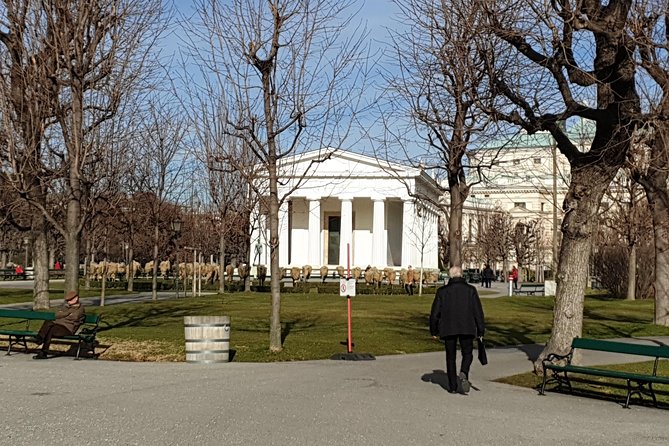
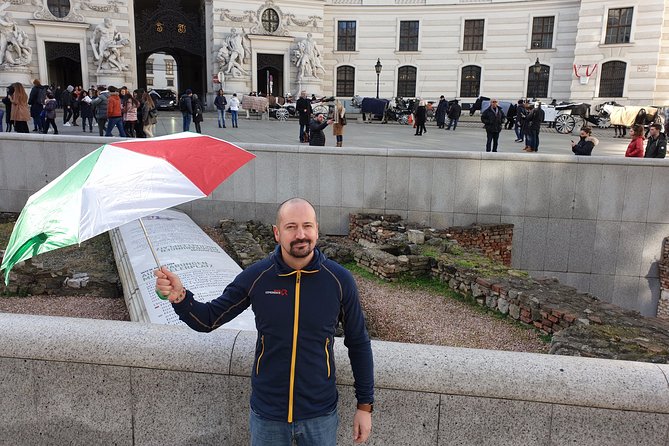
After Minoritenkirche, you head to the Hofburg, the imperial palace of the Habsburg family. Expect another brief moment, around 15 minutes, with free admission ticket listed for this stop. The key detail here is that the Hofburg connects to the apartments of Francesco Joseph and Sissi, two names that make “imperial Vienna” feel personal rather than abstract.
Here’s where the tour’s concept really clicks. Instead of treating Hofburg as only a royal symbol, Mario frames it as part of the Baroque image that artists and architects helped build. So when you look at the palace, you’re not only thinking power. You’re thinking who designed the look, who shaped the artistic language, and how that look carried messages across centuries.
Drawback to keep in mind: this is not a full palace visit with long interior time. With only about 15 minutes, the Hofburg stop works best if you want orientation and context, not a deep exploration of rooms. If you plan to revisit the Hofburg later, this tour can be your “what to notice next time” session.
Mario Casalone’s Storytelling: Funny, Detailed, and Built for Questions
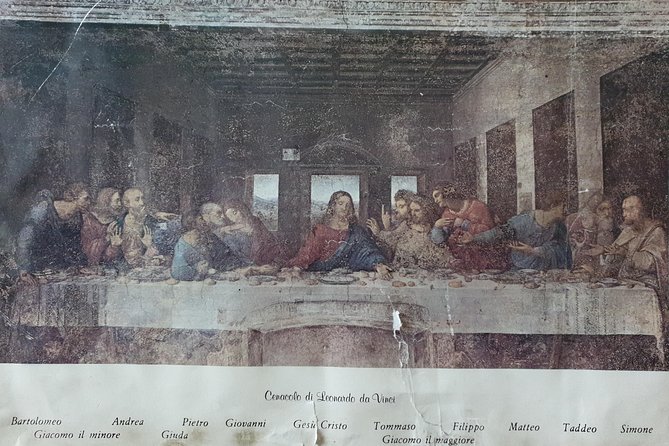
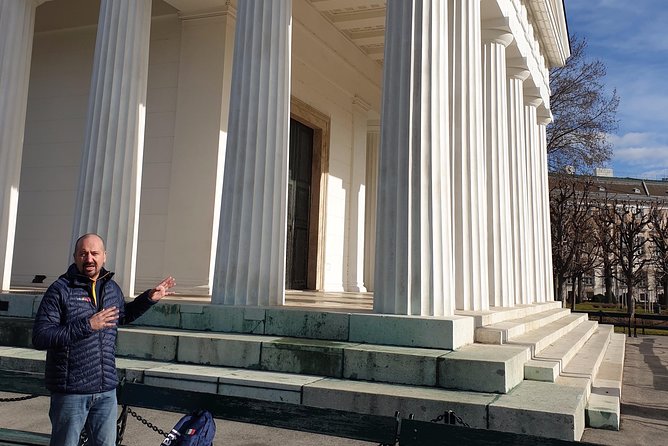
Mario Casalone, known through MarioViennaGuide, is the engine of this experience. The consistent theme in the feedback is that he’s welcoming and makes people feel at ease early. That’s not a small detail. On a walking tour, trust matters, because you’re outside, you’re moving, and you need someone who can keep the group comfortable.
The other standout point is how he balances history with everyday understanding. In the reviews, people point out that he mixes facts and fun trivia with real-life context, so the tour doesn’t feel like a lecture. Several also mention that he’s patient with questions, which is a big deal if you like to pause and connect the dots as you go.
If you’re wondering whether this tour suits you, look at your own style: if you enjoy guided explanations with clear stories, you’ll likely love it. If you want quiet time and self-paced reading, you may find the pace a bit too talk-driven, because the entire premise is narration.
Route Logic: From Minoritenplatz to Stephansplatz
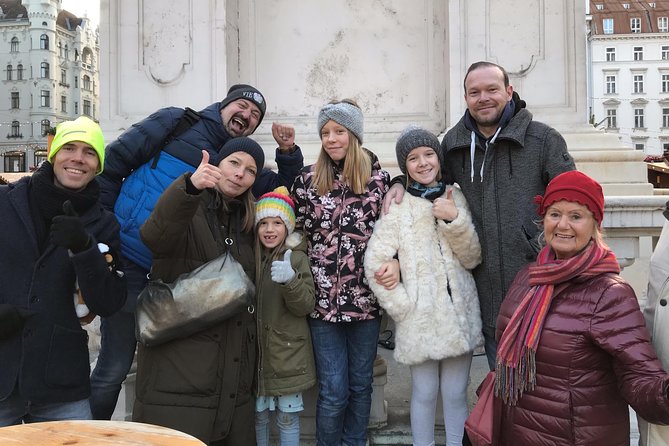
Even though the tour is only about 2 hours 30 minutes, the structure gives you a clear start and finish. You begin at Minoritenkirche and end in the Stephansplatz area, the cathedral square of St. Stephen.
That ending matters for practical planning. Stephansplatz is a natural hub for grabbing coffee, continuing your walking loop, or connecting to public transportation. By the time you finish, you’ll have a sharper lens for St. Stephen’s Cathedral area, because you’ve been primed to see how artistic choices and cultural influences built Vienna’s image over time.
You also get a group experience designed for easy joining: it’s near public transportation, and the size is capped at 30 people. That combination makes a difference when you’re trying to fit Vienna into a busy itinerary.
Timing, Walking Pace, and Group Size That Feels Manageable
This is a 2 hours 30 minutes outing, which is a sweet spot for many people. It’s long enough to build a storyline, but short enough that you’re not exhausted before dinner. The itinerary includes two main timed stops, Minoritenkirche and the Hofburg, each listed at about 15 minutes, with the rest of the time devoted to moving and listening.
With a maximum of 30 people, the tour is more likely to feel interactive. On crowded tours, questions get swallowed, and you hear only half of what’s said. Here, the smaller size should help Mario keep his explanations clear and keep the flow moving.
Still, it’s a walk. Wear shoes you trust, and if you’re sensitive to weather, dress for it. The experience is designed for “most people” to participate, but the practical reality of city walking is still on you.
Price and Value: What $33.20 Buys You in Real Terms
At $33.20 per person, the pricing is easy to justify because the listed admissions for the key stops are free. That means you’re paying primarily for interpretation, not entry fees.
So what exactly are you buying? You’re buying a guided thread that connects Italian artists and builders to the Baroque Vienna you see on the streets. You’re also buying a way to understand the city through people and stories, not just architecture names. If you’ve ever looked at Vienna and wondered why it looks the way it does, this is aimed right at that question.
You should also consider how a walking format saves time. Instead of researching and hopping between scattered sites, you get a short route where the guide does the connecting work for you. For many visitors, that’s the real “value,” because it makes your time in Vienna feel more organized.
If you’re traveling on a strict budget, the best way to think about it is this: for the cost of a couple of meals in some cities, you get 2.5 hours of guided context that changes how you see several major landmarks.
Weather and Comfort Tips for a Short, Outdoor-Centered Tour
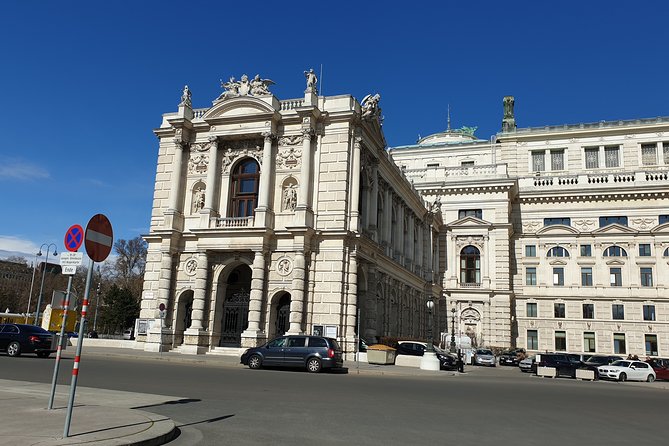
The experience requires good weather. The supplier also notes that if it’s canceled due to poor weather, you’ll be offered a different date or a full refund.
That doesn’t mean you should panic the moment clouds appear. The practical takeaway is to dress like the weather might change, because your main time is outdoors walking and standing. Even when the tour runs in challenging conditions, it still needs you to be comfortable enough to hear stories and keep moving.
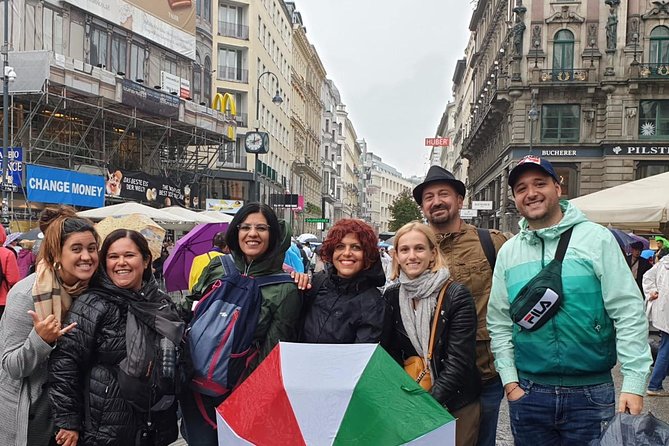
Bring a small layer, and if rain is possible where you are staying, consider an umbrella. It’s also smart to keep your phone charged, since you’ll have a mobile ticket.
Who This Tour Fits Best, and Who Might Want Something Different
This tour fits best if you want a guided “Italian Vienna” angle with clear landmarks. If you enjoy Baroque architecture and you like the idea of how artists and architects shaped a city’s look, you’ll likely have a great time. It also works well as a second visit, because the Italian framing can turn familiar buildings into new learning.
It might not fit if you want long interior access or museum-style depth at each stop. The schedule is tight, and the Hofburg is only listed for a short visit window. In that case, consider this tour as your orientation and then plan a separate, self-paced deep visit later.
Also, if you hate group narration and would rather roam alone, a guided walking structure may feel too structured. But if you like conversation, stories, and a sense of momentum, this style is the point.
Should You Book Italian Vienna?
I’d book it if you’re curious about why Vienna looks like it does, and you want an Italian connection that goes beyond a quick museum label. Mario Casalone’s teaching style, the Italian focus, and the fact that the stops are free on-site make this feel like good value for a half-morning to early afternoon.
I’d hesitate only if you need long museum time at the Hofburg or you strongly prefer self-guided exploring. The tour is built for explanation and viewpoint change, not extended room-by-room visiting.
If your schedule is flexible, and you can handle a typical city walk, this is a solid choice for getting a more human, story-driven understanding of Vienna through its Italian ties.
FAQ
How long is the Italian Vienna tour?
It runs about 2 hours 30 minutes.
What is the price per person?
The price is $33.20 per person.
Do I need a physical ticket?
No. You’ll use a mobile ticket.
Where does the tour start and end?
It starts at Wiener Minoritenkirche on Minoritenplatz 2A, 1010 Wien, and ends at Stephansplatz in the cathedral square of St. Stephen.
What stops are included?
You’ll visit Minoritenkirche (the Italian community church in Vienna) and the Hofburg (the imperial palace of the Habsburgs, linked to Francesco Giuseppe and Sissi). Admission tickets for these listed stops are free.
How big is the group?
The tour has a maximum of 30 people.
What happens if the weather is bad or if it is canceled?
This experience requires good weather. If it’s canceled due to poor weather, you’ll be offered a different date or a full refund. It can also be canceled if a minimum number of travelers is not met, with an alternative date/experience or a full refund.
What is the cancellation policy?
Free cancellation is available. You can cancel up to 24 hours in advance for a full refund, based on local experience time. If you cancel less than 24 hours before the start, the amount paid is not refunded.
Tour Reviews: Rest of the Austria File
- Vienna: Vivaldi’s Four Seasons Concert in Karlskirche
★ 4.7 · 14,951 reviews - Vienna: Schönbrunn Palace & Gardens Skip-the-Line Tour
★ 4.7 · 7,739 reviews - Vienna: Light of Creation Votive Church Immersive Light Show
★ 4.8 · 6,779 reviews - Vienna Spanish Riding School Guided Tour
★ 4.7 · 6,765 reviews
Newest Vienna write-ups on file
- Vienna: Private Walking Tour to The Hofburg & Graben Street★ 5.0 · 3 reviews
- Vienna: Private tour Mauthausen and Linz★ 4.1 · 3 reviews
- Vienna Private Full Day Tour – Tickets to Schönbrunn & Lunch★ 5.0 · 3 reviews
- Vienna: Johann Strauss 200th birthday anniversary exhibition★ 4.7 · 3 reviews
- Vienna: Full-Day Vienna Woods Wine Tasting Tour★ 5.0 · 3 reviews
- Vienna: Festive Season and New Year’s Eve Waltz Workshop★ 5.0 · 3 reviews