
REVIEW · AUSTRIA
Freud – Inside the mind of a Genius
Freud’s life reads like a walking route. This two-hour guided walk connects Sigmund Freud’s medical training and early surroundings to the Vienna you can still see today. I like how the tour keeps the focus on ideas, not just landmarks, and I also like the small group size capped at 10 people, which makes it easier to ask questions.
One thing to plan for: you’ll finish at the Sigmund Freud Museum and you must buy that ticket yourself. The overall walk is designed for moderate mobility, so if you have any knee or stamina limits, it’s worth going into it with comfortable shoes and a slower pace mindset.
In This Review
- Key Highlights You’ll Feel Immediately
- Freud’s Vienna, But Make It Practical
- Starting at Universität Wien: Getting Oriented Fast
- University of Vienna Courtyard Stop: Where Big Ideas Meet Stone
- Votivkirche Neighborhood Stop: The People Behind the Work
- Old University Quarter Stop: Medicine in Freud’s Late-19th-Century Vienna
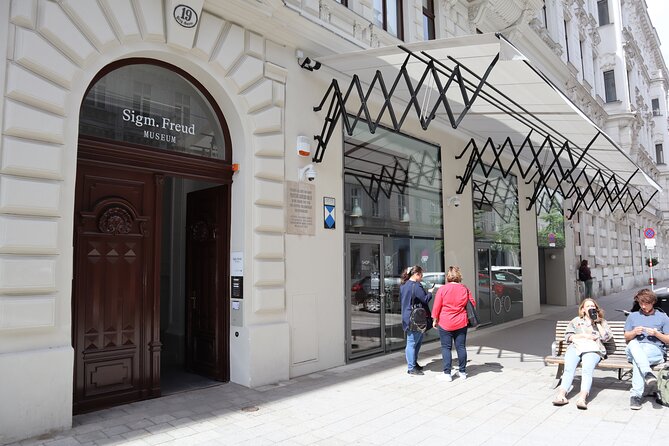
- Finishing at Sigmund Freud Museum: Berggasse 19 and the Ticket You Control
- Why the Small Group (Max 10) Matters More Than You Think
- Price and Value: $45.38 for a Two-Hour Freud Walk
- Timing, Walking Pace, and What to Wear
- Neighborhood Notes: Why This Route Works in Vienna
- Who This Freud Walking Tour Is Best For
- Should You Book This One?
- FAQ
- How long is the Freud – Inside the Mind of a Genius tour?
- Where does the tour start and end?
- What is the price per person?
- Is the Sigmund Freud Museum ticket included?
- Are admission tickets included for the earlier stops?
- What group size should I expect?
Key Highlights You’ll Feel Immediately
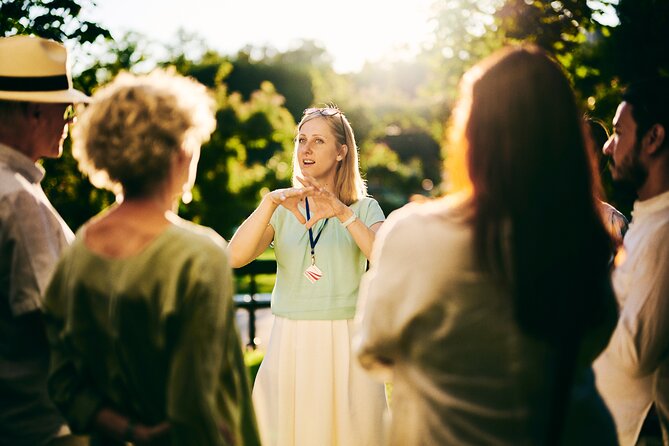
- Maximum 10 travelers keeps the vibe personal and question-friendly
- Freud Museum at the end means you can choose how long to spend inside
- University of Vienna courtyard visit ties Freud’s world to late-19th-century education
- Votivkirche neighborhood stop points you to the social and professional circle around him
- Old university quarter walk-through shows what “medicine back then” looked like in place
- Guide storytelling can make Freud’s ideas easier to grasp, with Lisa Marie praised for being both entertaining and well informed
Still choosing? These Vienna entries sit alongside it in our Austria file.
- Vienna: Vivaldi’s Four Seasons Concert in Karlskirche
★ 4.7 · 14,951 reviews - Vienna: Schönbrunn Palace & Gardens Skip-the-Line Tour
★ 4.7 · 7,739 reviews - Vienna: Light of Creation Votive Church Immersive Light Show
★ 4.8 · 6,779 reviews - Vienna Spanish Riding School Guided Tour
★ 4.7 · 6,765 reviews
Freud’s Vienna, But Make It Practical
Vienna is full of famous people and grand buildings, yet Freud’s story lands differently. Instead of focusing only on genius and quotes, this walk traces how his environment shaped his questions about minds, medicine, and everyday human behavior.
For you, the best part is that you do not just “see places.” You connect them. As you move from the University area into the older study quarter and finish at Berggasse 19, the city becomes a timeline you can walk through.
And yes, Freud is controversial in a way that still sparks debate today. This tour leans into that tension, which makes the experience feel more honest than a simple fan tour.
Starting at Universität Wien: Getting Oriented Fast
You begin at the University of Vienna area, at Universität Wien Studienzulassung, Universitätsring 1 (1010 Vienna). The start matters because it frames Freud’s Vienna in a very grounded way: education, institutions, and late-19th-century medical life.
The meeting point also helps you get your bearings quickly. Even if you are only in Vienna for a short time, starting with a major campus location makes navigation and timing simpler. Plus, it is near public transportation, so you can reach it without a long detour.
From here, the tour sets a rhythm: short stops, then walking together to the next clue.
University of Vienna Courtyard Stop: Where Big Ideas Meet Stone
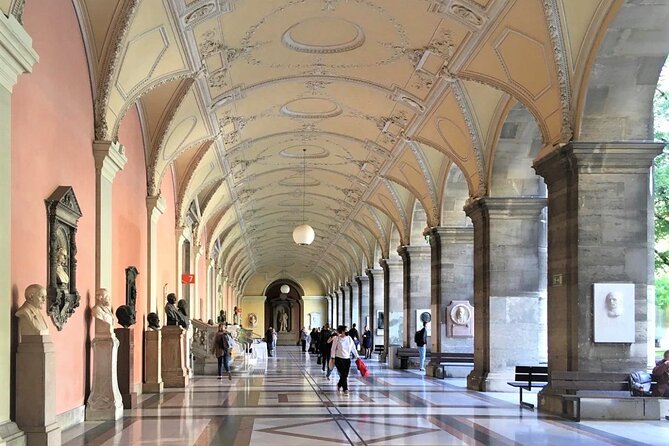
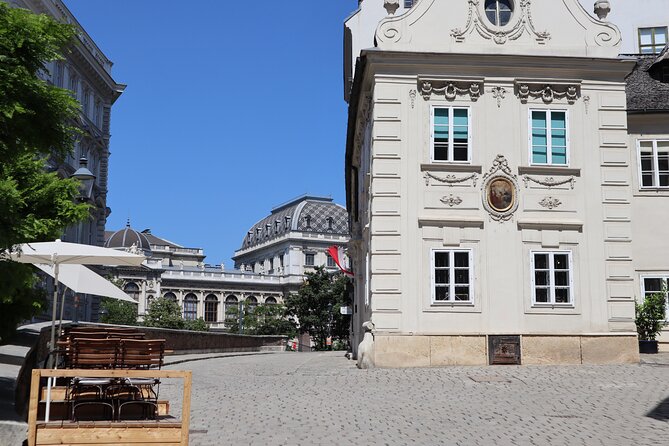
At Stop 1, you look into the University of Vienna courtyard, described as astonishing. This is not just sightseeing. It’s a visual way to understand the setting that would have influenced how Freud thought about science, training, and professional life.
You also get a quick win: admission is listed as free for this stop. That matters because it keeps the experience focused on guidance and context, not ticket bureaucracy.
What to watch for: Courtyards in older European universities often feel like “breathing space” between formal structures. Standing in one helps you imagine how students and doctors moved through daily routines, not just how big names looked on book covers.
Votivkirche Neighborhood Stop: The People Behind the Work
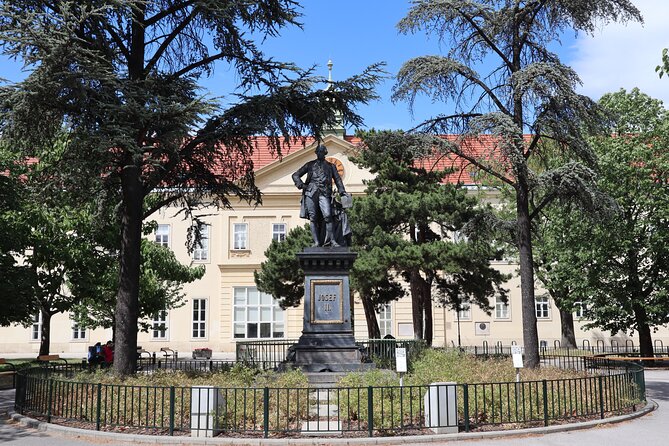
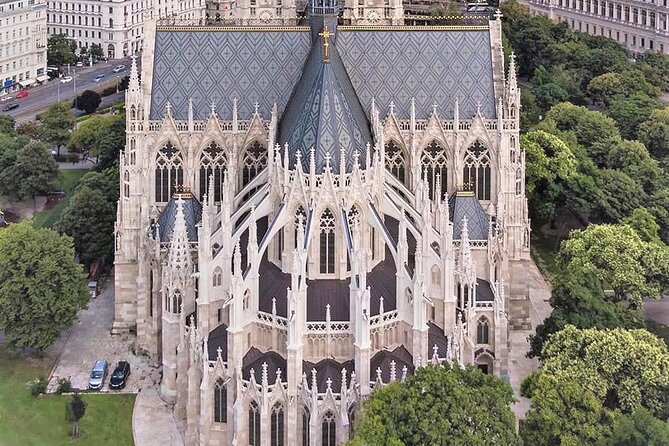
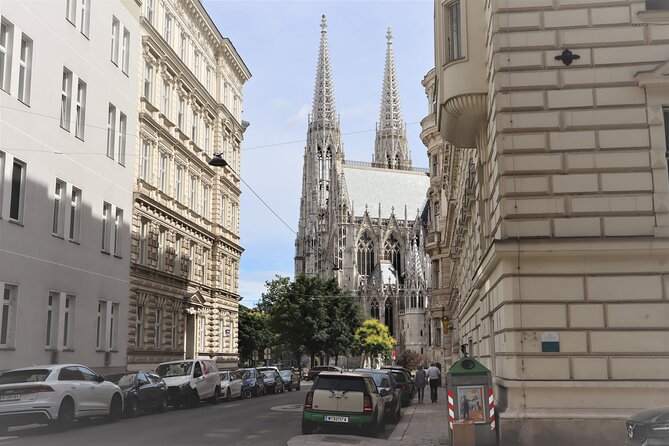
Next comes Stop 2 at Votivkirche. The tour frames this neighborhood as a place where Freud found friends and bright minds, and the big question is who those people were and how they mattered.
This stop is where the tour starts to feel like a human story. Freud’s ideas did not form in a vacuum, and Vienna’s social and professional networks mattered. Even if you do not know much about Freud yet, this is where you start asking practical questions like: Who did he talk to? Where did friendships overlap with careers?
Admission is again listed as free at this stop, so you can focus on the guide’s explanation rather than scrambling for entry details.
Small tip: If you are the kind of traveler who likes learning names and connections, this is the moment to lean in. It is also a good time to ask your guide a question, since the group is capped at 10.
Old University Quarter Stop: Medicine in Freud’s Late-19th-Century Vienna
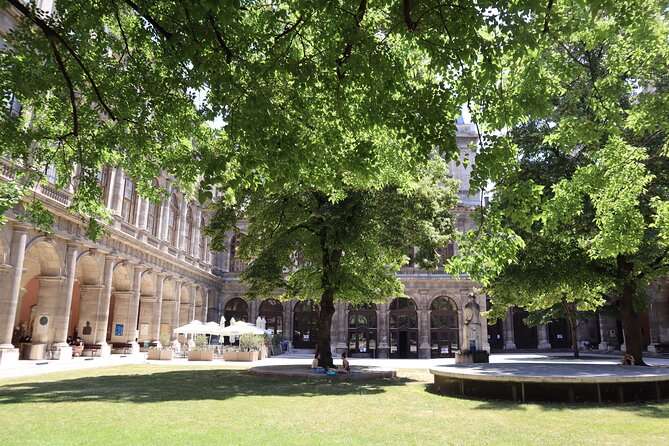
Stop 3 takes you into the old university quarter, where Freud used to study. The guiding theme is what medicine looked like back then, in actual streets and actual neighborhoods, not only in textbooks.
This is one of the more meaningful segments for anyone interested in psychology or medicine. It helps you understand that Freud’s thinking grew out of a specific time, with specific assumptions about the body, illness, and how experts should interpret human behavior.
Also, the tour signals that this is not modern medicine with modern tools. You are being guided through a period where explanations often mixed observation, theory, and personal interpretation. That context can make Freud’s later writings feel less like a lightning bolt and more like a work shaped by constraints.
Admission is listed as free here too, which keeps your cost predictable during the walk.
What you’ll likely appreciate: The tour’s language around medicine gives you permission to think about Freud as a product of his environment, not a supernatural anomaly.
Finishing at Sigmund Freud Museum: Berggasse 19 and the Ticket You Control
The walk ends at the Sigmund Freud Museum, located at Berggasse 19 (1090 Vienna). This is the finish point where Freud and his family lived for many years, and the guiding question becomes why he had to leave and what happened to his family.
Because the museum ticket is not included, you get a choice. You can spend extra time inside if you are eager to see artifacts and learn more, or you can keep it short if you want to save energy for the rest of your Vienna day.
This “end at the museum” format is practical for you. It means you do not feel rushed during the walking portion. You can treat the museum as a separate, flexible add-on rather than trying to cram everything into the two-hour tour window.
A consideration: If the museum is a must-do for you, check your timing so you do not arrive right before closing. The walking tour ends there, but your museum experience depends on the museum’s hours and your ticket timing.
Why the Small Group (Max 10) Matters More Than You Think
This tour caps group size at 10 travelers. That number sounds modest, but it changes the whole experience.
With fewer people, the guide can:
- pace the explanations around your questions,
- connect details without talking over you,
- and keep stops from feeling like a rushed conveyor belt.
That matters especially for a subject like Freud, where many people have questions before they even start. You might come in curious about psychology, or you might just want a better understanding of why Freud’s ideas became influential and controversial.
The praise for this tour includes notes about the guide being entertaining and well informed. One guide name that comes up is Lisa Marie, specifically praised for bringing Freud’s story to life with engaging research.
Price and Value: $45.38 for a Two-Hour Freud Walk
At $45.38 per person, this is not a budget tour, but it also does not ask you to pay “museum money” on top. The museum ticket is listed as not included, while admission for the walking stops is listed as free.
So your costs split into two parts:
- you pay for the guided walking experience,
- you pay for the museum if you want to go in fully.
For value, the key is what you get during the walk. You are not paying for entry into multiple paid venues. You are paying for guidance that connects locations to Freud’s life and the medical world around him.
In real terms, this is a good use of your time because it turns Vienna streets into a structured narrative. If you are short on time, that guidance is what prevents you from wandering through “Freud-related buildings” without understanding why they matter.
Also, the tour includes GST, so you should not face surprise tax charges at checkout.
Timing, Walking Pace, and What to Wear
The tour runs about two hours. The itinerary is built from several walking segments and short stops, which means you’ll want to plan for standing and light walking more than sitting-down museum time.
The guidance includes a note about moderate physical fitness level. That usually means you should expect uneven pavement at times, standing during short talks, and a steady walking rhythm.
Wear: comfortable walking shoes with solid grip. If Vienna is rainy during your trip, you will be happier with footwear that handles wet stone.
Weather reality: This is an outdoor walking tour. If rain hits, your experience depends on the guide’s pacing and your own comfort level. Bring a compact umbrella or a light rain layer if you can.
Neighborhood Notes: Why This Route Works in Vienna
This route makes sense because it stays in a concentrated area tied to education and professional life. The University of Vienna, Votivkirche area, and the old university quarter are all part of a Vienna that feels connected by pedestrian routes.
That connection helps you build a mental map. After a few stops, you start seeing how “places” can represent themes: institutional learning, social networks, and the street-level environment where ideas and careers developed.
And because it ends at Berggasse 19, it gives you a clean finish point. You know where you are headed, and you can extend the day with the museum visit or transition to nearby sights without having to re-plan your route from scratch.
Who This Freud Walking Tour Is Best For
You’ll probably get the most out of this if you:
- want a Freud experience tied to the actual city, not just a lecture hall,
- like city walking tours with a narrative thread,
- have an interest in psychology, medical history, or late-19th-century intellectual life,
- enjoy smaller groups where you can ask questions.
It can also work if you are a curious general traveler. Freud’s story is big, and Vienna gives it physical context. Even if you only know a few headlines about Freud, the tour structure helps you connect the dots.
If you are the kind of person who hates walking tours or needs lots of seating time, this might feel more demanding than you prefer. It’s a moving experience, not a long museum day.
Should You Book This One?
Book it if you want a focused, guided Freud walk with a small group and a clear ending at the Sigmund Freud Museum. The value is strongest when you treat the museum as a personal add-on, since it is not included.
Skip it or reconsider if you:
- are not interested in a walking format,
- dislike paying separately for museum entry,
- or need a highly structured museum-only experience without outdoor segments.
If you are visiting Vienna for the first time, or if Freud is one of your “must understand” topics, this tour is a solid way to connect the name to the streets, the institutions, and the human network around him.
FAQ
How long is the Freud – Inside the Mind of a Genius tour?
It runs for about two hours.
Where does the tour start and end?
It starts at Universität Wien Studienzulassung, Universitätsring 1, 1010 Wien, Austria, and ends at the Sigmund Freud Museum, Berggasse 19, 1090 Wien, Austria.
What is the price per person?
The price is $45.38 per person.
Is the Sigmund Freud Museum ticket included?
No. The tour ends at the museum, but the museum ticket is not included.
Are admission tickets included for the earlier stops?
The stops at the University of Vienna, Votivkirche, and the Old University Quarter are listed as free admission.
What group size should I expect?
The tour caps at a maximum of 10 travelers.
Tour Reviews: Rest of the Austria File
- Vienna: Vivaldi’s Four Seasons Concert in Karlskirche
★ 4.7 · 14,951 reviews - Vienna: Schönbrunn Palace & Gardens Skip-the-Line Tour
★ 4.7 · 7,739 reviews - Vienna: Light of Creation Votive Church Immersive Light Show
★ 4.8 · 6,779 reviews - Vienna Spanish Riding School Guided Tour
★ 4.7 · 6,765 reviews
Newest Vienna write-ups on file
- Vienna: Private Walking Tour to The Hofburg & Graben Street★ 5.0 · 3 reviews
- Vienna: Private tour Mauthausen and Linz★ 4.1 · 3 reviews
- Vienna Private Full Day Tour – Tickets to Schönbrunn & Lunch★ 5.0 · 3 reviews
- Vienna: Johann Strauss 200th birthday anniversary exhibition★ 4.7 · 3 reviews
- Vienna: Full-Day Vienna Woods Wine Tasting Tour★ 5.0 · 3 reviews
- Vienna: Festive Season and New Year’s Eve Waltz Workshop★ 5.0 · 3 reviews