
REVIEW · GUIDED
Esterhazy Palace Guided Tour
One hour at Esterházy Palace, and the story clicks. This guided walk is built around family secrets and big name connections, plus the Haydn-era chapel organ that really gives the building a pulse. You move efficiently from highlight to highlight, so you do not spend the whole time guessing what you are looking at.
I especially like how the guide makes the past feel personal, not like a textbook. You also get specific, memorable details, like the mezzanine level where servants once lived and the 17th-century chapel tied to Joseph Haydn. The main catch is that the tour is short, and if you want lots of furniture on display, you may leave wanting more.
In This Review
- Key highlights worth planning for
- Why Esterházy Palace works as a one-hour visit
- Arrival at the palace, and how the tour keeps you oriented
- The mezzanine storey: servants’ lives you would otherwise miss
- Entering the chapel: 17th-century architecture with a Haydn connection
- Lord Nelson, Joseph Haydn, and the palace as a storytelling stage
- Rooms, paintings, and the question of what is on display
- Price, timing, and group size: does $22.83 feel fair?
- What to know before you go, so you enjoy the hour
- Who this tour suits best, and who might want a different plan
- Should you book the Esterházy Palace guided tour?
- FAQ
- How long is the Esterházy Palace guided tour?
- Is the tour in English?
- What does the ticket price include?
- Where does the tour start?
- Do I need a printed ticket?
- How big is the group?
- Is transportation included?
- Are children allowed?
- What is the cancellation policy?
Key highlights worth planning for
- English guidance for a focused hour with admission ticket included
- Mezzanine storey tied to the princess’s personal servants
- 17th-century palace chapel with an organ partly from Joseph Haydn’s era
- Stories that connect court life to Joseph Haydn and Lord Nelson
- Restored rooms and striking displays, including silver tableware behind glass
Other Vienna write-ups filed under Austria
- Vienna Spanish Riding School Guided Tour
★ 4.7 · 6,765 reviews - Vienna: Guided Walking Tour of City Center Highlights
★ 4.7 · 4,989 reviews - Vienna: Vienna Central Cemetery Guided Walking Tour
★ 4.8 · 3,307 reviews - Vienna: Tickets for Mozarthaus Vienna with Audio Guide
★ 4.2 · 2,344 reviews
Why Esterházy Palace works as a one-hour visit
If you only have a short window in Eisenstadt, this is a smart way to spend it. The tour runs about one hour, and the format is designed to get you to the important rooms without wandering.
I like that the experience is built for momentum. You arrive, then you start with the palace highlights, not a slow warm-up. That matters at Esterházy Palace because it is easy to feel overwhelmed if you try to see everything on your own.
This is also good value for what you actually get. You pay $22.83 per person and you leave with a guided introduction, plus the admission ticket is included. Food is not included, but the timeline is tight enough that you can still plan a meal afterward elsewhere in town.
The one drawback to keep in mind is simple: the tour is brief. Some people want more room to linger with furniture and long looks at every display. If that is your style, you may want to pair this with extra independent time.
Arrival at the palace, and how the tour keeps you oriented
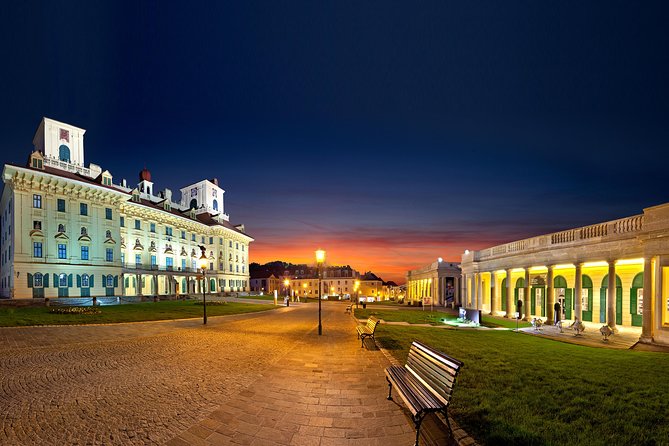
Your tour starts at Esterházy Palace, Esterhazypl. 1, 7000 Eisenstadt. It ends back at the same meeting point, so you do not have to figure out a complicated route afterward.
You’ll also appreciate the small practical details. You get a mobile ticket, and the tour is offered in English. With a maximum group size of 30 travelers, it should feel more like a guided walk than a crowded rush.
Because the group stays limited, you are more likely to hear the guide clearly and ask quick questions if they invite it. And because it is a highlight-focused format, the guide spends time interpreting what you see, instead of just listing facts.
One more thing I like is how the guide sets expectations. The stories are not random trivia. They frame the palace as a living stage where politics, music, and international reputation meet inside these walls.
The mezzanine storey: servants’ lives you would otherwise miss
One of the strongest parts of the tour is the stop on the mezzanine storey, where the personal servants of the princess once lived. This is not just an extra hallway stop. It is a key to understanding how the palace truly functioned.
A lot of palace visits focus on the grand rooms and skip the in-between spaces. Here, the mezzanine helps you connect the dots between privilege and daily labor. You start to notice how movement and hierarchy would have worked, even before you think about décor.
This also changes how you look at the building. Instead of treating it like a perfect museum backdrop, you start seeing it as a workplace and a household with roles, routines, and constant staff presence.
If you enjoy social history, this section is a payoff. You get a grounded sense of who lived where and why. And if you normally rush through “service areas,” this is the kind of stop that makes you slow down.
Entering the chapel: 17th-century architecture with a Haydn connection
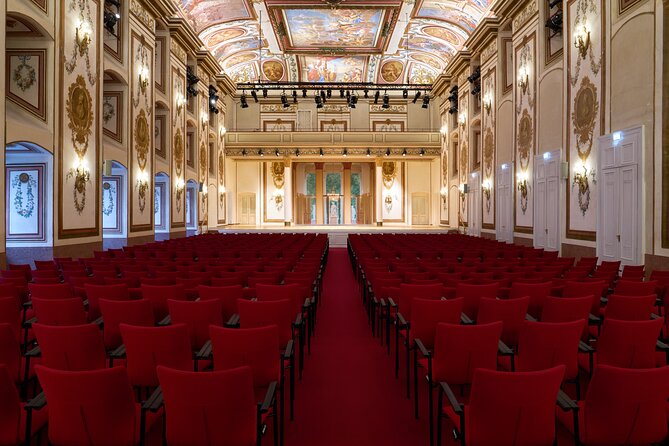
Then the tour pivots to one of the most meaningful spaces on site, the 17th-century palace chapel. This is where the visit starts to feel more emotional, because music is built into the story.
The organ in the chapel is described as being partly from Joseph Haydn’s time, and it was regularly played by him. Even if you are not a classical-music specialist, that detail gives you a clear mental image: this was not just a room for decoration. It was a working venue for sound, ceremony, and patronage.
What you should watch for here is how the guide ties the architecture to the people. The chapel is easy to underestimate because it looks like a “room within a palace.” During the tour, it becomes a central piece of palace culture.
I also like that the guide does not leave you with only a name drop. You get a connection that helps the organ feel real, not symbolic. When you hear the way the guide explains it, the chapel becomes a timeline marker inside the palace.
If you are visiting primarily for music history, this part alone makes the hour worthwhile.
Lord Nelson, Joseph Haydn, and the palace as a storytelling stage
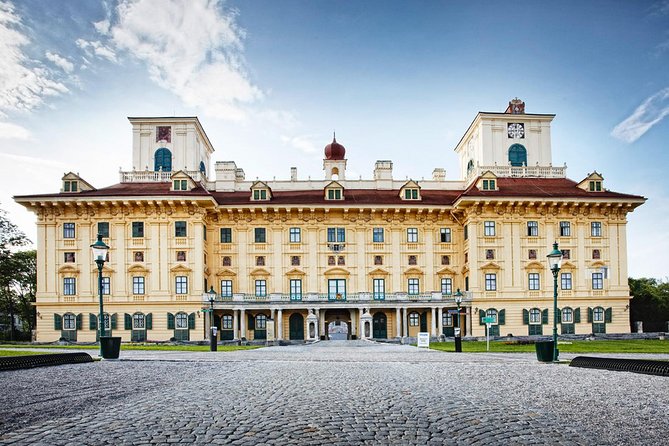
Esterházy Palace is famous for many reasons, but the guided tour does something practical with that fame. It turns the palace into a story engine.
You hear about Lord Nelson, Joseph Haydn, and other notable figures as you explore. The point is not to turn the visit into a lecture about famous men. It is to show how the Esterházy family moved through cultural and political networks.
This is especially valuable for people who struggle to connect big historical names to real places. The guide gives you a palace-based explanation, so you leave knowing why those figures matter in this setting.
I also appreciate how the tour is described as bringing personalities to life. Some guides manage facts, but this style goes further. The tour can feel like you are getting the perspective of someone close to the household, not just a distant commentator.
That storytelling approach is why the tour works even if you only have a short time. You are not trying to memorize everything. You are absorbing a narrative that makes the rooms easier to remember later.
You might also catch specific, visual details that help the story land. For example, one display many people react to is the silver tableware behind glass, including how the table could be set. Scenes like that make the past feel tactile, not distant.
Rooms, paintings, and the question of what is on display
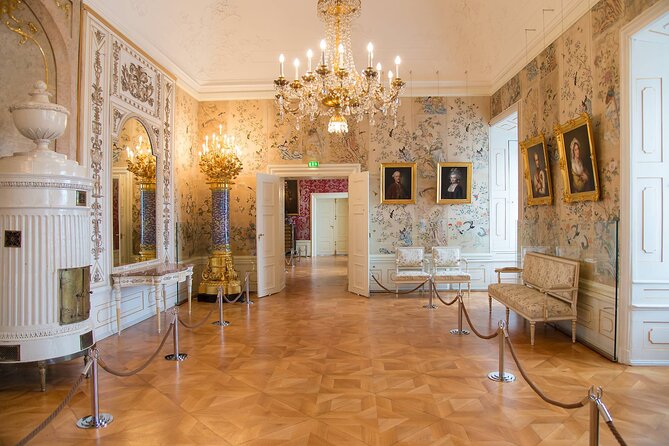
The palace has the kind of reputation that makes you expect everything to be on full show. The tour does a good job of showing you the kinds of rooms people associate with grand households, and you also get references to the scale of the place, including that there are 134 rooms. That number alone helps you understand how unrealistic it would be to see it all in an hour.
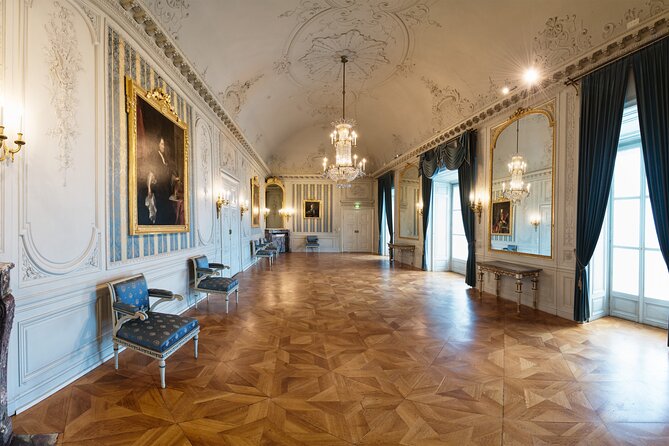
You may also see paintings of the palace’s former lords and ladies, which helps you connect family identity to what is displayed on the walls. When you pair portraits with stories about who lived here and why, the palace starts to feel less like architecture and more like a family system.
Still, here is the honest consideration: the tour is packed into one hour, and the amount of furniture visible may not satisfy everyone. One concern that comes up is that there are not always as many pieces of furniture on view as you might hope.
If your dream is hours of slow looking at rooms fully furnished like a living house, then this guided tour may feel too short. But if your goal is to get oriented quickly and leave with strong context, it is a very solid match.
Price, timing, and group size: does $22.83 feel fair?
At $22.83 per person, this tour sits in the “worth it if you like guided context” category. You are paying for an expert guide plus included admission, and you are getting a concentrated experience that takes about an hour.
The tour is also typically booked around 12 days in advance on average. That is a helpful signal. You do not need to book months ahead, but waiting until the last minute can limit your options, especially if you travel in high season or on weekends.
Group size matters too. With a maximum of 30 travelers, it is not a tiny private tour, but it is also not so large that the guide disappears into the crowd. In practice, this tends to support better listening and better flow through rooms.
Because food and drinks are not included, treat the tour as a clean add-on to a longer day. Plan a meal before or after, and you will get a better overall rhythm.
Also, the tour ends where it starts. That is underrated value. You do not have to regroup or solve transport logistics mid-day just to finish.
What to know before you go, so you enjoy the hour
A few practical notes can make the experience smoother.
First, bring a plan for timing. The tour is about one hour, and you should treat it like a timed ticket slot. Arrive a little early so you are not stressed at the start.
Second, expect a guided pace rather than a self-directed stroll. The format is designed to get you straight to highlights, including the mezzanine storey and the chapel. If you like to linger, you may want to return afterward on your own time.
Third, the tour is in English, and it is offered with a mobile ticket. If you rely on printed documents only, double-check what you will have available on your phone.
Fourth, children must be accompanied by an adult. If you are traveling with kids, this is straightforward, but it matters for planning.
Finally, the site is near public transportation. That helps if you are using buses or trams around Eisenstadt, and it makes it easier to connect this stop with other sightseeing.
One last planning point: the experience is non-refundable and cannot be changed. That does not mean it is risky, but it does mean you should book only when your schedule is already firm.
Who this tour suits best, and who might want a different plan
This is a great choice if you like guided explanations and you want a strong “big picture” introduction. You will enjoy it if you want the palace to make sense quickly, especially through the stories connecting the Esterházy family to Joseph Haydn and Lord Nelson.
You’ll also like it if you care about the quieter, often overlooked parts of palace life. The mezzanine storey and the servants’ presence help you see the palace as a household, not just a showpiece.
It is less ideal if you want to spend long hours on your own, moving at your pace, or if your top priority is seeing lots of furnished rooms and every decorative detail without interruptions.
If you are the type who loves doing exactly one planned thing well in a day, then this hour is a good anchor. Then you can explore the rest of Eisenstadt with energy left over.
Should you book the Esterházy Palace guided tour?
Yes, if you want a fast, guided orientation to one of Austria’s most story-driven palaces. For the price, the tour packs in the mezzanine servants’ story, the 17th-century chapel with the Haydn-era organ connection, and the bigger narrative threads that link the Esterházy family to famous historical figures.
I’d book it especially if you are curious but short on time. The tour is designed to get you straight to what matters, and the guide’s storytelling approach is a big part of the value. If your ideal palace visit is long and furniture-focused, plan extra time beyond the tour or consider a self-paced visit too.
In short: for an hour well spent, this guided tour is a strong buy.
FAQ
How long is the Esterházy Palace guided tour?
The tour lasts about 1 hour.
Is the tour in English?
Yes, the guided tour is offered in English.
What does the ticket price include?
The guided tour includes an admission ticket. Food and drinks are not included.
Where does the tour start?
The tour starts at Esterházy Palace, Esterhazypl. 1, 7000 Eisenstadt, Austria.
Do I need a printed ticket?
No, you receive a mobile ticket.
How big is the group?
The tour has a maximum of 30 travelers.
Is transportation included?
No. Transportation to and from the attraction is not included.
Are children allowed?
Children must be accompanied by an adult.
What is the cancellation policy?
This experience is non-refundable and cannot be changed for any reason.
Guided: Rest of the Austria File
- Vienna Spanish Riding School Guided Tour
★ 4.7 · 6,765 reviews - Vienna: Guided Walking Tour of City Center Highlights
★ 4.7 · 4,989 reviews - Vienna: Vienna Central Cemetery Guided Walking Tour
★ 4.8 · 3,307 reviews - Vienna: Tickets for Mozarthaus Vienna with Audio Guide
★ 4.2 · 2,344 reviews
Tours: Rest of the Austria File
- Vienna: Schönbrunn Palace & Gardens Skip-the-Line Tour
★ 4.7 · 7,739 reviews - Vienna Spanish Riding School Guided Tour
★ 4.7 · 6,765 reviews - Vienna: Skip-the-Line Sisi Museum, Hofburg and Gardens Tour
★ 4.8 · 5,918 reviews - Vienna: Skip-the-Line Schönbrunn Palace & Gardens Tour
★ 4.8 · 5,411 reviews
Tour Reviews: Rest of the Austria File
- Vienna: Vivaldi’s Four Seasons Concert in Karlskirche
★ 4.7 · 14,951 reviews - Vienna: Schönbrunn Palace & Gardens Skip-the-Line Tour
★ 4.7 · 7,739 reviews - Vienna: Light of Creation Votive Church Immersive Light Show
★ 4.8 · 6,779 reviews - Vienna Spanish Riding School Guided Tour
★ 4.7 · 6,765 reviews
Newest Vienna write-ups on file
- Vienna: Private Walking Tour to The Hofburg & Graben Street★ 5.0 · 3 reviews
- Vienna: Private tour Mauthausen and Linz★ 4.1 · 3 reviews
- Vienna Private Full Day Tour – Tickets to Schönbrunn & Lunch★ 5.0 · 3 reviews
- Vienna: Johann Strauss 200th birthday anniversary exhibition★ 4.7 · 3 reviews
- Vienna: Full-Day Vienna Woods Wine Tasting Tour★ 5.0 · 3 reviews
- Vienna: Festive Season and New Year’s Eve Waltz Workshop★ 5.0 · 3 reviews
Guided, compared.
 ★ 4.7Vienna Spanish Riding School Guided TourFrom $286,765 reviews
 ★ 4.7Vienna: Guided Walking Tour of City Center HighlightsFrom $254,989 reviews
 ★ 4.8Vienna: Vienna Central Cemetery Guided Walking TourFrom $3353,307 reviews
 ★ 4.3Vienna: Bus & Schönbrunn Palace Skip-the-Line Guided TourFrom $812,802 reviews
 ★ 4.2Vienna: Tickets for Mozarthaus Vienna with Audio GuideFrom $182,344 reviews
 ★ 4.9Vienna: Guided Walking Tour of City Highlights & Hidden GemsFrom $272,180 reviews
 ★ 4.7Vienna: Viennese Underworld Guided Walking TourFrom $371,865 reviews
 ★ 4.7Classic Vienna: 3-Hour Guided Bike TourFrom $721,846 reviews